
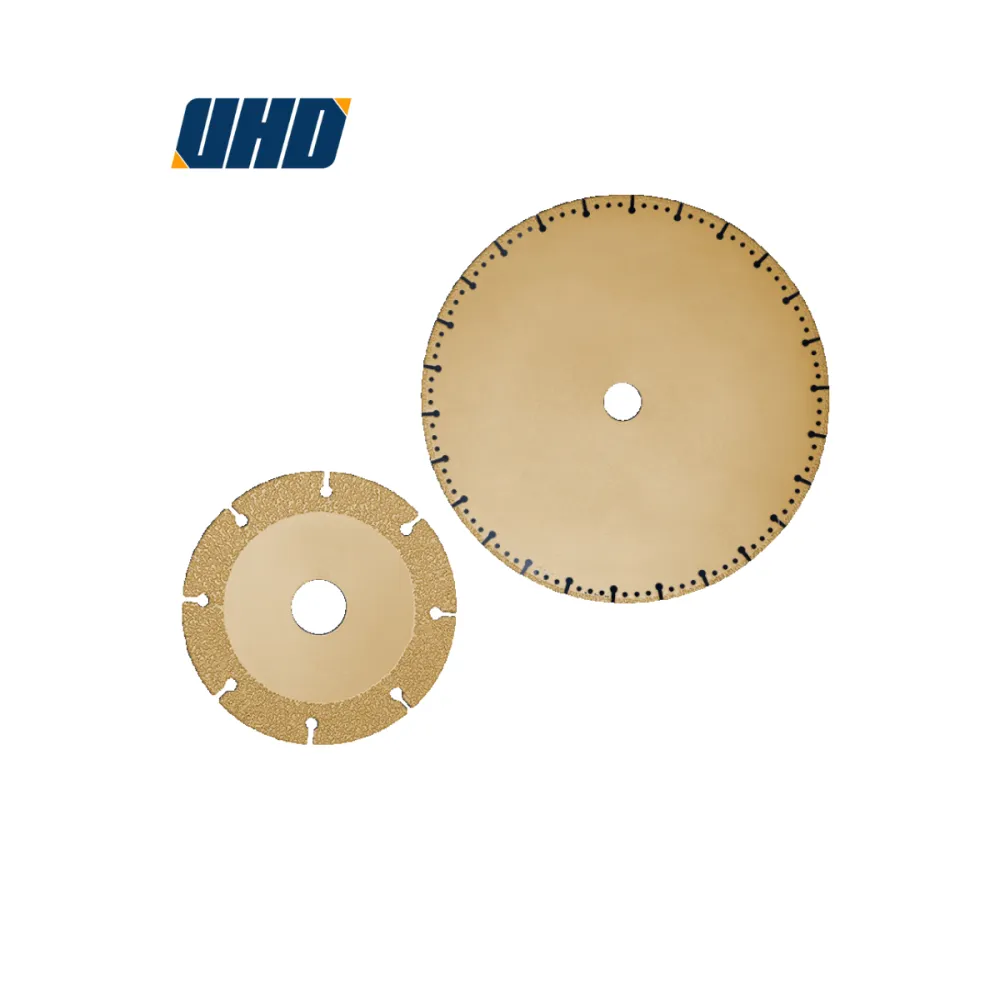
In the field of cutting operations, noise and vibration are not just minor annoyances; they have a significant impact on construction efficiency, worker comfort, and the lifespan of equipment. This article, with the 400H brazed diamond saw blade developed by Henan Youde Superhard Tools Co., Ltd. as an example, delves deep into how different materials of saw blade substrates affect cutting stability, and details the high - efficiency vibration control principle by combining the optimized technology of brazing process and segment arrangement.
The noise and vibration in saw blade design mainly stem from mechanical disturbances caused by segment arrangement. The density, angle, and spacing of segments play crucial roles. For example, a higher segment density can increase the cutting frequency, but if not properly designed, it may also lead to more intense vibrations. According to industry research, an inappropriate segment angle can cause up to a 30% increase in cutting noise. The design principles of segment density, angle, and spacing are based on minimizing mechanical disturbances to achieve a more stable cutting process.
Different metal substrate materials have distinct mechanical properties, which have a significant impact on the balance between rigidity and vibration absorption performance. Steel substrates, for instance, are known for their high rigidity, which can provide strong support during cutting. However, they may have relatively poor vibration absorption. On the other hand, some alloy substrates can offer a better balance between rigidity and vibration absorption. A study shows that certain alloy substrates can reduce vibration by up to 20% compared to traditional steel substrates, which is very beneficial for improving cutting stability.
Advanced brazing technology plays an important role in enhancing the bonding strength between the segment and the substrate and releasing thermal stress. The high - quality brazing process can ensure a strong connection between the diamond segment and the substrate, which is crucial for maintaining the integrity of the saw blade during high - speed cutting. Moreover, it can effectively release thermal stress generated during cutting, reducing the risk of segment detachment. Research indicates that advanced brazing technology can increase the bonding strength by up to 40% compared to traditional welding methods.
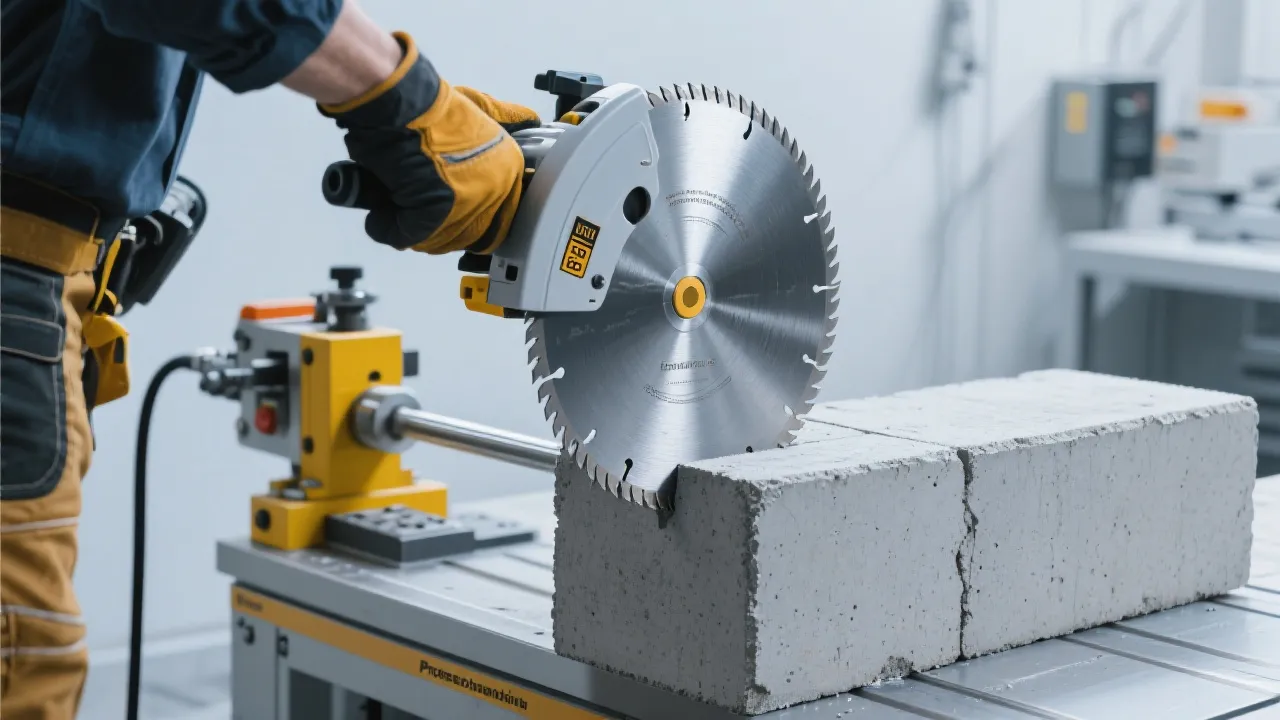
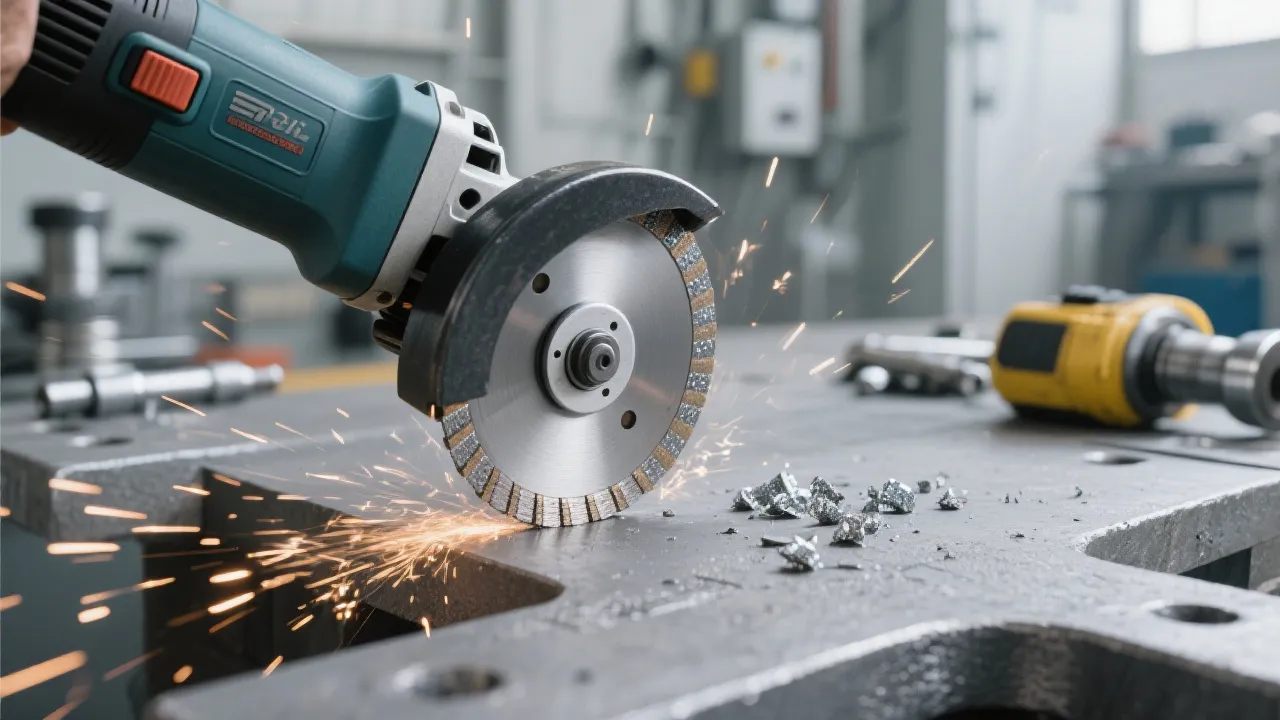
In practical applications such as stone processing and building cutting, the reasonable configuration of rotational speed and feed rate is essential for improving cutting performance. In a stone processing case, by adjusting the rotational speed and feed rate according to the characteristics of the saw blade, the cutting efficiency was increased by 25%, and the cutting noise was reduced by 15%. This shows that the synergy between parameter settings and saw blade characteristics can significantly improve the cutting experience.
Based on on - site construction experience, identifying abnormal vibrations and adjusting the fixture stability are practical skills that can enhance the operability and implementability of the content. For example, when abnormal vibrations are detected, operators can first check the segment arrangement and substrate condition. If the fixture is loose, it can lead to increased vibrations, so timely adjustment of the fixture can effectively reduce vibrations and improve cutting stability.
If you're eager to delve deeper into the world of brazed diamond saw blades and master more advanced technologies, click here to explore our technical column for in - depth learning and professional guidance.

.png?x-oss-process=image/resize,h_1000,m_lfit/format,webp)


 <#else>


