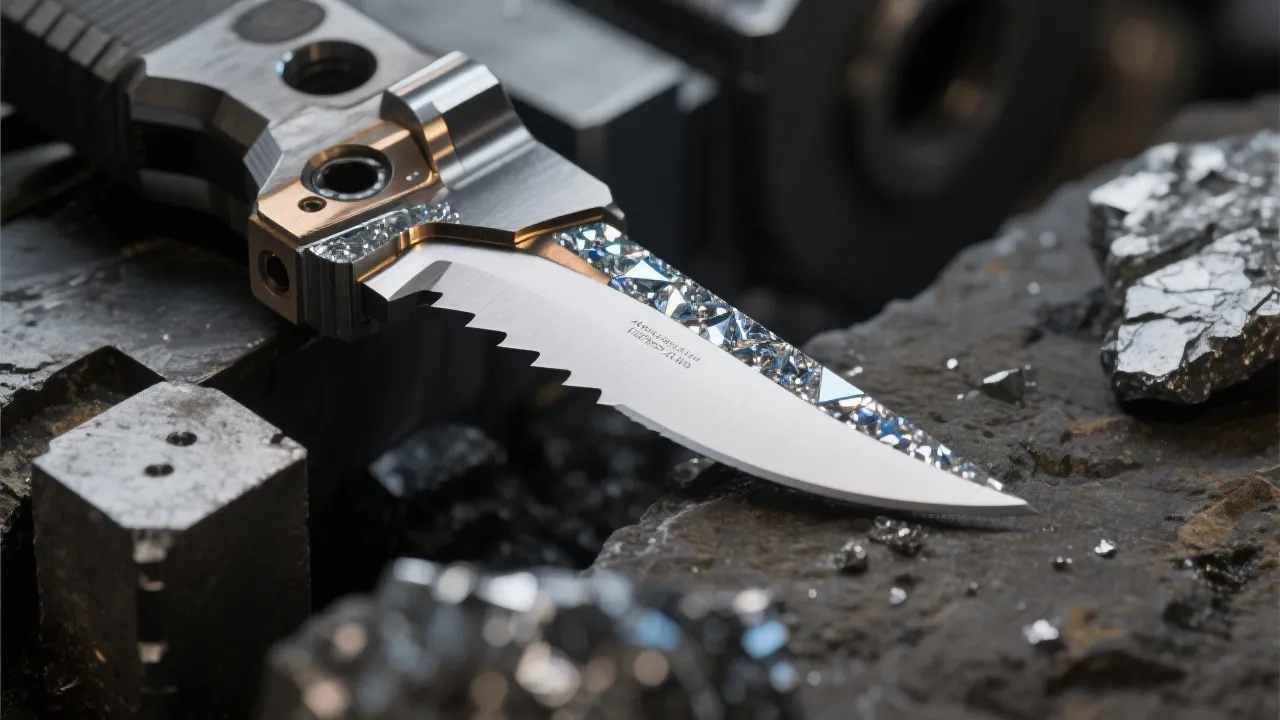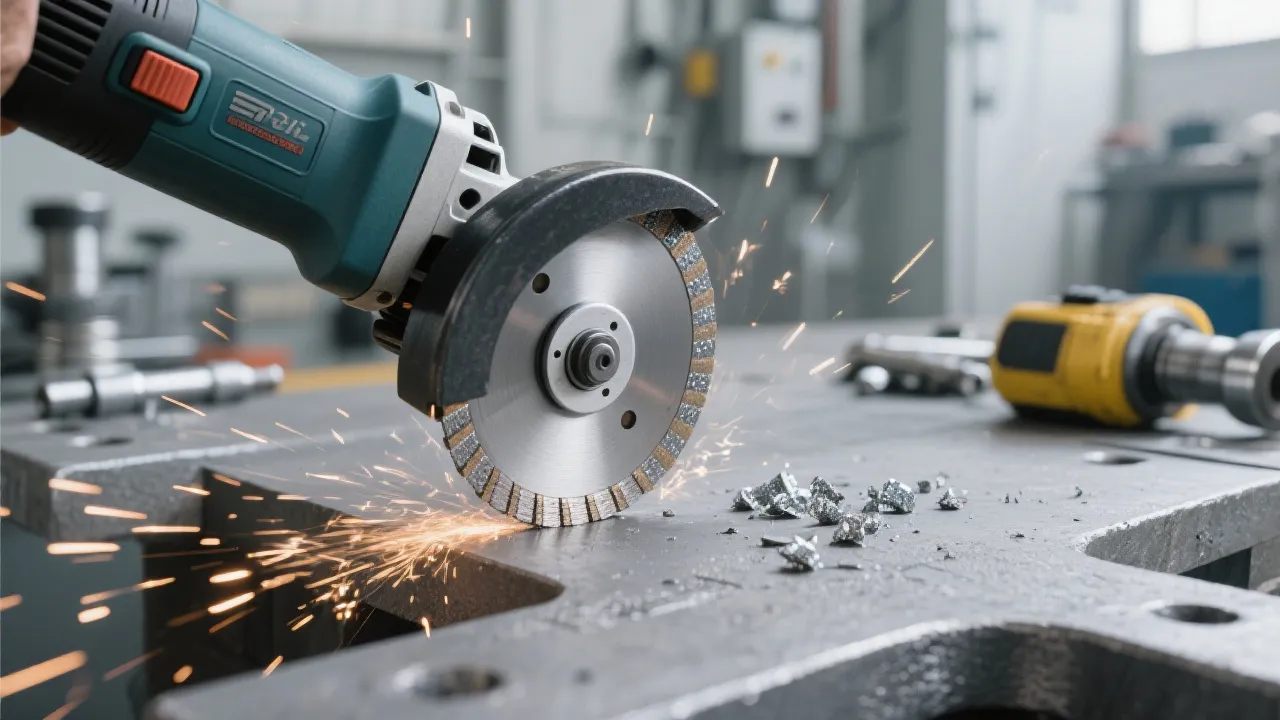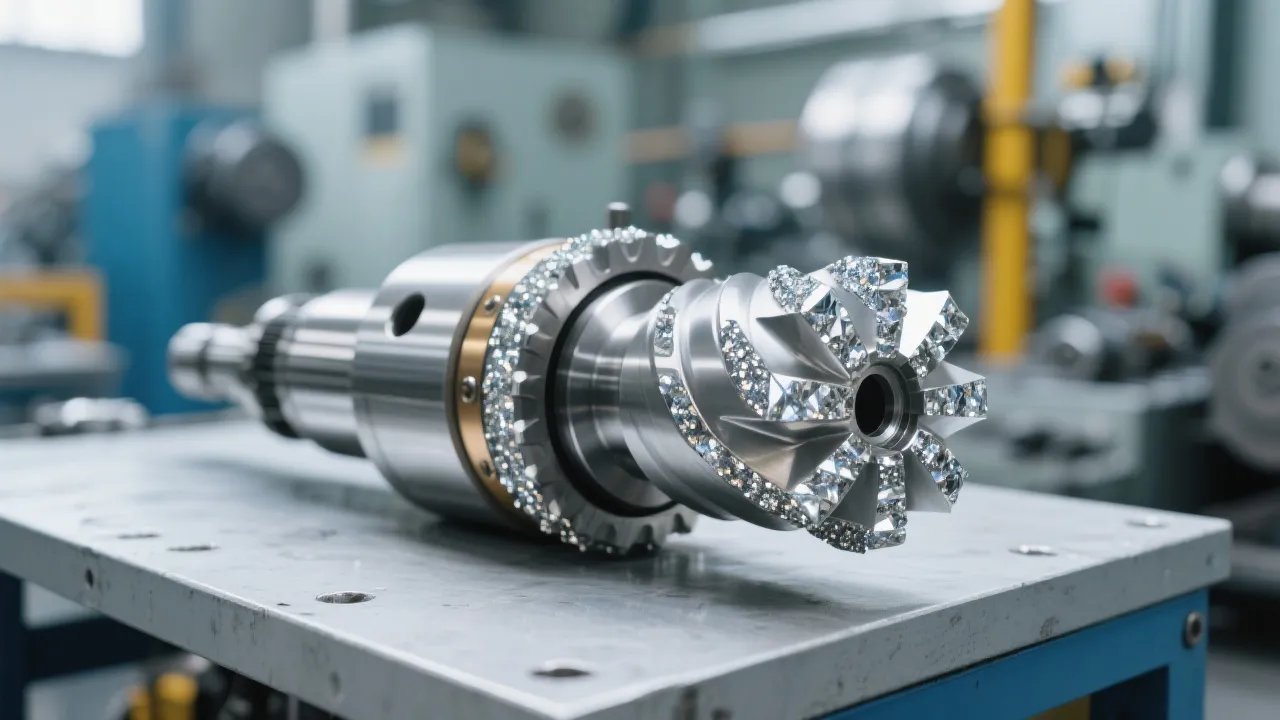
In the realm of industrial manufacturing, high-performance diamond drills play a crucial role in heavy stone processing. The application of vacuum brazing technology has revolutionized the manufacturing process of these drills, bringing significant improvements in performance and cost - effectiveness. This article delves into the core role of vacuum brazing in diamond drill manufacturing, aiming to provide in - depth knowledge for engineers and procurement decision - makers.
Vacuum brazing is a process that joins materials in a vacuum environment. The basic principle involves heating the workpiece to a specific temperature, causing the filler metal to melt and flow between the parts to be joined. For diamond drill manufacturing, this process requires specialized equipment, including a vacuum furnace that can maintain a high - quality vacuum environment and precise temperature control. This ensures that the brazing process is carried out under optimal conditions.
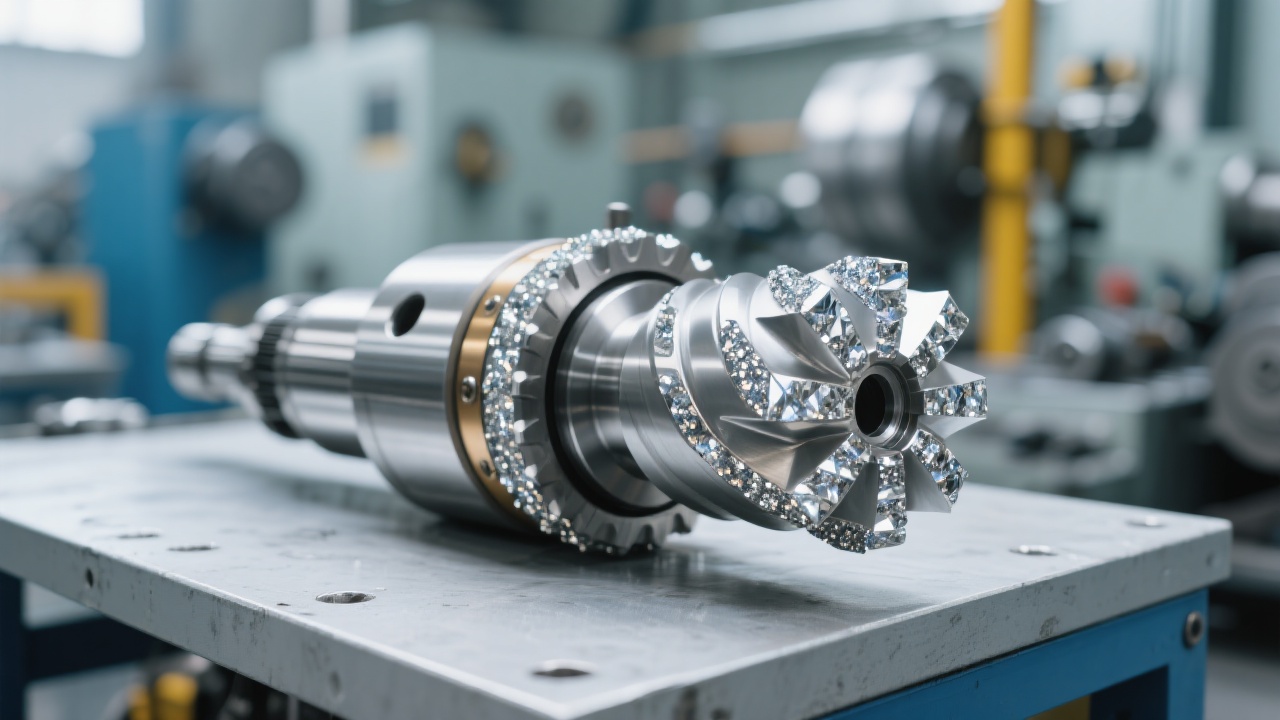
One of the key aspects of vacuum brazing in diamond drill manufacturing is the metallurgical bonding between diamond particles and the base metal. Through the vacuum brazing process, a strong chemical bond is formed between the diamond and the metal matrix. This bond is much stronger than traditional mechanical bonding methods, which significantly improves the retention of diamond particles on the drill bit. As a result, the drill bit can withstand higher cutting forces and maintain its sharpness for a longer time.
The performance of diamond drills is greatly affected by key process parameters such as temperature, pressure, and time during vacuum brazing. For example, if the temperature is too low, the filler metal may not melt completely, resulting in poor bonding. On the other hand, if the temperature is too high, it may cause damage to the diamond particles. Similarly, the pressure and time also need to be precisely controlled to ensure the quality of the brazed joint. Studies have shown that by optimizing these parameters, the wear resistance and service life of diamond drills can be increased by more than 30%.
In practical heavy stone processing applications, vacuum - brazed diamond drills offer significant efficiency improvements and cost reductions. The enhanced wear resistance means fewer tool replacements, reducing downtime and increasing productivity. For example, in a large - scale stone processing factory, using UHD's vacuum - brazed diamond drills can reduce the tool replacement frequency by up to 40%, resulting in substantial savings in labor and material costs.
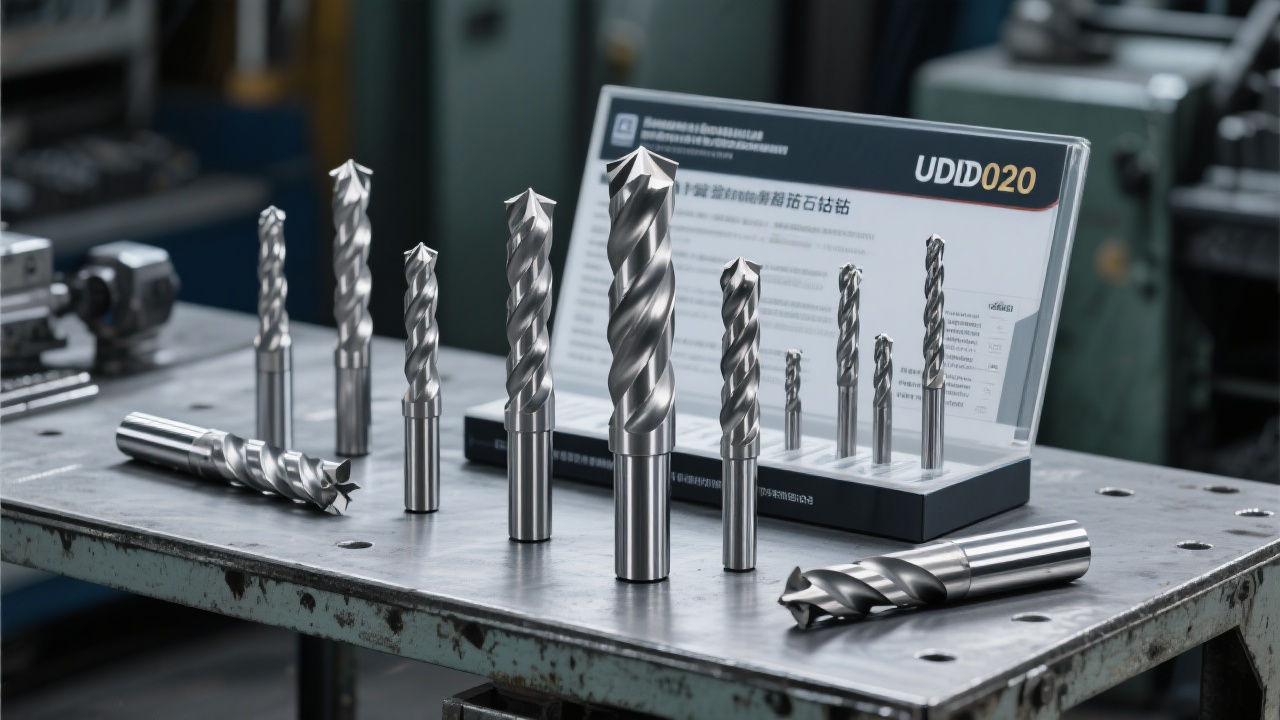
Despite its many advantages, vacuum brazing in diamond drill manufacturing also faces some challenges. For instance, achieving a uniform brazing layer and preventing diamond graphitization are common difficulties. To address these issues, advanced control systems and high - quality filler metals are used. Additionally, strict quality control measures are implemented throughout the manufacturing process to ensure the stability and reliability of the products.
Many real - world cases have demonstrated the effectiveness of vacuum brazing technology in diamond drill manufacturing. For example, a leading stone processing company in Europe reported a 35% increase in production efficiency and a 30% reduction in overall costs after switching to UHD's vacuum - brazed diamond drills. These data clearly show the significant value of this technology in the industrial field.
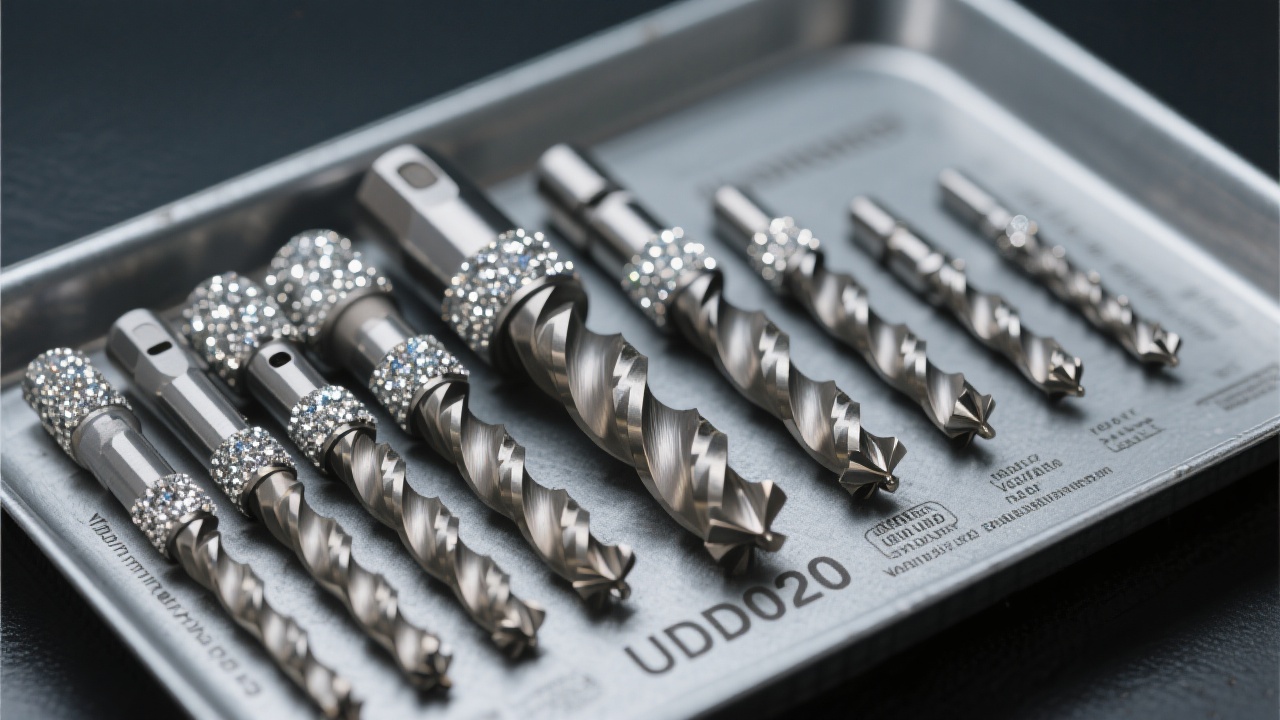
In conclusion, vacuum brazing technology has become an indispensable part of high - performance diamond drill manufacturing. It not only improves the performance of drills but also brings tangible economic benefits to industrial customers. If you want to learn more about the advantages of this technology and UHD's customized diamond tools, please download our technical white paper here.
.png?x-oss-process=image/resize,h_1000,m_lfit/format,webp)
.png?x-oss-process=image/resize,h_1000,m_lfit/format,webp)