In the manufacturing of diamond cutting blades, vacuum brazing technology has emerged as a game - changer. This article delves into the core applications and advantages of vacuum brazing in this field, providing a comprehensive guide for industry professionals and enthusiasts alike.
Vacuum brazing is a process that involves joining two materials together using a filler metal in a vacuum environment. In the case of diamond cutting blades, the goal is to achieve a strong bond between the diamond particles and the blade substrate. The vacuum environment plays a crucial role as it eliminates oxygen and other contaminants that could otherwise weaken the bond. For example, in a traditional brazing process, oxidation can reduce the bonding strength by up to 30%, while vacuum brazing can maintain a bonding strength of over 90%.
Controlling the vacuum environment is essential. The ideal vacuum level for brazing diamond cutting blades is typically between 10⁻³ and 10⁻⁵ Pa. At this level, the risk of oxidation and other chemical reactions is minimized, ensuring a high - quality bond. The choice of filler material also matters. A well - selected filler can enhance the wetting ability between the diamond and the substrate, improving the bonding strength. Generally, copper - based and silver - based brazing fillers are commonly used, with silver - based fillers offering higher melting points and better bonding performance in some cases.
Optimizing the process parameters, such as temperature, time, and pressure, is equally important. For instance, a typical brazing temperature ranges from 700°C to 900°C, and the holding time is usually around 5 - 15 minutes. These parameters need to be carefully adjusted according to the specific materials and application requirements to achieve the best results.
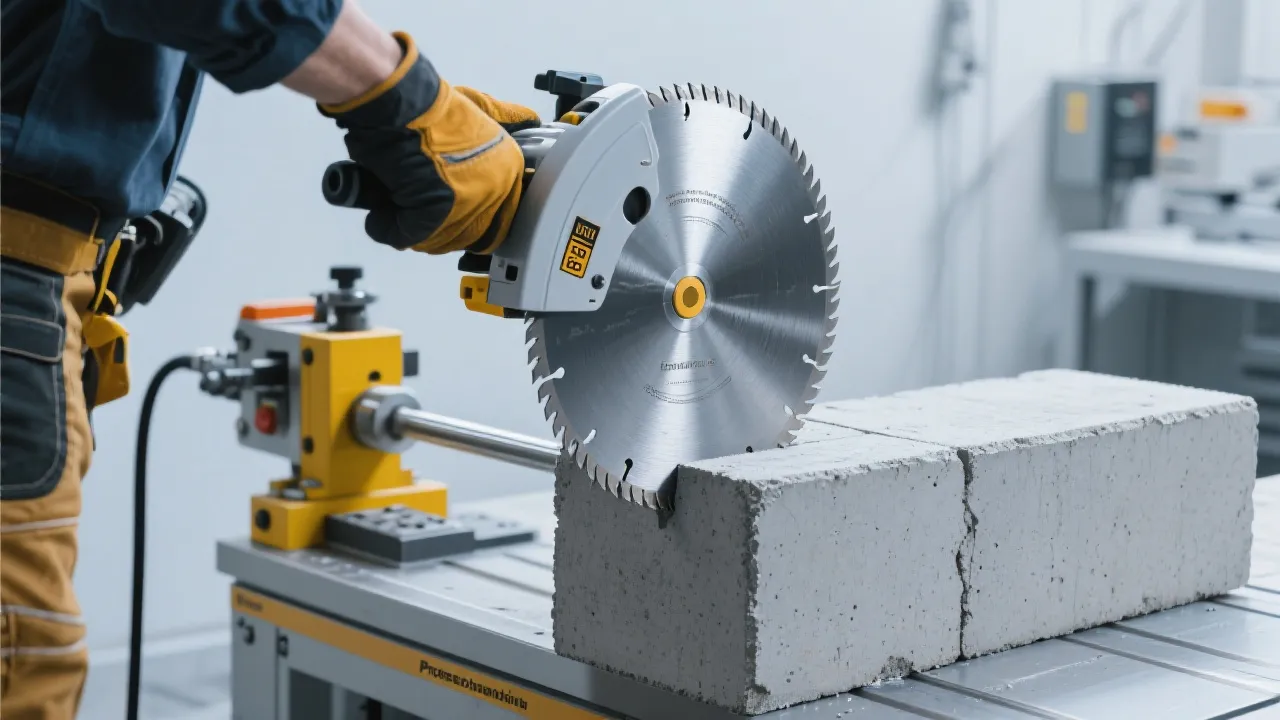
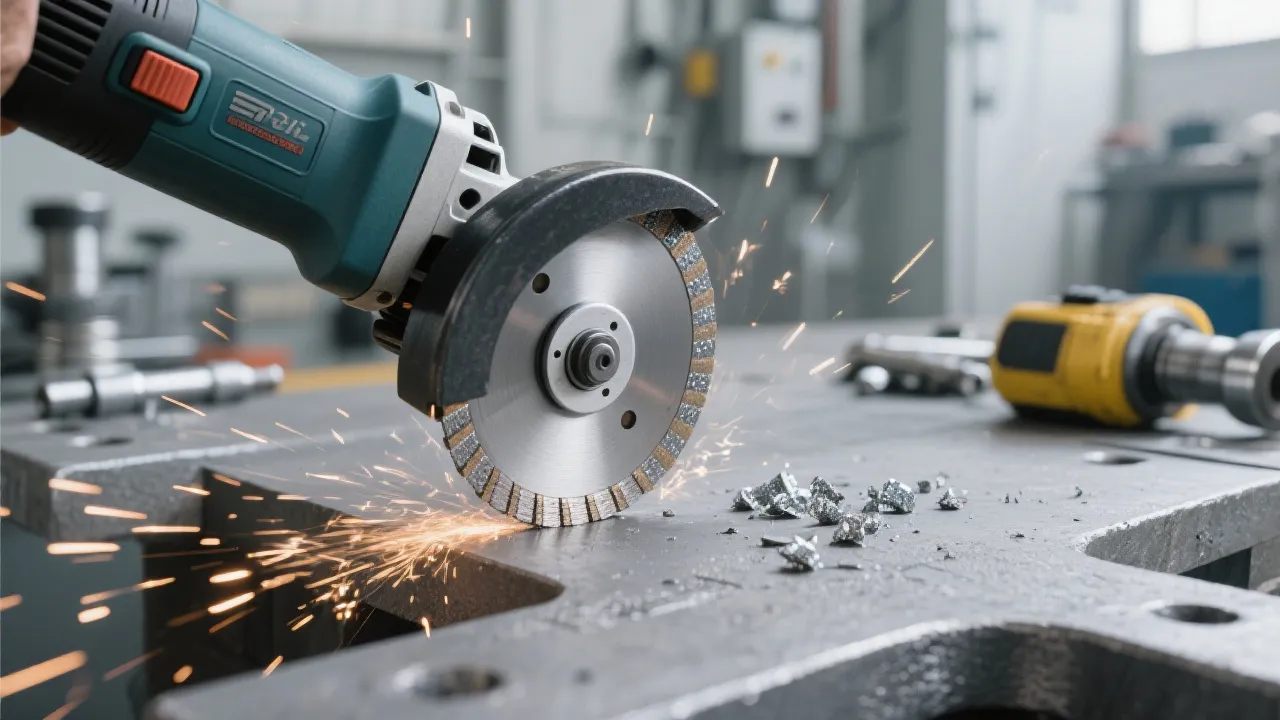
In industrial heavy - duty cutting scenarios, vacuum - brazed diamond cutting blades shine. Compared to traditional brazed blades, they can increase cutting efficiency by up to 40%. For example, in the processing of granite slabs, a vacuum - brazed blade can cut through the material faster and with less resistance. Moreover, the stability of vacuum - brazed blades is significantly improved. They can maintain a more consistent cutting performance over a longer period, reducing the need for frequent blade replacements. Tests have shown that the service life of vacuum - brazed diamond cutting blades can be 2 - 3 times longer than that of traditional ones.
When compared to traditional brazing methods, vacuum brazing offers several distinct advantages. Traditional brazing often results in a weaker bond between the diamond and the substrate, leading to premature diamond loss during cutting. In contrast, vacuum brazing forms a strong metallurgical bond, ensuring that the diamond particles stay firmly attached to the blade. This not only improves the blade's wear resistance but also reduces the overall cost of cutting operations. By reducing blade replacement frequency and increasing cutting efficiency, vacuum - brazed diamond cutting blades can bring significant economic benefits to industrial users.
To help users optimize their cutting performance, here is a practical tutorial. First, clean the diamond particles and the substrate thoroughly to remove any dirt or contaminants. Then, apply the selected brazing filler evenly on the substrate. Place the diamond particles on the filler and put the assembly into the vacuum brazing furnace. Set the appropriate temperature, time, and pressure according to the material specifications. After the brazing process is complete, allow the blade to cool down slowly.
Common problems during the process may include poor bonding and uneven distribution of diamond particles. These can be addressed by adjusting the brazing parameters, improving the cleaning process, or using better - quality filler materials.
Our research and development in this field are supported by industry - academia - research partnerships and CE certification. These not only demonstrate the scientific rigor of our technology but also ensure that our products meet international standards, giving our customers confidence in our solutions.
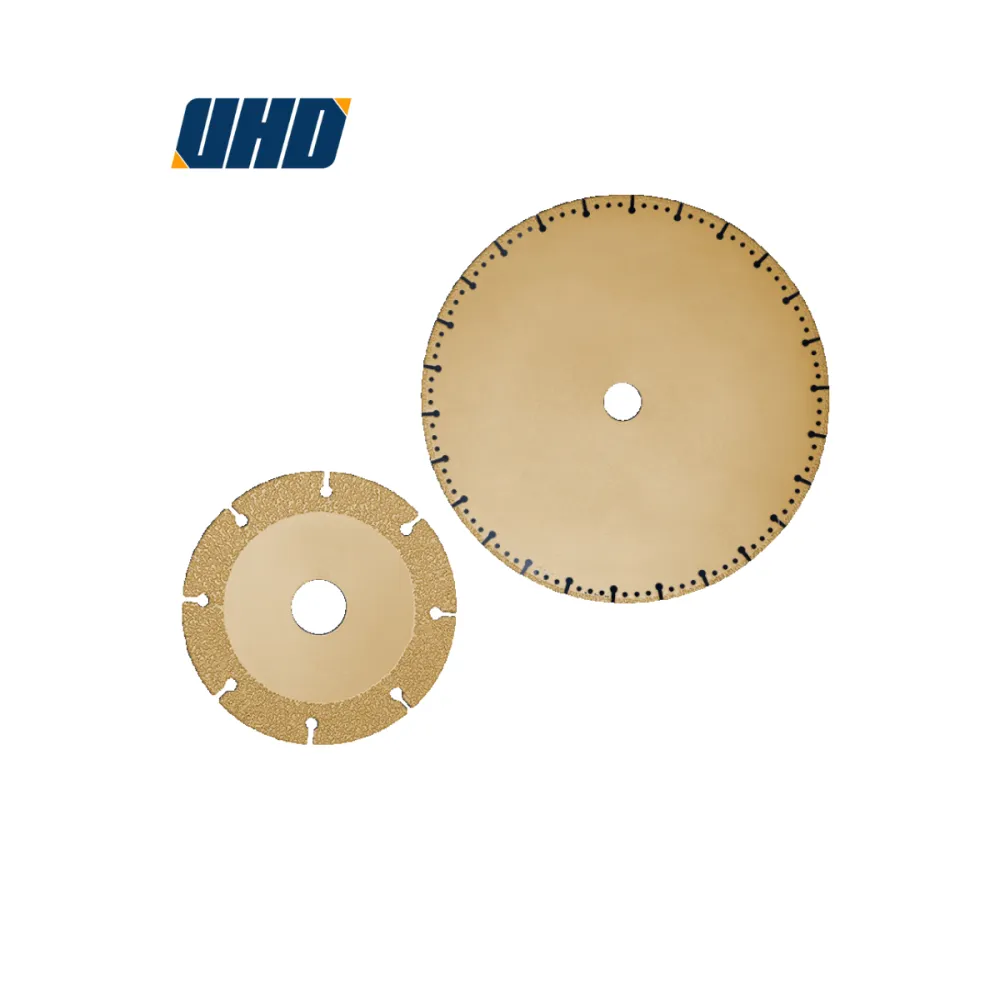
If you're looking to enhance your cutting operations with high - performance diamond cutting blades, don't miss out on our advanced products. Our vacuum - brazed diamond cutting blades are designed to provide superior wear resistance, efficiency, and stability. Click here to learn more and get in touch with our professional team today!


.png?x-oss-process=image/resize,h_1000,m_lfit/format,webp)