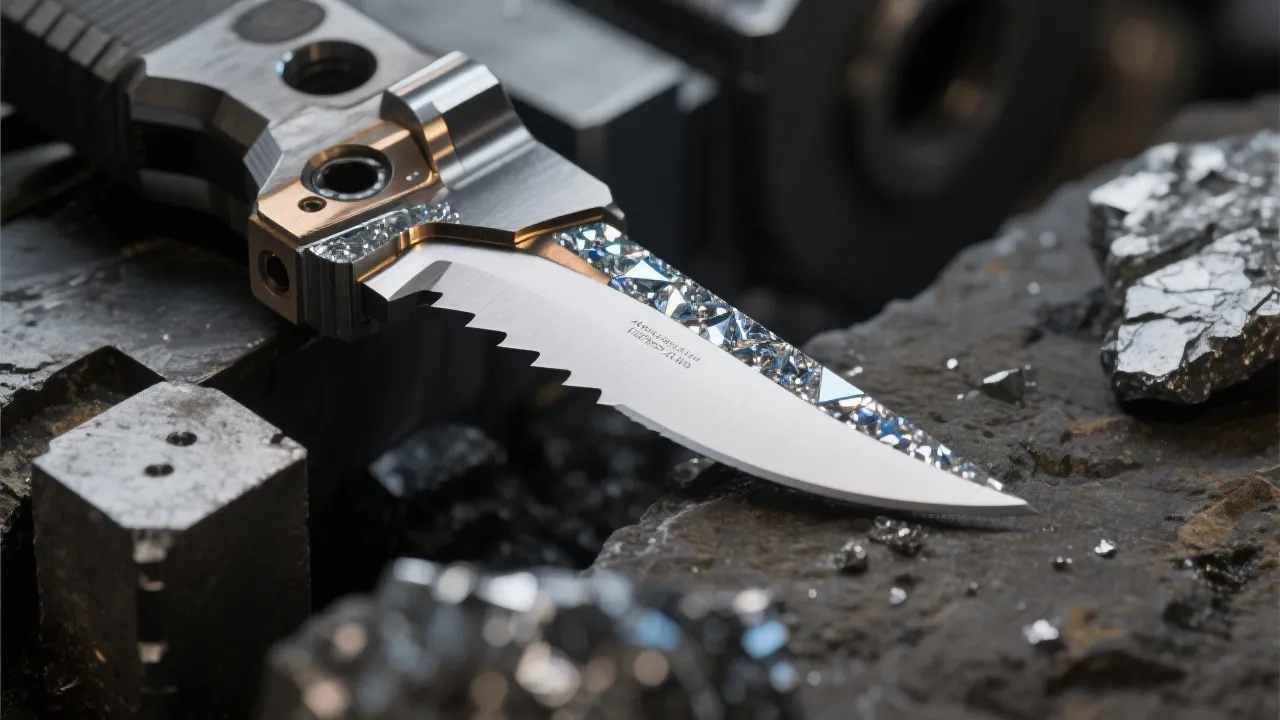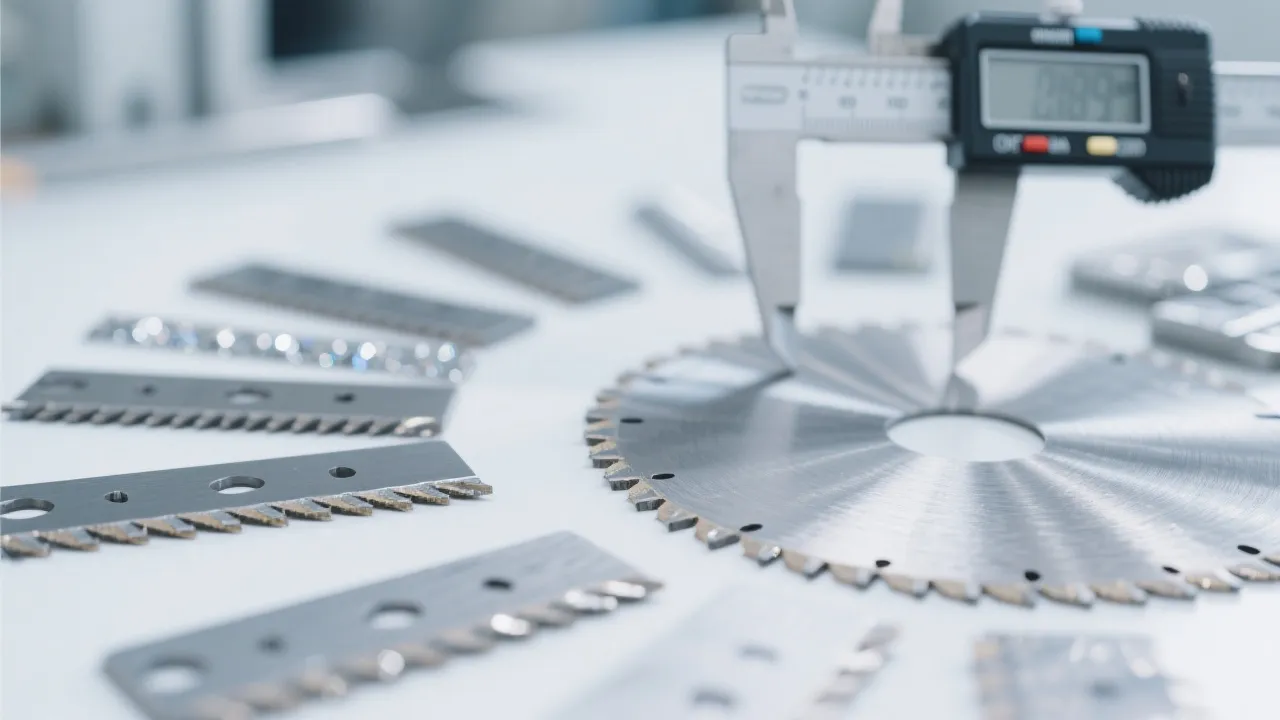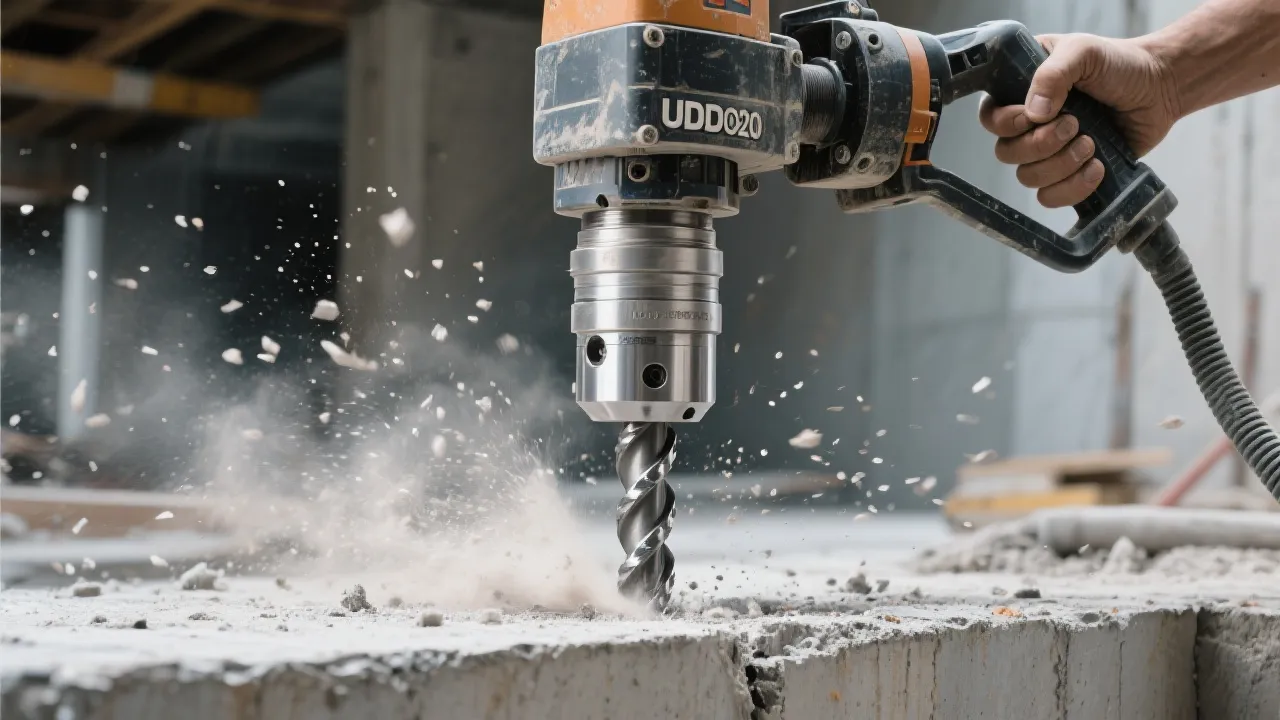
In the field of diamond tool manufacturing, the wear resistance of diamond drills is a crucial factor affecting their performance and cost - effectiveness. UHD's vacuum brazing technology has emerged as a game - changer in this area, offering significant improvements in the quality and durability of diamond drills.
Vacuum brazing technology operates on the principle of using a filler metal to bond the diamond particles to the drill matrix under high - temperature and vacuum conditions. The process demands strict control of equipment conditions and environmental factors. The vacuum environment can eliminate air and impurities, preventing oxidation and ensuring a high - quality bond. For example, the vacuum degree typically needs to reach 10⁻³ to 10⁻⁵ Pa to guarantee a clean bonding environment.
The process generally includes several key steps: cleaning the diamond particles and the matrix, applying the filler metal, placing them in the vacuum furnace, heating, holding the temperature, and then cooling. Each step has a significant impact on the final bonding quality. According to industry standards, the heating rate should be controlled within 5 - 10°C per minute to ensure uniform heating and prevent thermal stress from damaging the bond.
The bonding mechanism between diamond particles and matrix materials in vacuum brazing involves both physical and chemical interactions. At high temperatures, the filler metal melts and wets the surfaces of the diamond and the matrix, forming a strong metallurgical bond. Key technical points include selecting the appropriate filler metal and optimizing process parameters such as temperature, time, and pressure.
For instance, a filler metal with a suitable melting point and chemical composition can enhance the bonding strength. By adjusting the process parameters, the bond can be optimized to achieve a balance between bonding strength and diamond integrity. Research shows that an optimized bonding process can increase the bonding strength between diamond particles and the matrix by up to 30% compared to traditional methods.
Vacuum brazing technology has a profound impact on the performance of diamond drills, especially in terms of wear resistance and service life. By improving the bonding strength between the diamond particles and the matrix, the diamond particles are less likely to fall off during drilling, which significantly enhances the wear resistance of the drill.
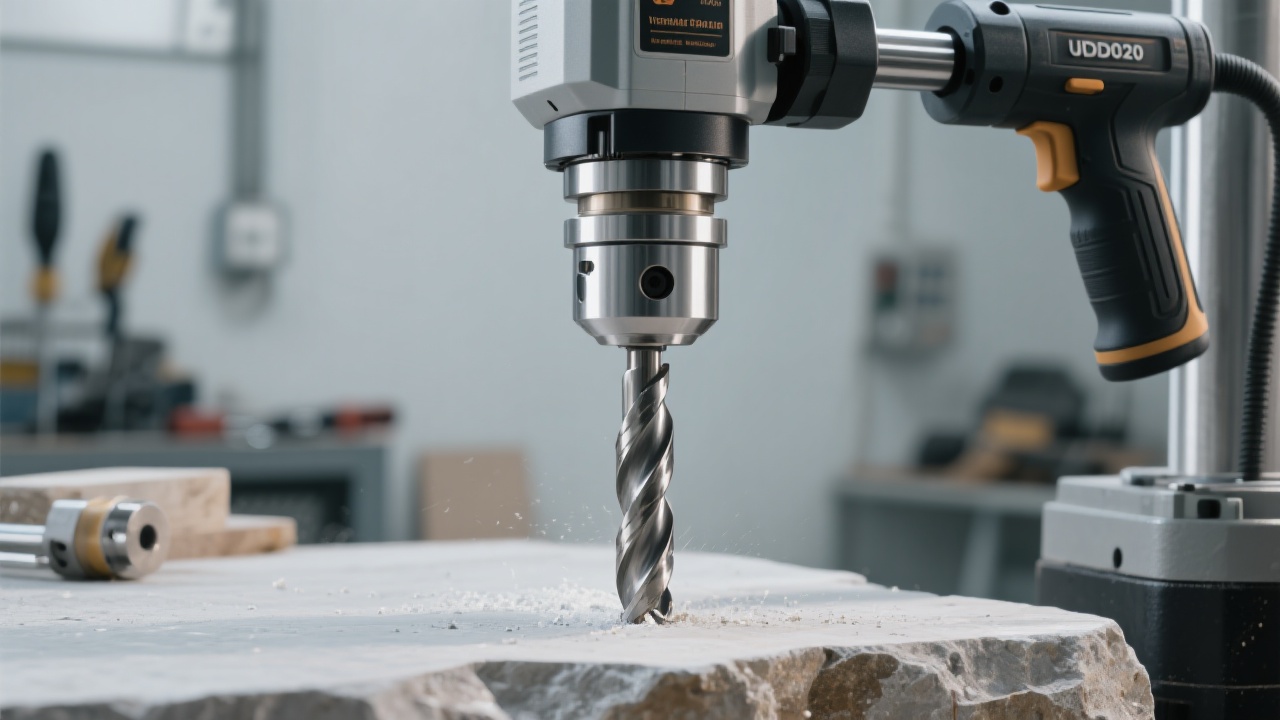
In a real - world case, a manufacturing company switched to using UHD's vacuum - brazed diamond drills. They found that the service life of the drills increased by 50%, and the maintenance downtime was reduced by 40%. This not only improved production efficiency but also significantly reduced operating costs.
During the vacuum brazing process, there are some common difficulties, such as uneven bonding, diamond graphitization, and filler metal overflow. To address these issues, UHD has developed a series of solutions. For example, by optimizing the heating and cooling curves, the problem of uneven bonding can be effectively solved.
Using a protective gas during the process can prevent diamond graphitization. These solutions can improve the stability of the tool and enhance the cutting efficiency. According to internal tests, after implementing these solutions, the product qualification rate increased from 80% to 95%.
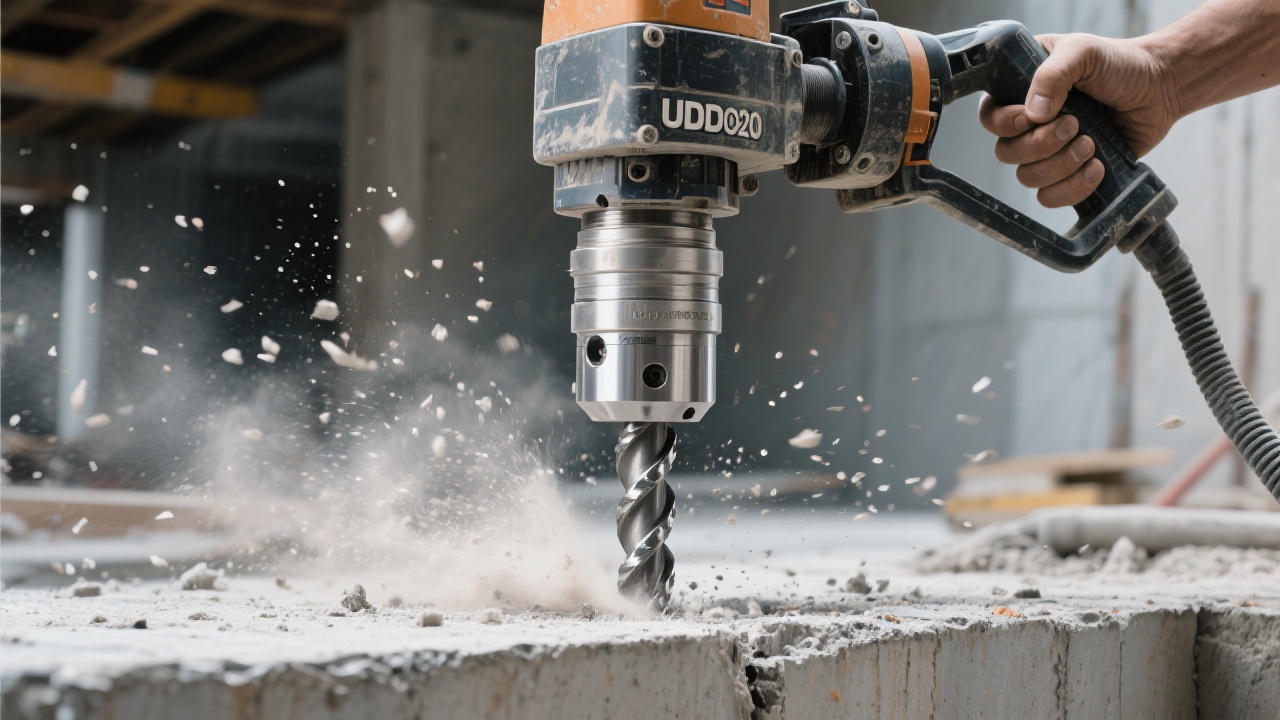
UHD's vacuum - brazed diamond drills meet international standards and can be widely used in various heavy - duty processing industries. In the mining industry, they can withstand high - intensity drilling operations; in the construction industry, they can efficiently drill into various hard materials.
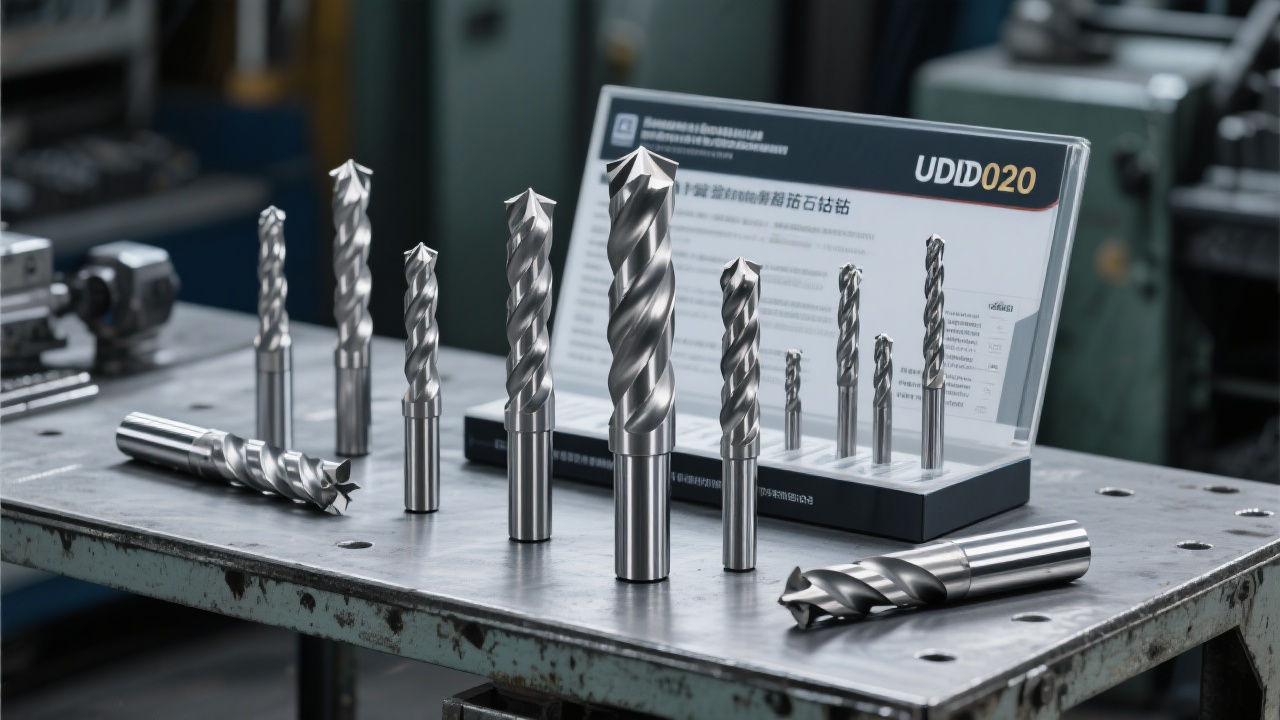
The technology provides strong technical support for these industries, enabling them to improve production efficiency and quality.
Stay ahead of the curve in diamond tool technology! Don't miss out on the latest UHD product technology upgrade trends and in - depth technical knowledge. Click here to download the UHD technical whitepaper and unlock the secrets of high - performance diamond drills.
.png?x-oss-process=image/resize,h_1000,m_lfit/format,webp)

.png?x-oss-process=image/resize,h_1000,m_lfit/format,webp)