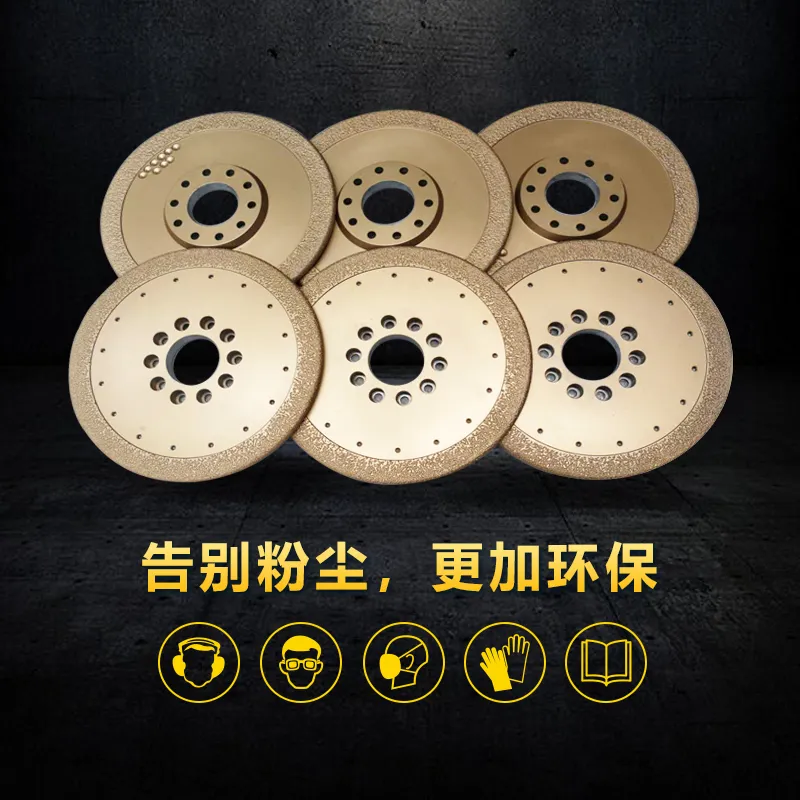
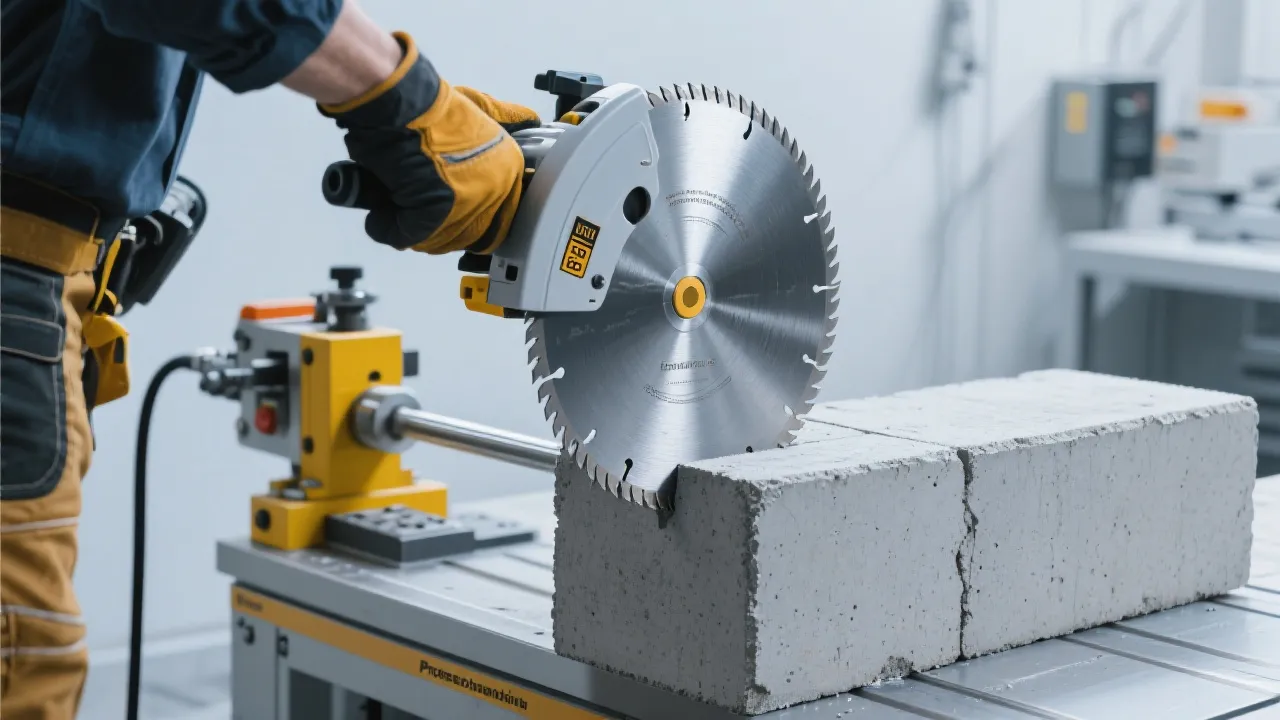
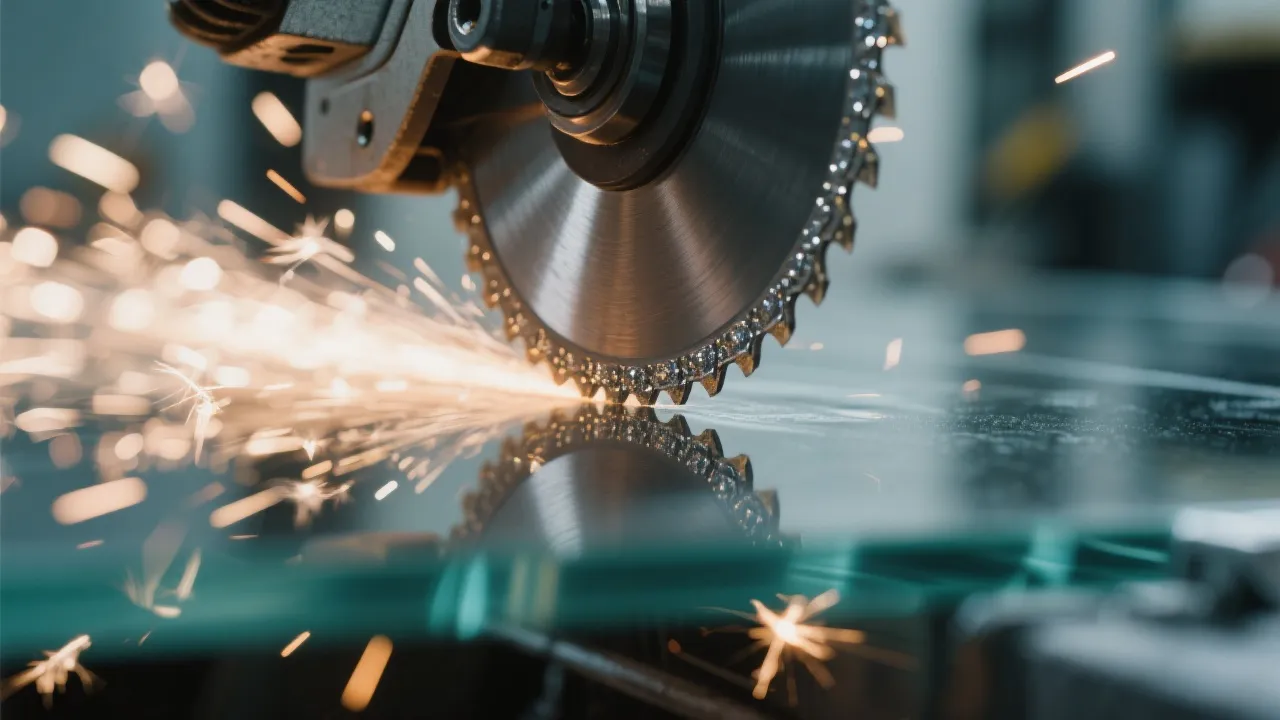
In the realm of diamond blade manufacturing, vacuum brazing has emerged as a revolutionary technology, offering significant advantages over traditional brazing methods. This article aims to provide a detailed analysis of the core principles and application benefits of vacuum brazing in the production of diamond cutting blades.
Vacuum brazing operates under a meticulously controlled vacuum environment. By reducing the pressure to an extremely low level, typically around 10⁻³ to 10⁻⁶ Pa, the presence of oxygen and other reactive gases is minimized. This prevents oxidation of the brazing materials and the diamond particles during the heating process. For example, in traditional brazing, oxidation can lead to the formation of brittle oxides on the surface of the diamond, weakening the bond between the diamond and the substrate. In contrast, vacuum brazing eliminates this issue, ensuring a clean and strong interface.
The selection of brazing filler metal is another crucial aspect. Specialized filler metals, such as silver - copper - titanium alloys, are commonly used. Titanium has a strong affinity for carbon, which is the main component of diamond. When heated, the titanium in the filler metal reacts with the diamond surface, forming a carbide layer. This chemical bond significantly enhances the bonding strength between the diamond and the substrate. Studies have shown that the bonding strength achieved through vacuum brazing can be up to 30% higher than that of traditional brazing methods.
Optimizing process parameters, including heating rate, holding time, and cooling rate, is essential for achieving the best results. A proper heating rate, usually around 5 - 10°C per minute, ensures uniform heating of the materials and allows the filler metal to flow and wet the surfaces effectively. The holding time at the brazing temperature, which can range from 5 to 20 minutes depending on the specific materials and part geometry, allows the chemical reactions to occur fully. A controlled cooling rate prevents thermal stress and cracking in the brazed joint.
One of the most significant advantages of vacuum brazing is its ability to achieve a high - strength connection between the diamond particles and the substrate. This strong bond enables the diamond blade to withstand higher cutting forces and abrasion. In industrial cutting applications, especially in heavy - load cutting scenarios, the wear resistance of the blade is crucial. Tests have indicated that diamond blades produced by vacuum brazing can have a service life that is 2 - 3 times longer than those made by traditional brazing. This not only reduces the frequency of blade replacement but also improves the overall productivity of the cutting process.
In heavy - load industrial cutting, such as cutting thick steel plates or concrete, the cutting efficiency and stability are of utmost importance. Vacuum - brazed diamond blades can maintain a sharp cutting edge for a longer time, resulting in higher cutting speeds. For instance, in cutting thick steel, a vacuum - brazed blade can increase the cutting speed by up to 20% compared to a traditionally brazed blade. Moreover, the high - strength bond between the diamond and the substrate reduces the risk of diamond pull - out during cutting, ensuring a more stable cutting process and better surface finish of the workpiece.
However, like any technology, vacuum brazing also faces some challenges. Common problems include uneven filler metal distribution and the formation of micro - cracks in the brazed joint. To address these issues, advanced manufacturing techniques, such as precise filler metal pre - placement and optimized heating profiles, can be employed. Additionally, strict quality control measures, including non - destructive testing methods like ultrasonic testing, are used to ensure the integrity of the brazed joints.
When compared to traditional brazing, vacuum brazing offers several unique advantages. Traditional brazing often involves the use of fluxes to remove oxides, but these fluxes can leave residues that may affect the performance of the blade. Vacuum brazing eliminates the need for fluxes, resulting in a cleaner and more reliable joint. Furthermore, the high - temperature and low - pressure environment in vacuum brazing allows for better wetting of the filler metal on the diamond and substrate surfaces, leading to a more uniform and stronger bond.
Our company's vacuum brazing technology is backed by authoritative certifications and extensive research and development collaborations with universities and research institutions. Through numerous case studies, we have demonstrated significant economic benefits for our customers. For example, a construction company that switched to our vacuum - brazed diamond blades reported a 15% reduction in overall cutting costs due to the longer service life and higher cutting efficiency of the blades.
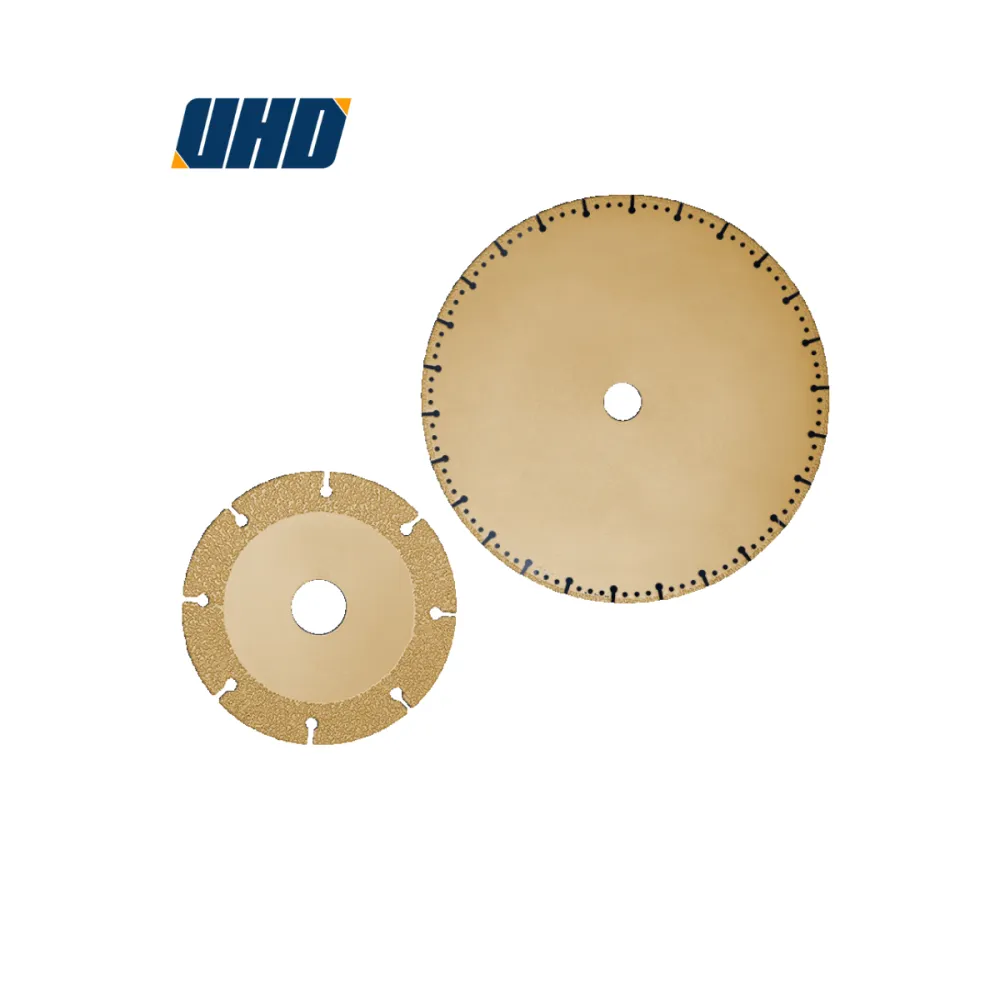
Are you looking for high - performance diamond blades for your heavy - load cutting applications? Our vacuum - brazed diamond blades offer unparalleled quality and performance. Contact us today to learn more about how our products can meet your specific needs and enhance your productivity.


.png?x-oss-process=image/resize,h_1000,m_lfit/format,webp)