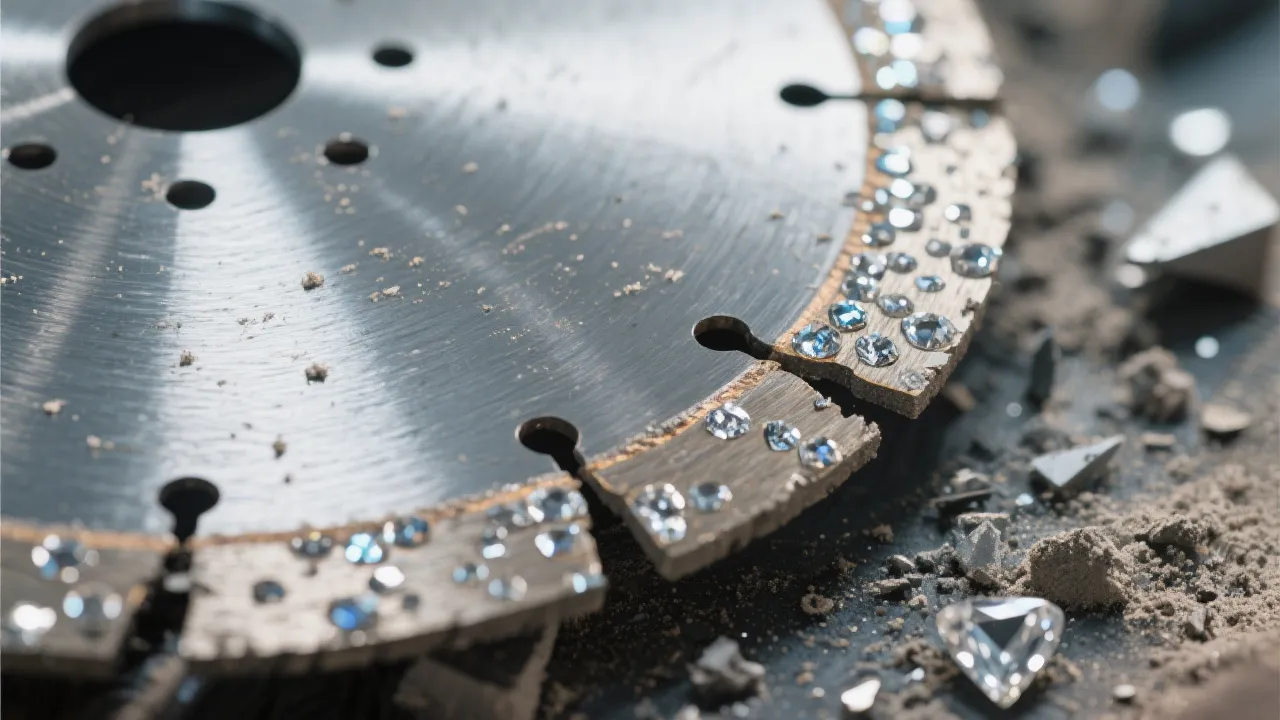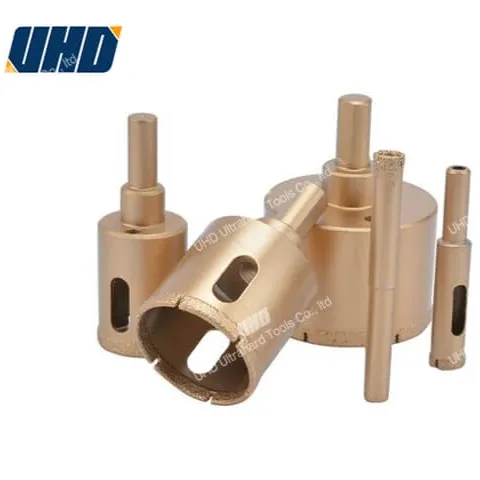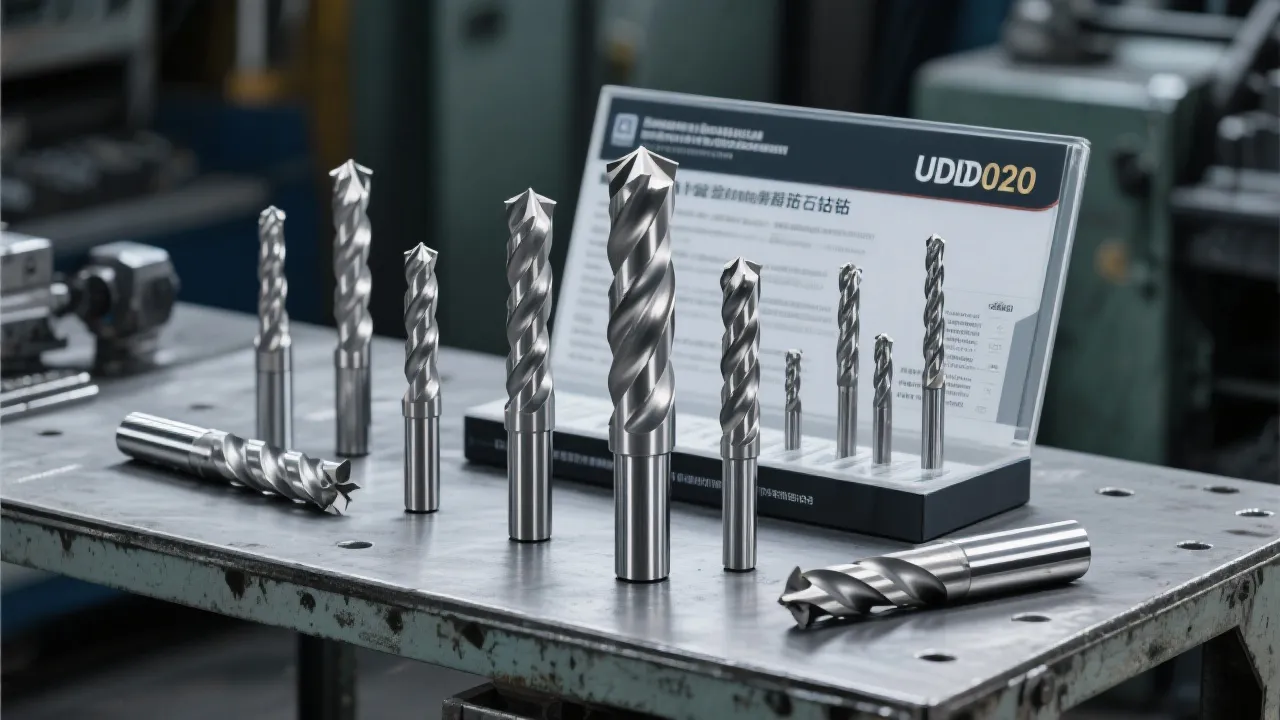
In the field of industrial manufacturing, the demand for high - performance diamond drills is constantly growing. Vacuum brazing technology has emerged as a key solution to meet this demand. This article will delve into the technical principles of vacuum brazing technology and its application in the manufacturing of diamond drills.
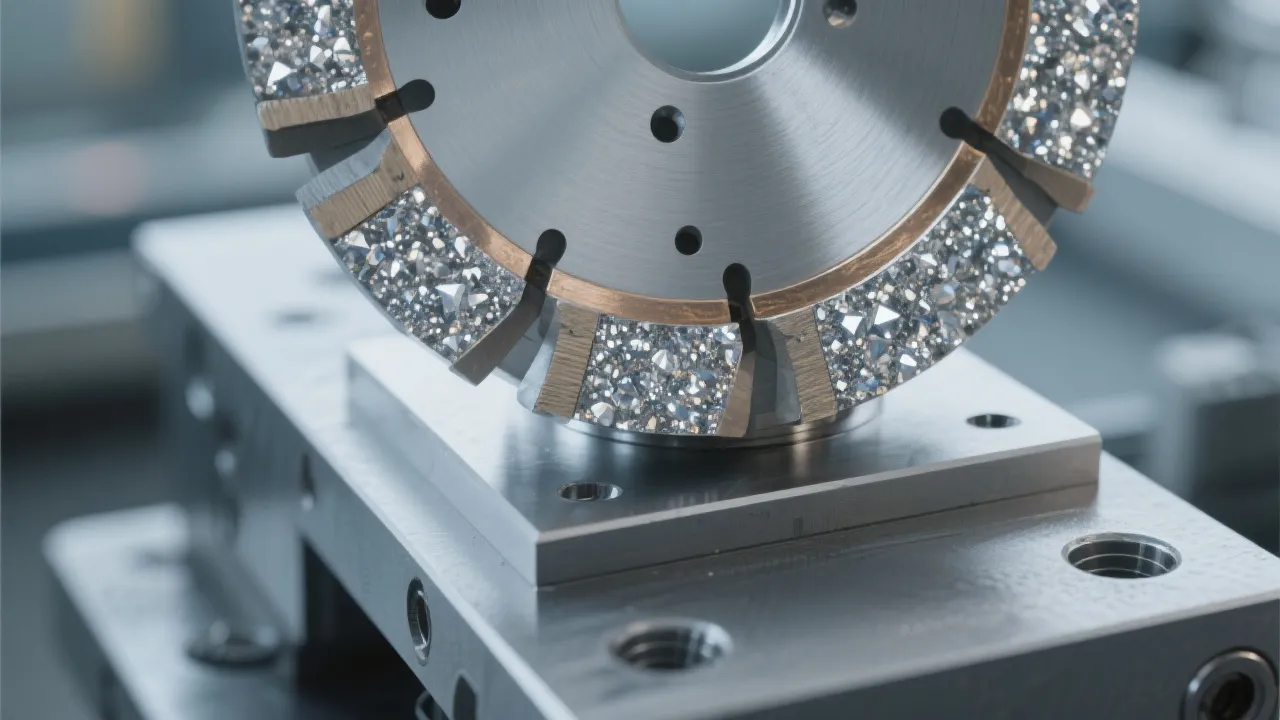
Vacuum brazing is a process that joins diamond particles to the substrate material in a vacuum environment. By heating the brazing filler metal to its melting point, it forms a strong bond between the diamond particles and the substrate. According to industry research, the bonding strength achieved by vacuum brazing can be up to 80% higher than traditional bonding methods, which significantly improves the overall performance of the diamond drill.
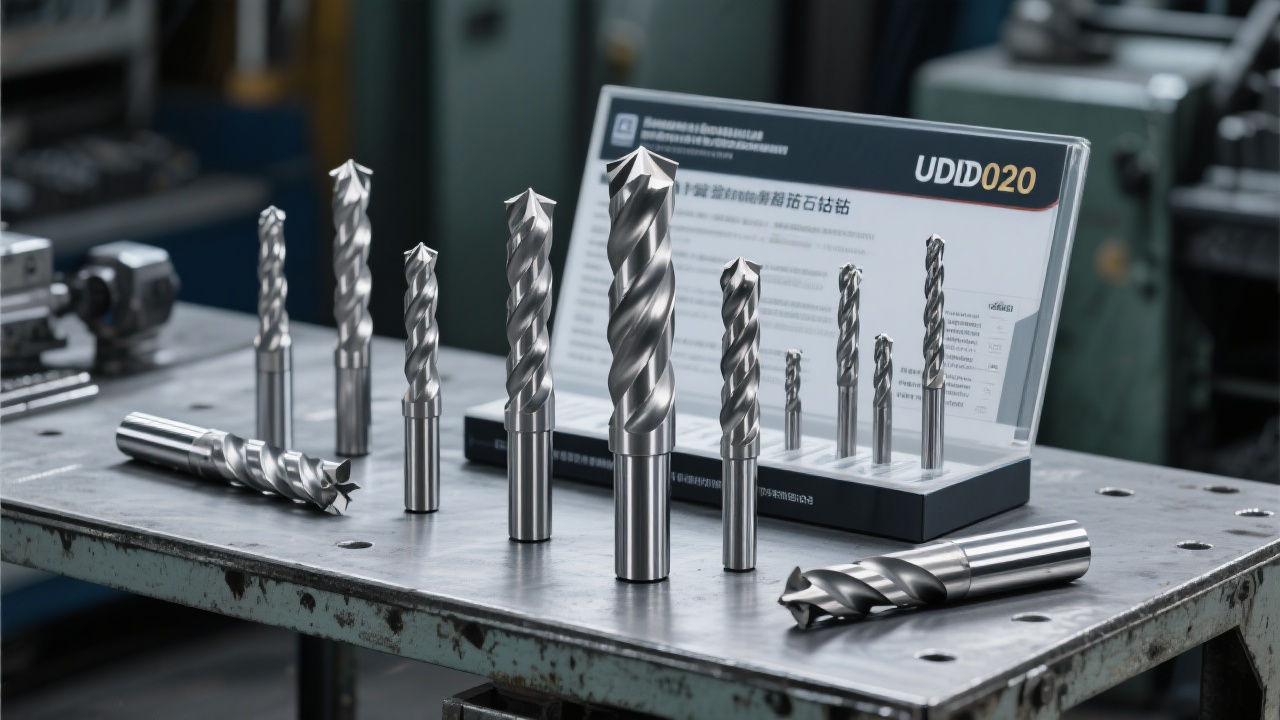
The key to the success of vacuum brazing lies in the precise control of process parameters, such as temperature, time, and pressure. For example, maintaining a temperature between 800 - 900°C for 10 - 15 minutes can ensure a stable and strong bond. This allows the diamond particles to be firmly embedded in the substrate, enhancing the wear resistance of the drill.
During the implementation of vacuum brazing, several technical challenges may arise. One of the common problems is the uneven distribution of the brazing filler metal, which can lead to weak bonding points. To address this issue, advanced coating techniques can be used to ensure a uniform distribution of the brazing filler metal on the substrate surface.
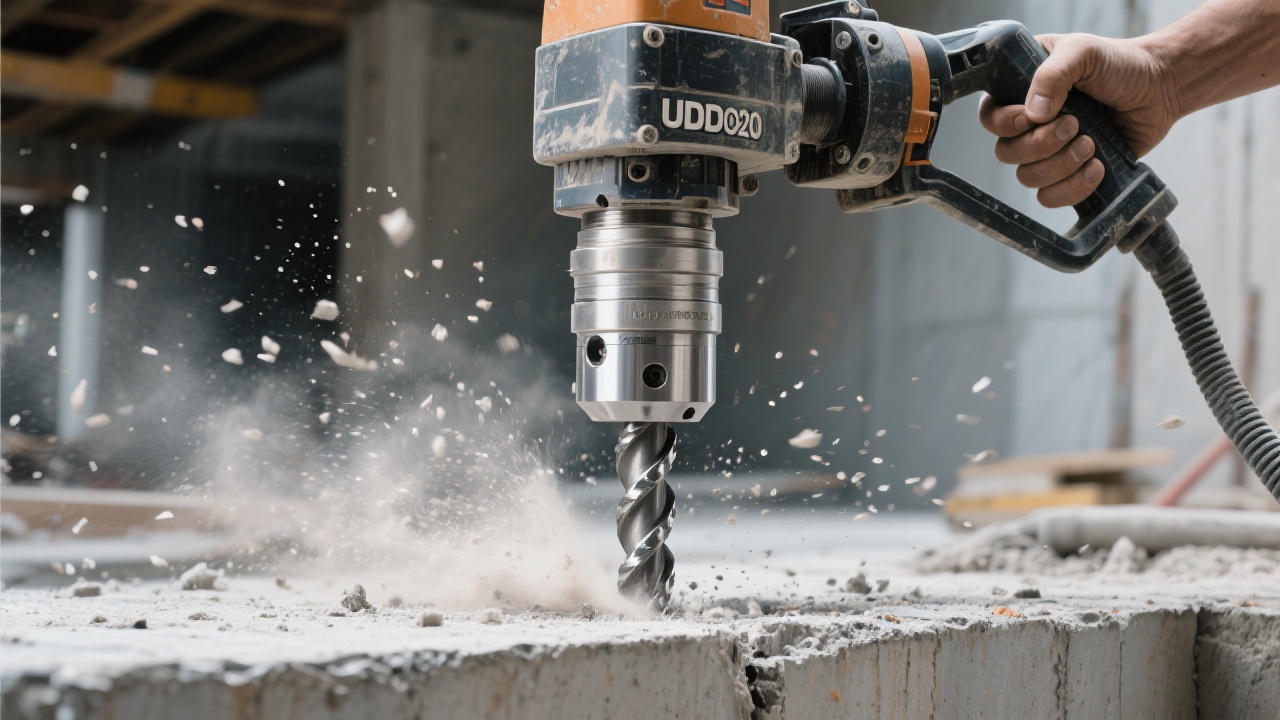
Another challenge is the oxidation of the substrate and diamond particles during the heating process. By strictly controlling the vacuum degree in the brazing chamber, the oxidation problem can be effectively reduced. Industry standards require that the vacuum degree should be maintained at 10⁻³ - 10⁻⁴ Pa to ensure the quality of the brazing process.
The application of vacuum brazing technology in diamond drill manufacturing brings significant practical benefits. Firstly, it greatly improves the wear resistance of the drill. Tests show that diamond drills manufactured using vacuum brazing technology can have a service life that is 2 - 3 times longer than those made by traditional methods.
Secondly, it reduces the maintenance cost. With a longer service life, the frequency of drill replacement is reduced, which saves both time and cost for enterprises. In the mining and construction industries, where diamond drills are widely used, this technology can significantly improve production efficiency.
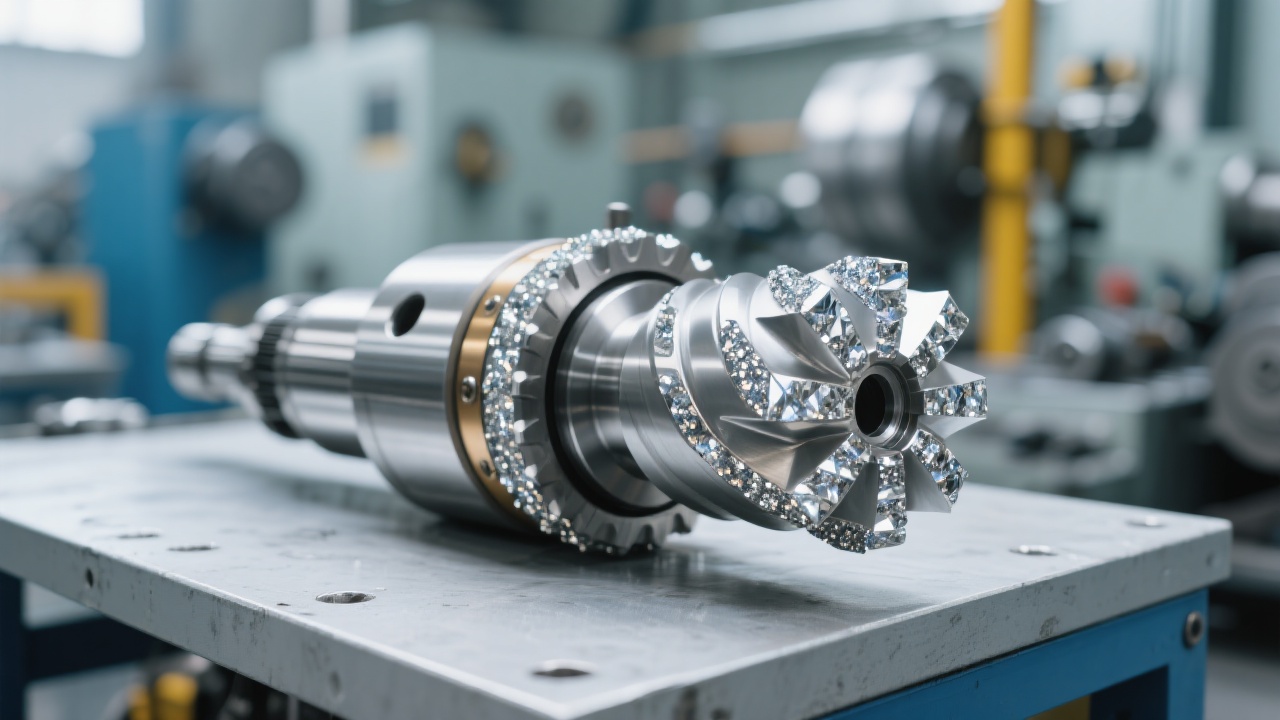
For example, in a large - scale mining project, the use of UHD diamond drills with vacuum brazing technology has increased the drilling efficiency by 30% and reduced the maintenance cost by 25%.
In conclusion, vacuum brazing technology plays a crucial role in enhancing the wear resistance of diamond drills. It offers a reliable solution for improving tool performance, extending service life, and reducing operating costs. If you are an engineer or a procurement decision - maker, and you want to learn more about UHD's advanced diamond drill technology and download our technical whitepapers, please click here.

.png?x-oss-process=image/resize,h_1000,m_lfit/format,webp)
.png?x-oss-process=image/resize,h_1000,m_lfit/format,webp)