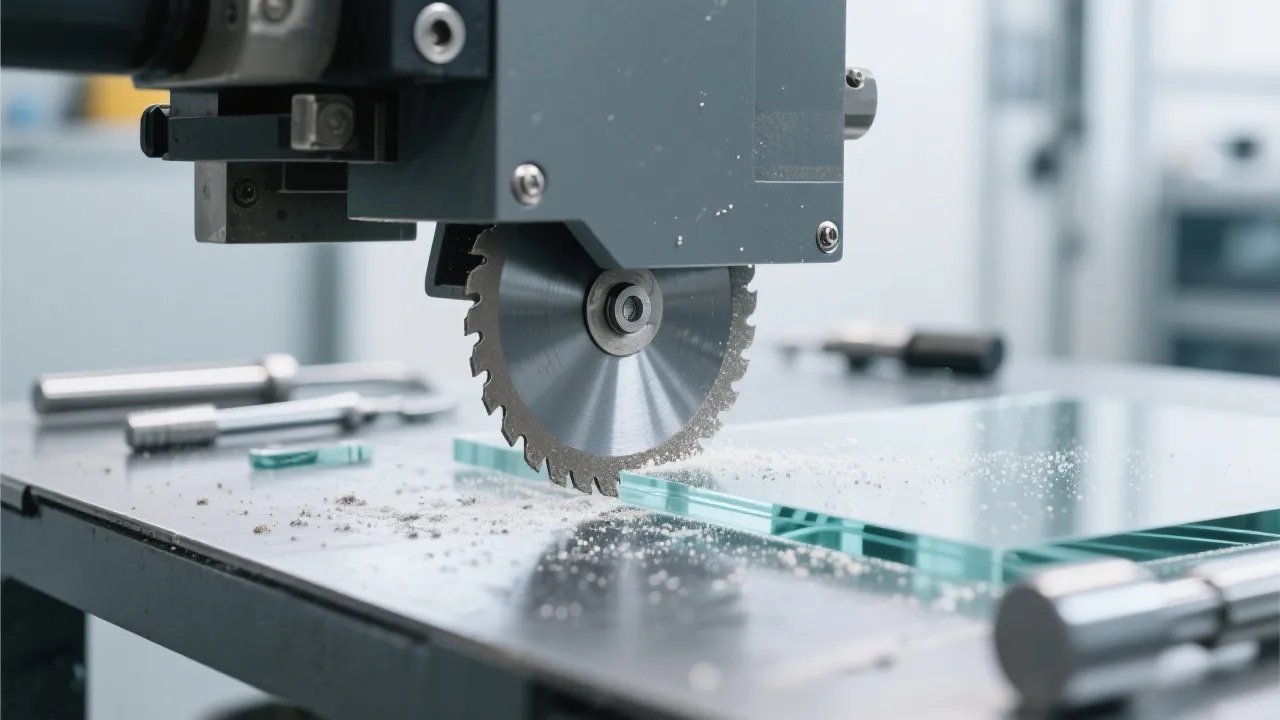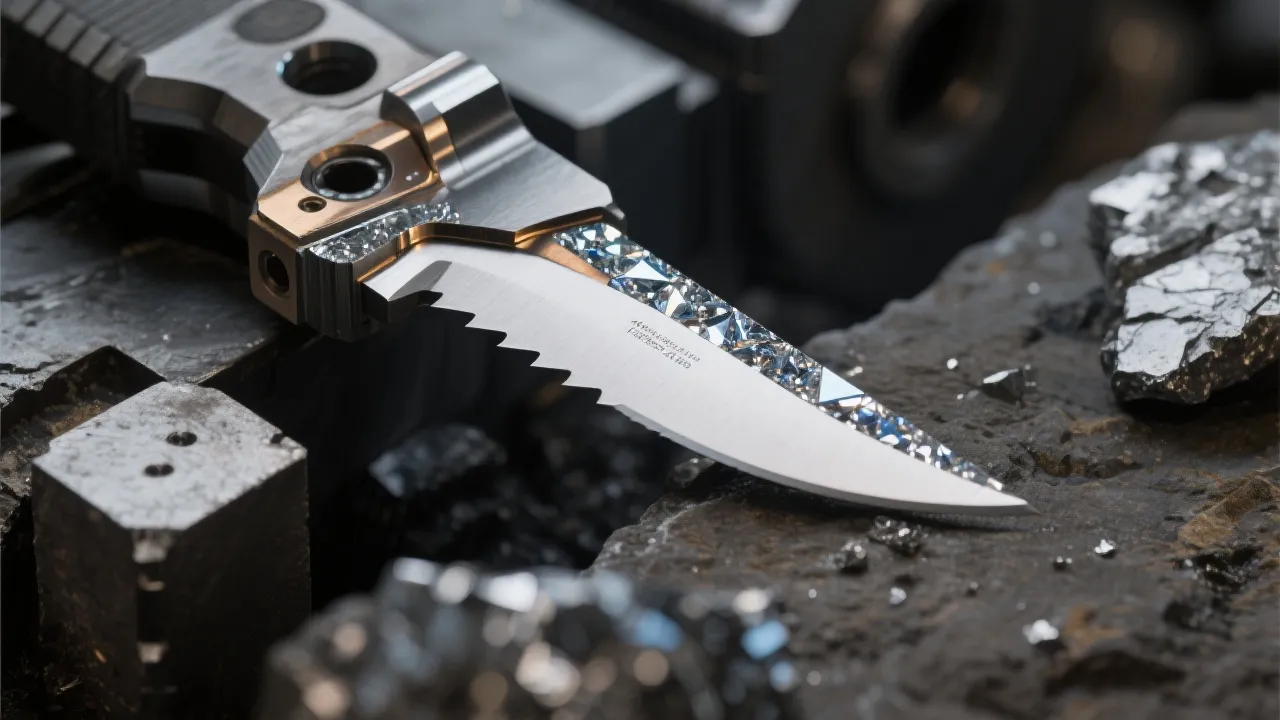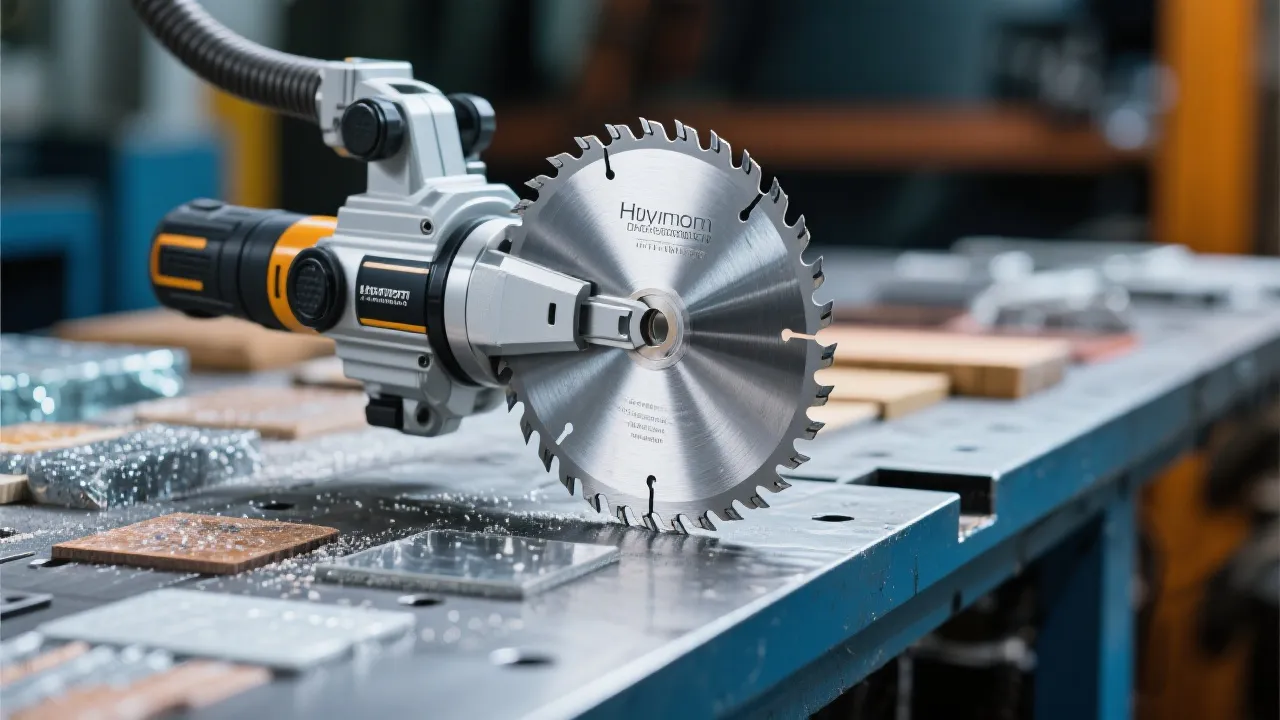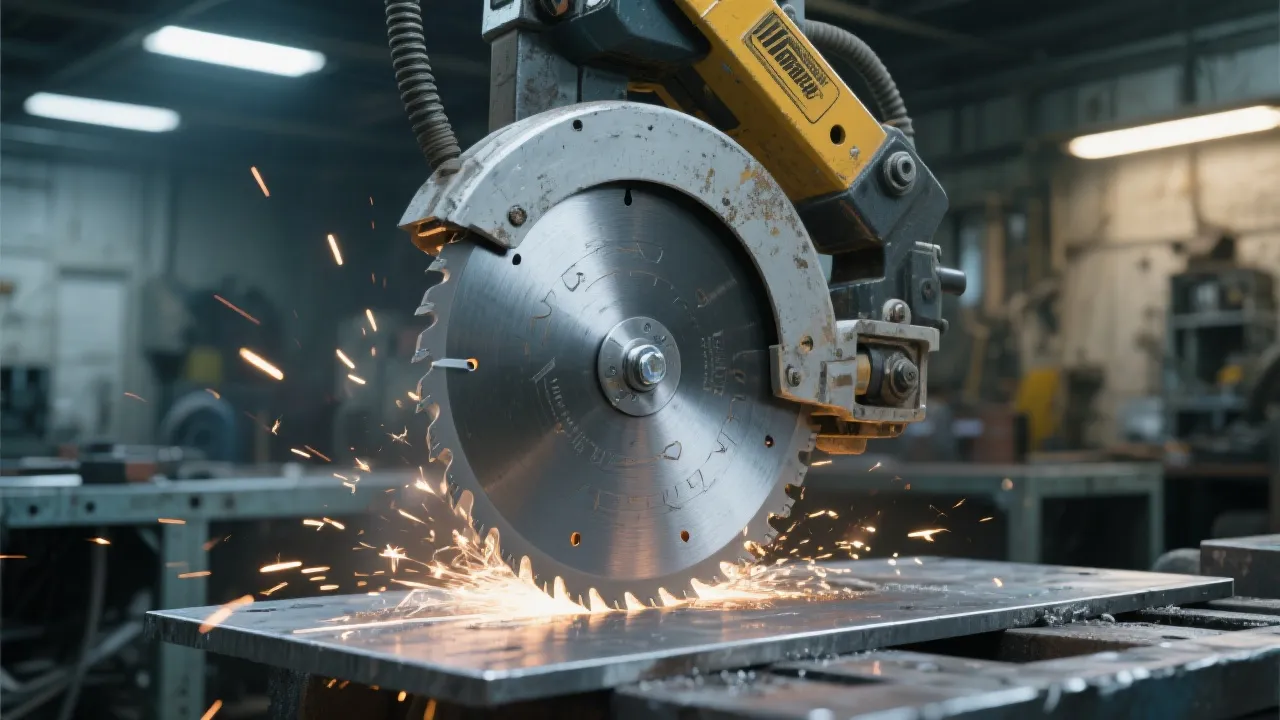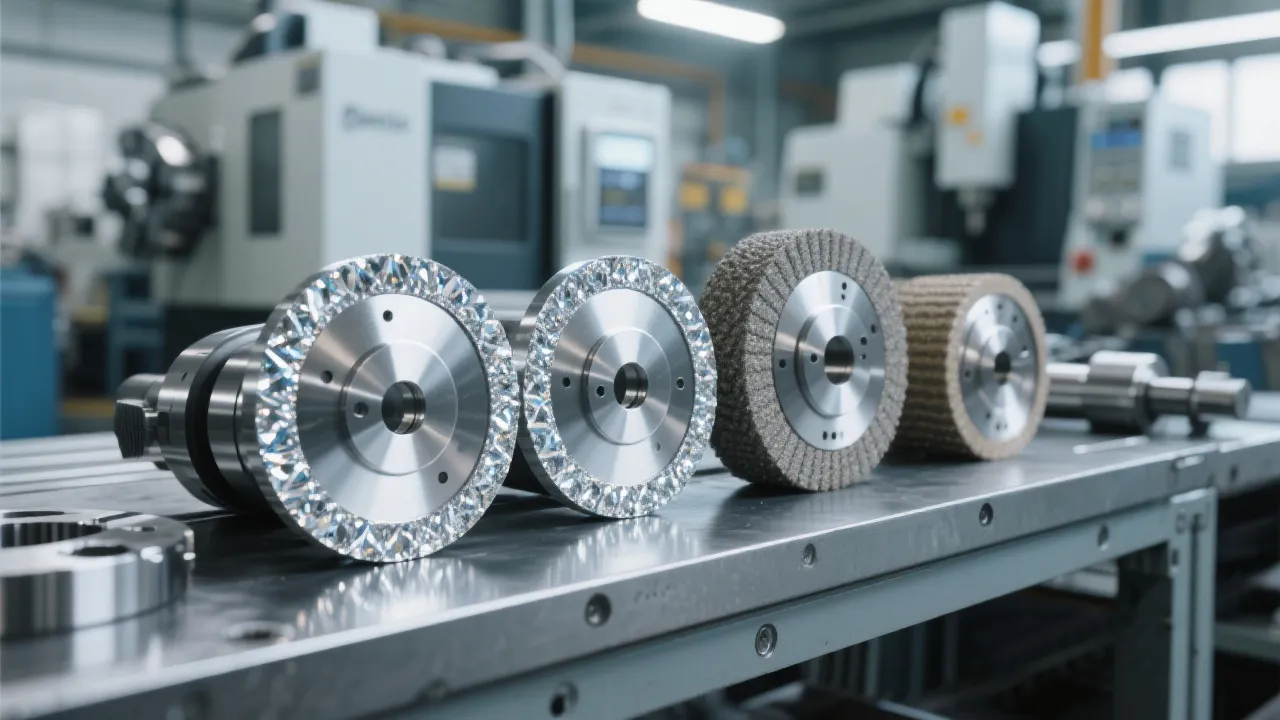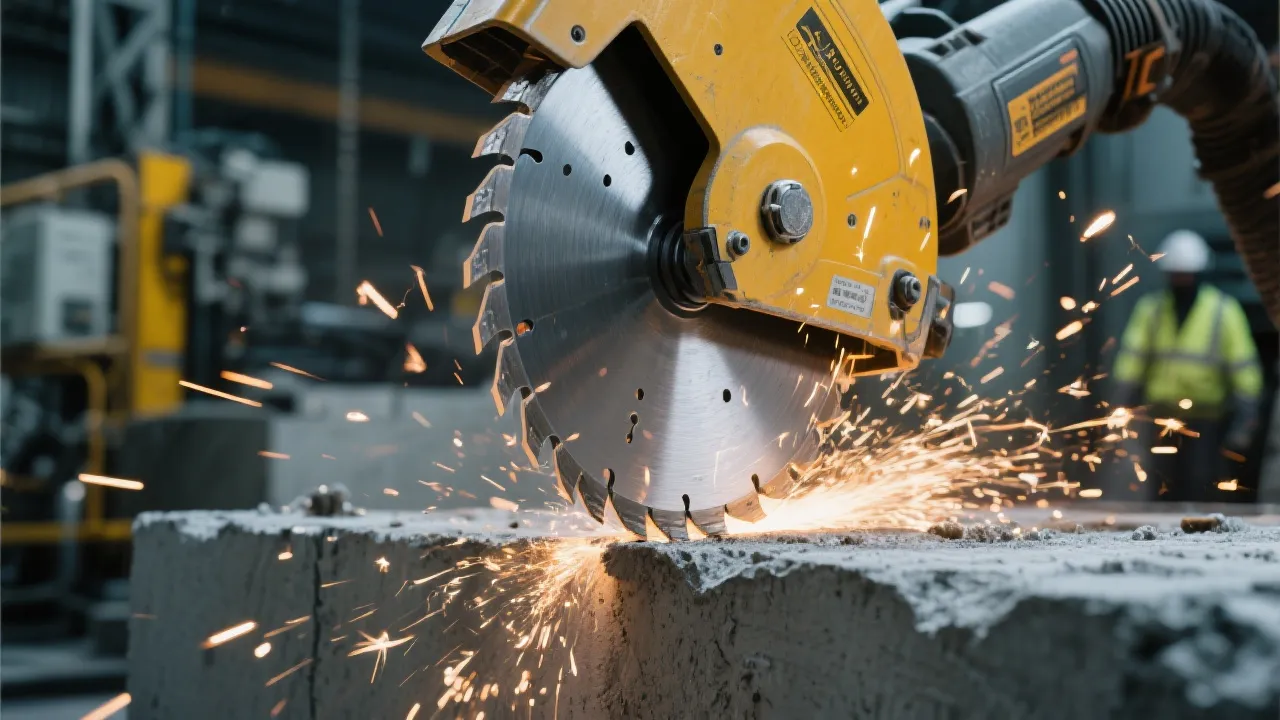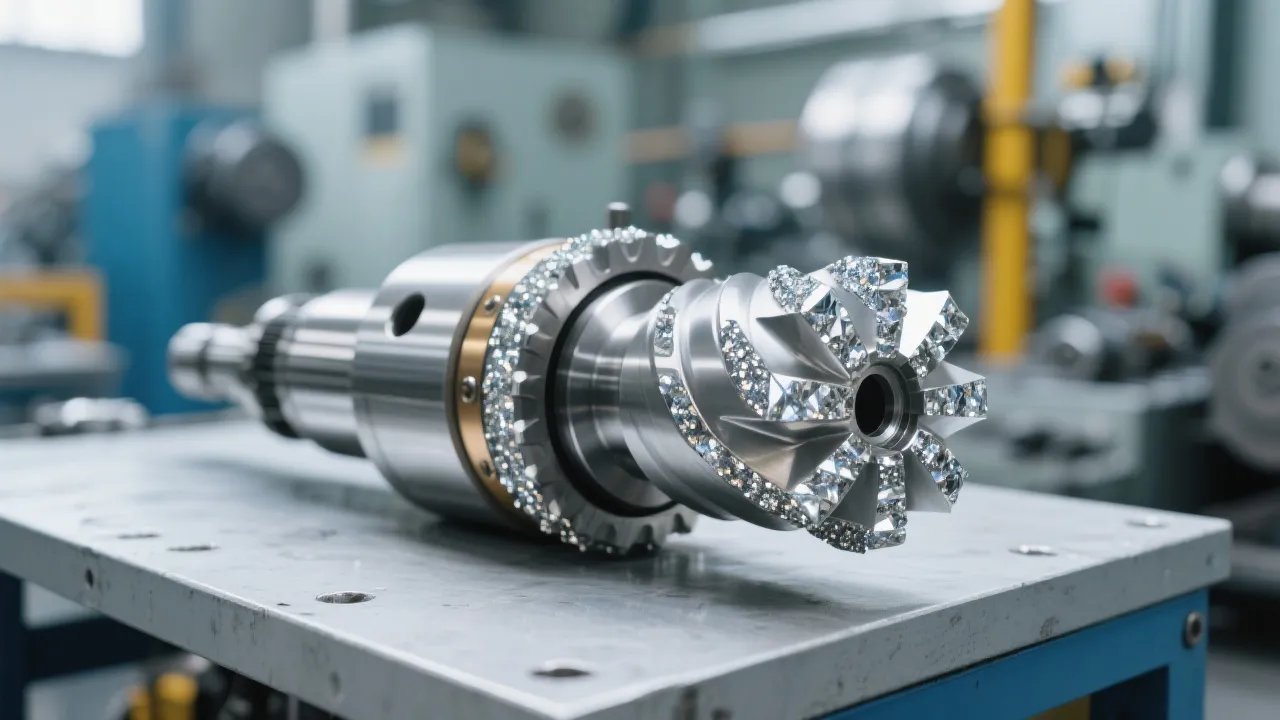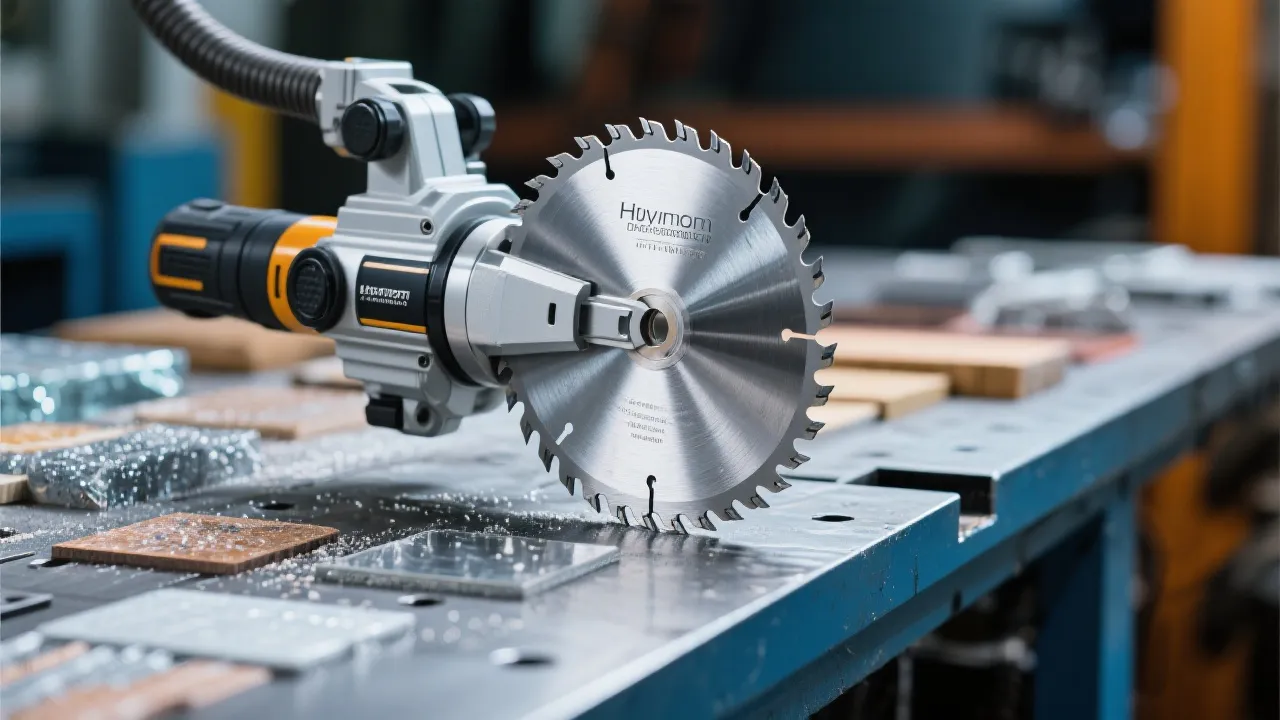
In the realm of industrial glass processing, the UHD brand's 400mm brazed diamond ultra-hard saw blades play a crucial role. However, to ensure optimal performance and cost - effectiveness, proper maintenance is essential. This guide aims to provide a detailed overview of the maintenance process, enabling businesses to manage saw blade lifespan scientifically.
Maintenance of ultra - hard saw blades is directly related to production costs and efficiency. Studies show that well - maintained saw blades can reduce production costs by up to 30% and increase production efficiency by 20%. By implementing a proper maintenance routine, companies can avoid unplanned downtime, which can lead to significant losses in productivity.
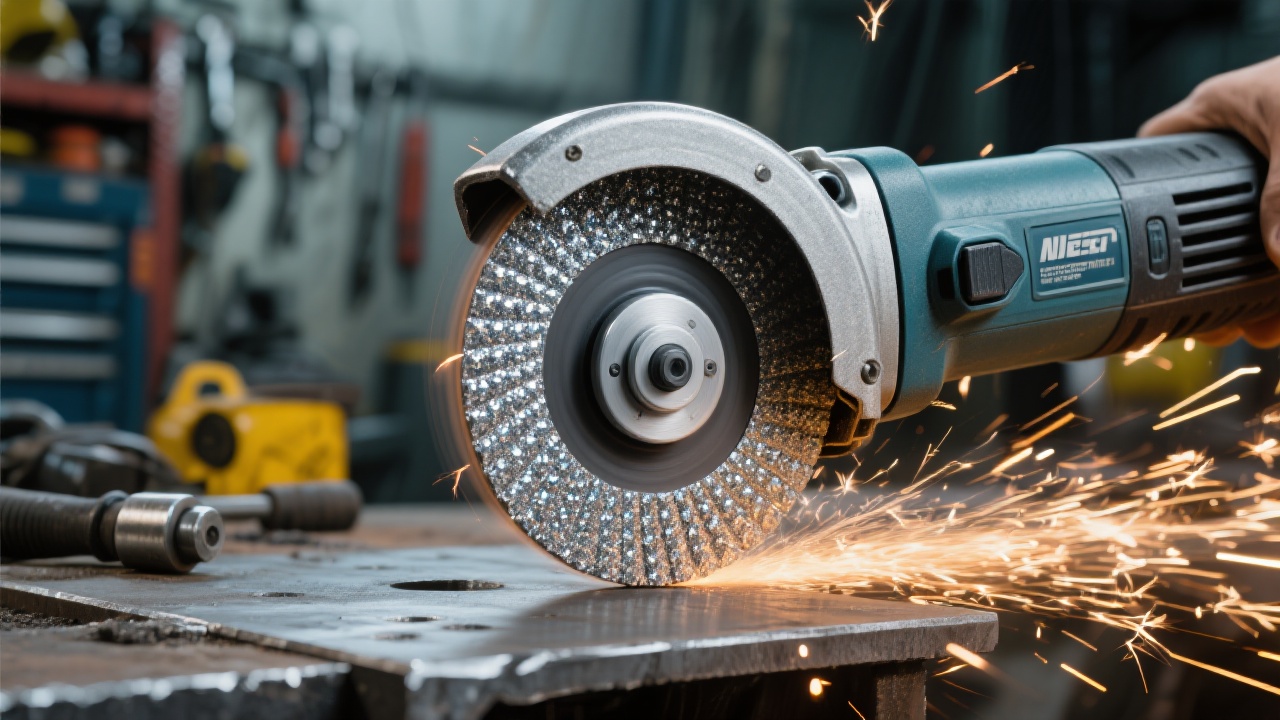
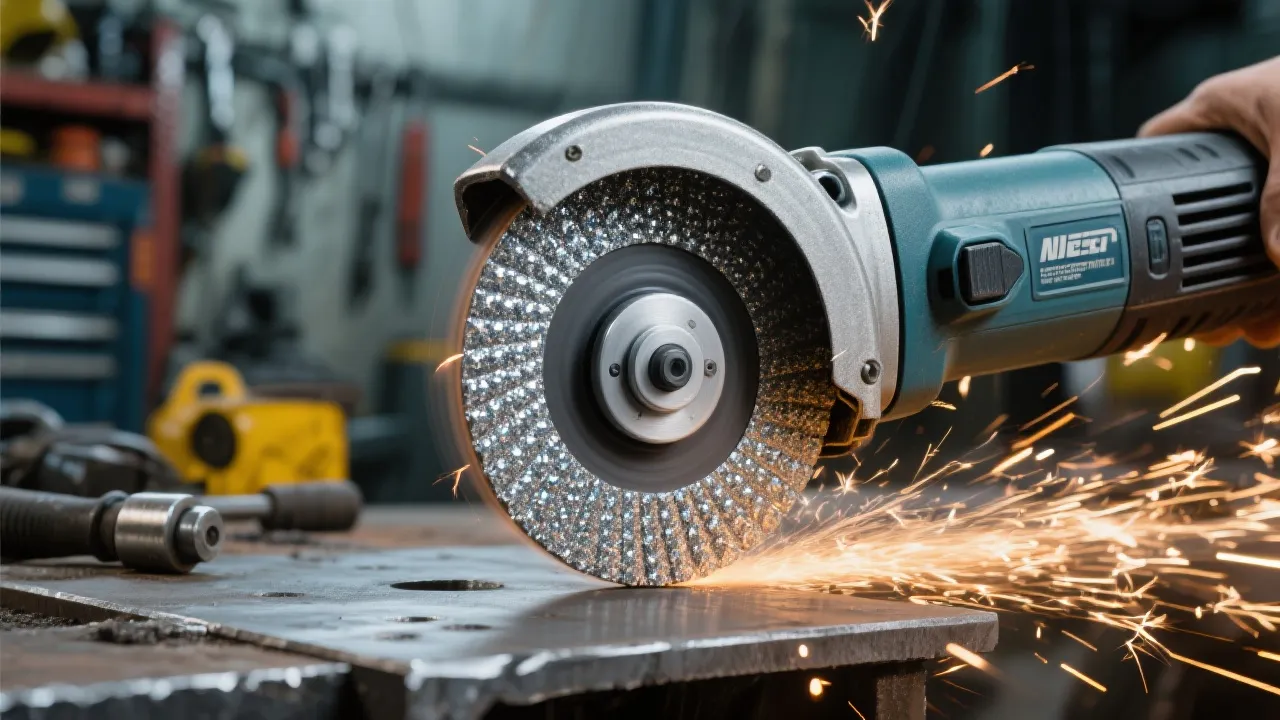
1. Cleaning and Maintenance: Regular cleaning is the first step in saw blade maintenance. After each use, the saw blade should be cleaned with a suitable cleaning agent to remove debris and residues. This helps prevent corrosion and ensures smooth operation. For example, a weekly cleaning routine can significantly extend the saw blade's lifespan.
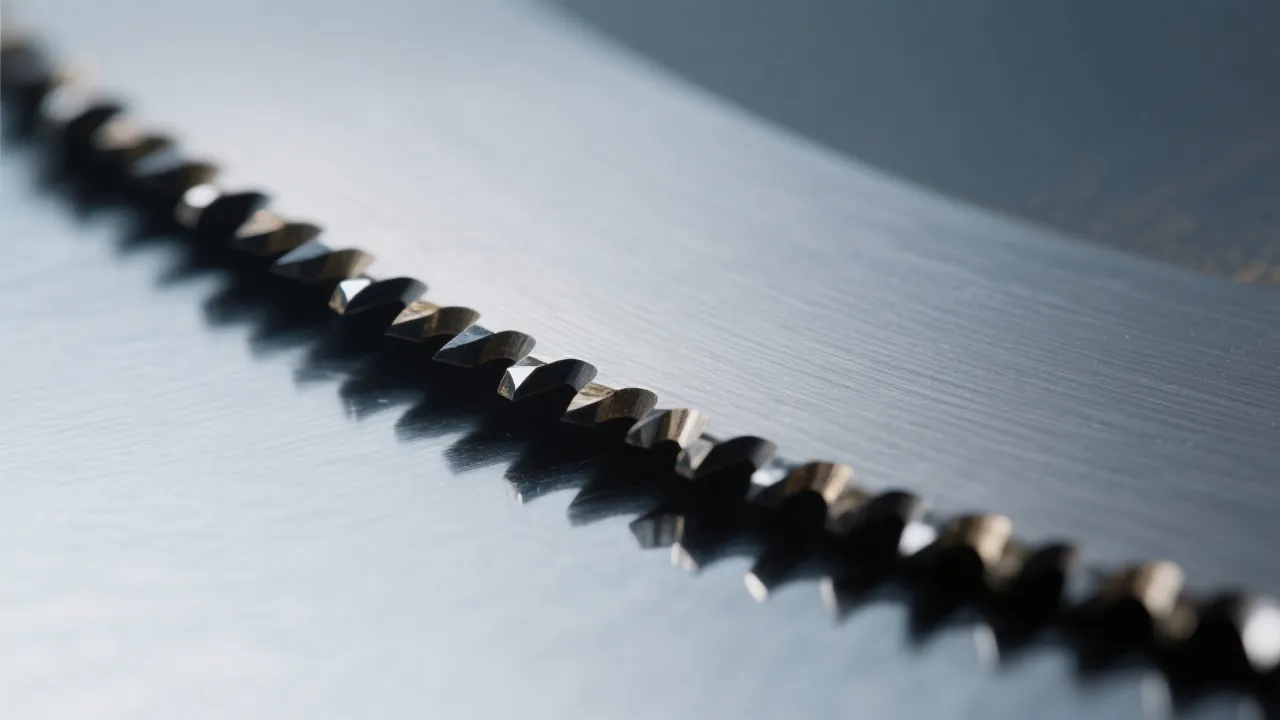
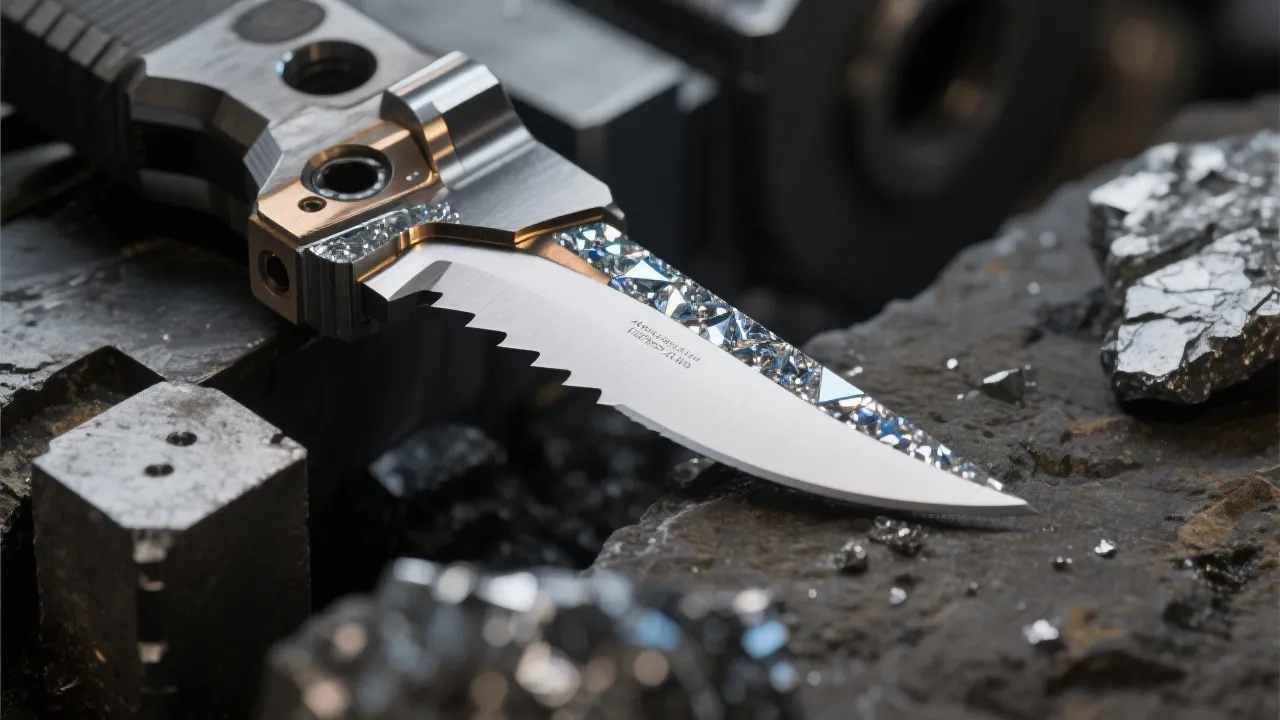
2. Cutting Edge Inspection: The cutting edge of the saw blade is critical for its performance. Regular inspections can detect signs of wear and tear early. If the cutting edge is damaged, it should be repaired or replaced promptly. This can prevent further damage to the saw blade and ensure consistent cutting quality.
3. Thermal Stress Release: During the cutting process, the saw blade generates a significant amount of heat, which can cause thermal stress. To release this stress, the saw blade should be allowed to cool down naturally after use. Additionally, heat treatment can be applied periodically to relieve internal stress and improve the saw blade's durability.
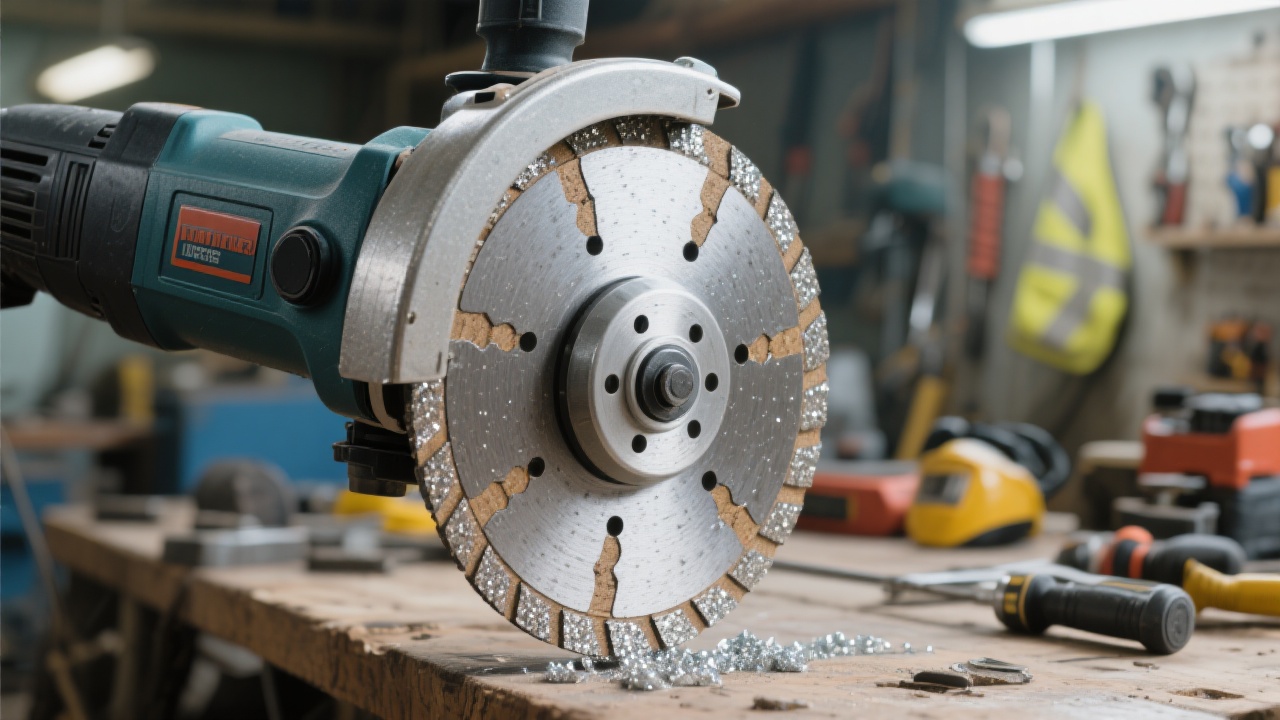
A predictive maintenance model based on usage time and cutting volume can help businesses plan production more accurately. By analyzing historical data, companies can predict when a saw blade needs maintenance or replacement. This proactive approach can reduce maintenance costs and improve production efficiency. For instance, if a saw blade has a cutting volume of 1000 square meters after 50 hours of use, the model can predict when it will reach its wear limit.
Different working conditions have a significant impact on the lifespan of saw blades. For example, in a high - temperature and high - humidity environment, the saw blade is more prone to corrosion. By analyzing typical working conditions and industry cases, we can summarize the laws of saw blade lifespan changes and identify influencing factors. This knowledge can help businesses adjust their maintenance strategies accordingly.
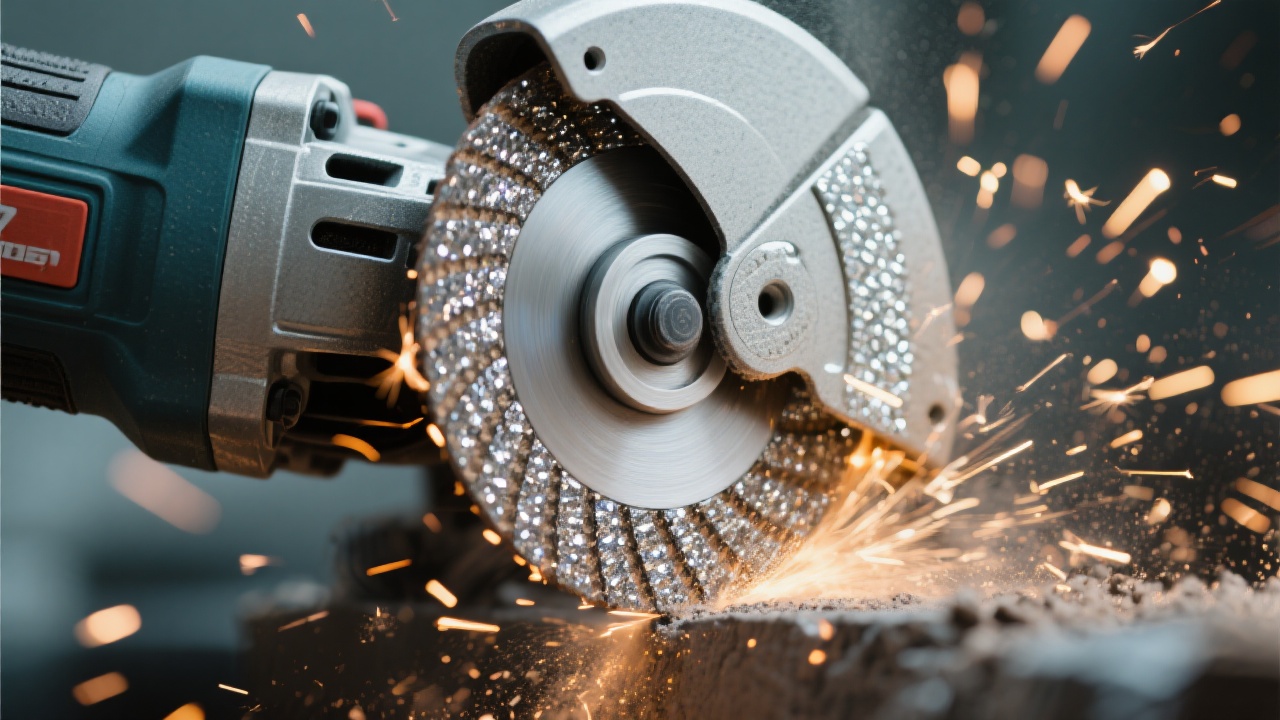
A standardized inspection checklist is an effective tool for establishing a regular maintenance process. It includes items such as cleaning, cutting edge inspection, and thermal stress release. By following this checklist, companies can ensure that all maintenance steps are carried out consistently. This not only improves the saw blade's lifespan but also enhances overall production efficiency.
In conclusion, scientific maintenance of ultra - hard saw blades is crucial for cost - saving and production efficiency improvement. By implementing the strategies outlined in this guide, businesses can achieve lean saw blade management. Don't miss out on this opportunity to optimize your production process. Download our practical standardized inspection checklist now to take the first step towards lean production.


.png?x-oss-process=image/resize,h_1000,m_lfit/format,webp)