Heavy-Duty Stone and Concrete Cutting Blade Selection Guide: Matching Diamond Segment Geometry to Material Hardness

30 01,2026
UHD
Tutorial Guide
Struggling with blade selection for stone or concrete cutting? Stop guessing—this guide shows you how to match diamond blade geometry (trapezoidal, rectangular, wavy) and grit size (30–50 mesh) to material hardness and equipment type (circular saw vs. wire saw). Backed by real-world data showing 40% reduction in downtime, learn how to optimize blade life, reduce operational costs, and boost productivity. Ideal for plant managers and technicians seeking actionable steps to improve cutting efficiency and cost control.
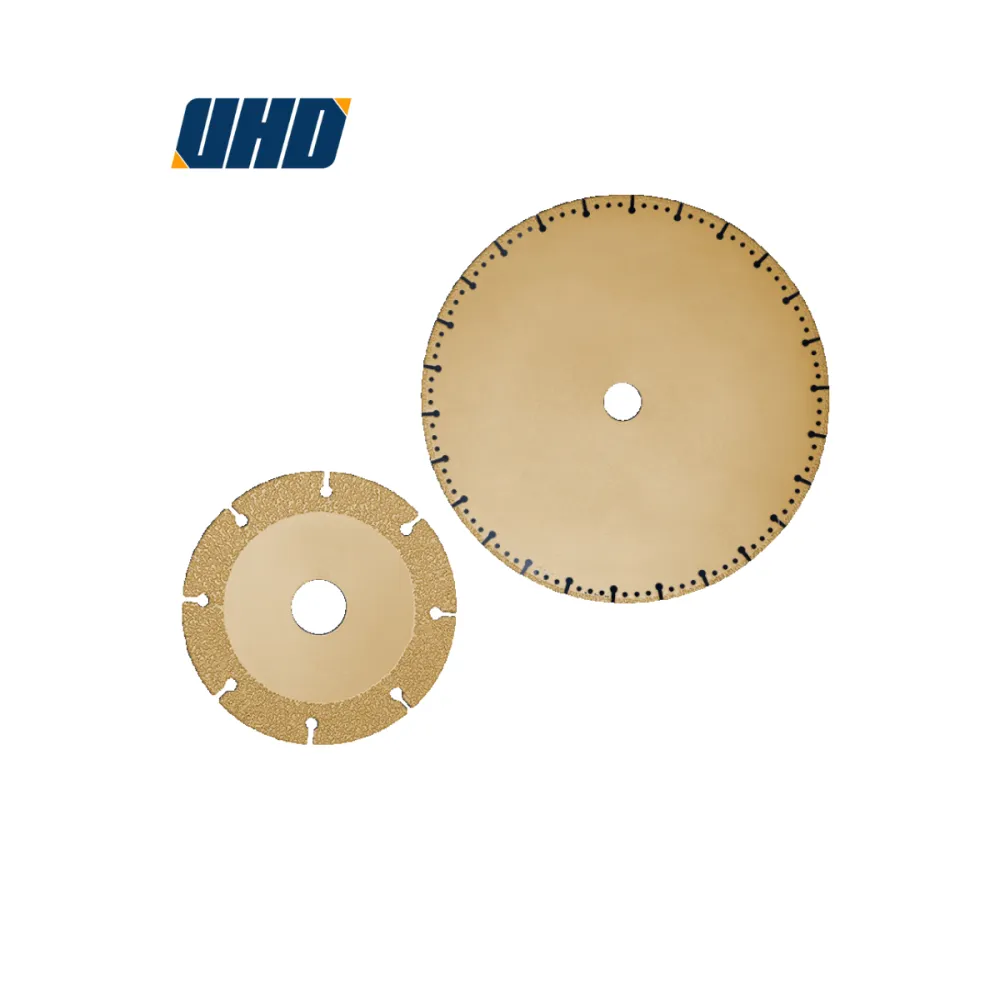
Comparison chart showing trapezoidal, rectangular, and wavy blade edges used in different stone types

How to Choose the Right Heavy-Duty Stone & Concrete Cutting Blades — Match Hardness, Shape & Grain for Maximum Efficiency

You're not alone if you've wasted time and money on wrong blade choices. Whether you're cutting granite or concrete in construction, quarrying, or demolition projects, selecting the right diamond blade isn't guesswork—it’s science.

Step 1: Know Your Material Hardness

Granite (Mohs hardness ~6–7) requires a harder, more durable blade than standard concrete (~3–5). Using a soft blade on granite causes rapid wear—leading to up to 40% more downtime per shift. Conversely, using a hard blade on soft concrete leads to inefficient cutting and unnecessary heat buildup.

Step 2: Match Blade Edge Type to Application

Not all edges are created equal:

  • Trapezoidal edge: Best for abrasive materials like concrete — provides consistent chip removal and reduces vibration.
  • Rectangular edge: Ideal for high-speed sawing on medium-hard stones — offers sharp cutting with minimal friction.
  • Wavy edge: Perfect for rough surfaces such as rebar-laden concrete — prevents clogging and maintains stability under load.
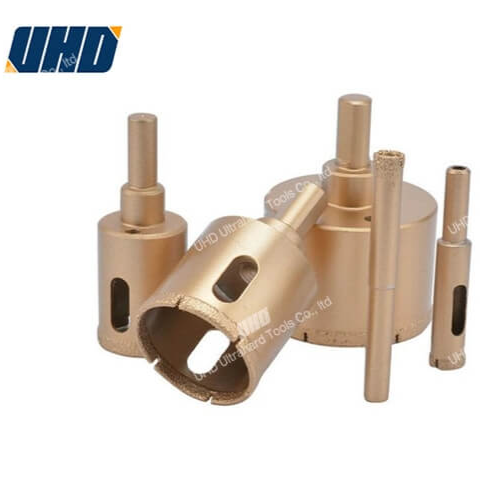
vacuum-brazed-diamond-bits-1.jpg

Step 3: Select Grain Size Based on Cutting Speed & Surface Finish

Grain size matters:

  • 30–40 mesh: For coarse cuts and fast material removal — ideal for demolition or rough shaping.
  • 40–50 mesh: Balanced performance — suitable for general-purpose cutting where finish quality is important.

One real-world case study from a Middle Eastern infrastructure project showed that switching from 30-mesh to 45-mesh blades reduced blade replacement frequency by 35%, while maintaining throughput.

Step 4: Equipment Matters — Circular Saw vs Rope Saw

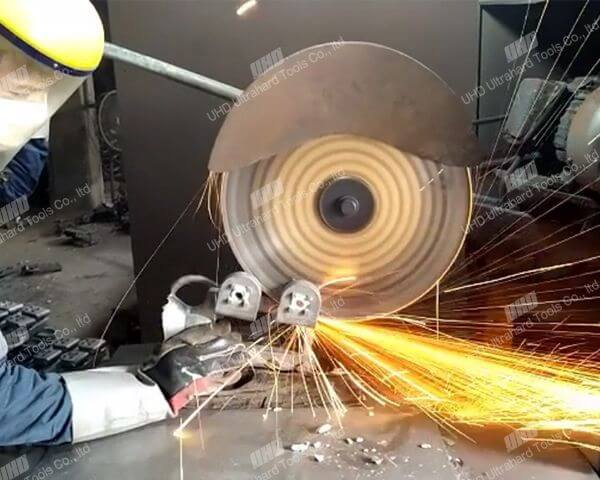
Circle saws demand precise edge geometry due to higher RPMs and localized stress. Rope saws, however, tolerate wider tolerances because they distribute force over longer contact areas. Ignoring this can result in premature blade failure—even with identical materials.
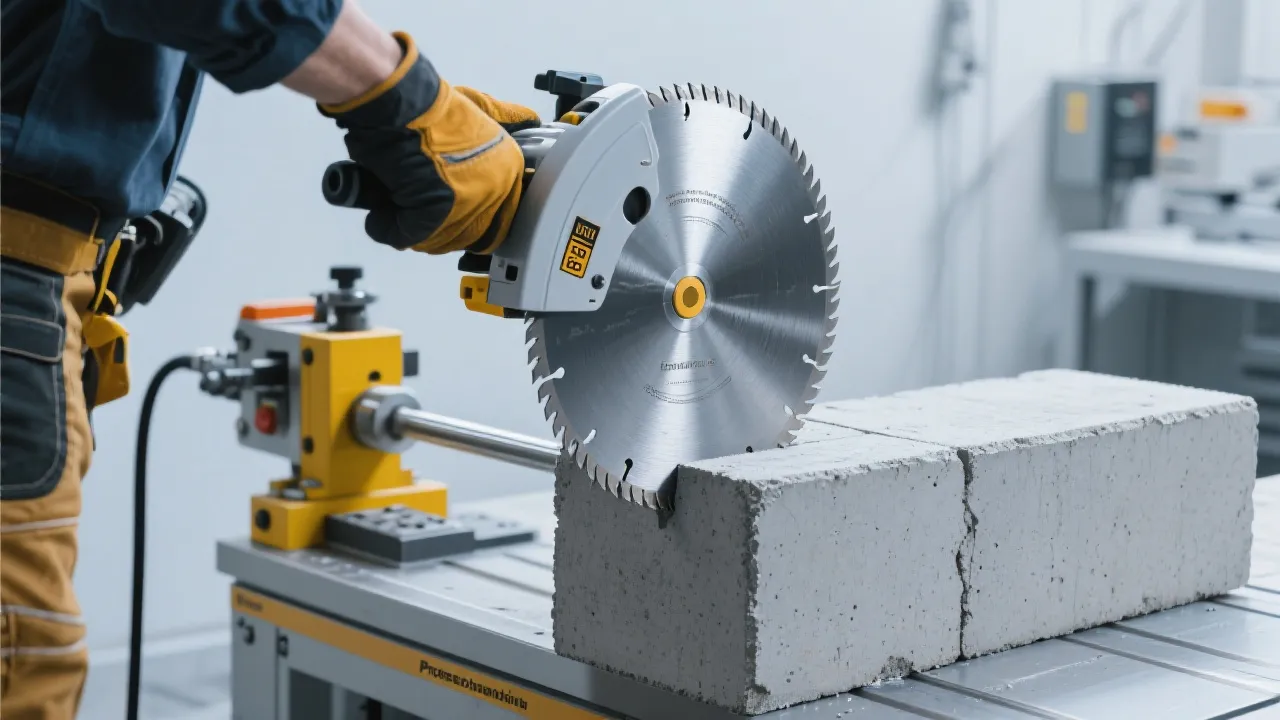
Diamond-saw-blade-2

Common Mistakes That Waste Money

Why does the same blade last 3 days on one machine but only 12 hours on another? It’s often about cooling, pressure distribution, and operator technique—not just blade quality. Many overlook coolant flow rates or improper feed speed, which accelerate wear by up to 50%.

That’s why we offer UHD Custom Blade Services — tailored to your exact material, equipment specs, and job conditions. Precision matching = lower total cost of ownership.

Monthly Question: What’s your biggest challenge when choosing cutting blades?

We’re collecting real-world pain points to help refine our guides — share yours in the comments below. Let’s solve problems together.

Ready to reduce downtime and boost productivity?

Get Your Free Blade Selection Guide + 30-Day Trial
Name *
Email *
Message*

Recommended Products

Popular articles
Recommended Reading

Related Reading

Contact us
Contact us
https://shmuker.oss-accelerate.aliyuncs.com/tmp/temporary/60ec5bd7f8d5a86c84ef79f2/60ec5bdcf8d5a86c84ef7a9a/thumb-prev.png