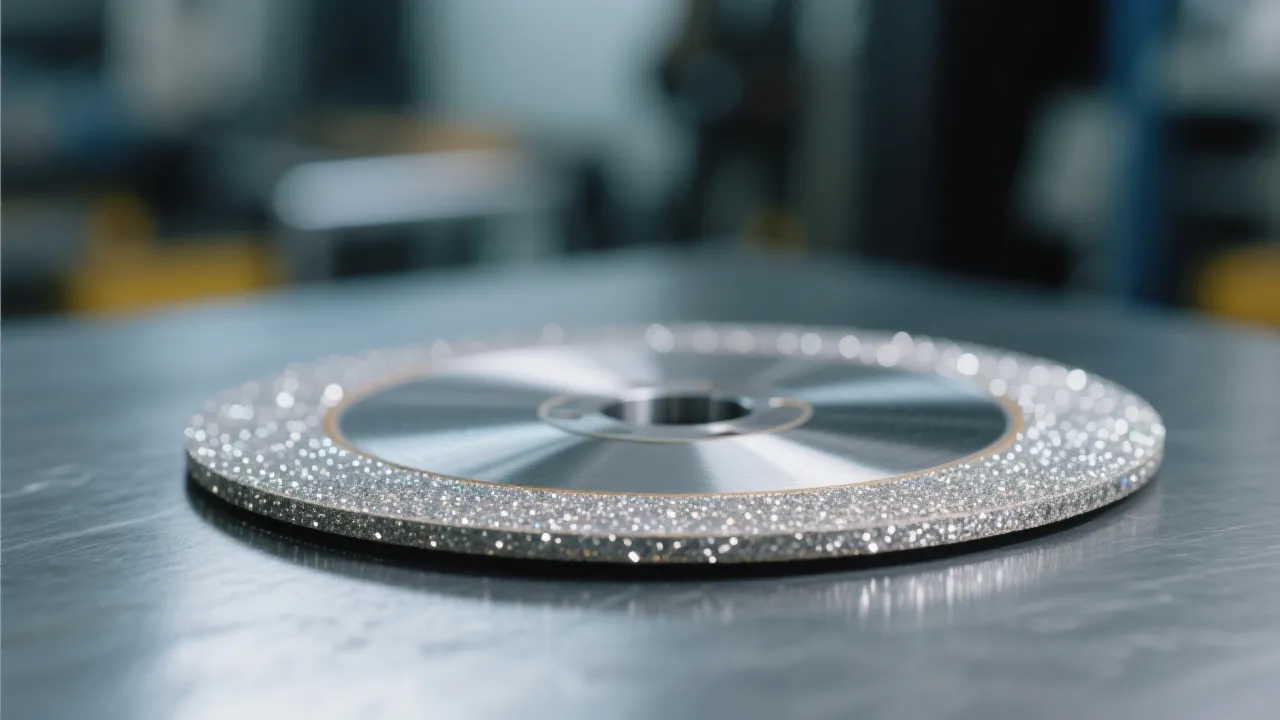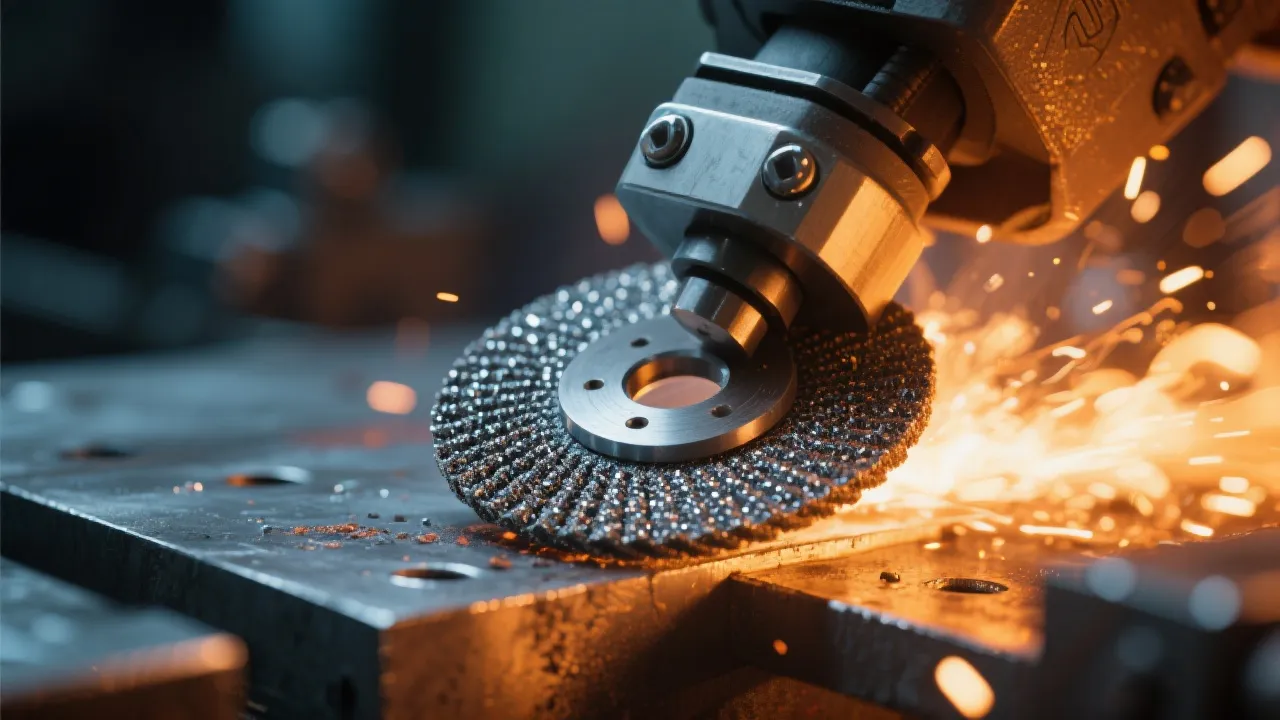
Not all downtime is worth waiting for—identifying wear in advance is the key!
Industrial cutting downtime is a critical factor affecting production efficiency and cost control. In the manufacturing industry, it's estimated that unplanned downtime can cost a company up to $260,000 per hour. This significant loss is not only due to the halt in production but also includes additional costs such as maintenance, lost orders, and potential damage to the brand's reputation.
Let's take a look at a comparison table of different maintenance approaches and their effects:
| Maintenance Approach | Downtime Frequency | Cost | Effectiveness |
|---|---|---|---|
| Reactive Maintenance | High | High | Low |
| Preventive Maintenance | Low | Moderate | High |
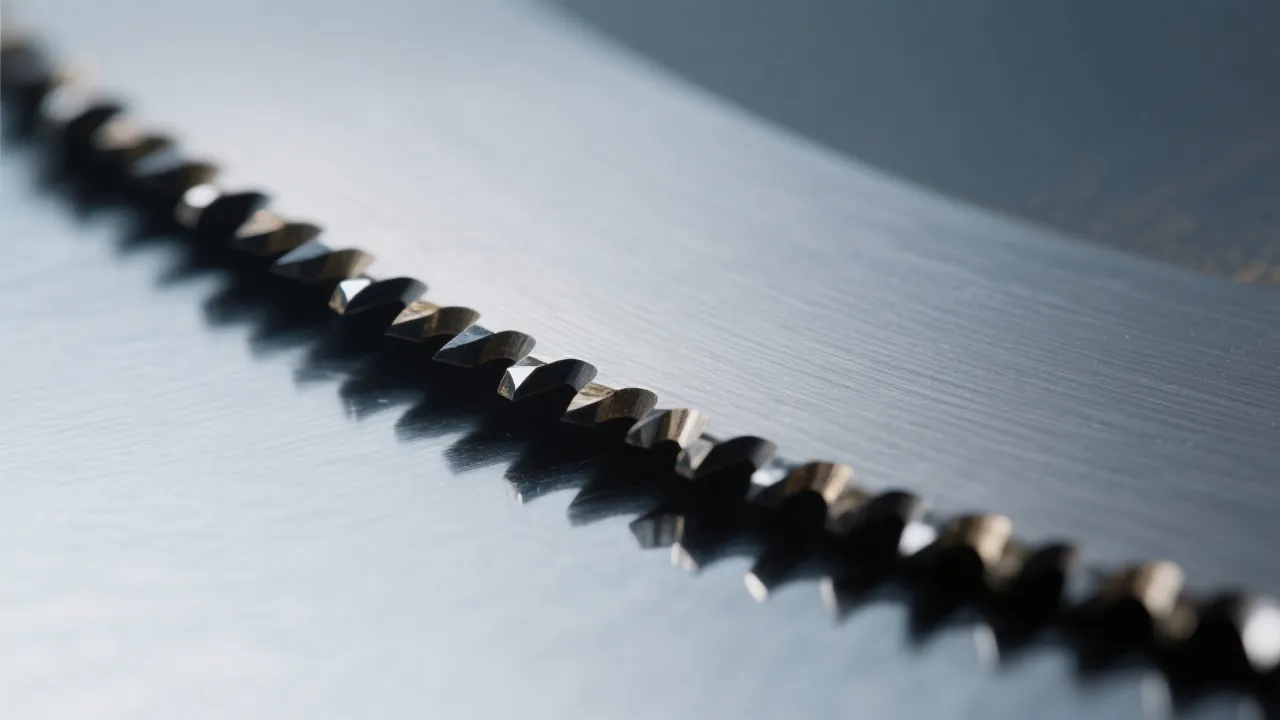
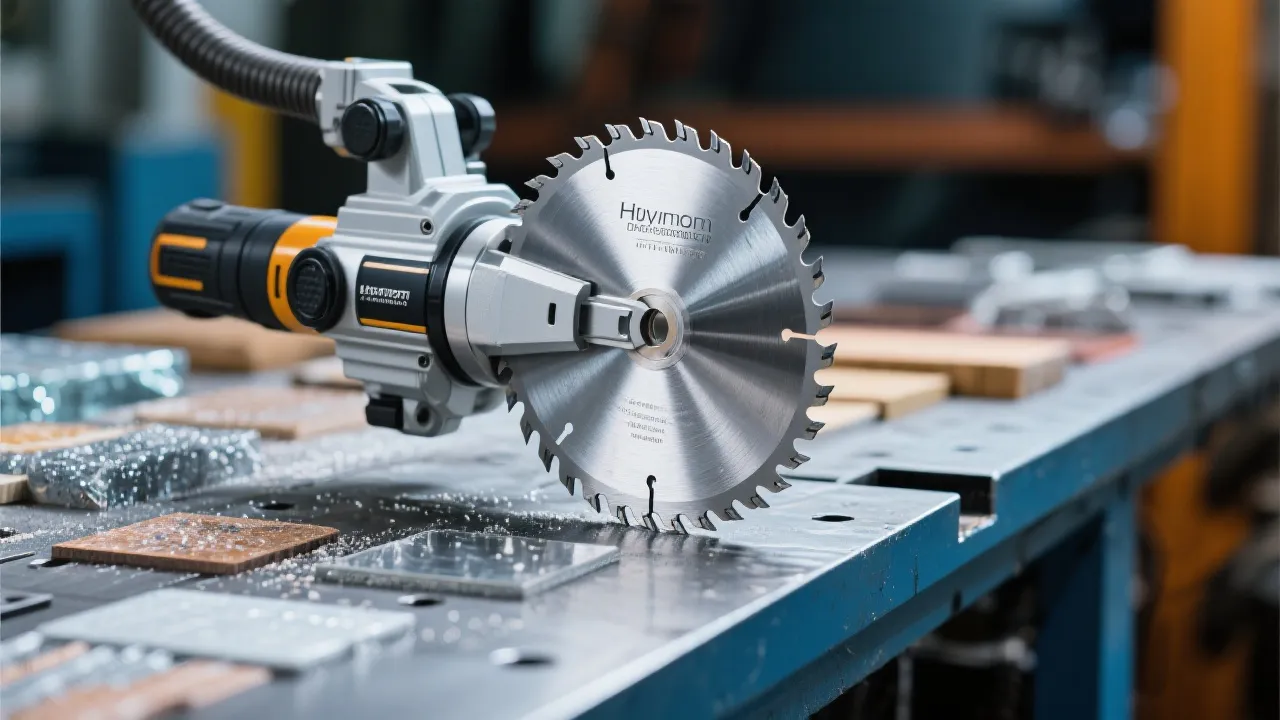
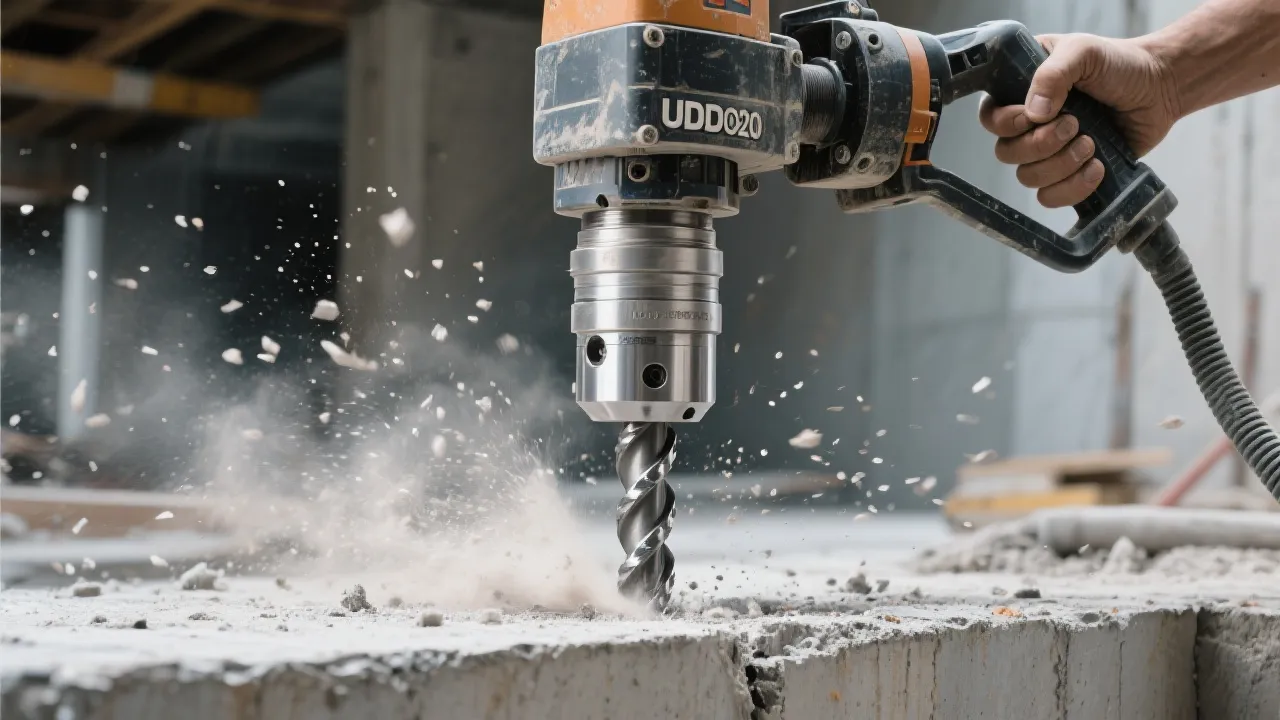
There are several common causes of industrial cutting downtime. One of the primary reasons is tool wear. As cutting tools are used, they gradually wear down, which can lead to poor cutting quality and eventually cause the machine to stop. Another cause is improper cutting parameters. Incorrect speed, feed rate, or depth of cut can put excessive stress on the tool and the machine, resulting in premature failure. Additionally, the lack of real - time monitoring means that potential issues may go unnoticed until it's too late.
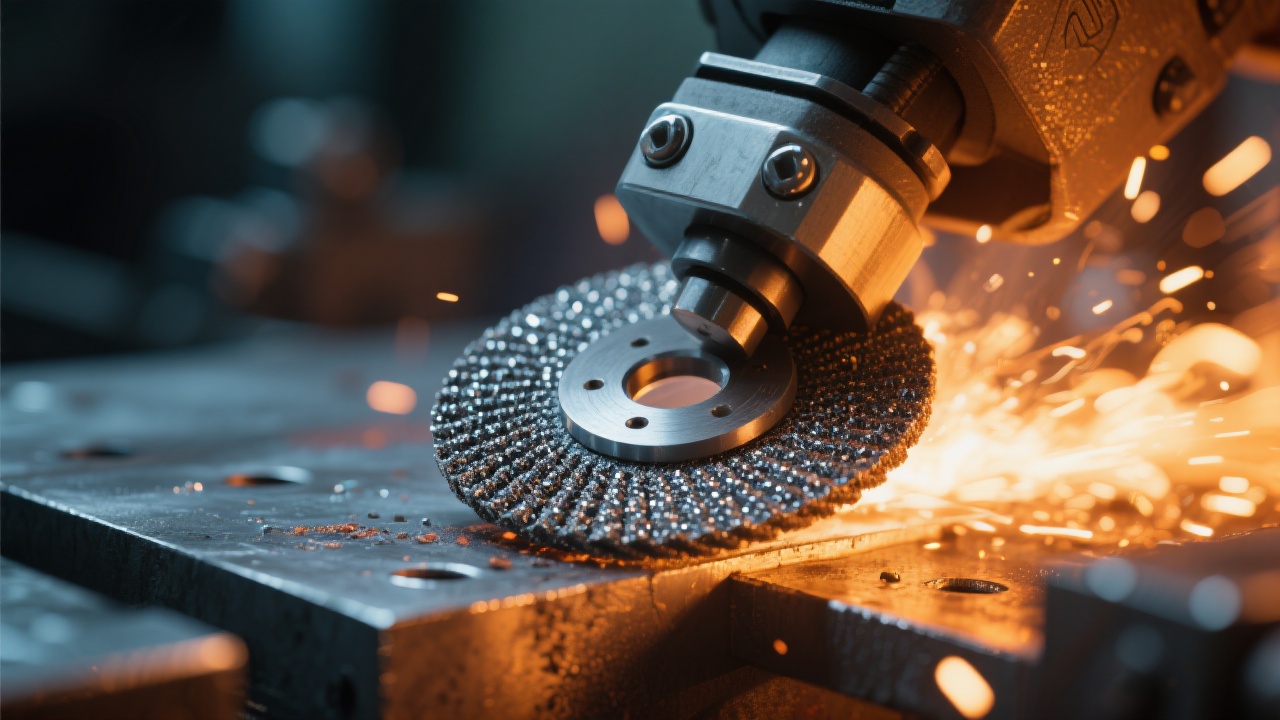
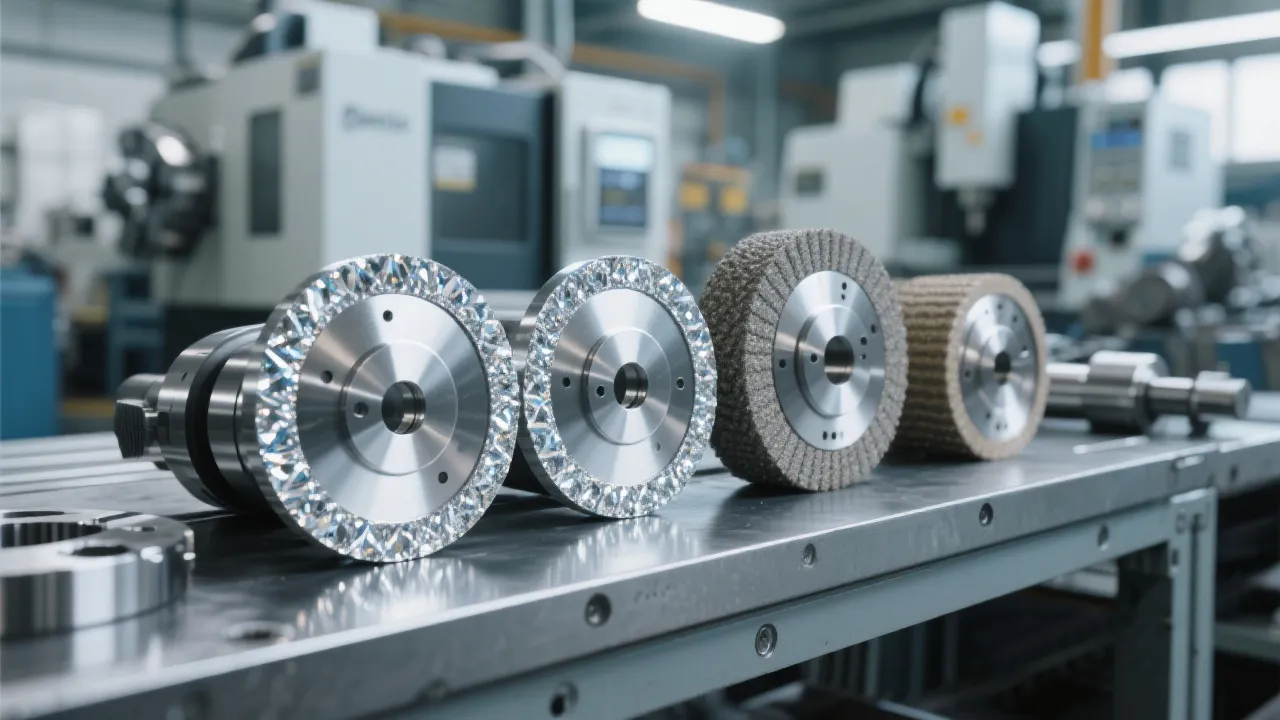
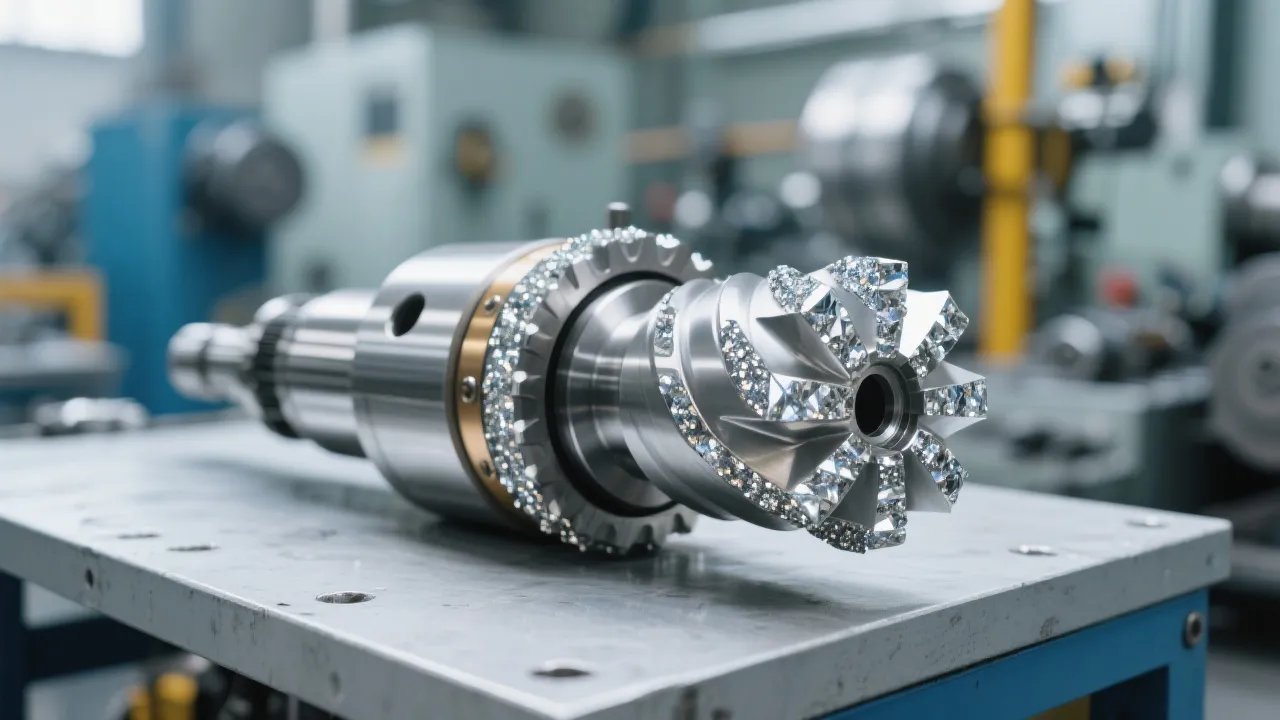
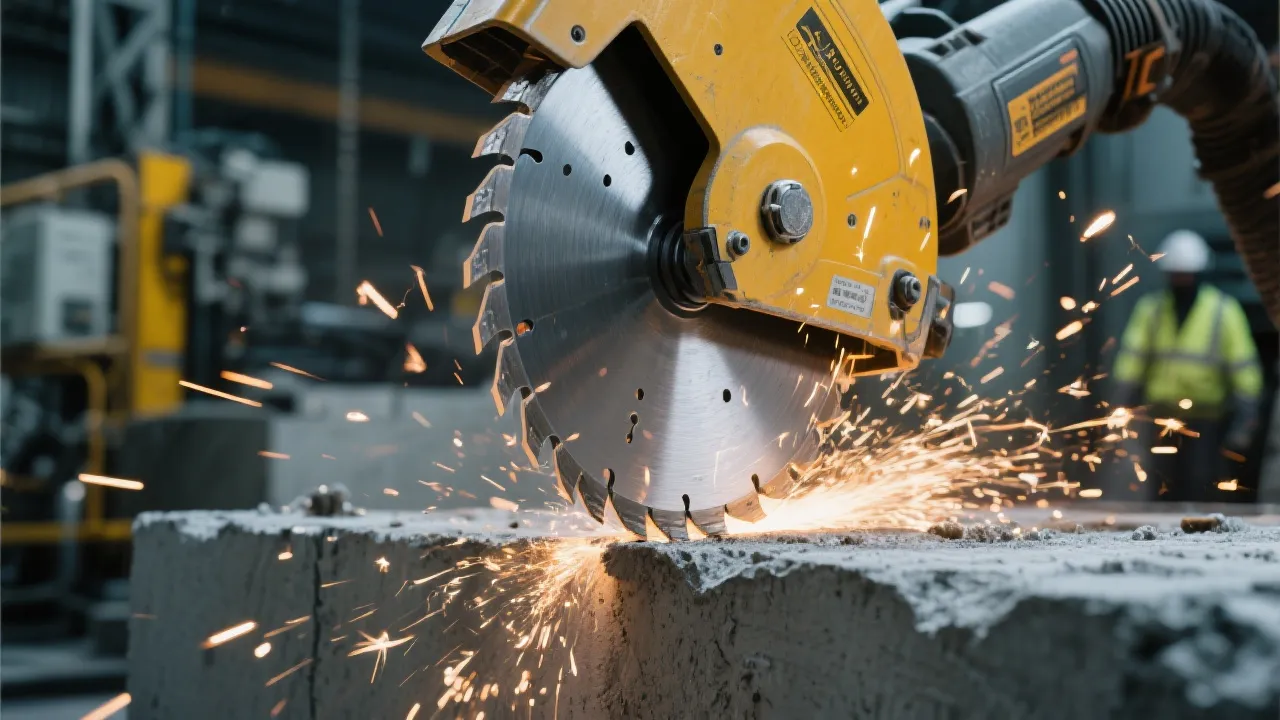
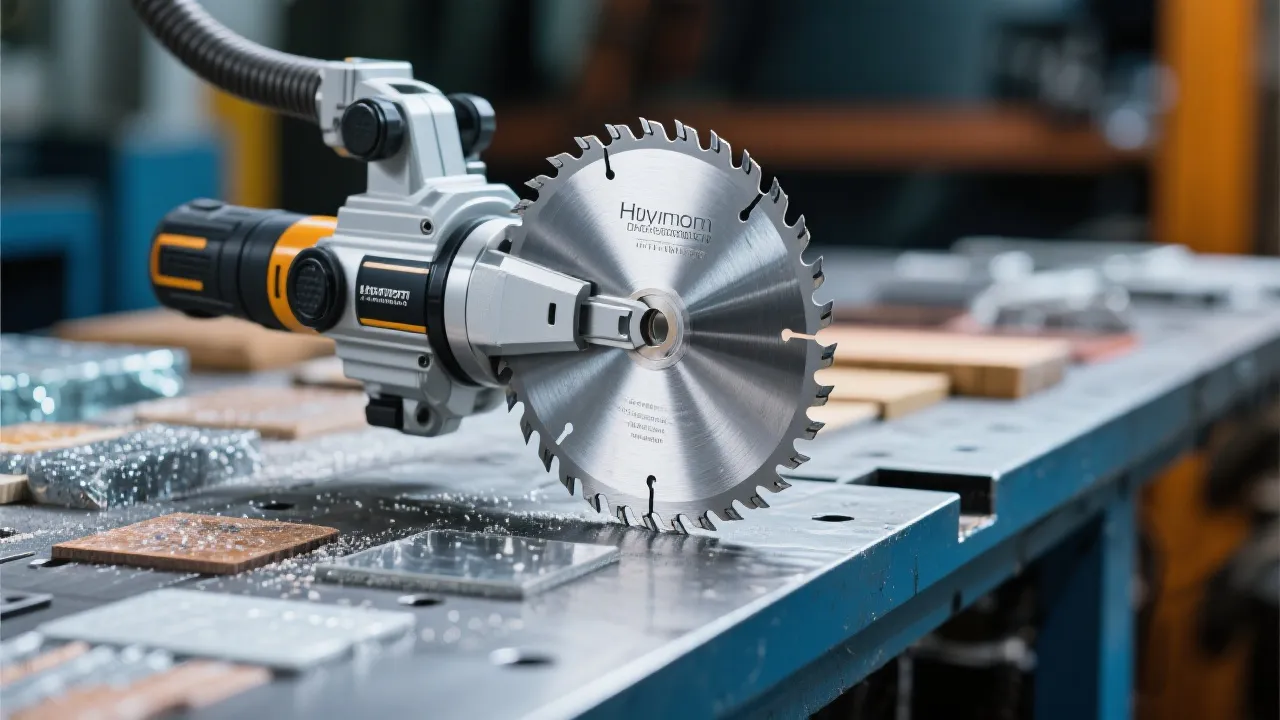
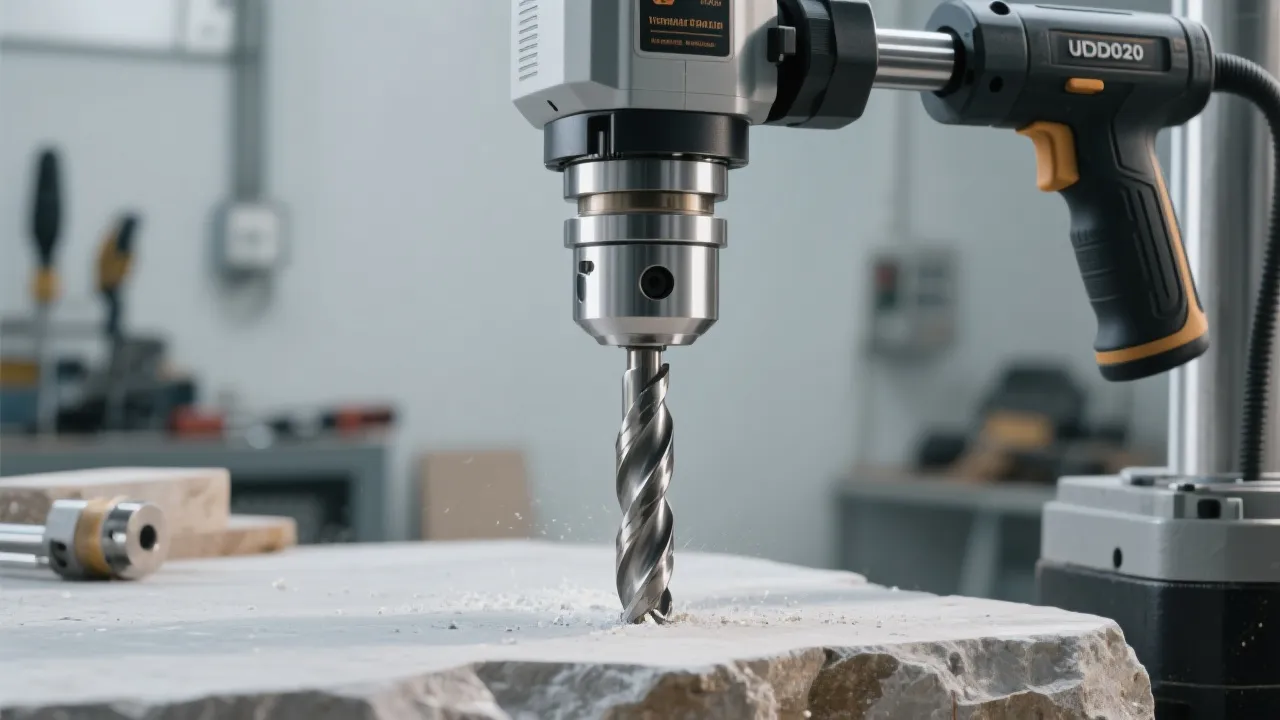
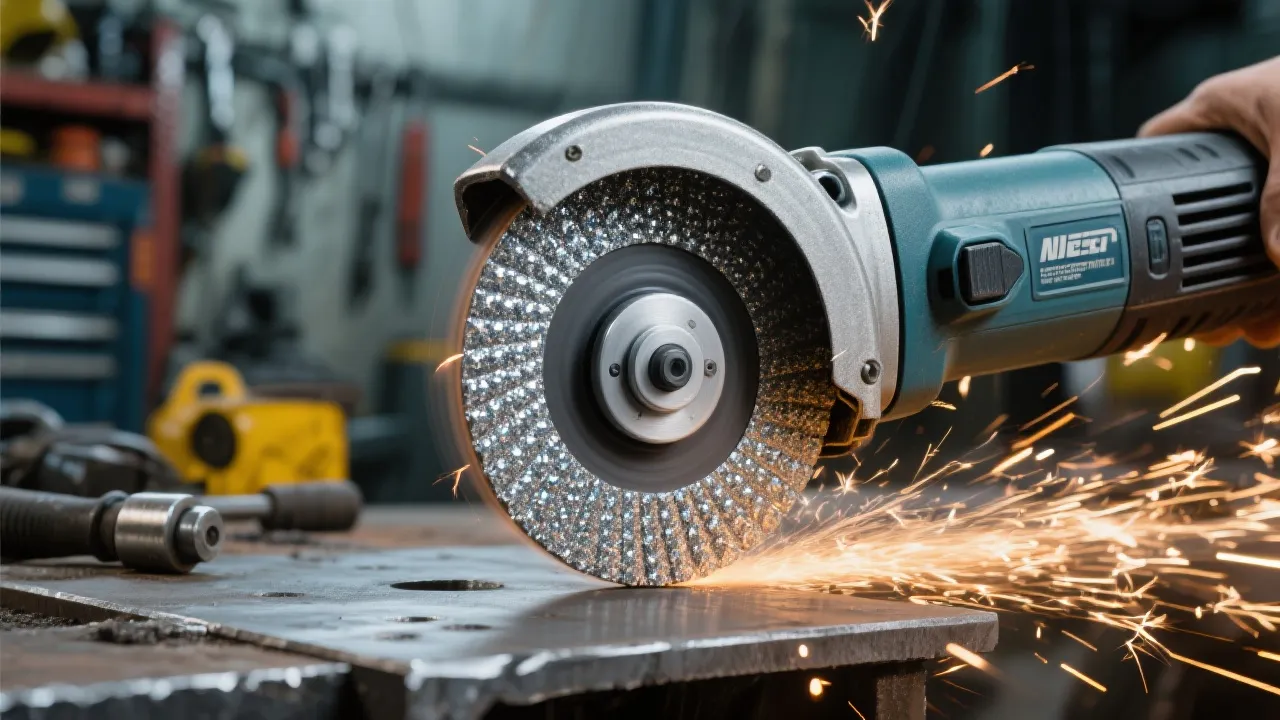
Selecting the right cutting tools is crucial. High - performance diamond tools, such as those from UHD, offer better wear resistance and cutting performance. They can significantly extend the tool life and reduce the frequency of tool changes. For example, compared to traditional carbide tools, diamond tools can last up to 10 times longer in some applications.
Regular maintenance is essential to keep the cutting equipment in good condition. This includes cleaning, lubricating, and inspecting the tools and the machine on a regular basis. A well - established maintenance schedule can help identify and address potential issues before they cause downtime. For instance, a monthly inspection can detect early signs of wear and prevent major breakdowns.
Implementing real - time monitoring systems can provide valuable insights into the tool's wear status. By using sensors and intelligent monitoring technology, you can track the tool's performance and predict when it needs to be replaced. This proactive approach allows you to plan maintenance in advance and avoid unplanned downtime.
Optimizing cutting parameters is another key aspect of preventive maintenance. By adjusting the speed, feed rate, and depth of cut according to the material and the tool, you can improve cutting efficiency and reduce tool wear. For example, reducing the feed rate slightly can increase the tool life without sacrificing too much productivity.
In the building materials industry, a company was experiencing frequent downtime due to tool wear. After implementing a preventive maintenance strategy, including using high - performance diamond tools from UHD, establishing a regular maintenance schedule, and real - time monitoring, they were able to reduce downtime by 30% and increase production efficiency by 20%. In the metal processing industry, a similar approach led to a 25% reduction in downtime and a significant improvement in product quality.
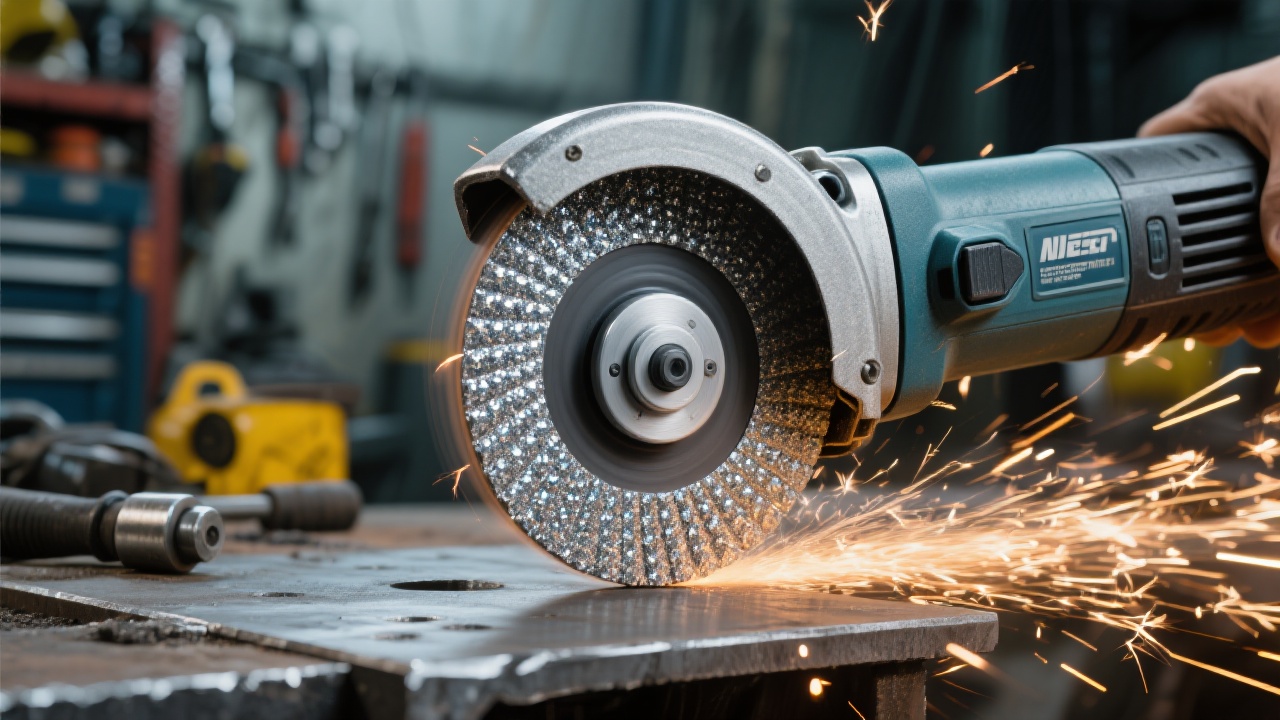
Intelligent detection technology is playing an increasingly important role in predictive maintenance. It can analyze data from sensors and provide accurate predictions about tool wear and machine performance. Experts believe that in the future, more advanced intelligent detection systems will be developed, enabling even more precise maintenance planning and further reducing downtime.
"Intelligent detection technology is the future of industrial maintenance. It allows us to move from reactive to proactive maintenance, saving time and money." - Industry Expert
Don't let downtime eat into your profits. Implement a preventive maintenance strategy today and experience the benefits of increased productivity and reduced costs. Learn more about UHD's high - performance diamond tools and preventive maintenance solutions

.png?x-oss-process=image/resize,h_1000,m_lfit/format,webp)