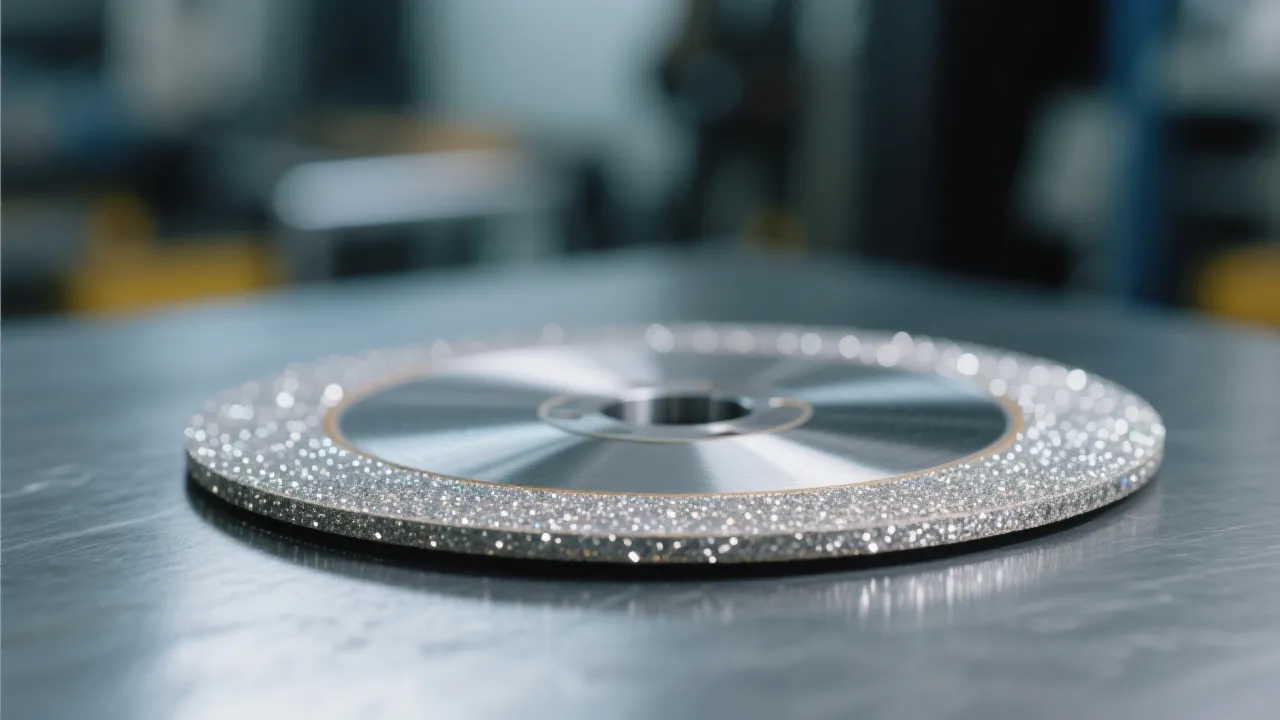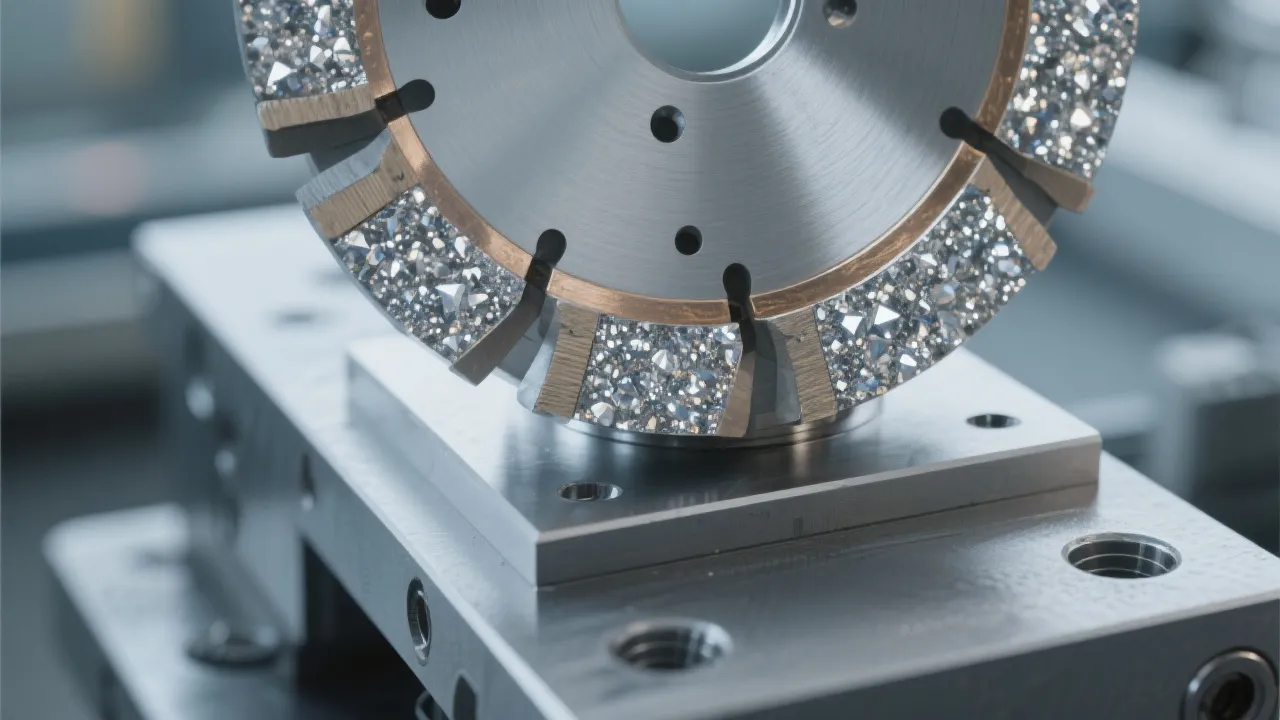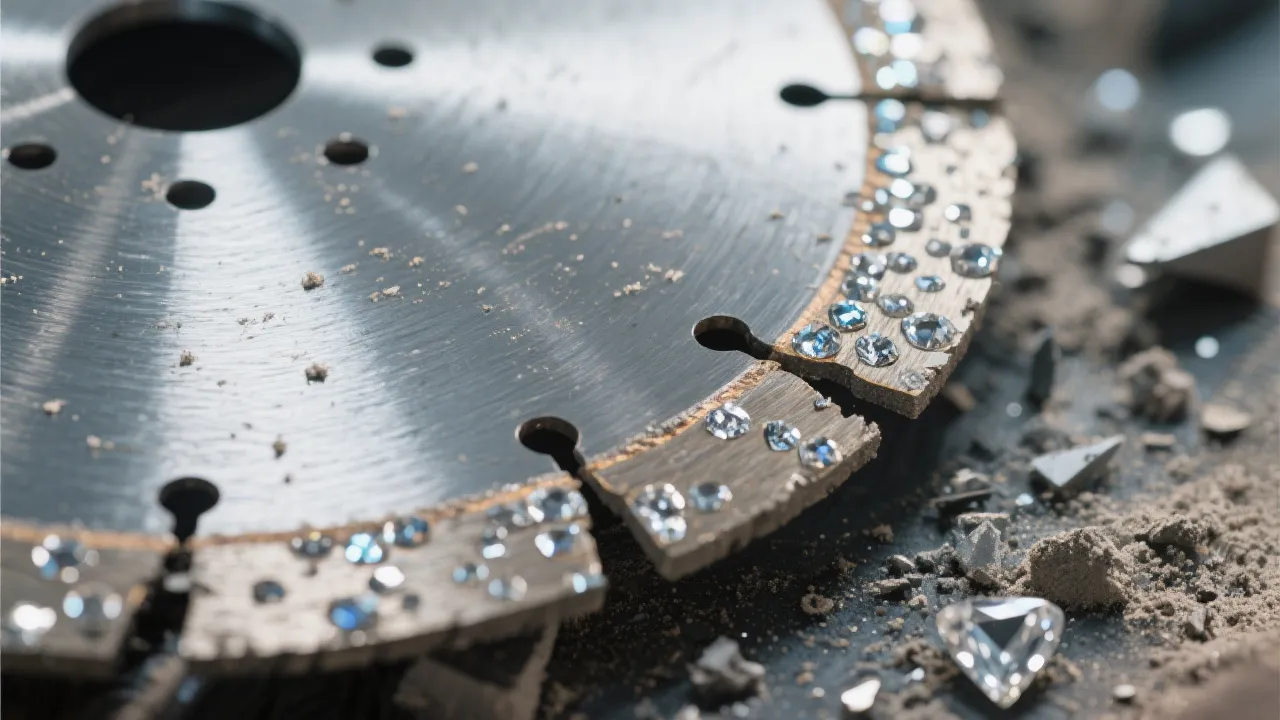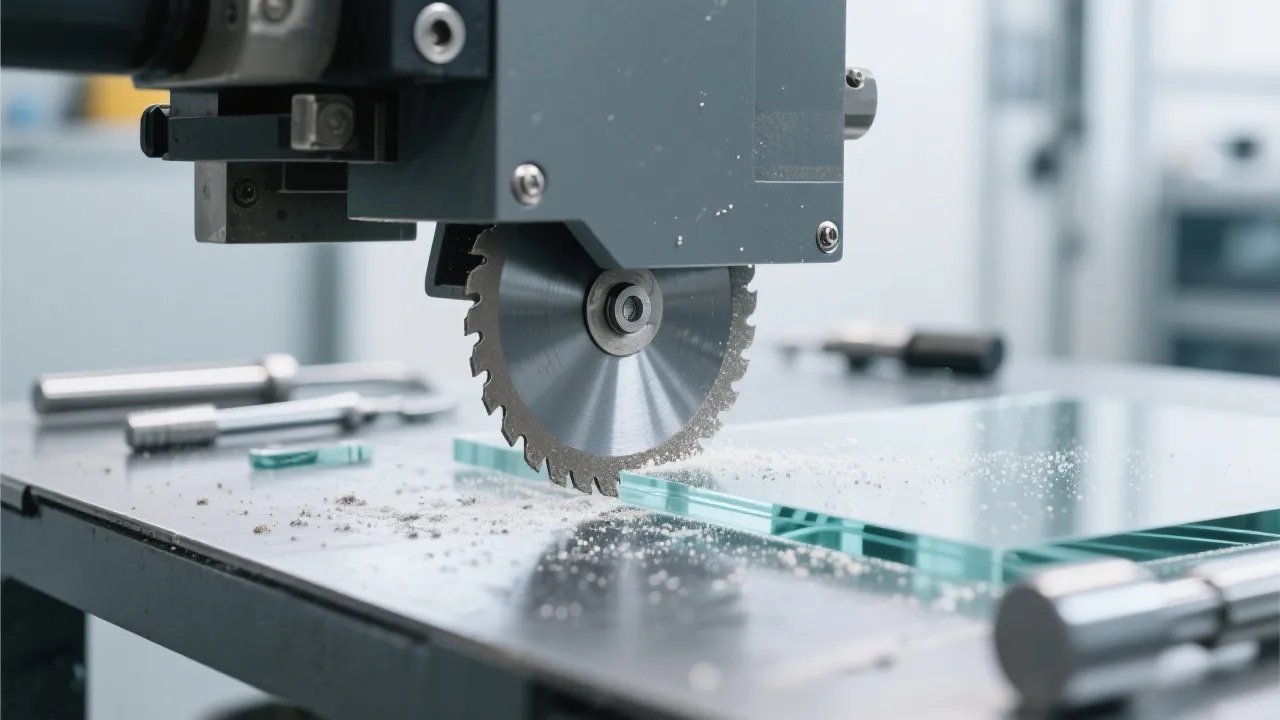
In the high - intensity operations of construction sites, the performance and service life of saw blades are crucial factors affecting construction efficiency and cost. Among them, the brazed diamond saw blade is a commonly used heavy - duty cutting tool, but it often faces problems such as diamond abrasive grain shedding and substrate deformation due to heat stress during use.
Let's first understand the impact of heat stress on saw blades. When the saw blade is cutting, the friction between the blade and the material generates a large amount of heat. According to relevant data analysis, in high - intensity cutting operations, the temperature of the saw blade can rise to over 500°C. This high temperature will cause thermal stress in the saw blade material. When the thermal stress exceeds the bonding strength between the diamond abrasive grains and the substrate, the diamond abrasive grains will fall off, and at the same time, it may also cause the substrate to deform, reducing the cutting accuracy and service life of the saw blade.
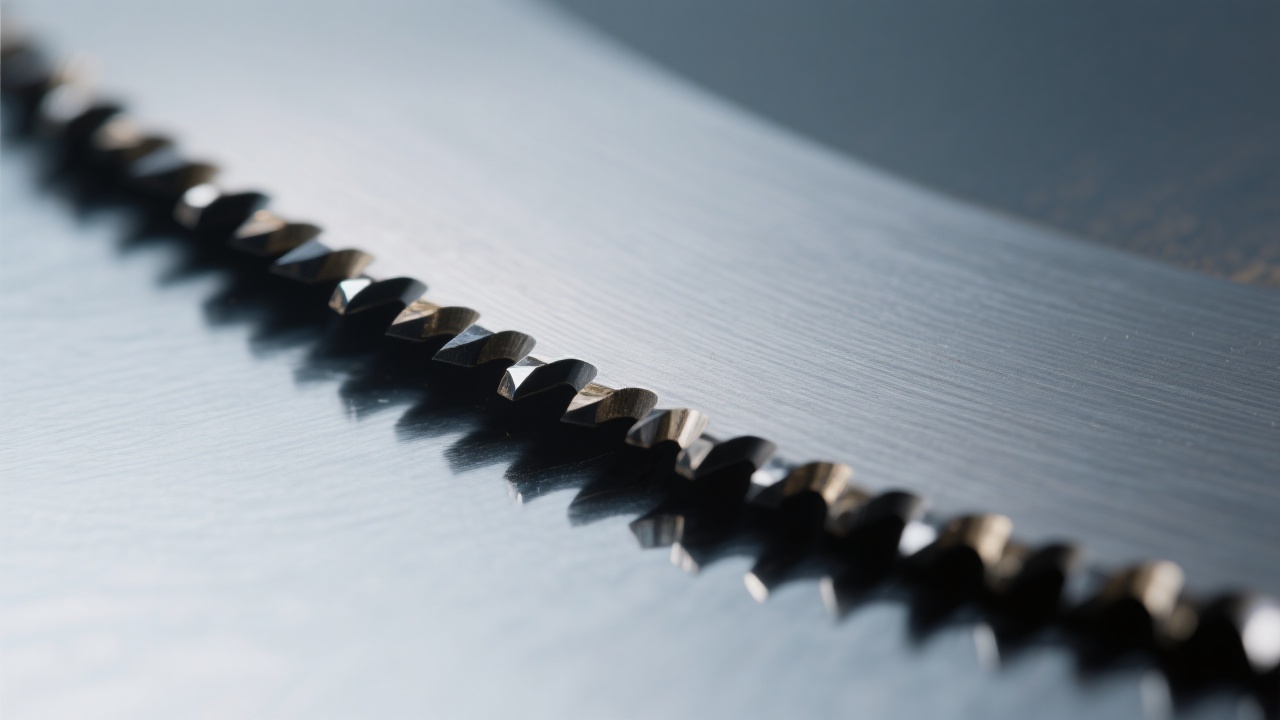
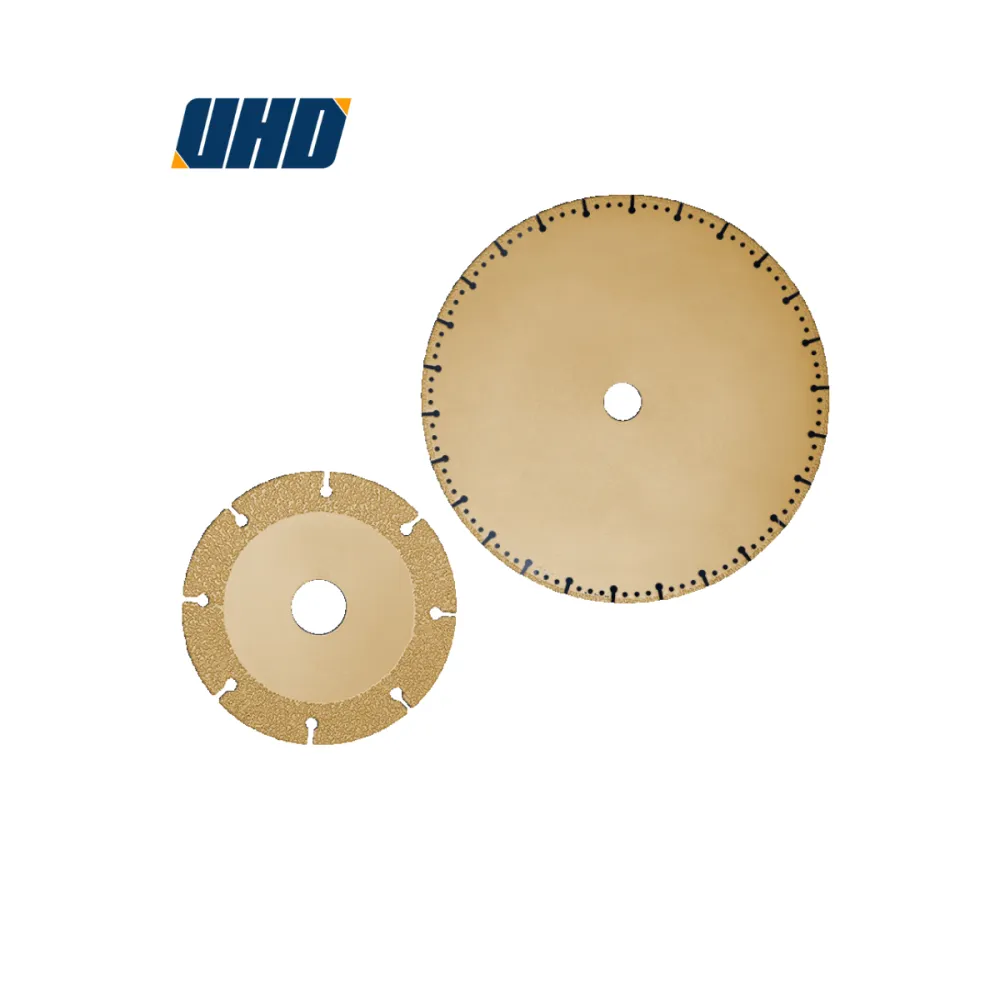
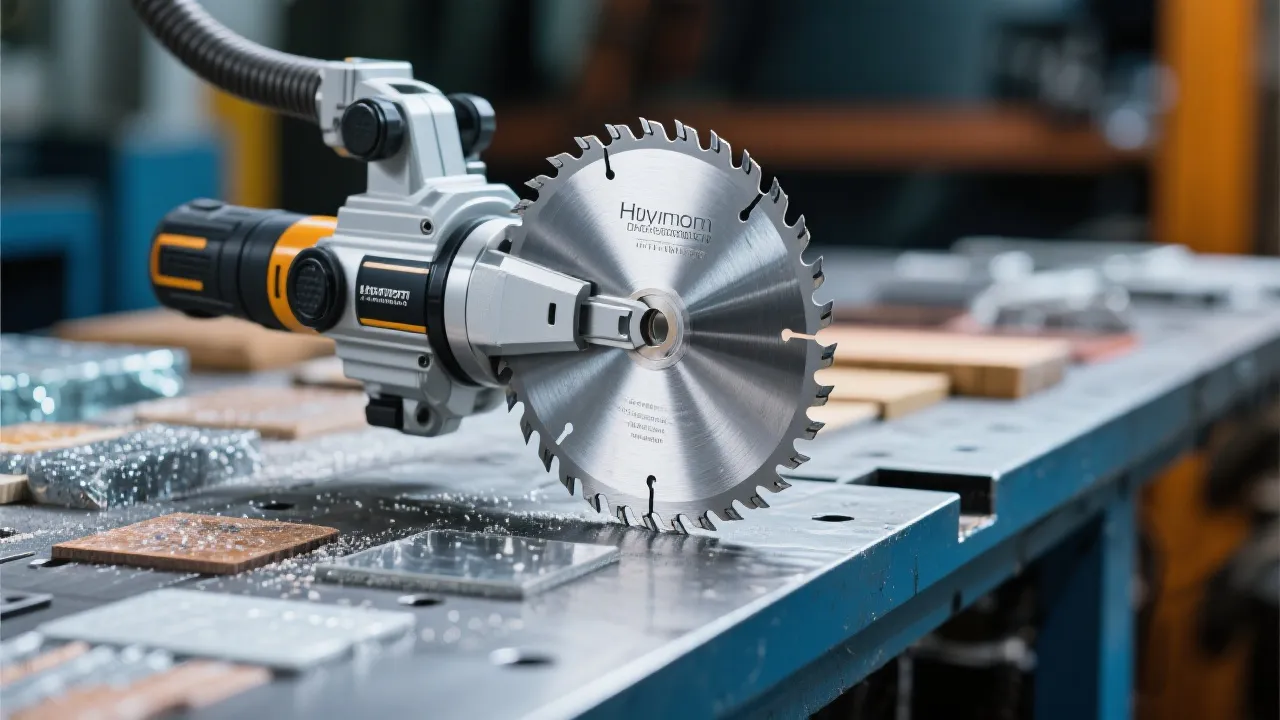
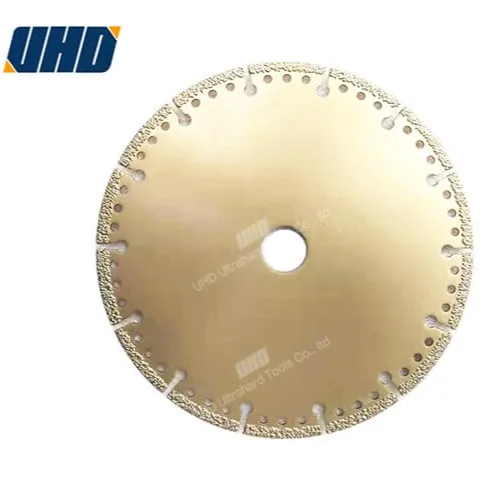
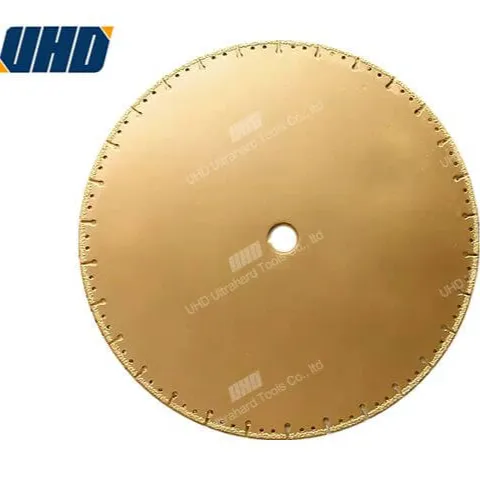
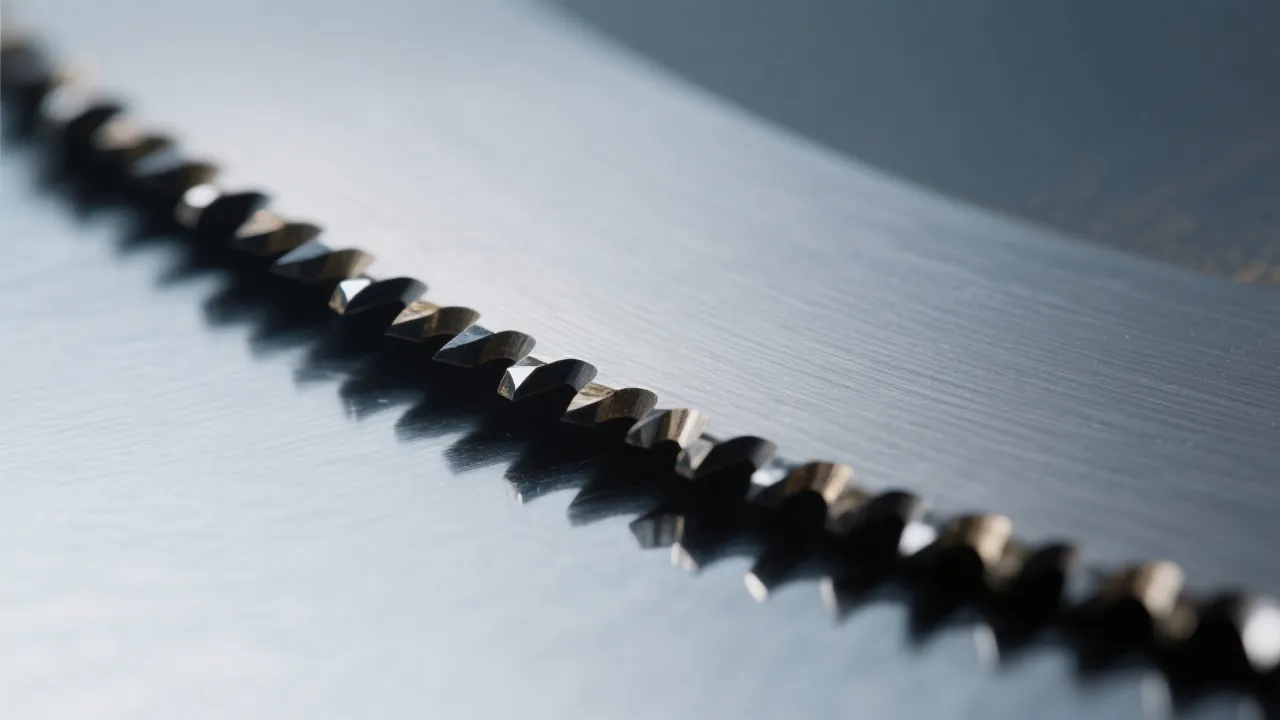
UHD's 400H brazed diamond saw blade for construction sites has an advanced heat sink design. This design can effectively control the temperature of the saw blade during cutting. The heat sink on the 400H saw blade is designed based on fluid dynamics and heat transfer principles. It can quickly transfer the heat generated during cutting to the surrounding environment, reducing the temperature of the saw blade by about 30% compared with ordinary saw blades.
By reducing the temperature, the thermal stress on the saw blade is also significantly reduced. This means that the bonding strength between the diamond abrasive grains and the substrate is better maintained, and the probability of diamond abrasive grain shedding is greatly reduced. At the same time, the deformation of the substrate is also effectively controlled, which ensures the cutting accuracy and extends the service life of the saw blade. According to practical tests, using the 400H saw blade can extend the service life of the saw blade by more than 50%.
In addition to the excellent design of the saw blade itself, proper cutting operation methods are also crucial for extending the service life of the saw blade. Here are some practical operation suggestions:
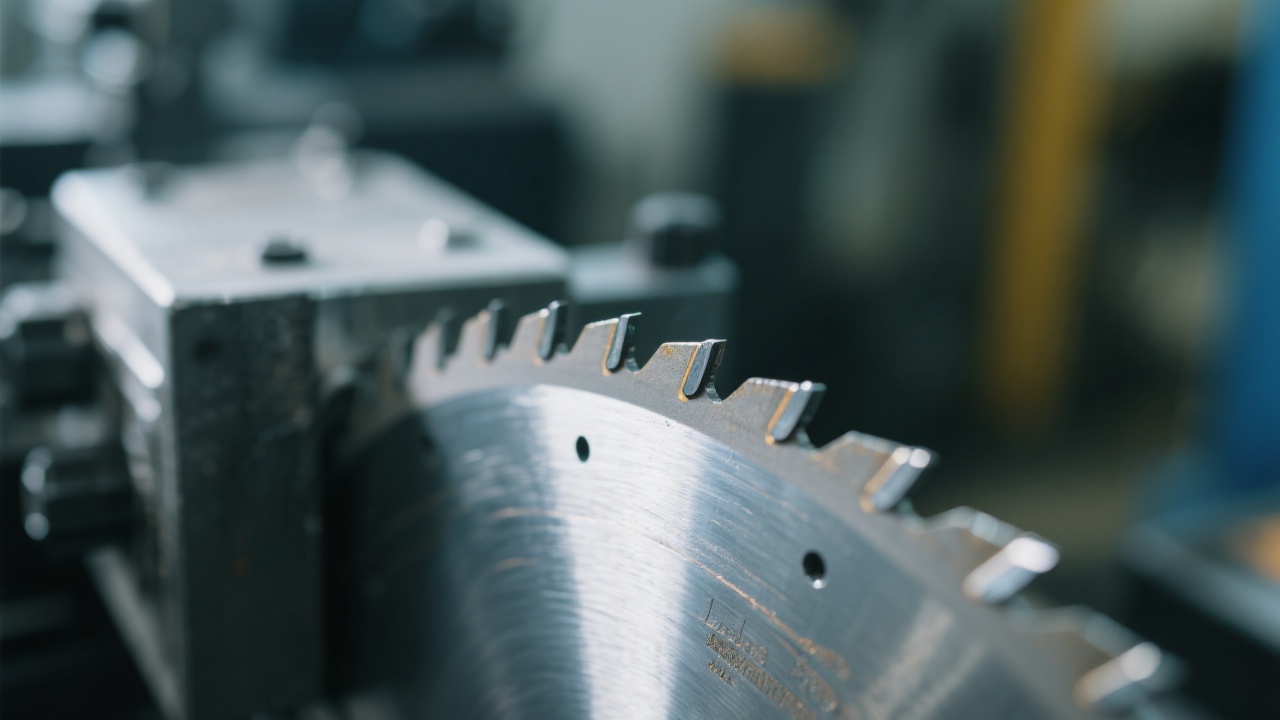
In a large - scale building construction project, a construction team used UHD's 400H saw blade. Before using the 400H saw blade, they used ordinary saw blades. The average service life of ordinary saw blades was about 200 hours. After switching to the 400H saw blade and following the correct operation suggestions, the service life of the saw blade was extended to more than 300 hours, an increase of more than 50%. At the same time, the cutting efficiency was also improved, and the project progress was accelerated.
In conclusion, optimizing the heat dissipation structure of the saw blade is of great significance for improving the performance and service life of the saw blade. UHD's 400H saw blade, with its unique heat sink design and combined with correct operation methods, can effectively solve the problems faced by saw blades in construction sites, bringing higher efficiency and lower costs to construction projects.
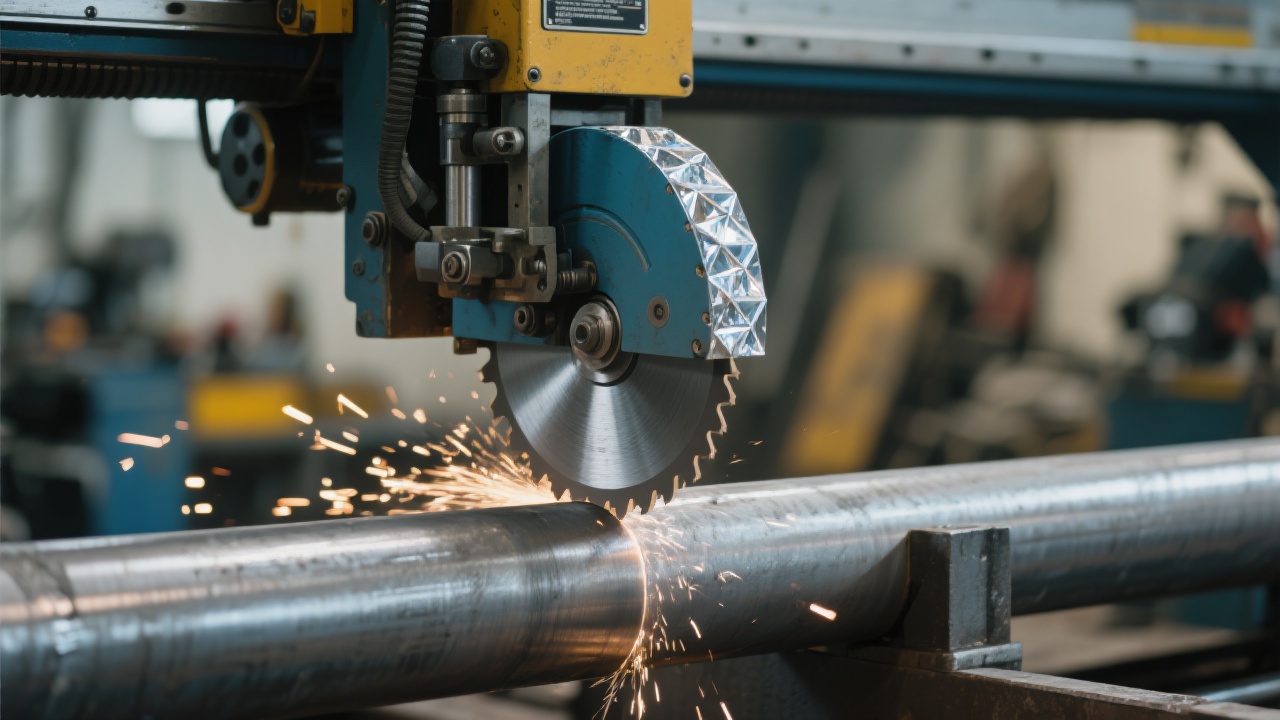
Discover the UHD 400H Saw Blade and Revolutionize Your Construction Cutting!

.png?x-oss-process=image/resize,h_1000,m_lfit/format,webp)
.png?x-oss-process=image/resize,h_1000,m_lfit/format,webp)