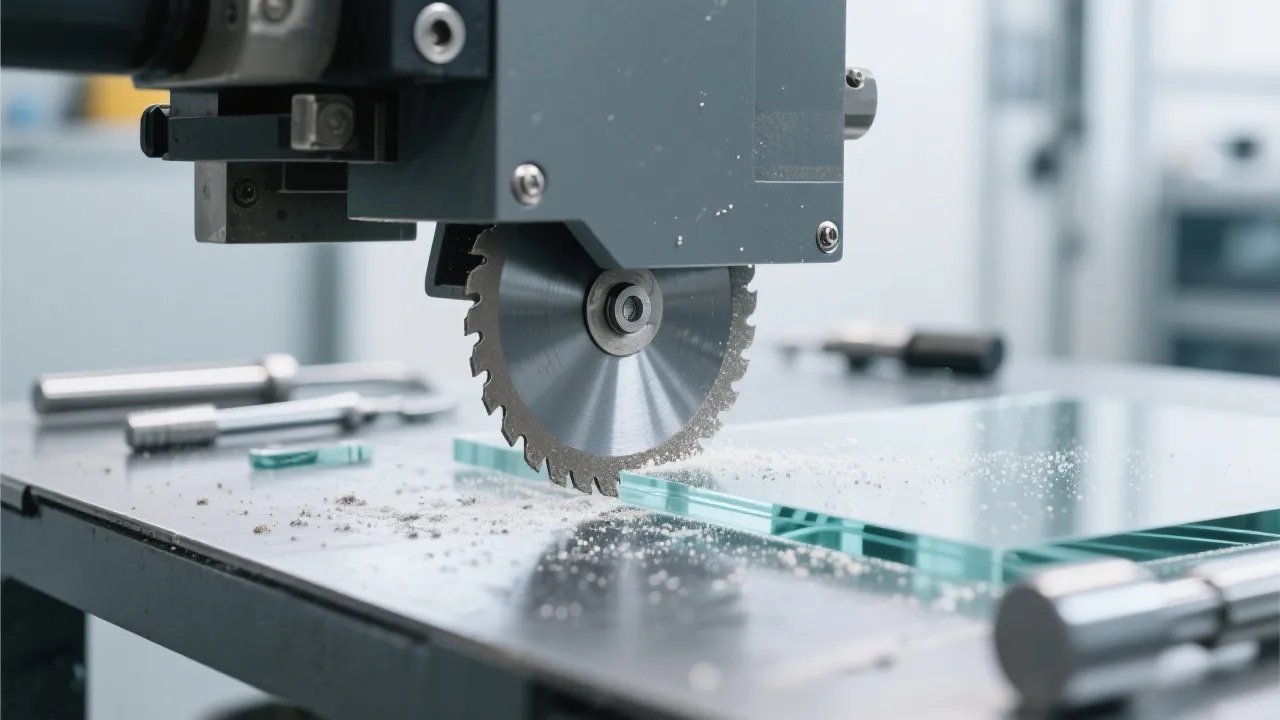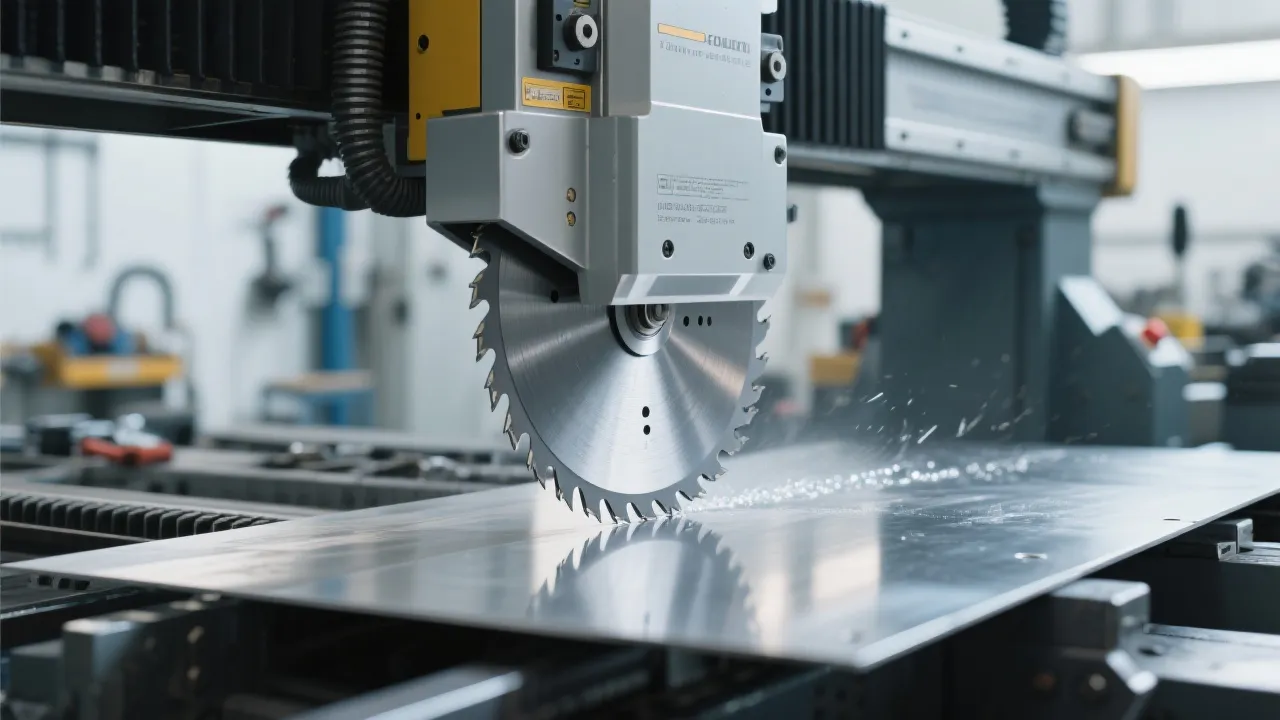
In the industrial glass processing industry, choosing the right cutting saw is crucial for ensuring cutting quality and efficiency. This article will delve into the technical differences between brazed diamond saws and electroplated saws, and analyze their application scenarios to help procurement decision - makers, process engineers, and front - line operators make scientific choices.
Industrial glass has complex material characteristics. It requires high precision during cutting, and is prone to chipping and wear. Different types of glass, such as thin - walled glass and thick - walled glass, have different cutting requirements. For example, thin - walled glass is more likely to break during cutting, while thick - walled glass requires higher cutting force.
Your saws, do they often encounter problems like rapid wear, chipping, or rough cutting surfaces? If so, it's time to understand the differences between brazed and electroplated saws.
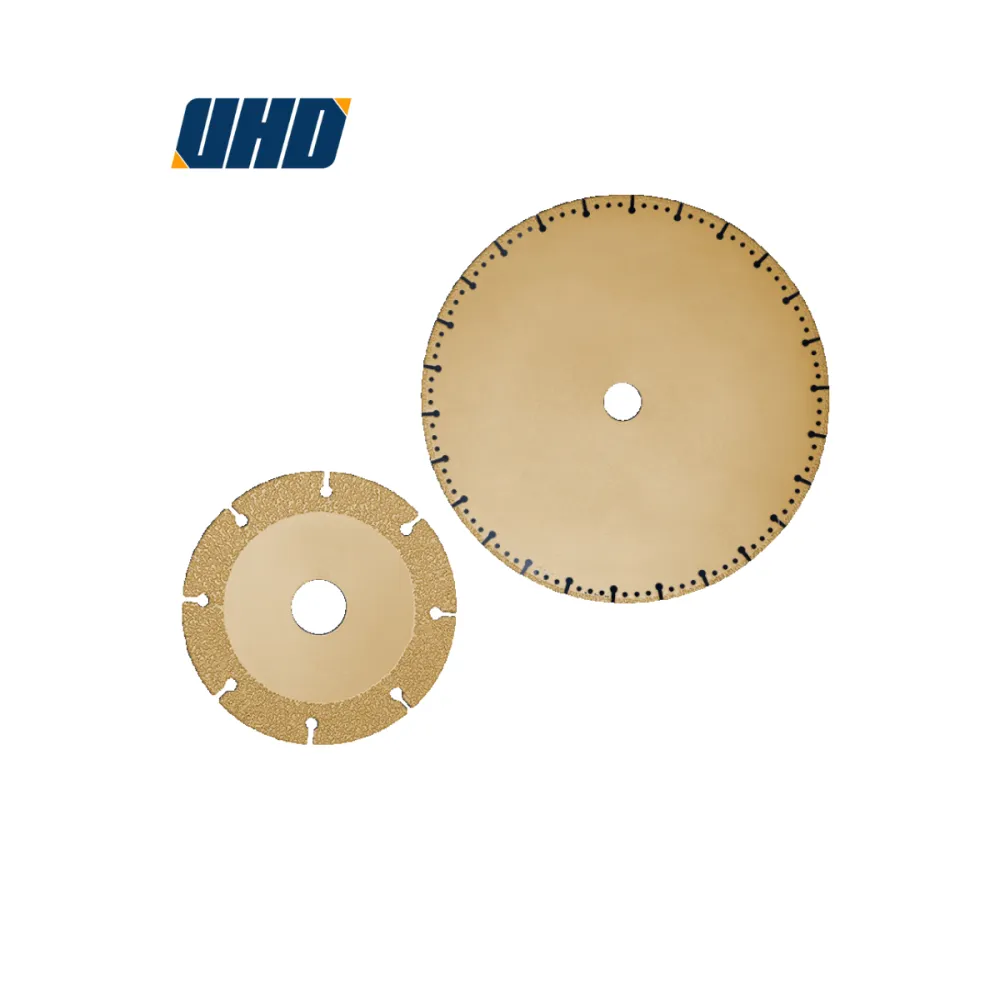
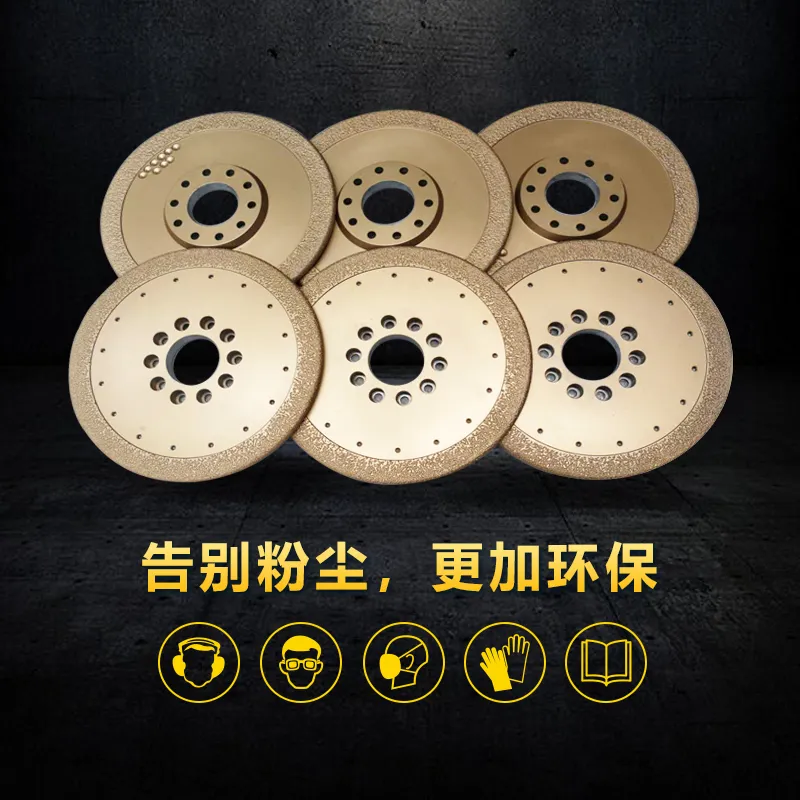
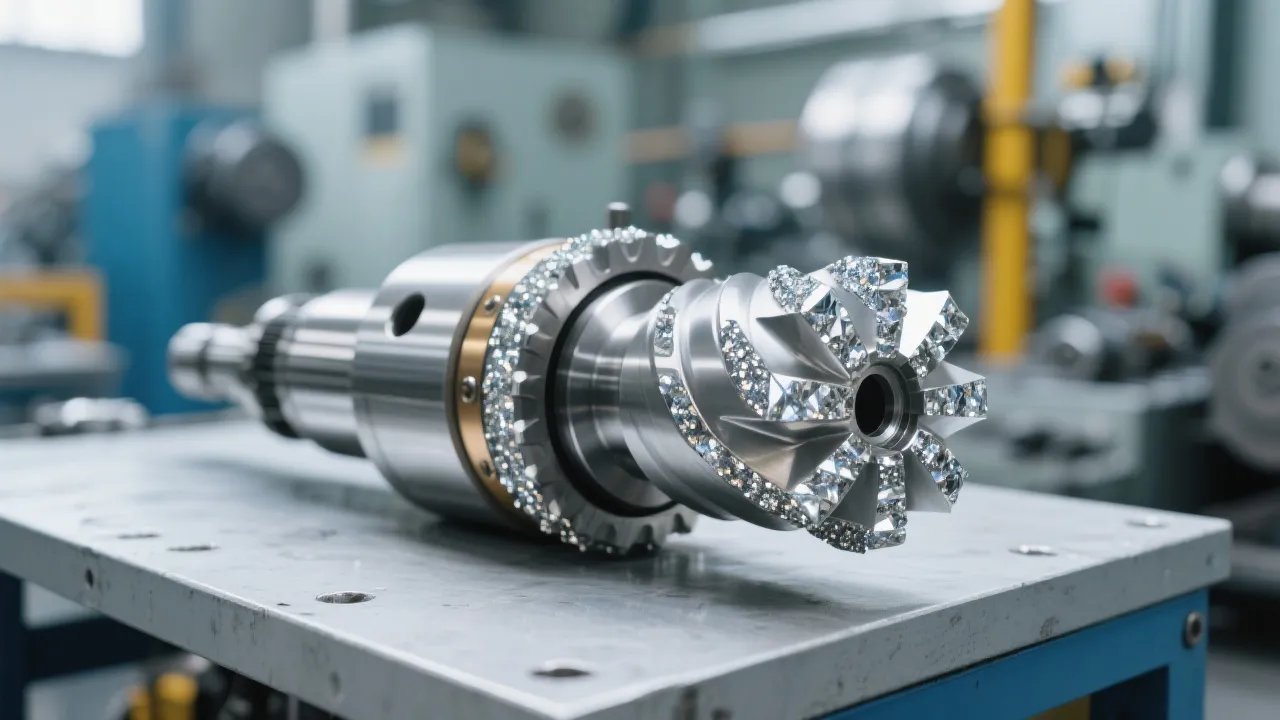
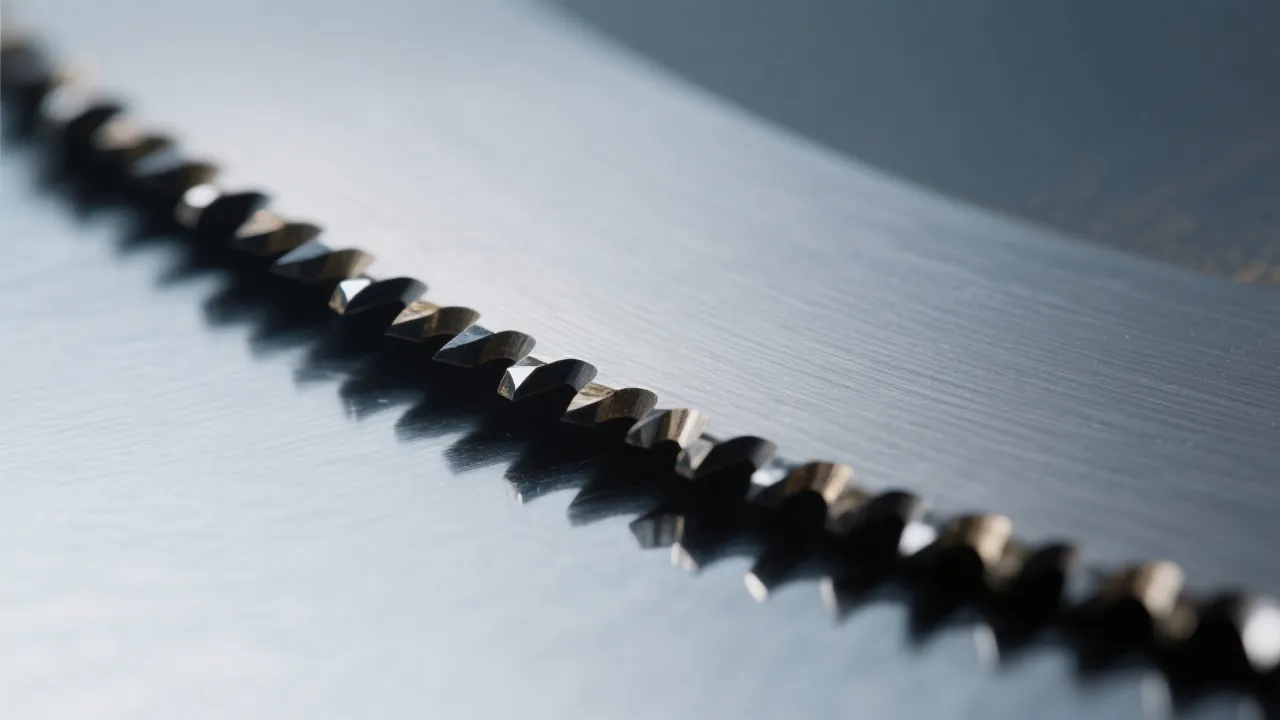
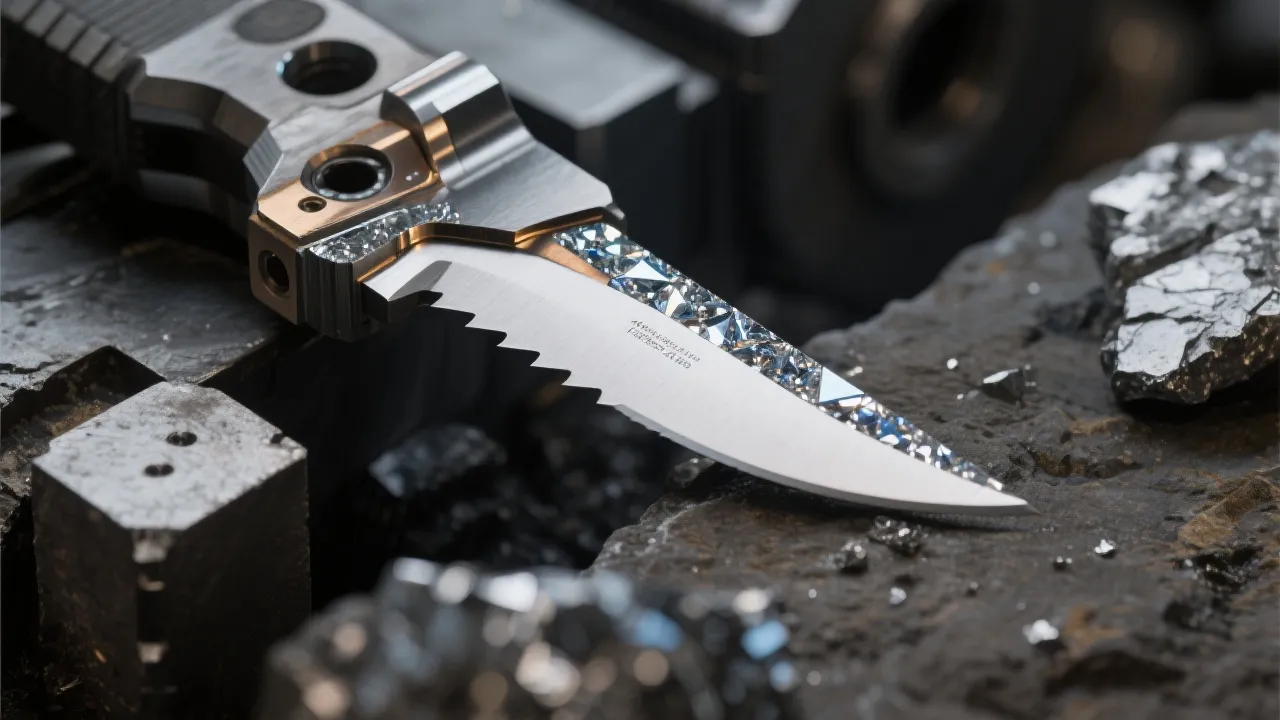
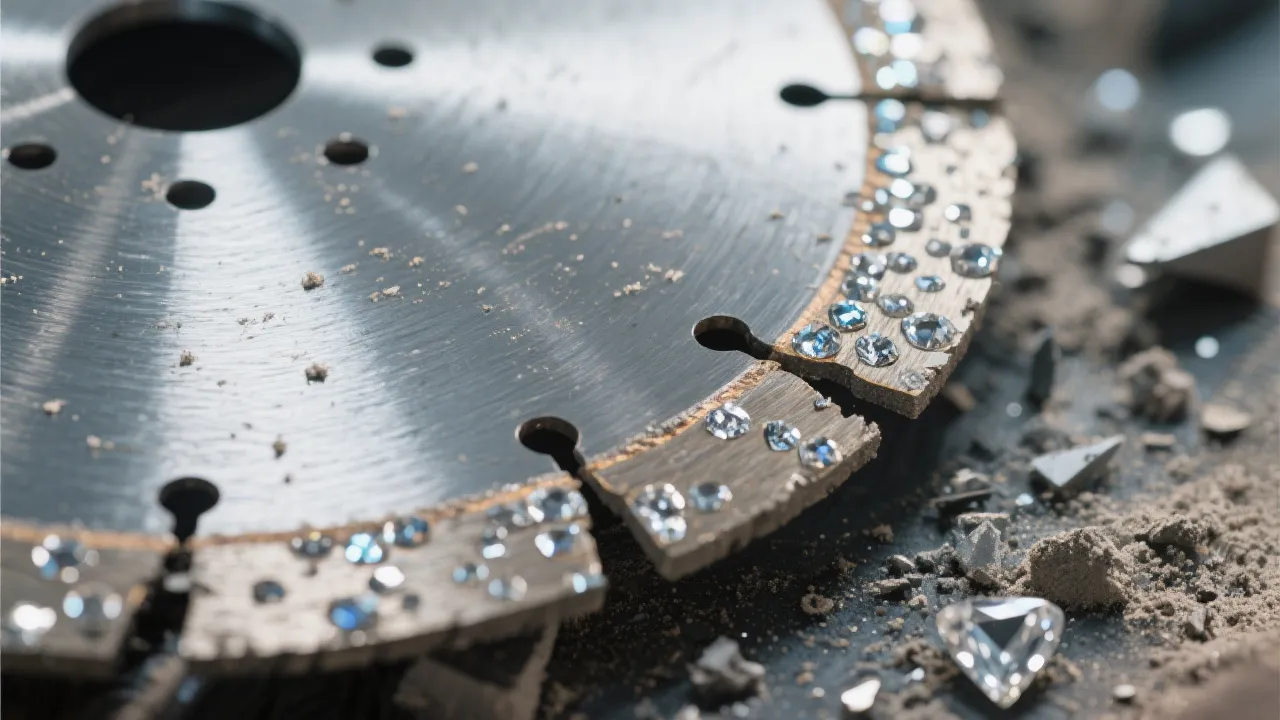
The brazing process is a key technology for brazed diamond saws. It can firmly fix diamond particles on the saw blade. The brazing material forms a strong bond with the diamond and the base of the saw blade, ensuring that the diamond particles can withstand high - intensity cutting forces. This technology significantly improves the stability and durability of the saw blade.
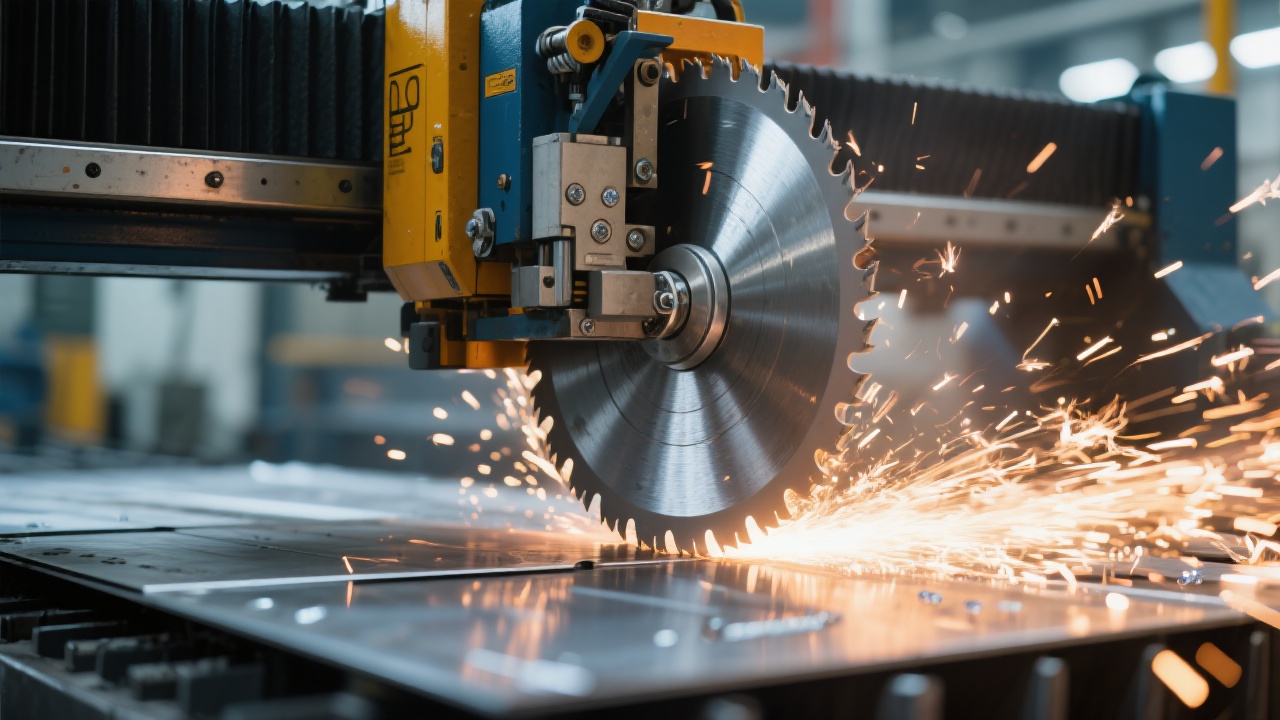
We will compare brazed and electroplated saws from three dimensions: welding strength, thermal stability, and service life.
| Comparison Items | Brazed Saws | Electroplated Saws |
|---|---|---|
| Welding Strength | High. The brazing process firmly fixes diamond particles, with a bonding strength that can withstand high cutting forces. | Relatively low. The electroplating process has a weaker bonding force between diamond particles and the base. |
| Thermal Stability | Good. It can maintain stability at high temperatures during cutting, reducing the impact of heat on the saw blade. | General. High - temperature cutting may cause the electroplated layer to fall off, affecting the cutting effect. |
| Service Life | Long. Due to its high welding strength and good thermal stability, it can be used for a long time, reducing the frequency of tool replacement by 50%. | Relatively short. Diamond particles are prone to fall off, and the service life is limited. |
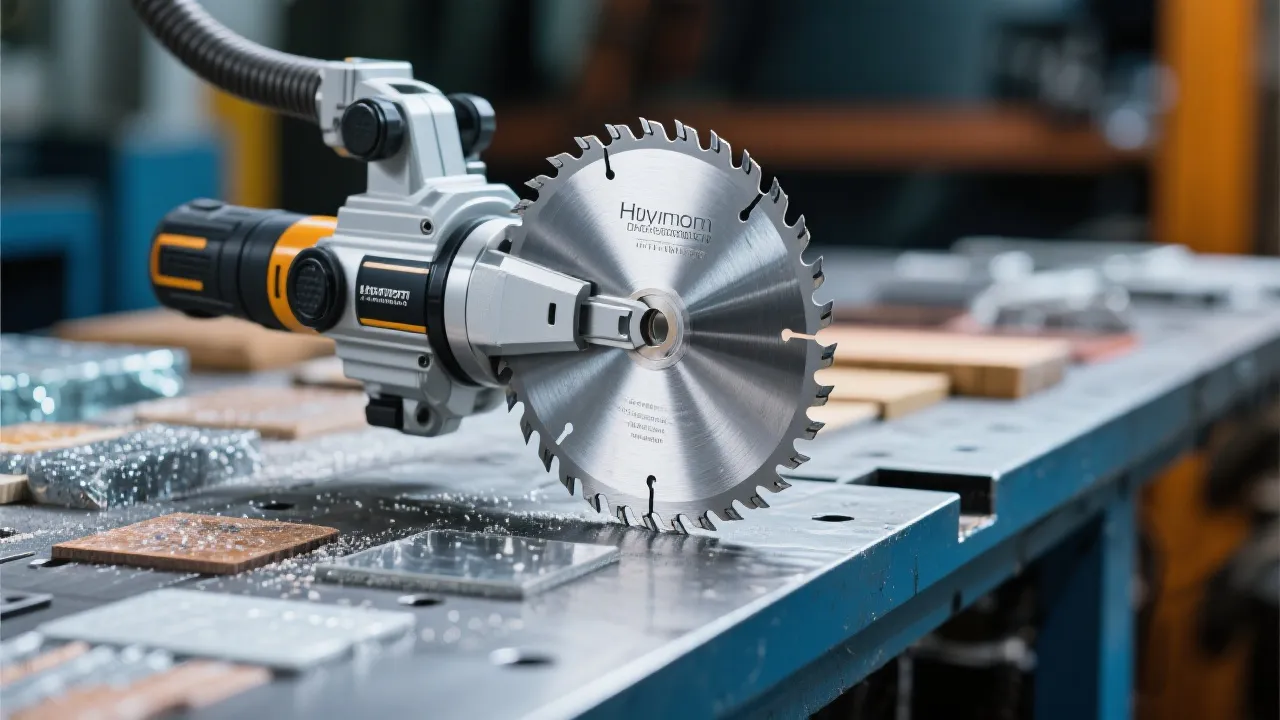
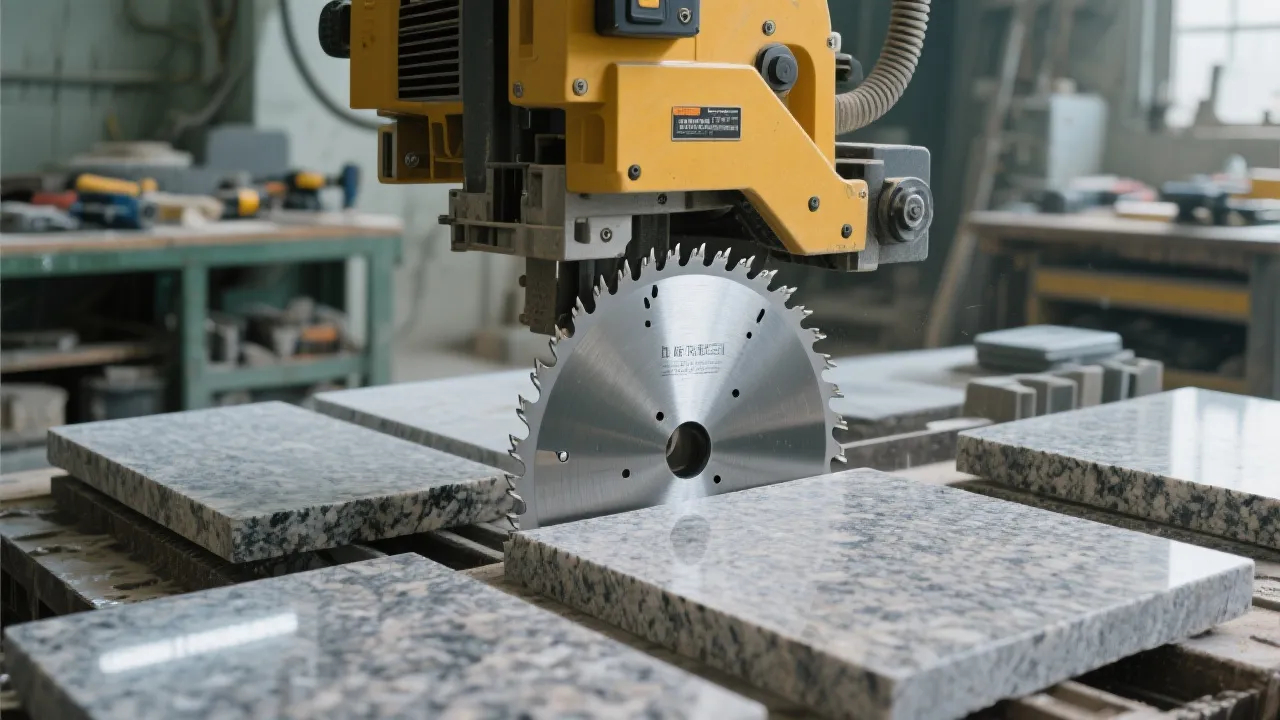
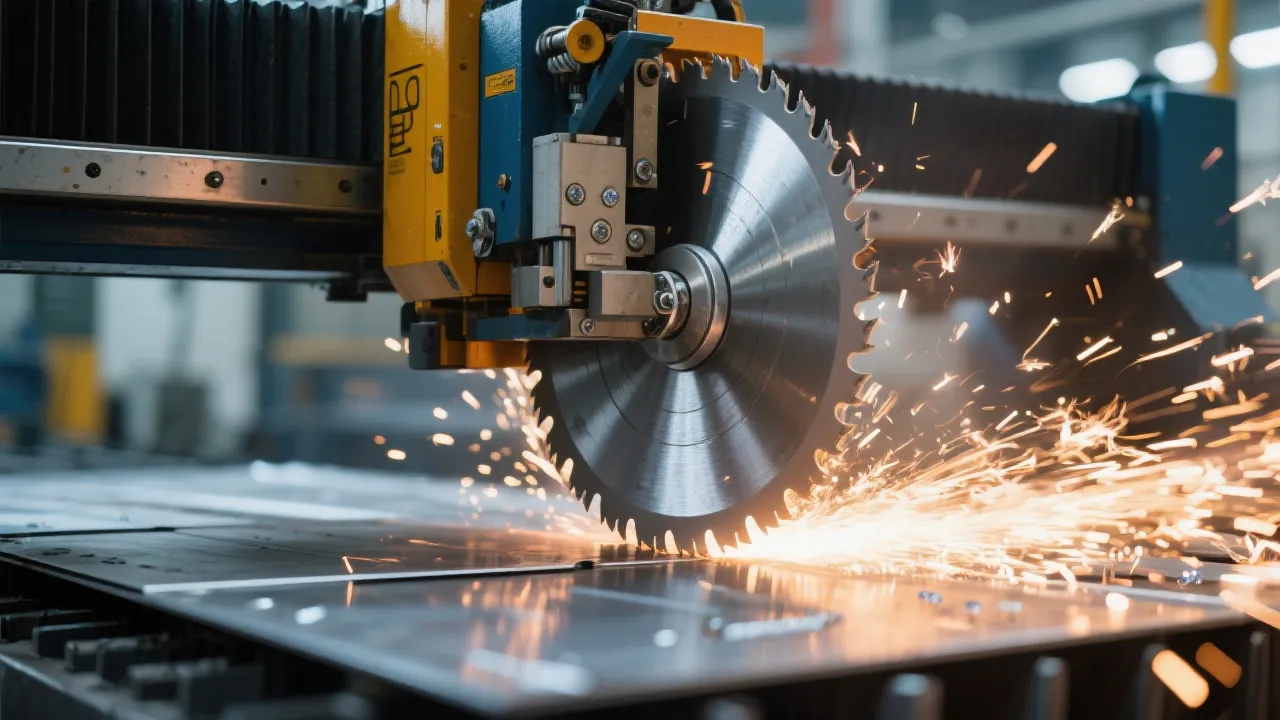
Different types of saws are suitable for different application scenarios. For thin - walled glass with high precision requirements, brazed saws are more suitable because of their high precision and low risk of chipping. For thick - walled glass with high cutting force requirements, brazed saws can also better meet the needs due to their high - strength cutting ability. In addition, in high - volume production scenarios, brazed saws can improve production efficiency by reducing the frequency of tool replacement.
When choosing a saw, you need to consider factors such as glass thickness, production rhythm, and precision requirements.
Based on practical experience, we have proposed solutions to common problems such as anti - chipping, reducing losses, and improving surface finish. For example, choosing the right saw type, adjusting cutting parameters, and using appropriate lubricants can effectively solve these problems.
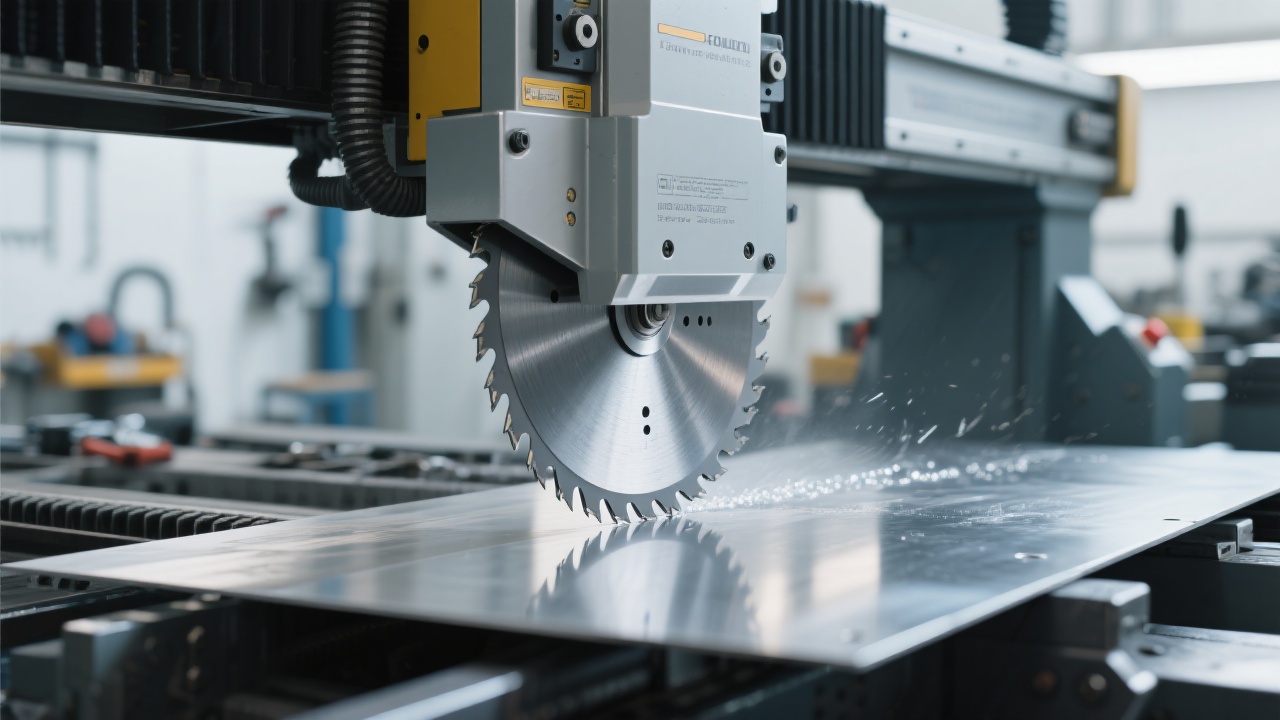
A high - end display panel factory used UHD brazed saws and achieved significant results. After using brazed saws, the product yield increased by 30%. This data fully demonstrates the advantages of brazed saws in improving cutting quality and production efficiency.
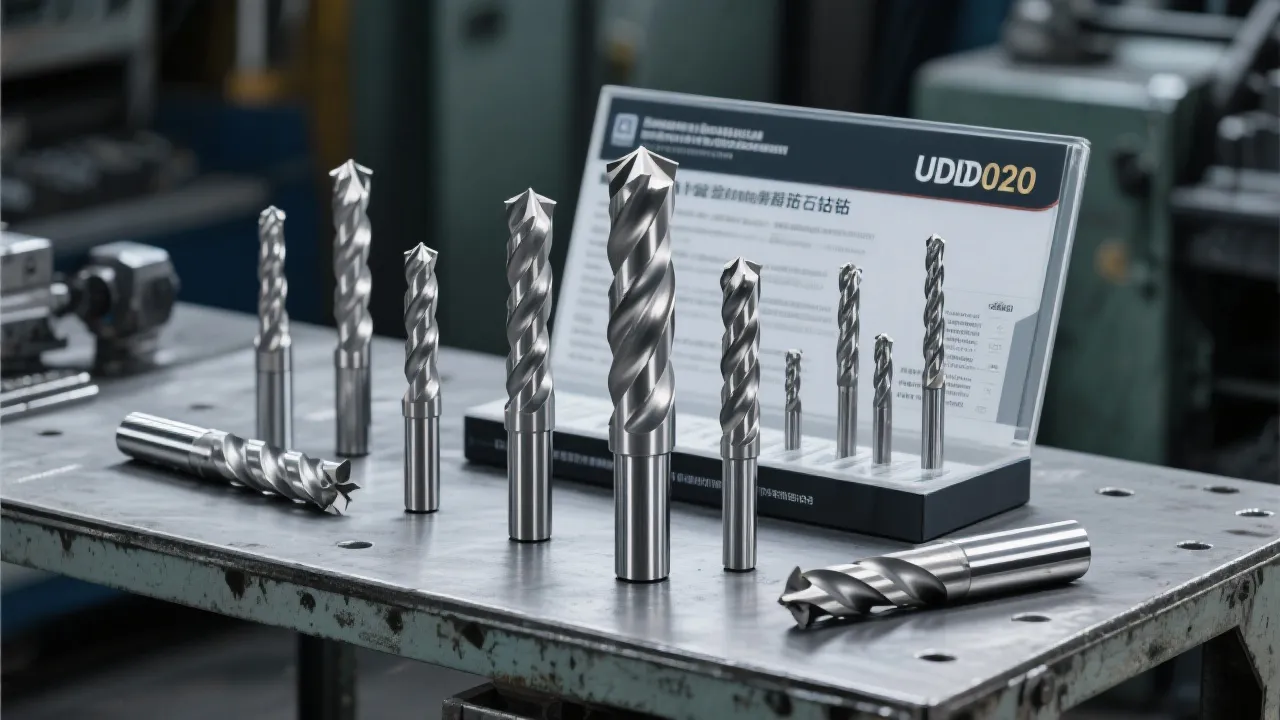
In general, brazed saws have significant advantages in industrial glass processing. Their high welding strength, good thermal stability, and long service life make them the preferred choice for industrial glass processing. If you want to improve cutting efficiency by more than 30% and reduce the frequency of tool replacement by 50%, choose UHD brazed saws!
Click here to learn more about UHD industrial glass cutting saws!