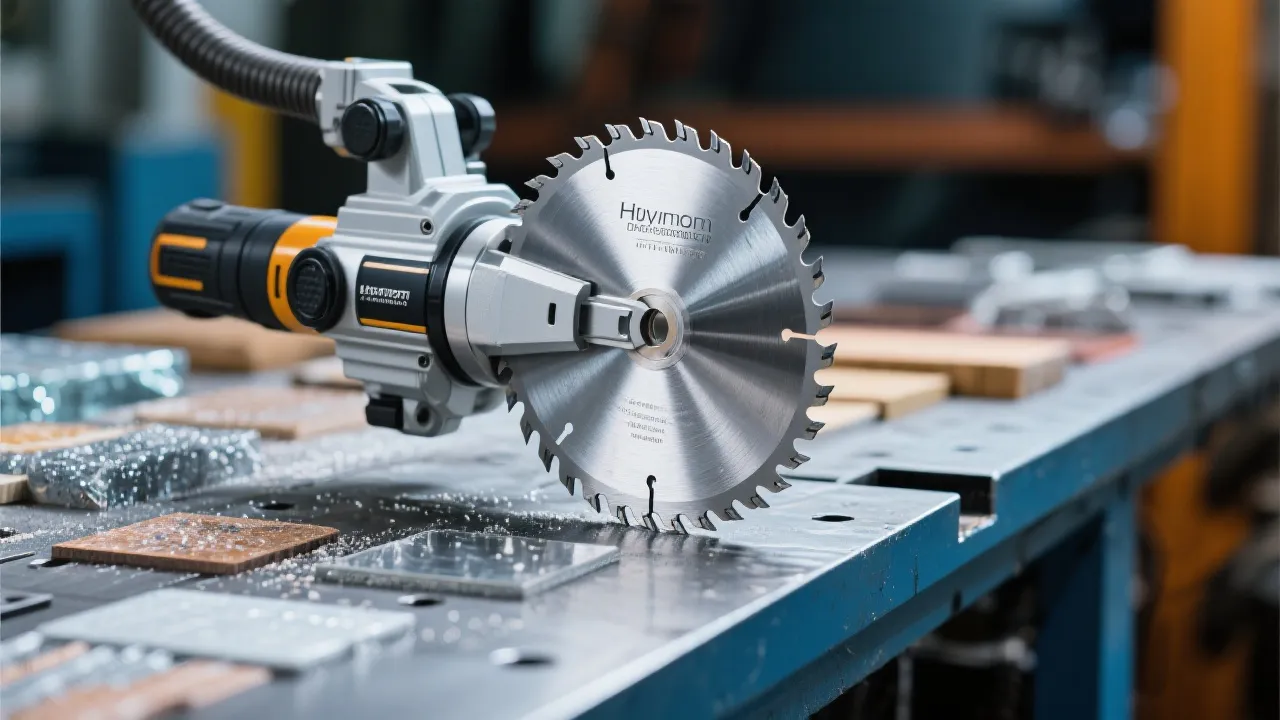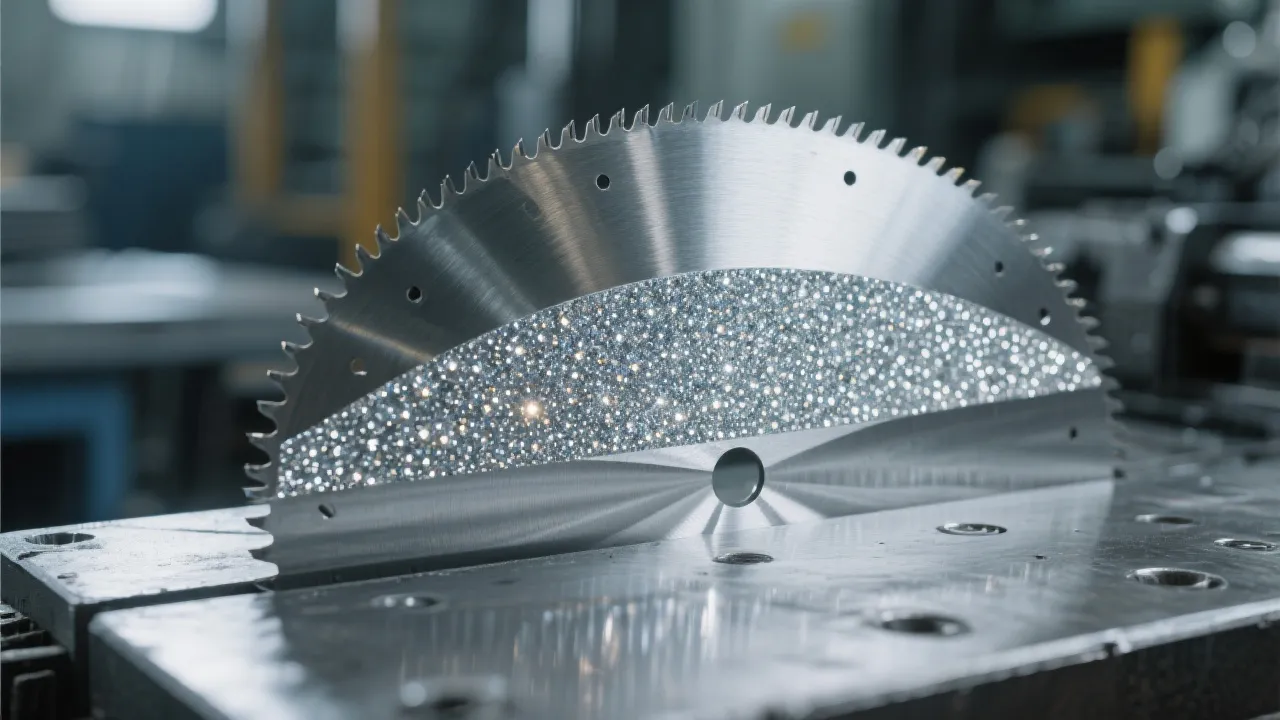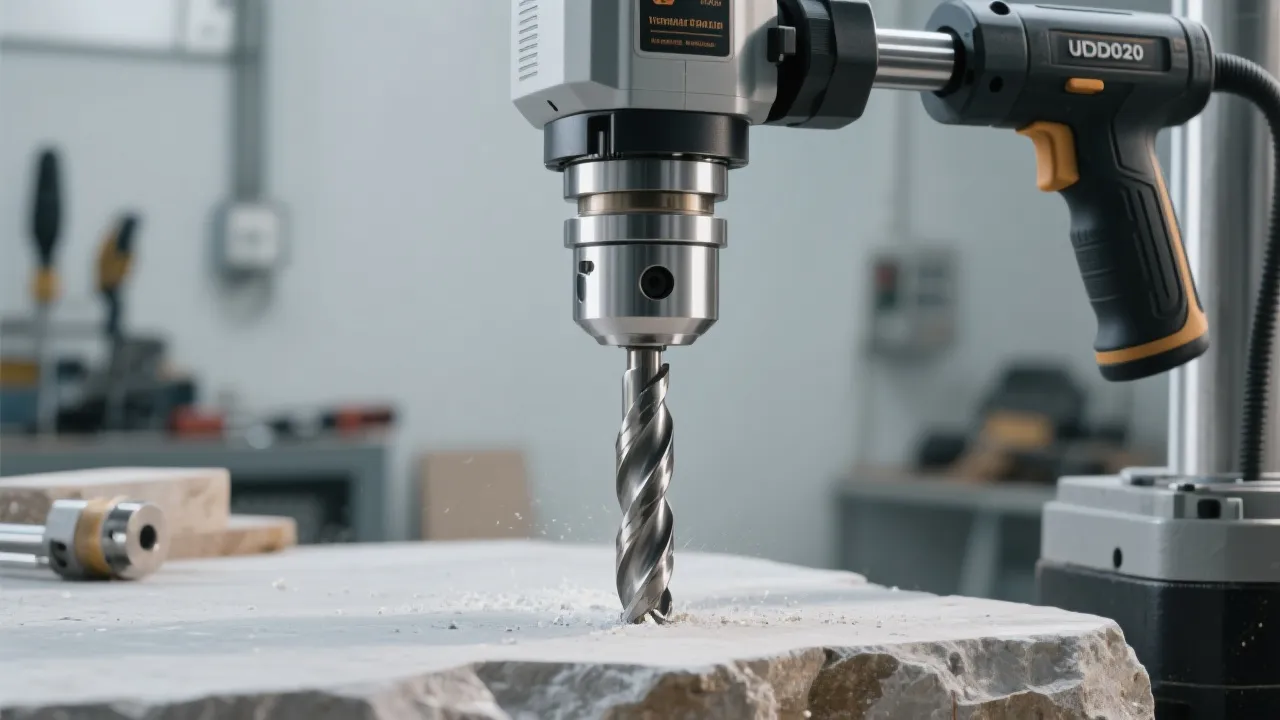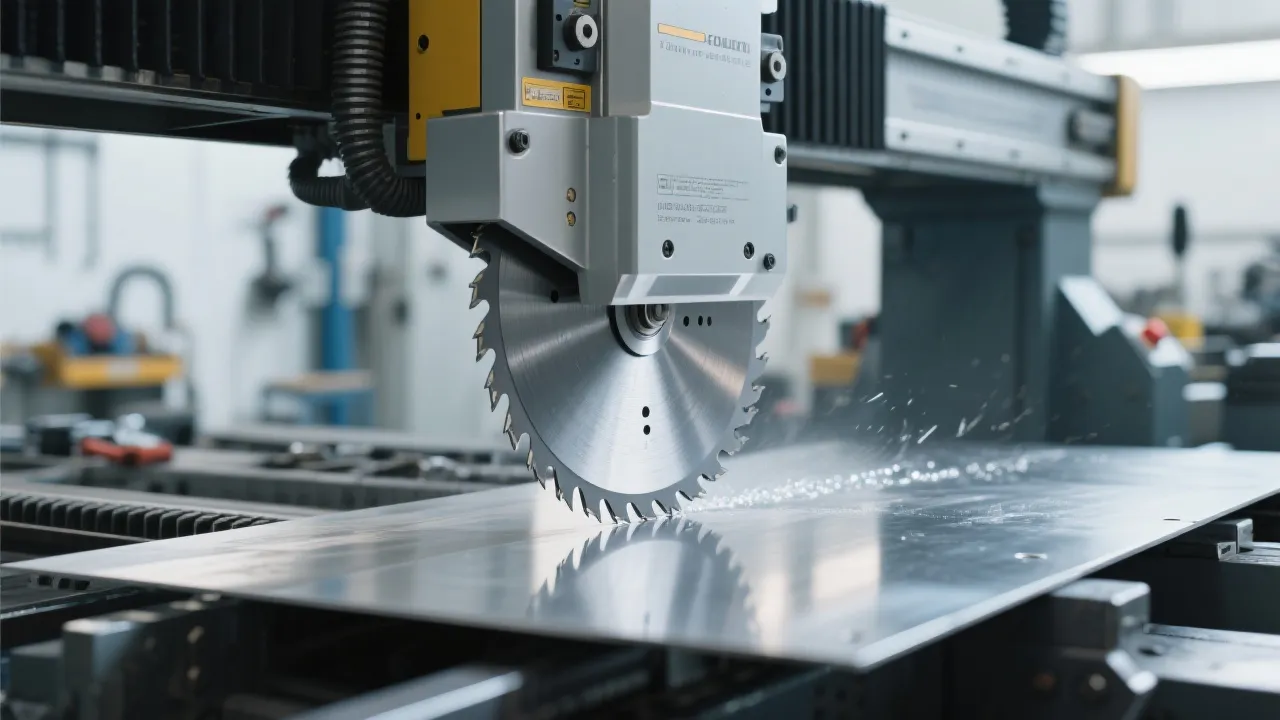
In the realm of industrial glass cutting, choosing the right diamond saw blade is crucial. As you embark on your glass - cutting journey, you'll face challenges that can significantly impact the efficiency and quality of your work. This guide is designed to help you understand the key features of brazed diamond saw blades and guide you in making informed choices.
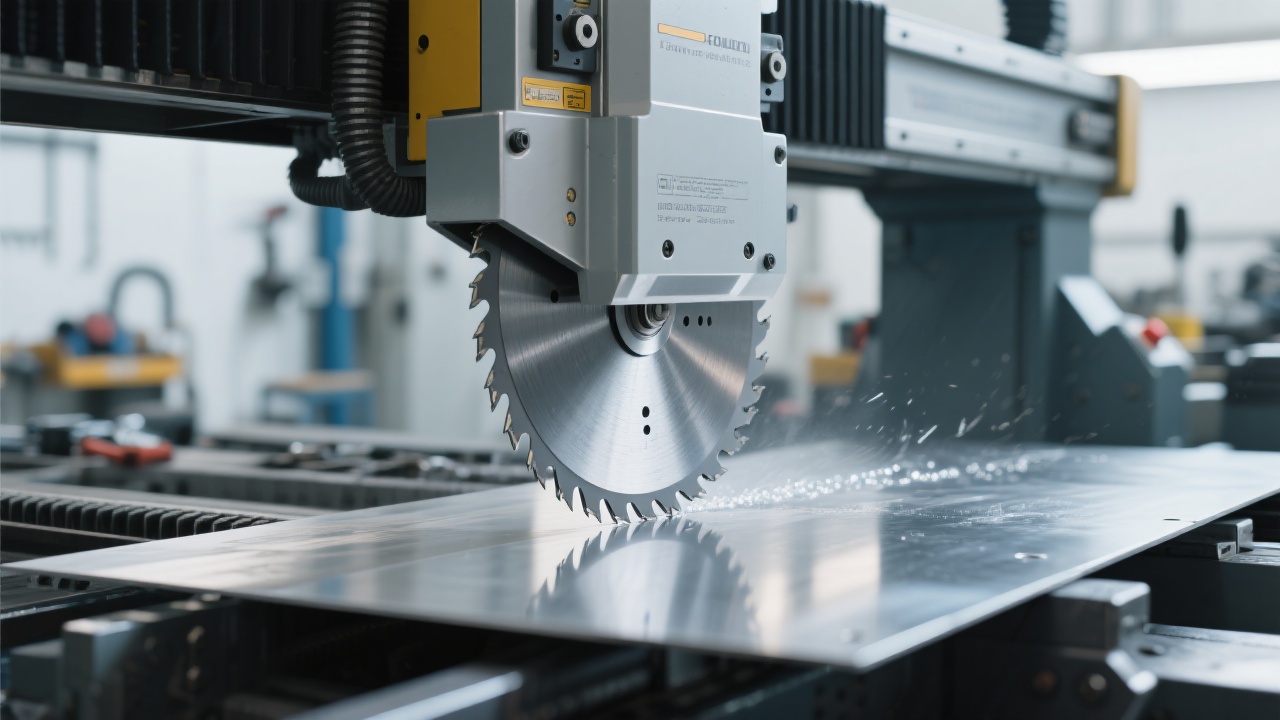
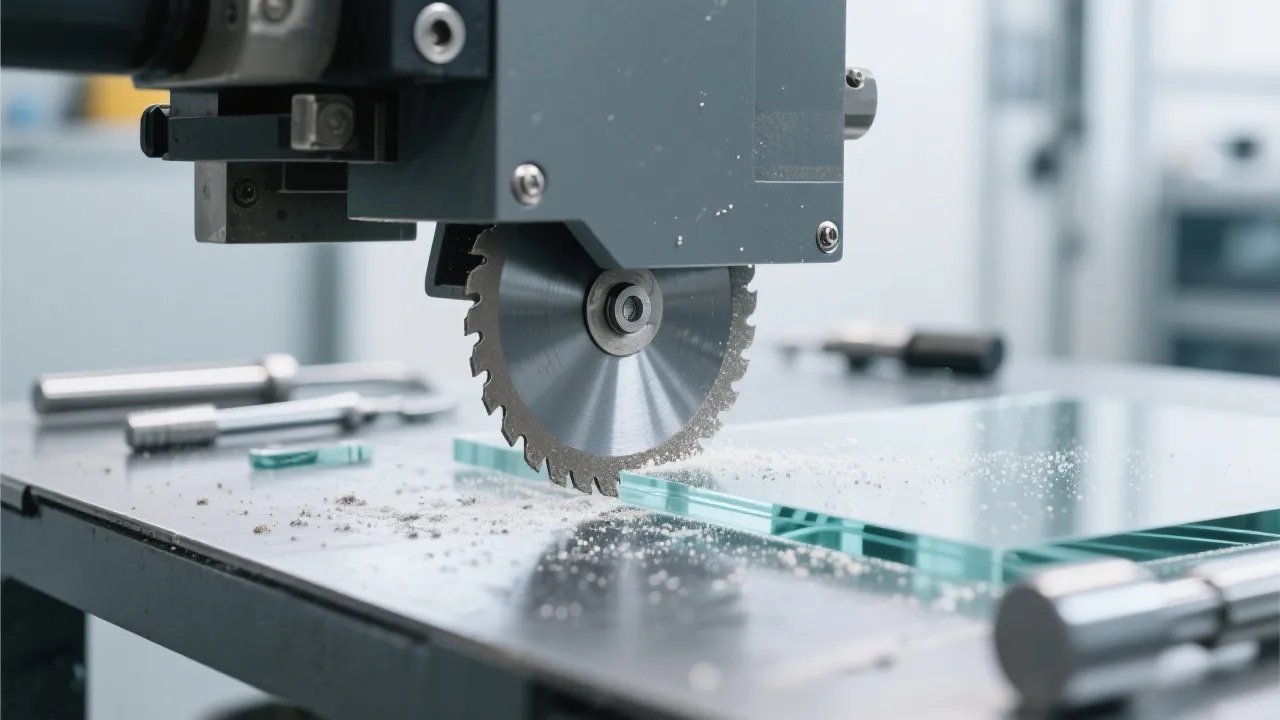
Industrial glass cutting presents numerous challenges. Glass, with its hardness and brittleness, requires a cutting tool that can handle these properties effectively. Diamond saw blades play a core role in this process. They are known for their high hardness and wear - resistance, which are essential for cutting through glass with precision.
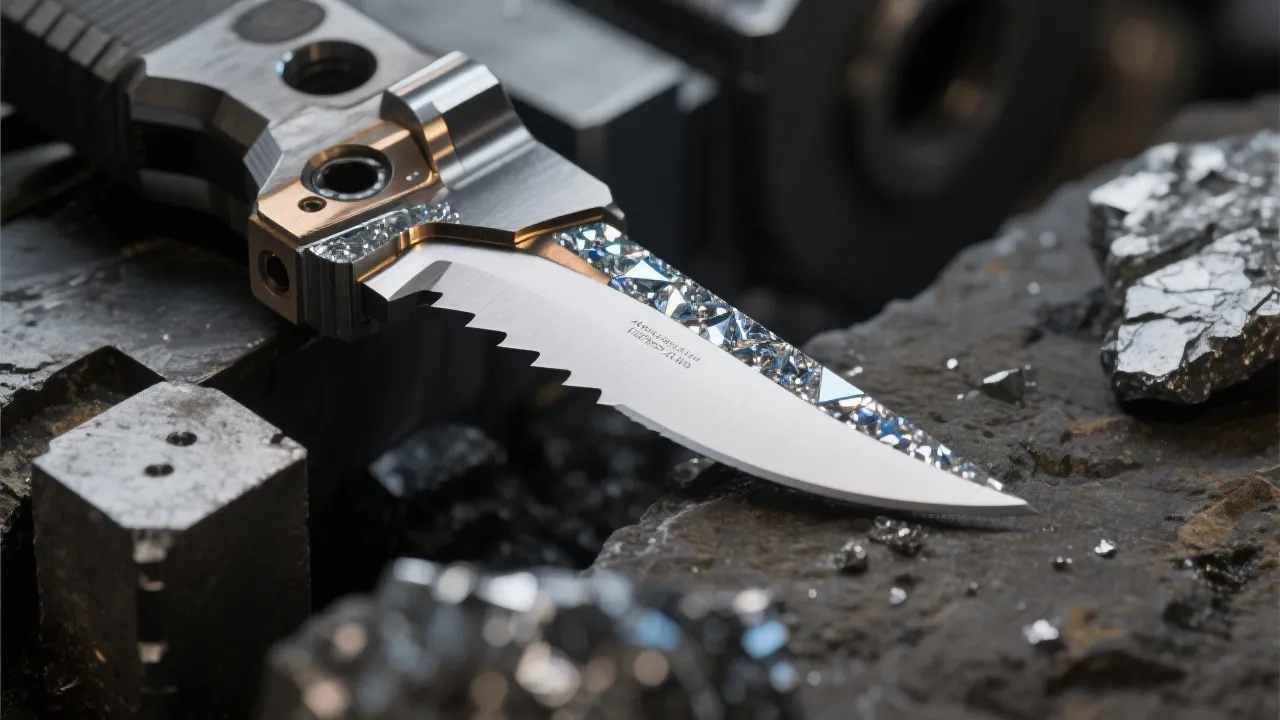
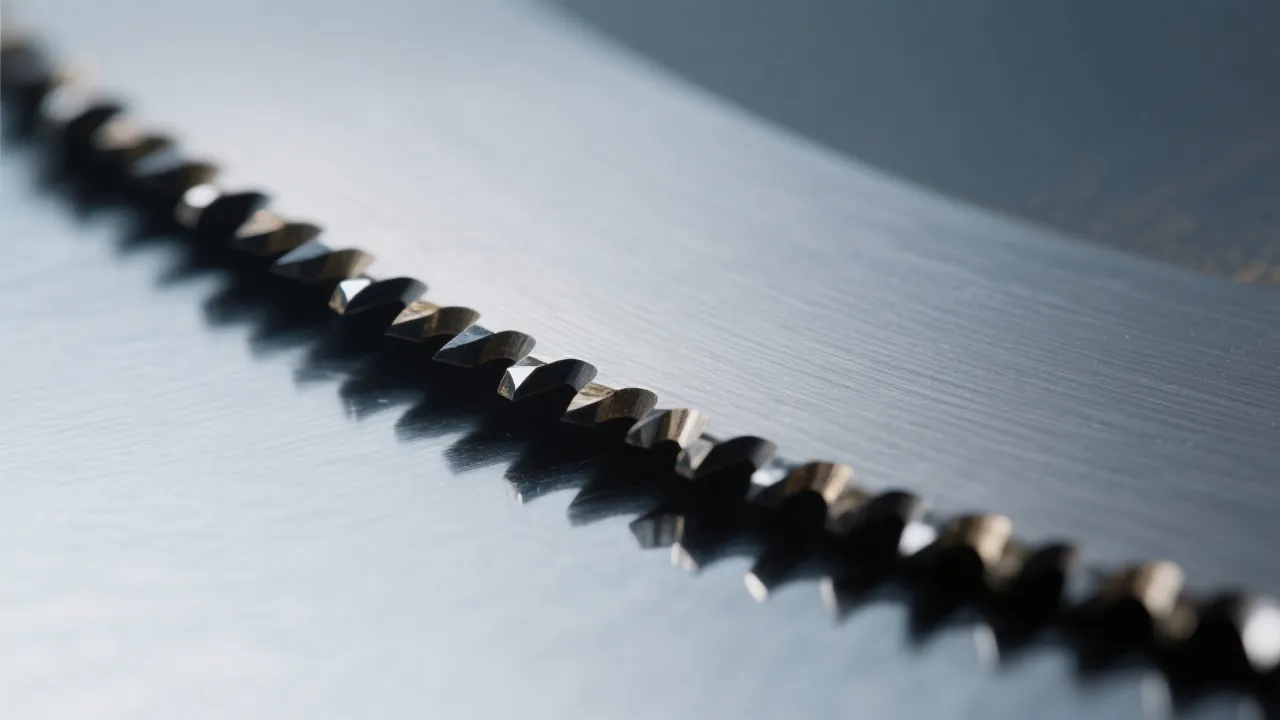
The brazing process is a key factor that sets brazed diamond saw blades apart from electroplated ones. Brazing involves using a filler metal to bond the diamond particles to the saw blade matrix. This results in a stronger bond compared to electroplating.
In terms of welding strength, brazed saw blades can withstand higher cutting forces. For example, a brazed diamond saw blade can maintain its integrity even when cutting through thick glass, while an electroplated blade may experience diamond dislodging under the same conditions.
Regarding thermal stability, brazed saw blades can handle higher temperatures generated during the cutting process. This is crucial as excessive heat can damage the saw blade and the glass being cut. On average, brazed saw blades can operate at temperatures up to 900°C, while electroplated blades may start to degrade at around 600°C.
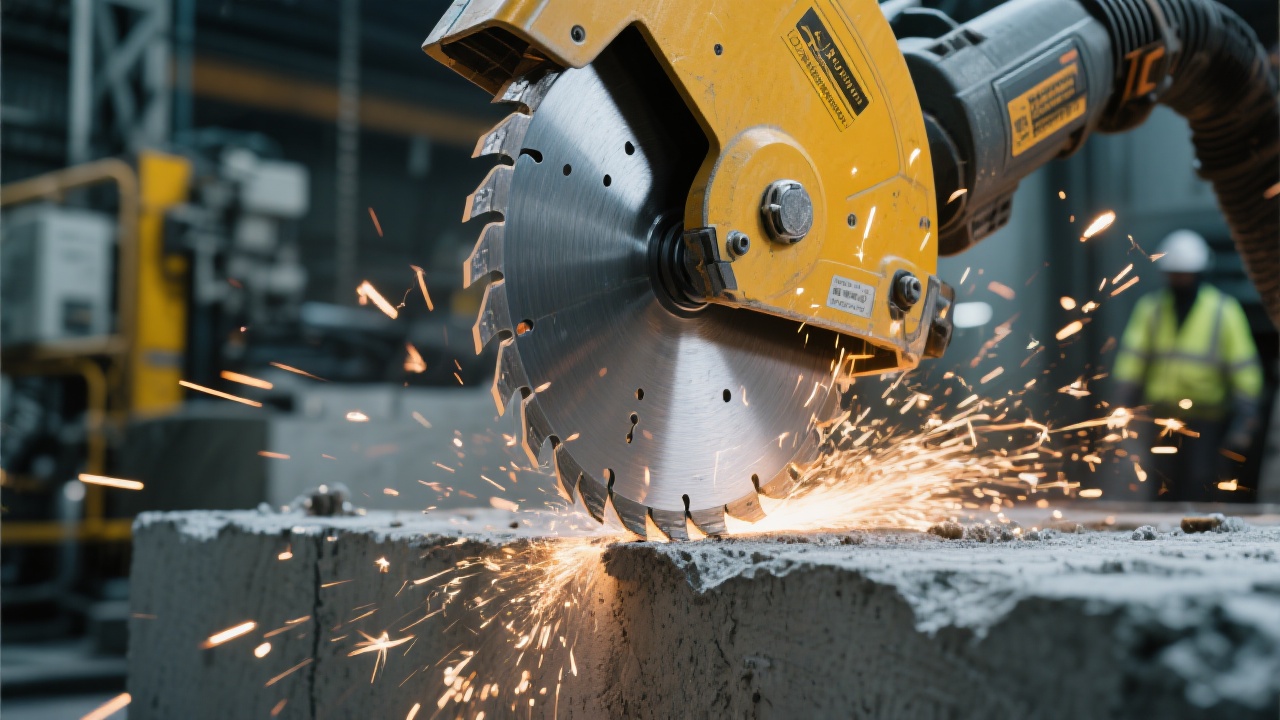
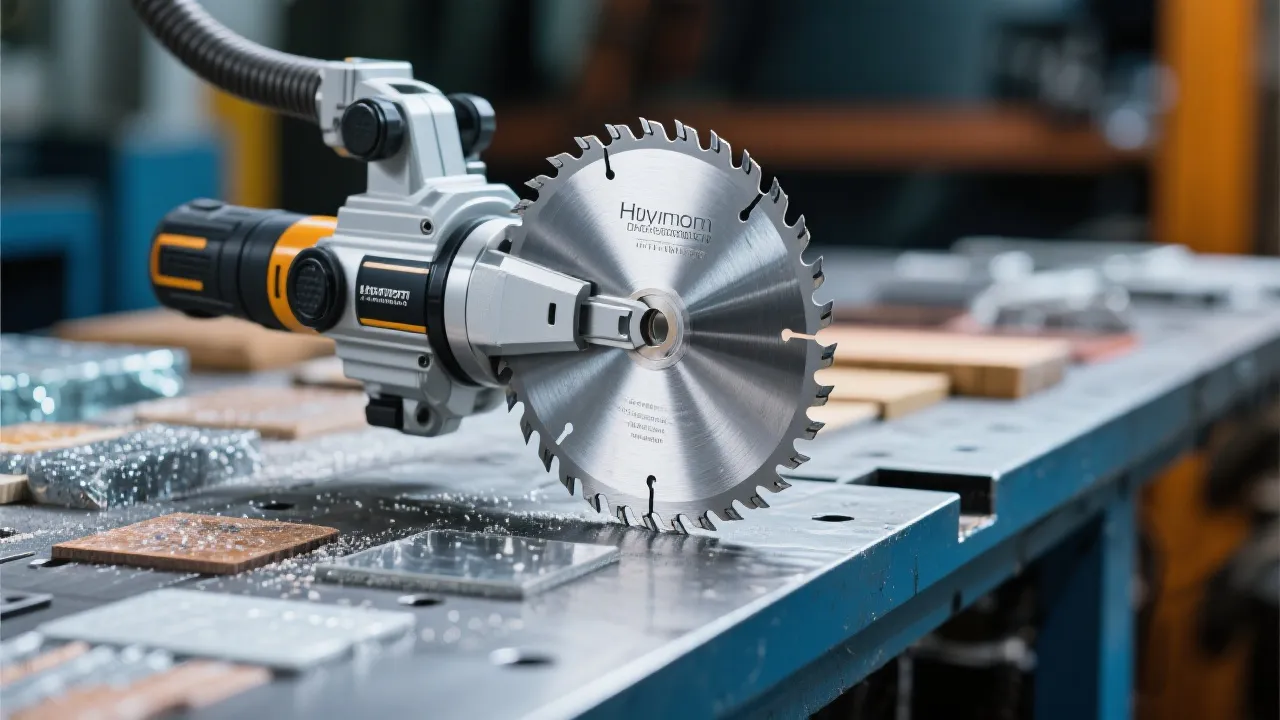
When selecting a saw blade, you need to consider the thickness of the glass, the required precision, and the production efficiency. For thin glass (less than 5mm), a fine - grit brazed diamond saw blade is recommended. This type of blade can provide a high - precision cut and reduce the risk of chipping.
For medium - thickness glass (5 - 15mm), a medium - grit blade is a good choice. It offers a balance between cutting speed and precision. When dealing with thick glass (over 15mm), a coarse - grit blade can cut through the material more quickly, but you may need to perform secondary finishing to achieve the desired precision.
Common problems in glass cutting include edge chipping, fast wear, and rough cutting surfaces. Edge chipping is usually caused by improper blade selection or incorrect cutting parameters. Using a blade with the right grit size and adjusting the cutting speed can help reduce chipping.
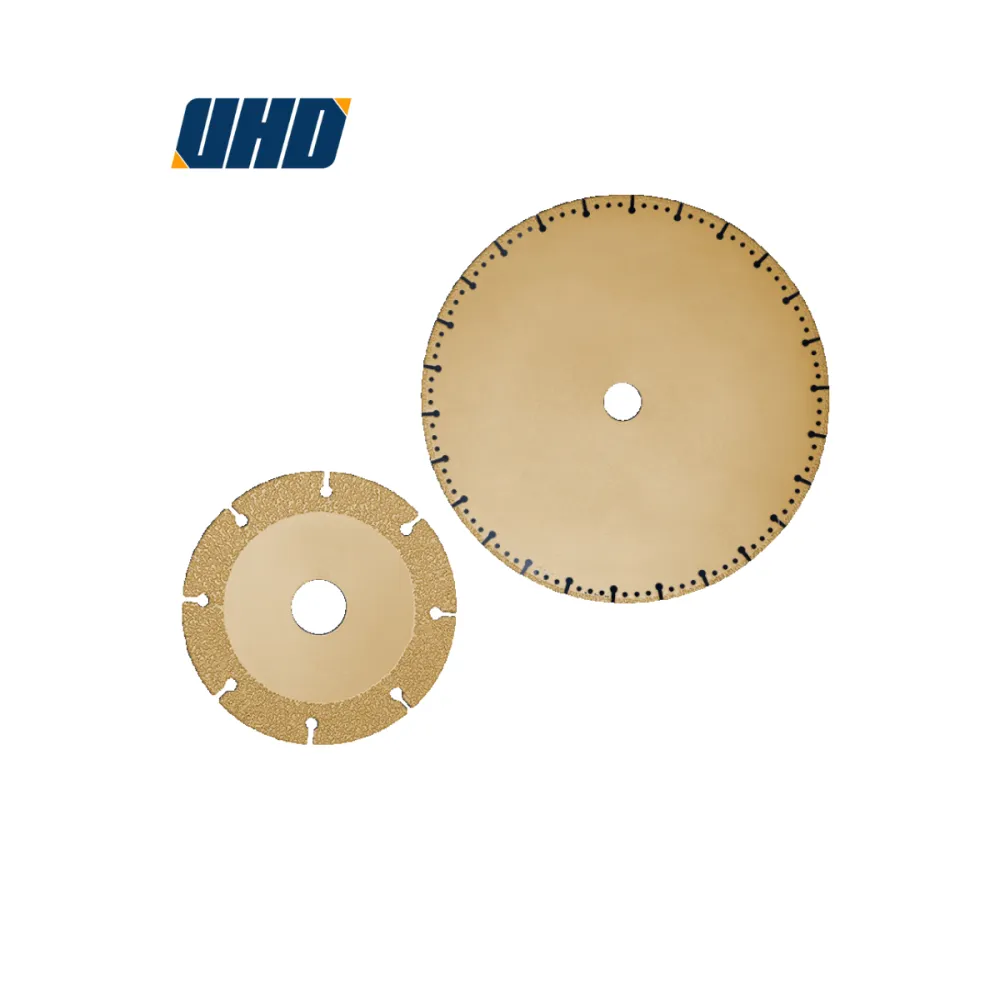
Fast wear can be due to low - quality blades or excessive cutting pressure. Selecting high - quality UHD brazed diamond saw blades can significantly improve wear resistance.
A rough cutting surface may result from a dull blade or incorrect cooling. Regularly sharpening the blade and using an appropriate coolant can solve this problem.
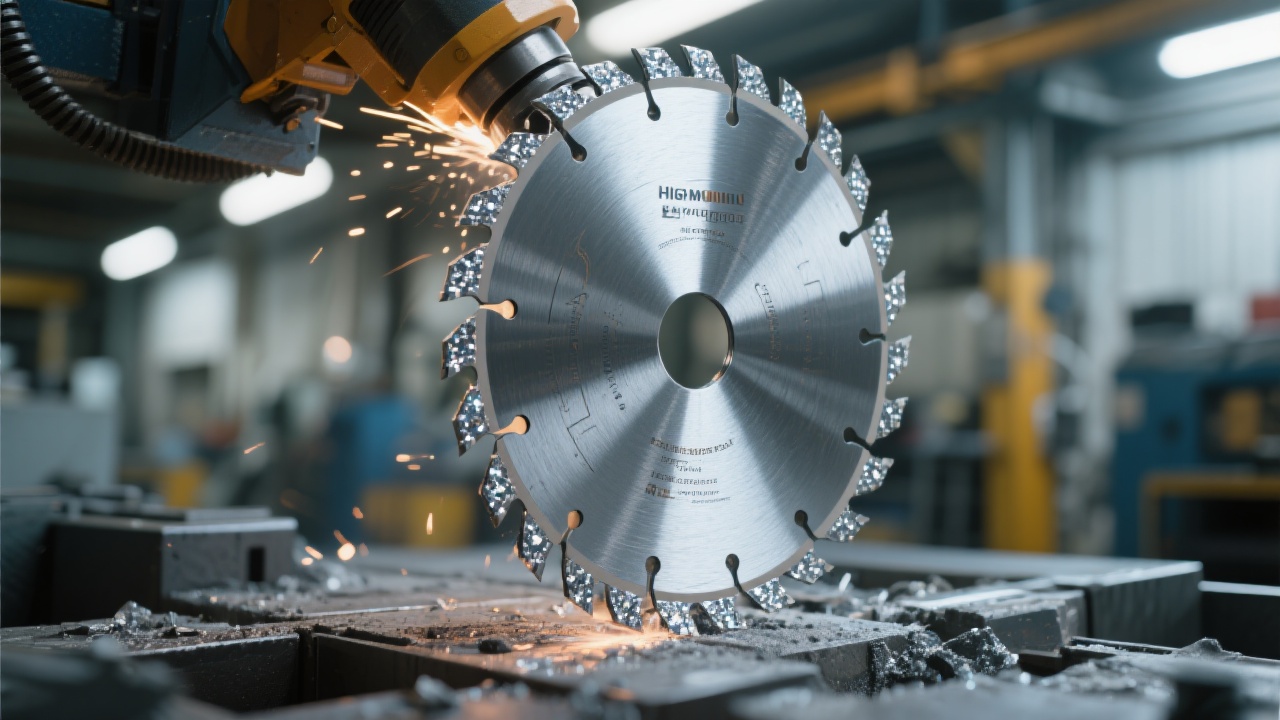
In high - hardness glass cutting scenarios, brazed diamond saw blades have demonstrated their value. For example, in a factory that produces smartphone glass screens, using UHD brazed diamond saw blades increased the cutting efficiency by 30% and reduced the scrap rate by 20%. This shows that these blades can enhance both productivity and quality in high - demand applications.
In conclusion, brazed diamond saw blades offer significant advantages in industrial glass cutting. By understanding their features and learning how to select the right blade for your specific needs, you can optimize your cutting process. Don't miss out on the opportunity to improve your glass - cutting operations. Get customized saw blade selection advice now!


.png?x-oss-process=image/resize,h_1000,m_lfit/format,webp)
.png?x-oss-process=image/resize,h_1000,m_lfit/format,webp)
.png?x-oss-process=image/resize,h_1000,m_lfit/format,webp)