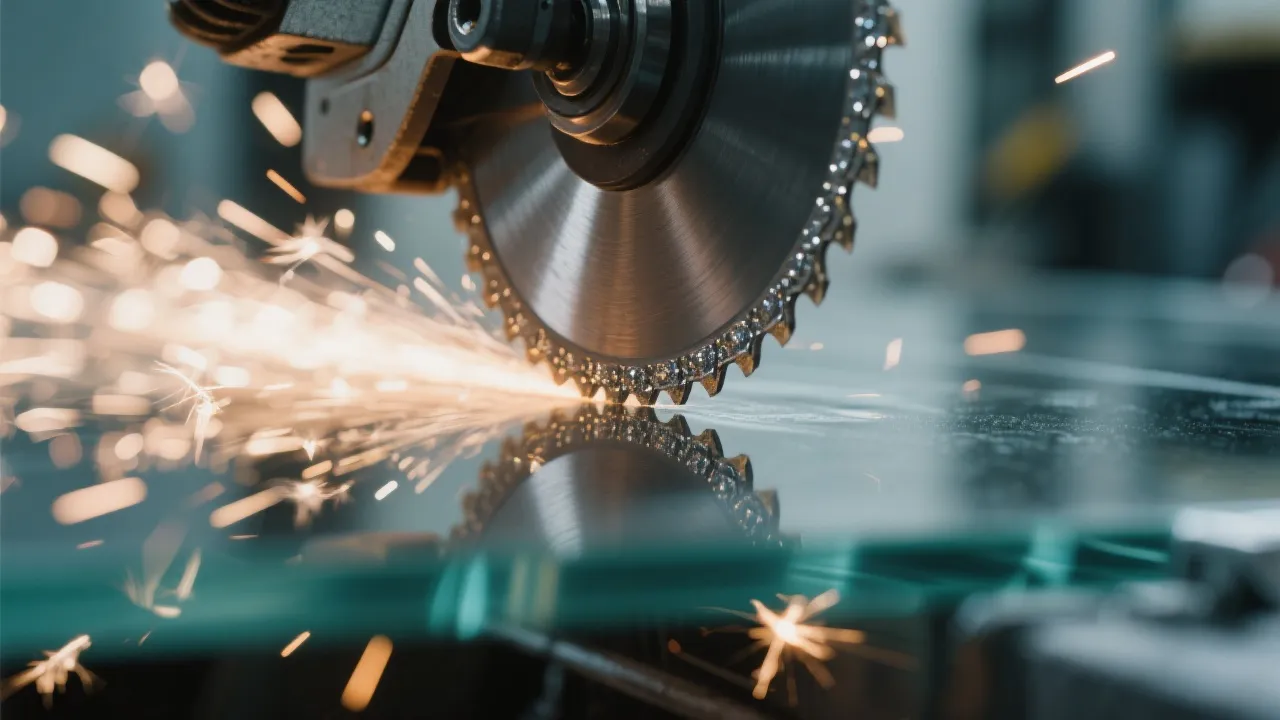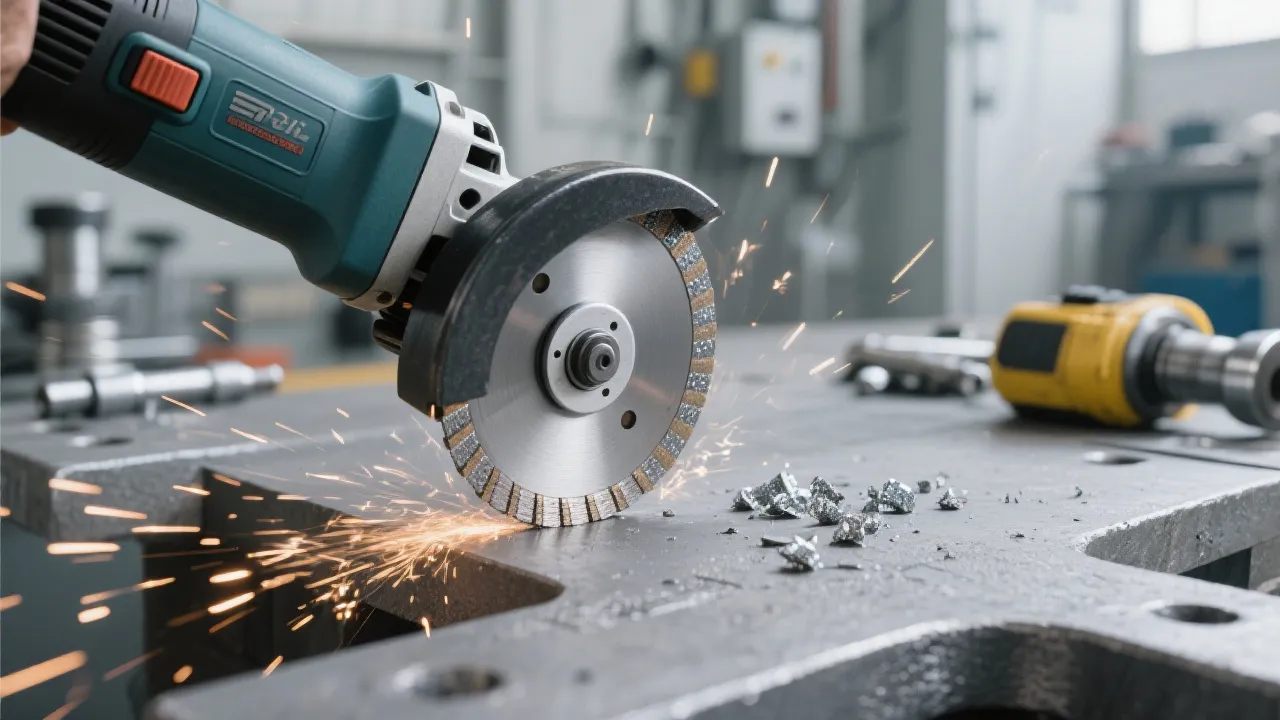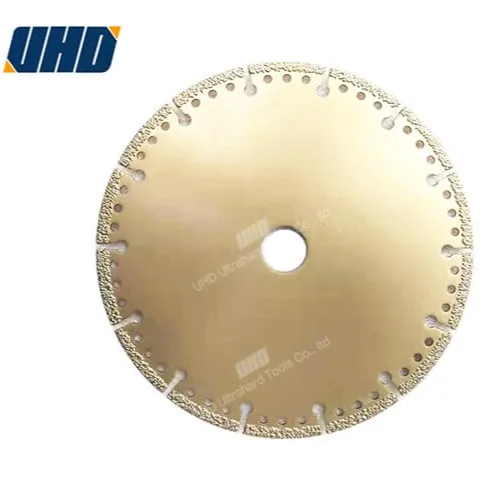
In the heavy - duty cutting industry, selecting the right cutting blades for stone and concrete is crucial for achieving high - efficiency and safe operations. This guide will comprehensively analyze the selection and maintenance strategies of these blades, providing practical advice for on - site managers and technical operators.
Different materials, such as granite and concrete, have varying hardness levels. For granite, which is extremely hard, blades with a specific diamond concentration and particle size are required. Research shows that when cutting granite, blades with a higher diamond concentration (about 50 - 60%) can maintain better cutting performance. In contrast, for concrete, a lower diamond concentration (around 30 - 40%) may be sufficient, as it is relatively softer.
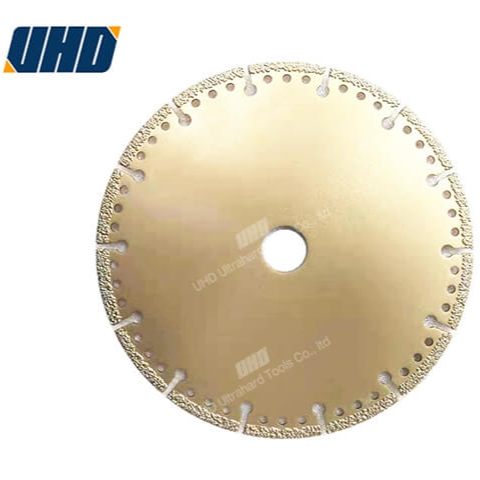
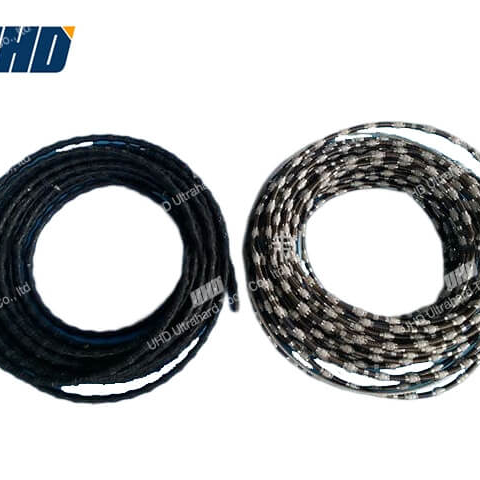
There are various types of cutting equipment, including circular saws, wire saws, and diamond grinding heads. Each type requires a specific blade edge shape and particle size. Circular saws often work well with trapezoidal - edged blades, which can provide a more stable cutting process. Wire saws may need rectangular - edged blades for better flexibility. Diamond grinding heads usually use blades with a wave - shaped edge to increase the cutting area. According to practical engineering data, using the correct blade - equipment combination can increase cutting efficiency by up to 30%.
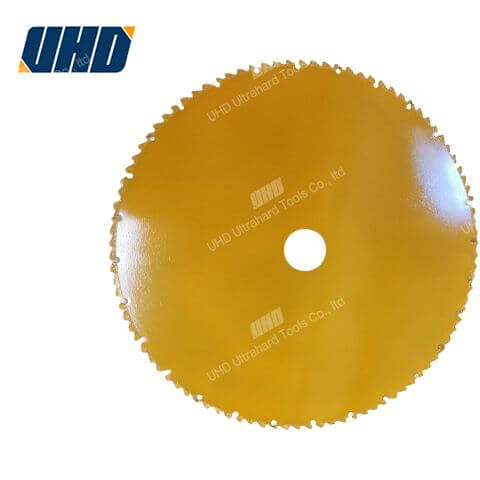
During the cutting process, the choice of cooling methods is vital. Water - cooling can effectively reduce the temperature of the blade, extending its service life. However, it may cause some environmental issues. Air - cooling is more environmentally friendly but may not be as effective in heat dissipation. Controlling the blade's rotation speed and feed rate is also essential. Generally, a rotation speed of 2000 - 3000 RPM and a feed rate of 5 - 10 mm/min can optimize the blade's performance.
Regular maintenance is necessary to ensure the long - term performance of the blades. This includes daily cleaning, wear detection, and regular maintenance. For example, checking the blade for chipping, uneven wear, or overheating every 10 - 15 working hours can help detect potential problems early.
Common blade failures include chipping, uneven wear, and overheating. Chipping may be caused by excessive cutting pressure or a hard foreign object in the material. Uneven wear can result from improper installation or an unbalanced rotation. Overheating is usually due to insufficient cooling or excessive friction. By analyzing the causes, appropriate solutions can be found, such as adjusting the cutting parameters or replacing the blade.
Q: How can I extend the service life of my cutting blades?
A: You can extend the service life by using the correct cooling method, controlling the rotation speed and feed rate, and performing regular maintenance.
Q: What should I do if the blade is chipping?
A: First, check the cutting pressure and the material for foreign objects. Then, adjust the cutting parameters or replace the blade if necessary.
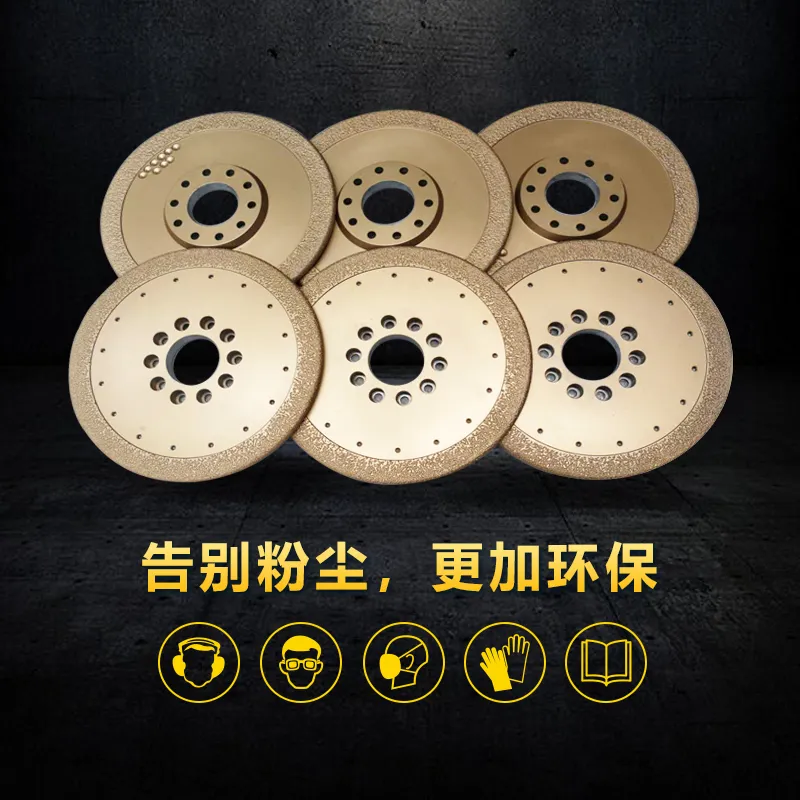
Our company uses advanced UHD vacuum brazing technology and has strong cooperation in industry - university - research. Our products feature high wear - resistance, long service life, and customized services. We are committed to providing you with the most reliable cutting solutions. Explore Our High - Performance Cutting Blades Now!

.png?x-oss-process=image/resize,h_1000,m_lfit/format,webp)

.png?x-oss-process=image/resize,h_1000,m_lfit/format,webp)