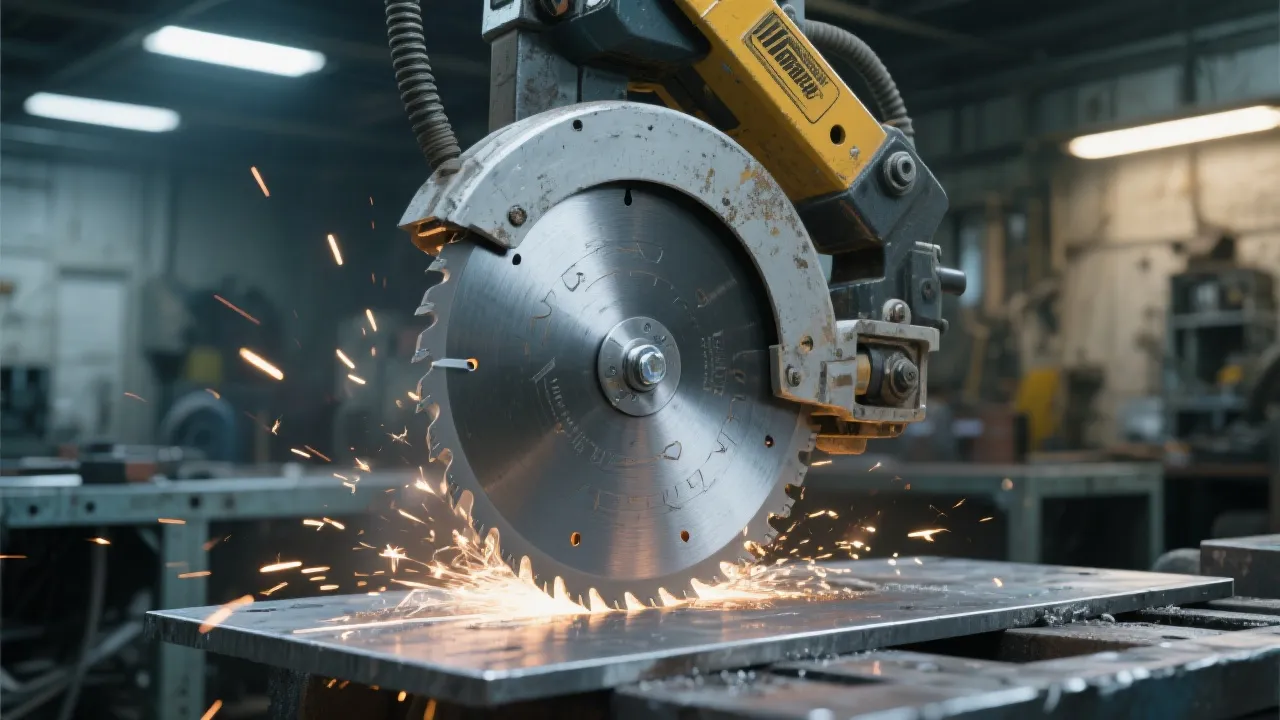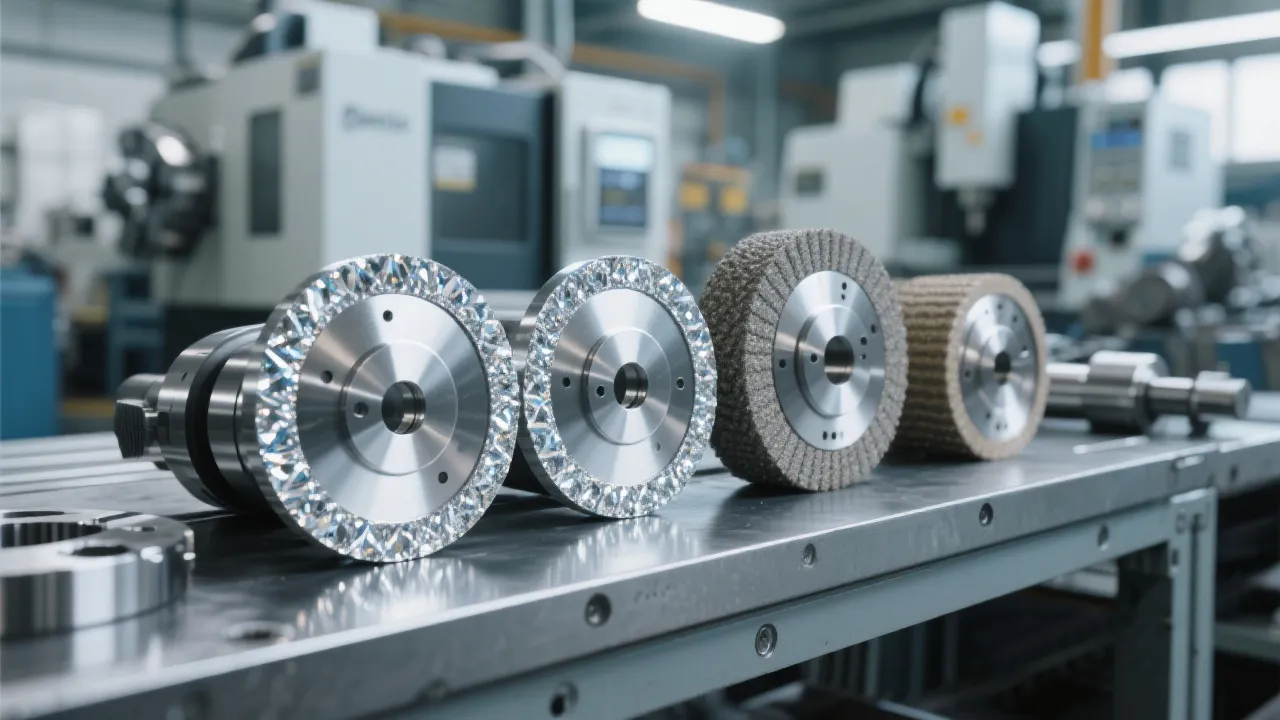
In heavy-duty cutting scenarios, the vibration of saw blades is a common problem that significantly affects cutting precision and safety. Excessive vibration not only reduces the accuracy of cuts but also poses risks to operators and equipment. This article delves into how the structural design of saw blades, especially those with heat sinks, can play a crucial role in controlling vibration and enhancing cutting precision.
Vibration in heavy-duty cutting saws is a widespread issue. It can lead to a decrease in cutting precision, resulting in uneven cuts and potential damage to the workpiece. Moreover, excessive vibration can cause mechanical fatigue, reducing the lifespan of the saw blade and increasing maintenance costs. According to industry data, saw blades with high vibration levels can experience a 30% reduction in cutting accuracy and a 20% decrease in service life compared to those with well - controlled vibration.

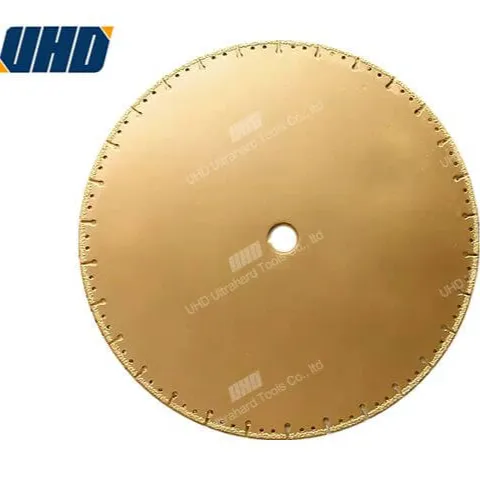
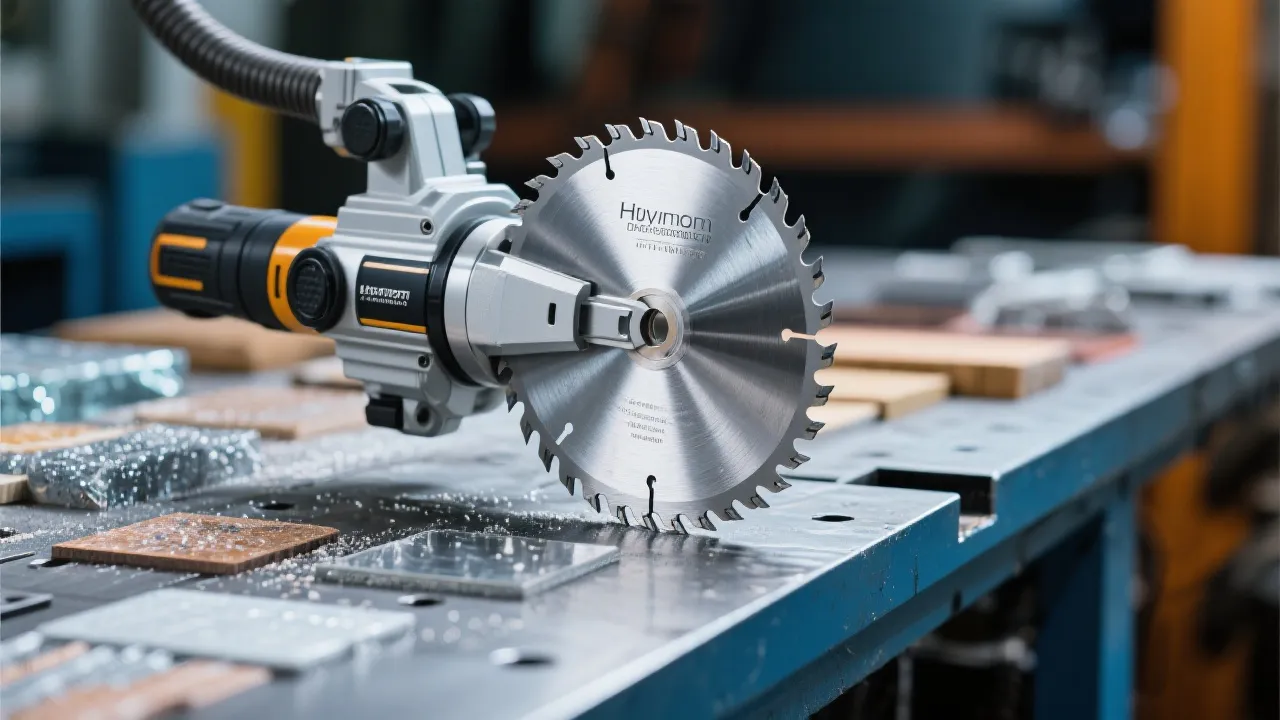
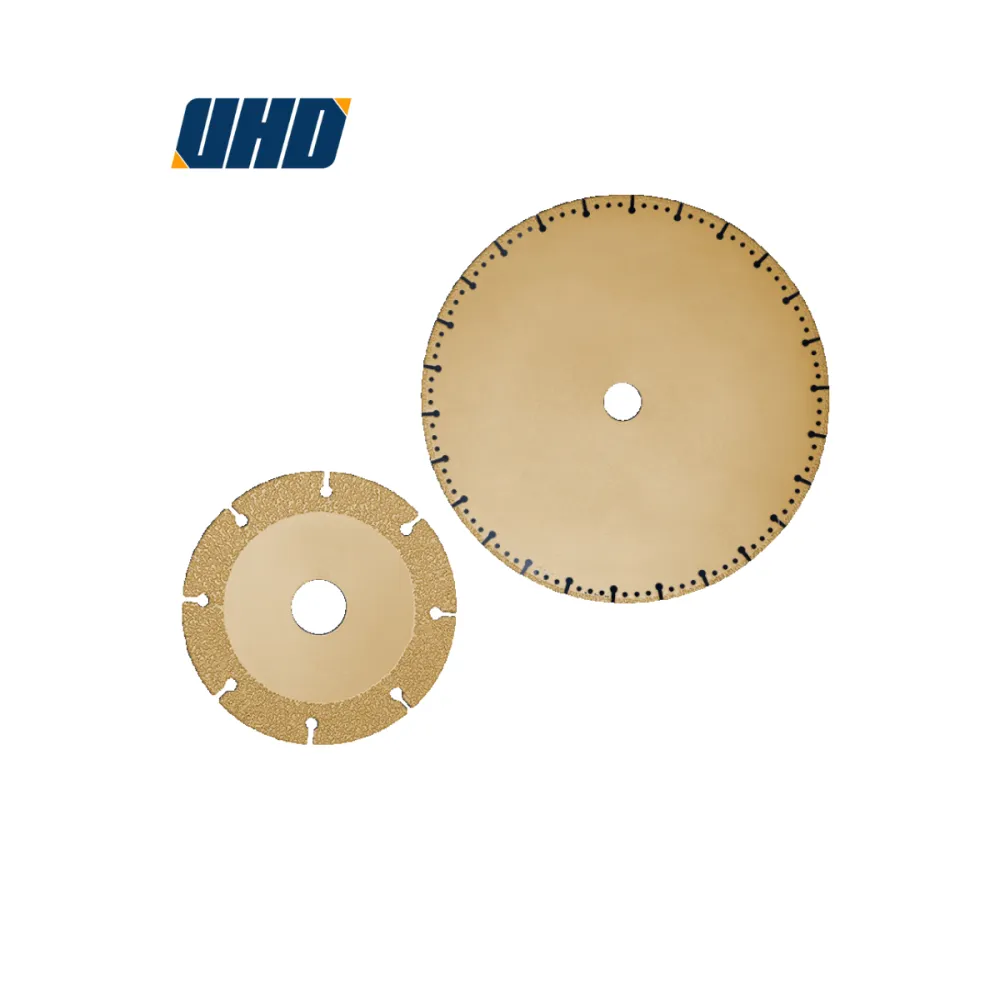
Saw blades with heat sink structures can effectively reduce vibration through balanced mass distribution. The heat sink design helps to lower the resonance frequency of the saw blade, minimizing the occurrence of resonance. By evenly distributing the mass, the saw blade can operate more stably, reducing the amplitude of vibration. In practical applications, saw blades with heat sink structures can reduce vibration amplitude by up to 40% compared to traditional saw blades.
Many operational mistakes can exacerbate saw blade vibration. For example, loose clamping of the saw blade can cause it to wobble during operation, leading to increased vibration. Incorrect rotational speed, either too high or too low, can also result in unstable cutting and excessive vibration. A study found that improper clamping and speed settings can increase vibration levels by up to 50%.
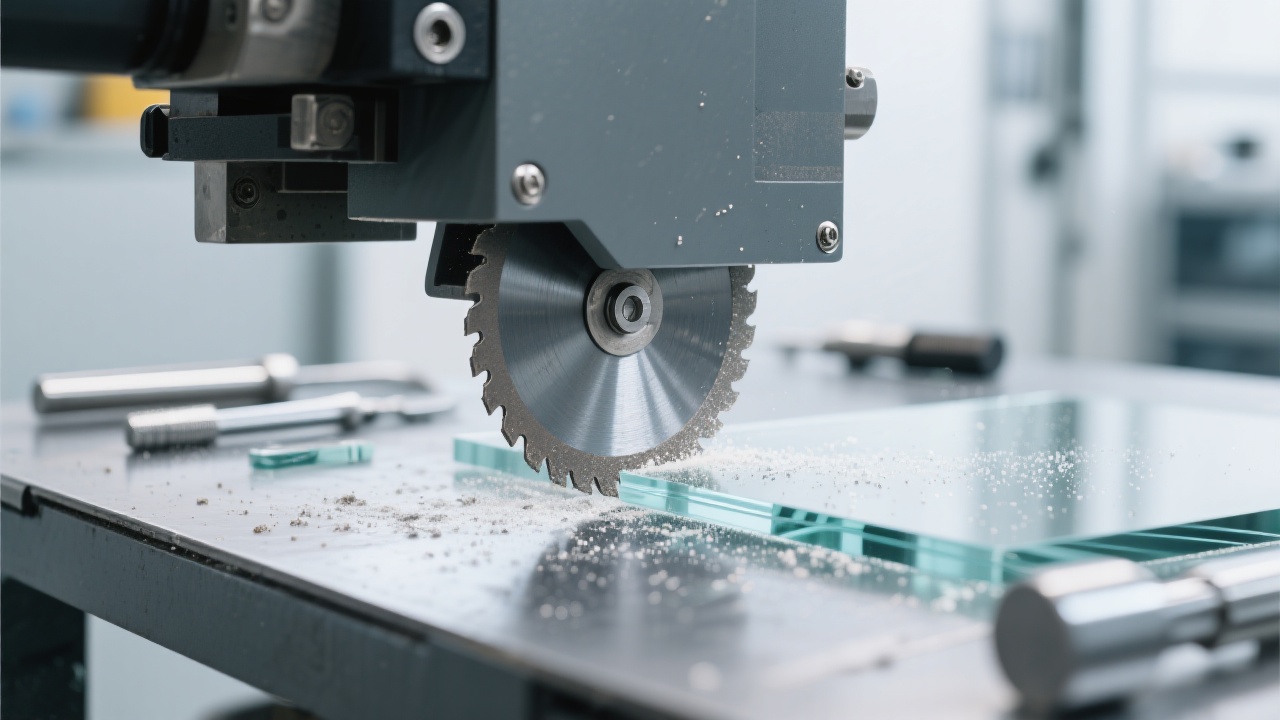
To address vibration issues, several practical solutions can be implemented. First, it is essential to match the saw blade with the appropriate motor power. A well - matched power system can ensure stable operation and reduce vibration. Second, the installation surface of the saw blade should be flat and clean to ensure proper clamping. Third, operators should follow standardized operating procedures, including correct rotational speed settings and proper handling of the saw blade.
"Since we started using UHD saw blades with heat sink structures and following the recommended operating procedures, we have noticed a significant reduction in vibration. Our cutting precision has improved, and the saw blade lifespan has also increased." - A construction site user
In real construction projects, the implementation of vibration control measures has shown remarkable results. After adopting UHD saw blades with optimized structural designs and following proper operating procedures, construction teams have reported a 35% improvement in cutting precision and a 25% increase in saw blade lifespan. These improvements not only enhance the quality of work but also reduce costs and improve safety on the construction site.
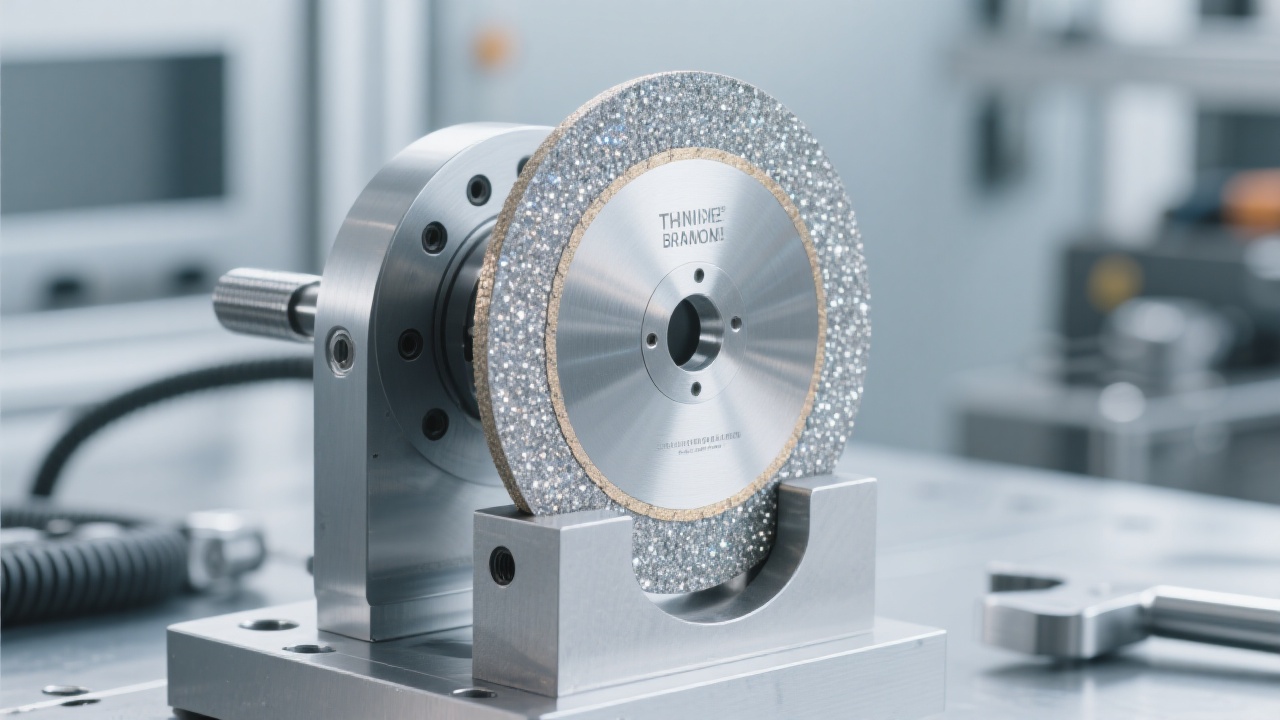
To achieve the best results in reducing vibration and improving cutting precision, it is crucial to combine structural design optimization with good operating habits. Structural design provides a solid foundation for stable operation, while proper operating procedures ensure that the saw blade operates at its best. By emphasizing both aspects, construction teams can achieve long - term benefits, including improved safety, efficiency, and cost - effectiveness.
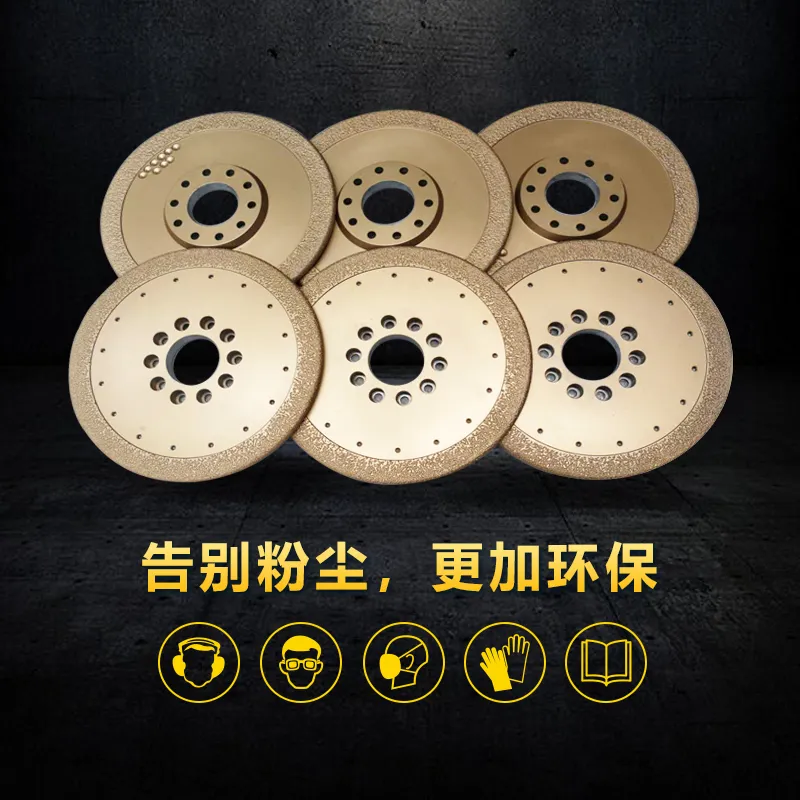
Ready to experience the benefits of reduced vibration and improved cutting efficiency? Discover how UHD 400H saw blades can transform your cutting operations.


.png?x-oss-process=image/resize,h_1000,m_lfit/format,webp)