Heavy-Duty Cutting Blades Maintenance & Failure Diagnosis: A Practical Guide for Industrial Operators

07 01,2026
UHD
Application Tips
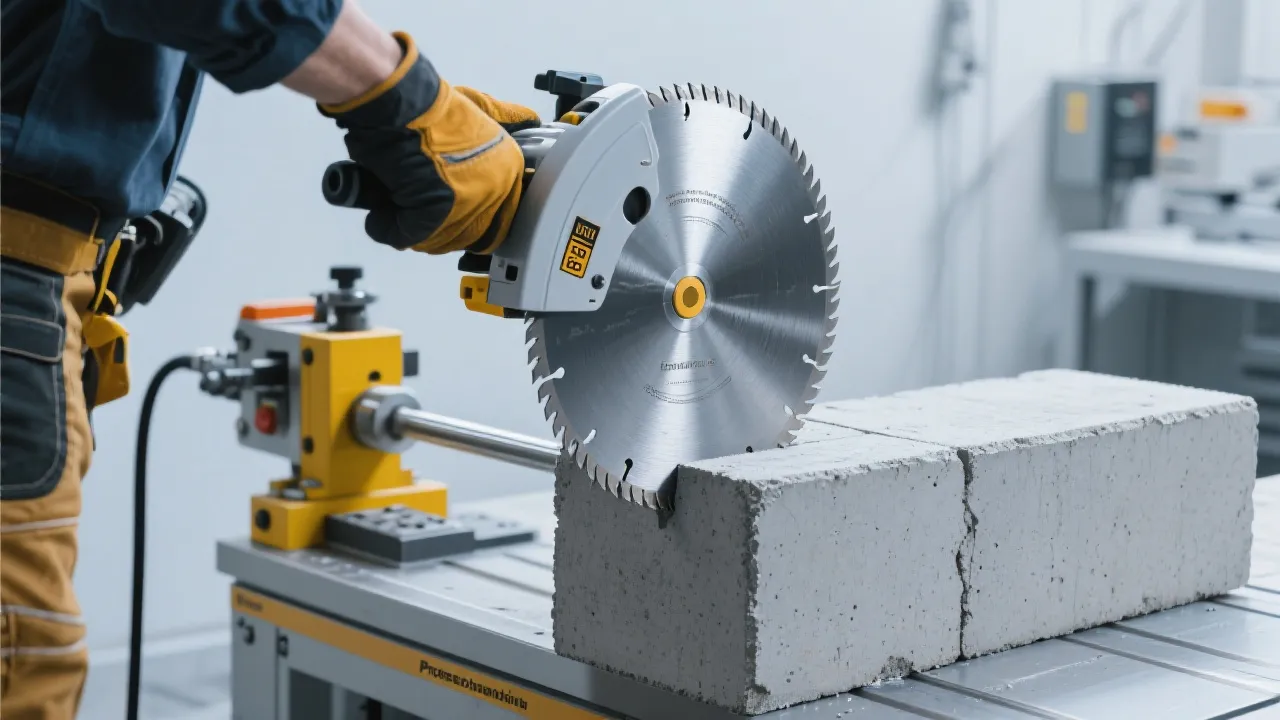
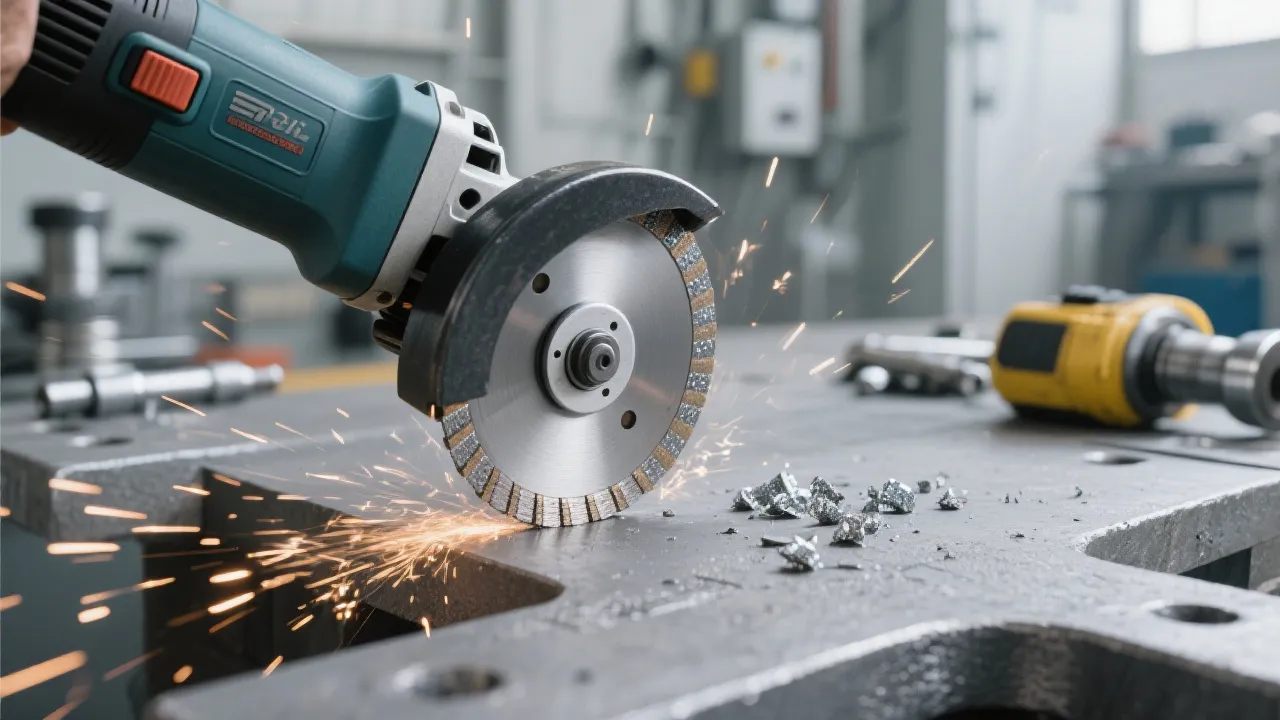
This practical guide dives into the science of selecting and maintaining high-performance diamond blades for heavy-duty stone and concrete cutting applications. It covers material-specific blade matching, cooling methods, speed optimization, and daily maintenance routines to maximize blade life and cutting efficiency. Real-world failure cases, diagnostic insights, and client feedback illustrate how proper techniques reduce downtime and operating costs—making it an essential resource for industrial professionals seeking reliable, safe, and efficient cutting solutions.

Mastering Heavy-Duty Diamond Blades: Maintenance Standards & Real-World Failure Diagnostics

For professionals in stone fabrication, construction, and demolition, the performance of a diamond blade isn’t just about cutting speed—it’s about safety, cost control, and operational uptime. At UHD Ultra-Hard Materials, we’ve spent over 15 years refining how industrial teams select, maintain, and troubleshoot high-performance blades for concrete, granite, and reinforced materials.

Why Proper Blade Selection Matters More Than You Think

According to field data from 47 major infrastructure projects across Europe and North America, improper blade selection leads to an average of 23% premature wear—costing operators up to $8,500 per job in downtime and replacement expenses. The key lies in matching three factors:

  • Material hardness: Soft concrete (MPa < 30) needs coarse grit (30–45 mesh), while hard granite (>100 MPa) demands fine grain (60–100 mesh).
  • Machine type: Rotary saws require different edge geometry than gang saws—especially when handling thick slabs or rebar-laden surfaces.
  • Cooling method: Water cooling reduces thermal stress by up to 40%, but air cooling works better in dry environments where water access is limited.

Daily Maintenance That Extends Blade Life by 30–50%

A well-maintained blade can last 2–3x longer than one neglected after each shift. Here's what top-performing crews do:

  1. Clean after every use: Use a soft brush and neutral pH cleaner to remove resin residue and dust buildup—this prevents clogging and uneven wear.
  2. Inspect for cracks or chipping: Even minor damage accelerates failure. Set weekly visual checks using a magnifying lamp (ideal resolution: 5x).
  3. Store properly: Keep blades flat in a dry, temperature-controlled area—avoid stacking them directly on concrete floors.

Real Failures, Real Solutions: A Case Study

In a recent project in Dubai involving precast concrete panels, a contractor reported frequent blade edge breakage during continuous cuts. Our engineers found that the operator was running at 120 RPM above optimal speed (recommended: 80–100 RPM). Once adjusted, blade life increased from 12 hours to 28 hours—an improvement of 133%. This case highlights why precision matters more than raw power.

Another common issue? Uneven wear. Often caused by misaligned guides or inconsistent feed rates. In one instance, a UHD customer reduced wear by 65% simply by installing a digital depth gauge system—no extra labor, just smarter setup.

Your Next Step: Get Expert Guidance Tailored to Your Operation

Whether you're managing a team of 5 or 50, understanding these principles ensures fewer interruptions, lower costs, and safer operations. With UHD’s custom blade design service, you get tools engineered not just for your material—but for your specific workflow.

Ready to Reduce Downtime and Boost Efficiency?

Get Your Free Blade Performance Audit Today
Name *
Email *
Message*

Recommended Products

Popular articles
Recommended Reading

Related Reading

Contact us
Contact us
https://shmuker.oss-accelerate.aliyuncs.com/tmp/temporary/60ec5bd7f8d5a86c84ef79f2/60ec5bdcf8d5a86c84ef7a9a/thumb-prev.png