In - depth Analysis of Edge - Chipping Causes in Hard Material Cutting: How to Effectively Avoid Saw Blade Damage and Improve Export Project Quality
10 02,2026
Technical knowledge
Are you frequently encountering edge - chipping problems when cutting hard materials? This not only affects construction quality but may also lead to saw blade damage and safety hazards. This article delves deep into the causes of edge - chipping, including uneven internal stress release in materials, diamond wear - out failure, and excessive cutting speed. Combining the technical advantages of the UHD 400H on - site special brazed diamond saw blade (such as highly wear - resistant diamond particles, heat sink structure, and stable feed design), it provides practical solutions, such as constant feed rate control, water - cooling to reduce thermal stress, and regular saw blade status checks. These suggestions help professional construction teams and individual contractors improve cutting accuracy and efficiency, reduce loss costs, and create high - quality projects.
Why Does Chipping Occur During Hard Material Cutting and How to Avoid It?
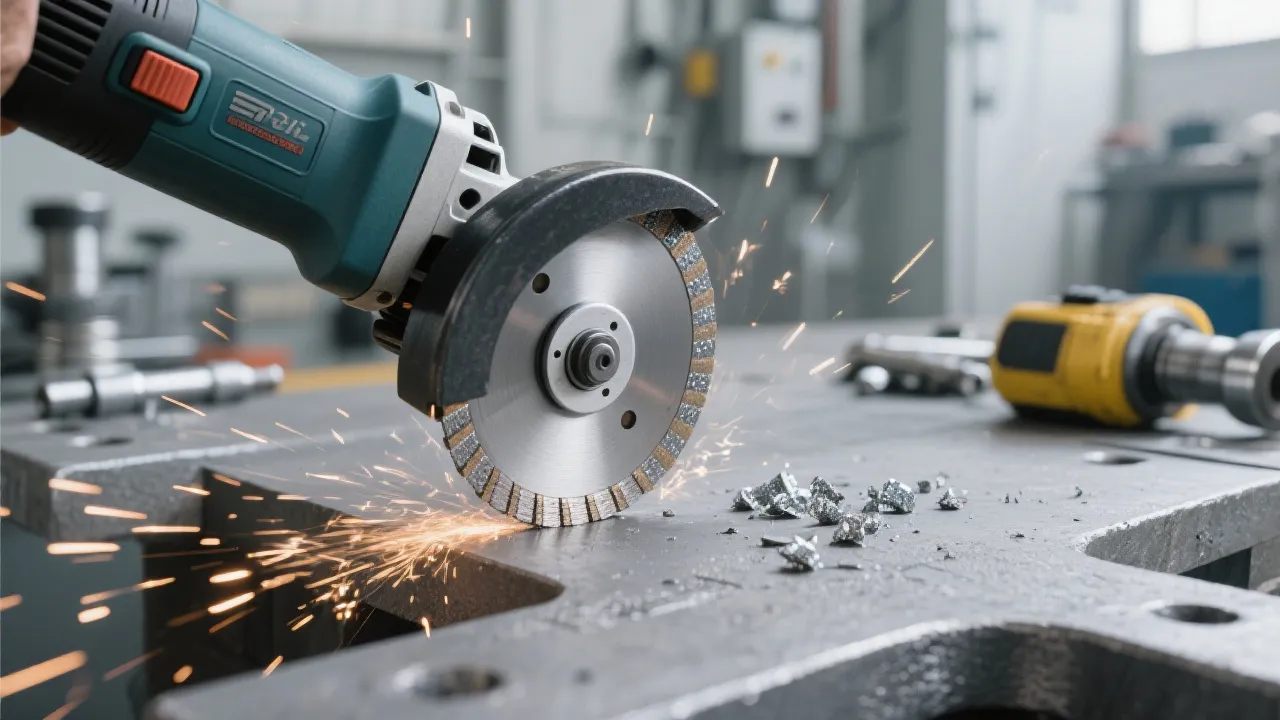
You're likely no stranger to the frustrating issue of chipping when cutting hard materials like tiles or granite. This problem not only affects the quality of your construction work but also poses risks such as saw blade damage and safety hazards. In this article, we'll dive deep into the reasons behind chipping and offer practical solutions to help you enhance your cutting precision and efficiency, while also extending the lifespan of your saw blades.
Unveiling the Three Core Causes of Chipping
Let's start by examining the three main factors that contribute to chipping during hard material cutting:
- Uneven Stress Release in Materials: Hard materials often have internal stresses. When cutting, if these stresses are not released evenly, it can lead to chipping. For example, in concrete or granite, sudden stress changes can cause small pieces to break off at the cutting edge.
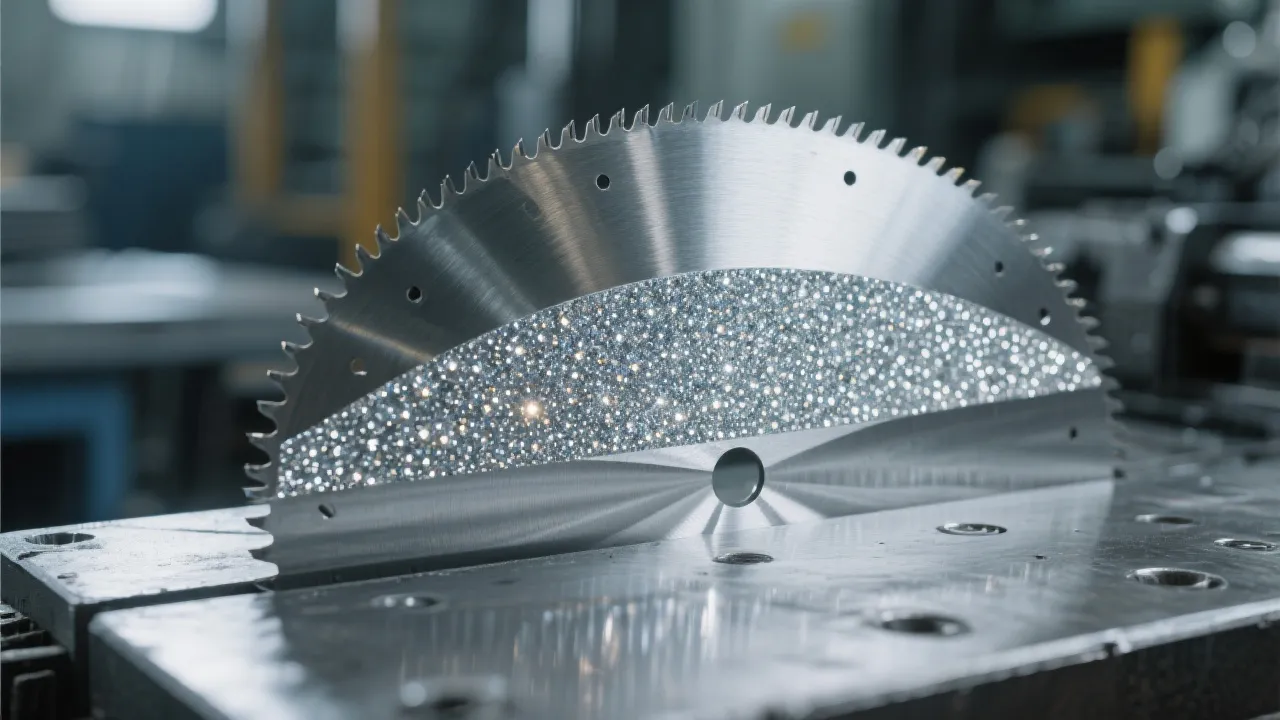
- Reduced Saw Blade Sharpness: As the saw blade is used, the diamond particles on it gradually wear out. Once the blade loses its sharpness, it has to exert more force to cut through the material, increasing the likelihood of chipping. Industry data shows that a worn - out saw blade can cause chipping in up to 30% more cuts compared to a sharp one.
- Inappropriate Cutting Parameters: Cutting too fast or using incorrect feed rates can also result in chipping. High - speed cutting without proper control can cause the saw blade to push the material too hard, leading to uneven cutting and chipping.
Practical Improvement Measures
Now that we've identified the causes, let's look at some effective solutions:
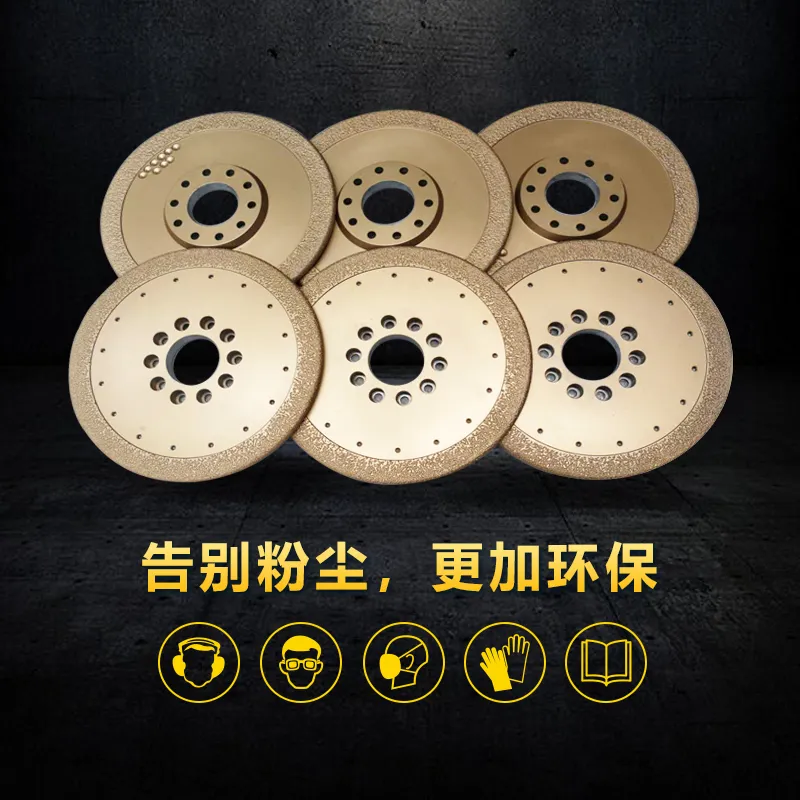
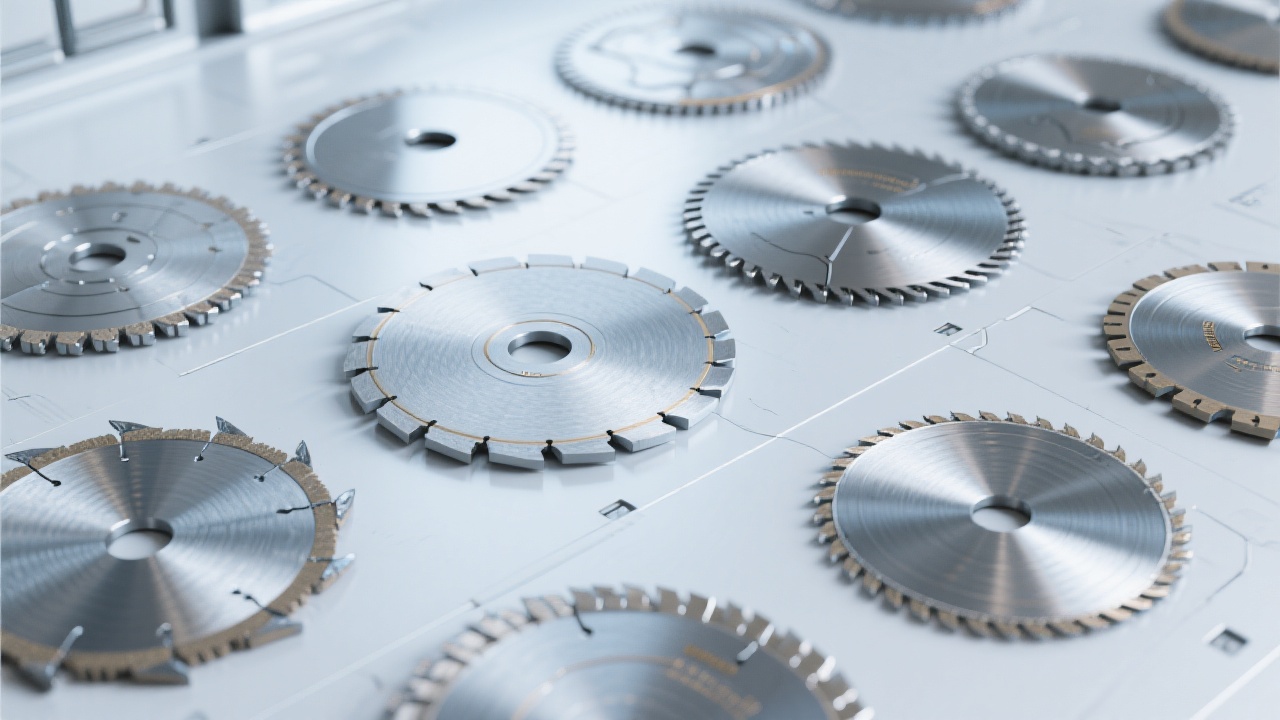
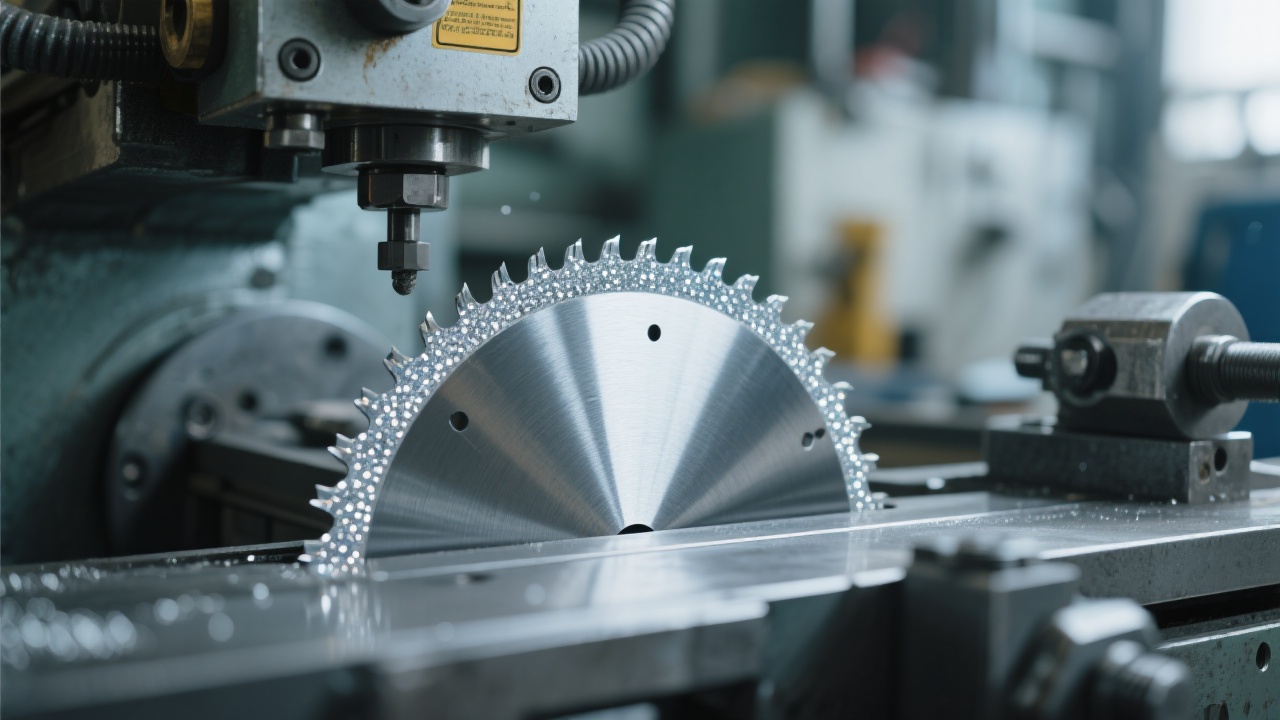
- Choose a High - Performance Saw Blade: The UHD 400H site - specific brazed diamond saw blade is an excellent choice. It features high - wear - resistant diamond particles, a heat sink structure, and a stable feed design. These features allow the saw blade to maintain its sharpness for longer periods and cut more smoothly, reducing the risk of chipping.
- Maintain a Constant Feed Rate: By keeping a consistent feed rate during cutting, you can ensure even pressure on the material, minimizing the chances of chipping. Studies have shown that maintaining a constant feed rate can reduce chipping by up to 25%.
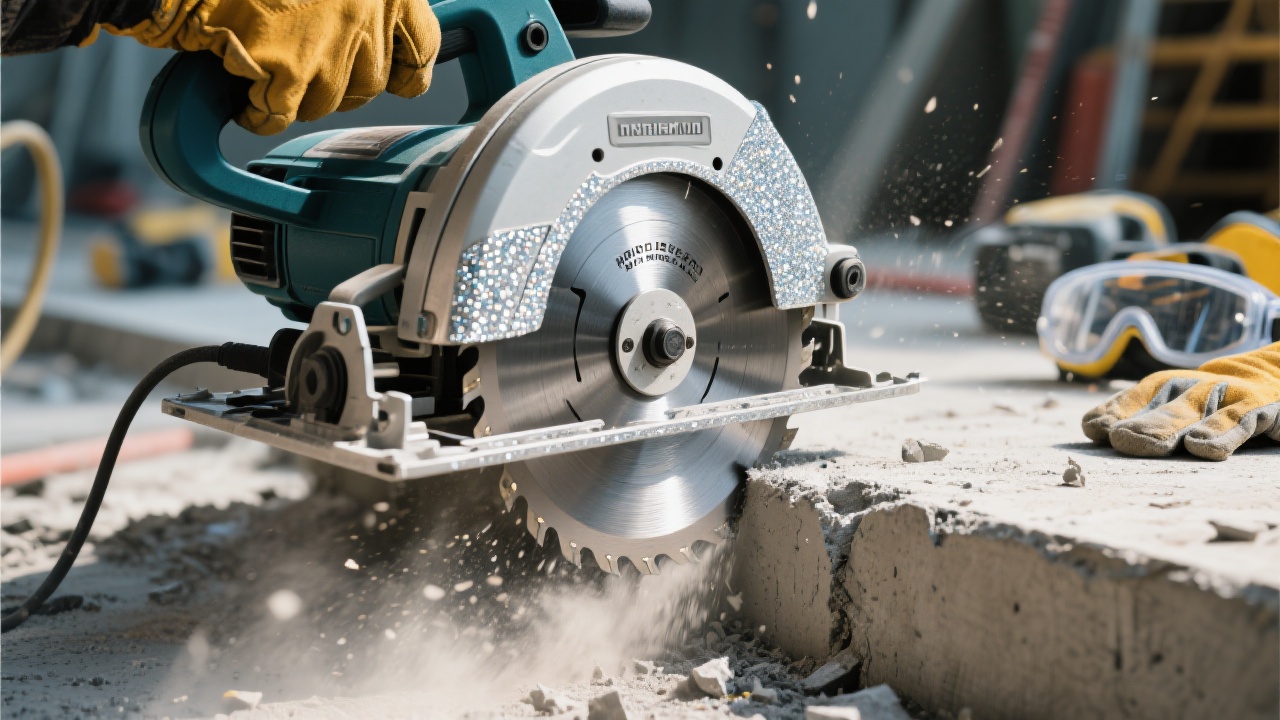
- Use Water Cooling for Temperature Control: Cutting hard materials generates a lot of heat, which can cause thermal stress and lead to chipping. Using water cooling can effectively reduce the temperature of the saw blade and the material, reducing thermal stress and improving cutting quality.
Recognizing Saw Blade Aging Signals
It's important to know when your saw blade is reaching the end of its lifespan. Here are some signs that indicate it's time to replace your saw blade:
- Rough Cutting Surface: If the surface of the cut material becomes rough, it may be a sign that the saw blade is no longer sharp enough.
- Abnormal Vibration: Excessive vibration during cutting can indicate that the saw blade is worn or damaged.
- High Temperature: If the saw blade gets unusually hot during cutting, it may be due to excessive friction caused by wear.
Efficient Cutting Steps and Saw Blade Self - Check List
To further help you improve your cutting efficiency and saw blade maintenance, here is a five - step efficient cutting guide and a saw blade self - check list:
Efficient Cutting Five - Step Method
- Prepare the material and ensure it is properly secured.
- Select the appropriate saw blade for the material.
- Set the correct cutting parameters, including speed and feed rate.
- Start cutting with a slow and steady motion, and maintain a constant feed rate.
- After cutting, clean the saw blade and store it properly.
Saw Blade Self - Check List
- Check the sharpness of the saw blade regularly.
- Inspect for any signs of damage, such as cracks or missing diamond particles.
- Monitor the temperature and vibration during cutting.
We encourage you to share your experiences in the comments section below. Have you encountered chipping problems during cutting? What solutions have you found effective?
If you want to learn more about the advanced technology of the UHD 400H saw blade and how it can help you improve your cutting performance, click here.

.png?x-oss-process=image/resize,h_1000,m_lfit/format,webp)

.png?x-oss-process=image/resize,h_1000,m_lfit/format,webp)