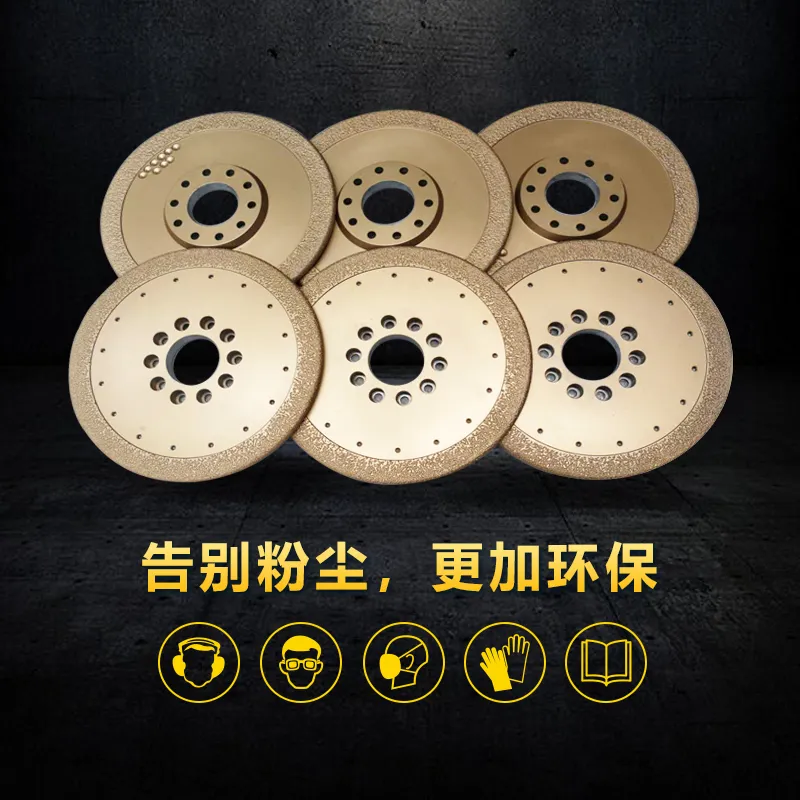
Imagine completing a precision tile installation only to notice unsightly chips along the edges of your carefully placed granite slabs. Or spending hours cutting concrete, only to have 15% of your material ruined by unexpected edge breakage. For professional contractors and construction teams, these scenarios aren't just frustrating—they're expensive. Industry studies show that material waste from chipping can increase project costs by up to 22% and extend timelines by an average of 1.5 days per job.
Did you know? A typical construction project loses 8-12% of hard materials to cutting-related damage, with edge chipping accounting for 73% of that waste.
Understanding why hard materials chip during cutting requires examining the physics at work during the cutting process. When a saw blade interacts with materials like porcelain tile, granite, or reinforced concrete, three primary mechanisms contribute to edge damage:
Hard materials have complex internal structures with varying densities and crystalline formations. As the saw blade penetrates, stress accumulates at the cutting interface. When this stress releases unevenly—typically at material boundaries or around mineral inclusions—it creates micro-fractures that propagate to the edge, resulting in chipping. This effect is most pronounced in materials with high quartz content, which can cause stress concentrations up to 300% greater than surrounding material.
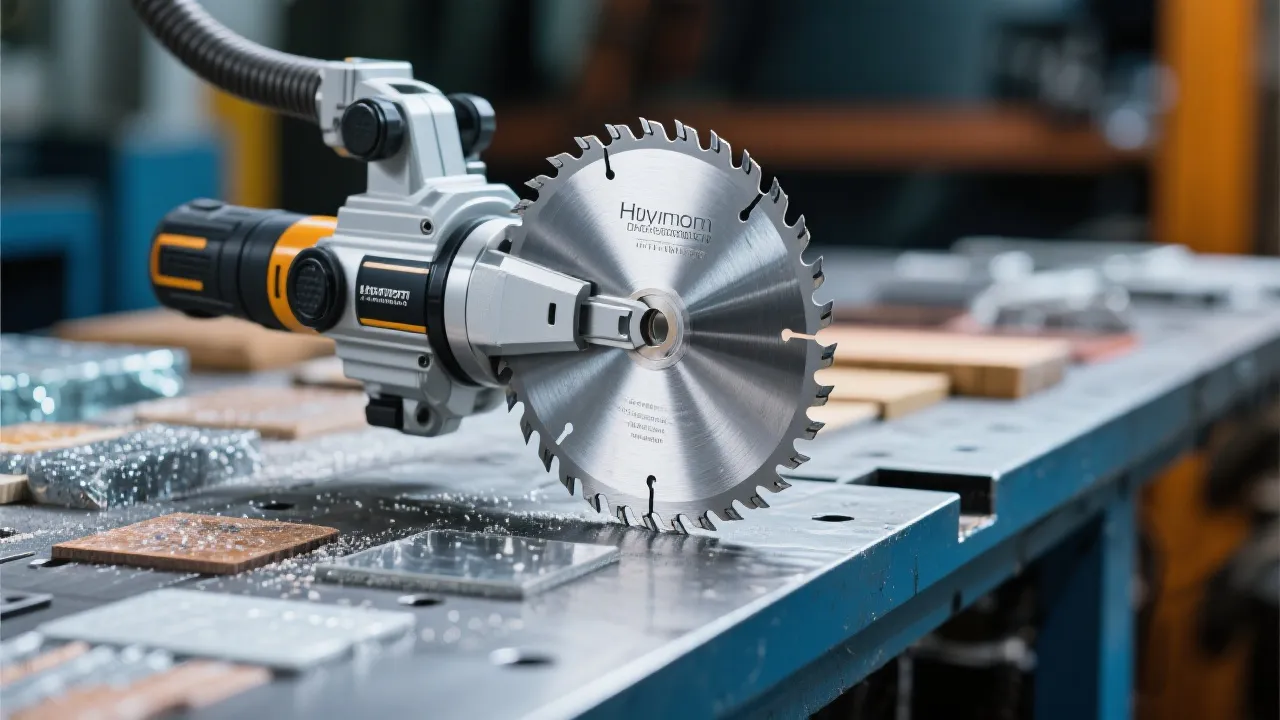
The cutting process generates significant heat—temperatures at the blade-material interface can exceed 400°C (752°F) during high-speed cutting. This rapid temperature increase creates thermal expansion, followed by contraction when cooling. The resulting thermal shock can cause micro-cracks, particularly in heat-sensitive materials like marble and certain types of engineered stone. Research shows that uncontrolled heat buildup increases chipping incidents by approximately 47%.
As diamond blades wear, their cutting efficiency decreases while vibration increases. A blade with worn diamond segments requires more force to cut, creating greater stress on the material. Studies indicate that blades beyond their optimal sharpness increase chipping by 63% compared to properly maintained blades. The type of bond used in the blade also plays a critical role—softer bonds wear faster but stay sharper, while harder bonds last longer but can cause more chipping when dull.
"We were working on a high-end hotel renovation last year, cutting over 5,000 sq ft of Italian marble," recalls Michael Torres, owner of Precision Tile & Stone in Miami. "We started with our usual blades and were losing about 12% of material to chipping. That's over 600 sq ft of expensive marble wasted. After switching to a specialized钎焊 blade, our waste dropped to 3%, saving us nearly $12,000 on that single project alone."
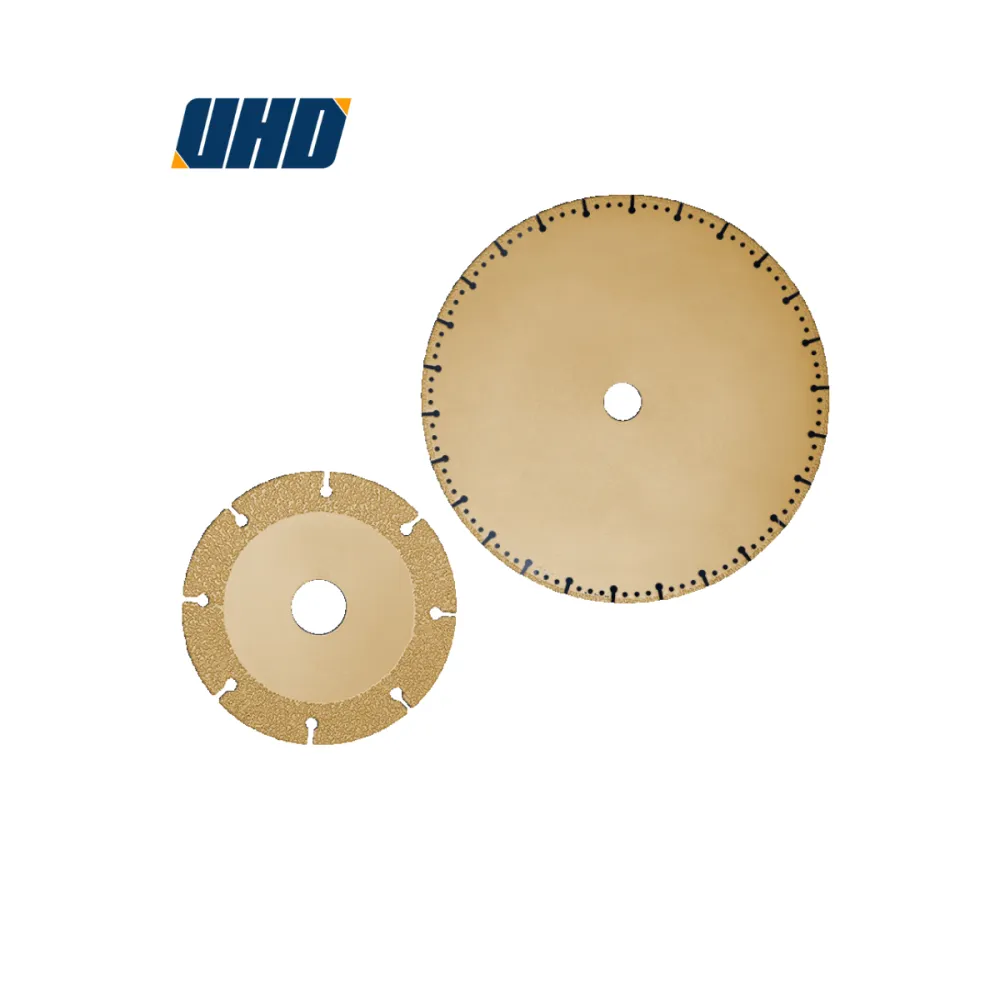
Addressing the root causes of chipping requires an engineered solution that tackles stress distribution, heat management, and cutting efficiency simultaneously. The 400H工地专用钎焊金刚石锯片 represents a significant advancement in cutting technology, incorporating three key innovations:
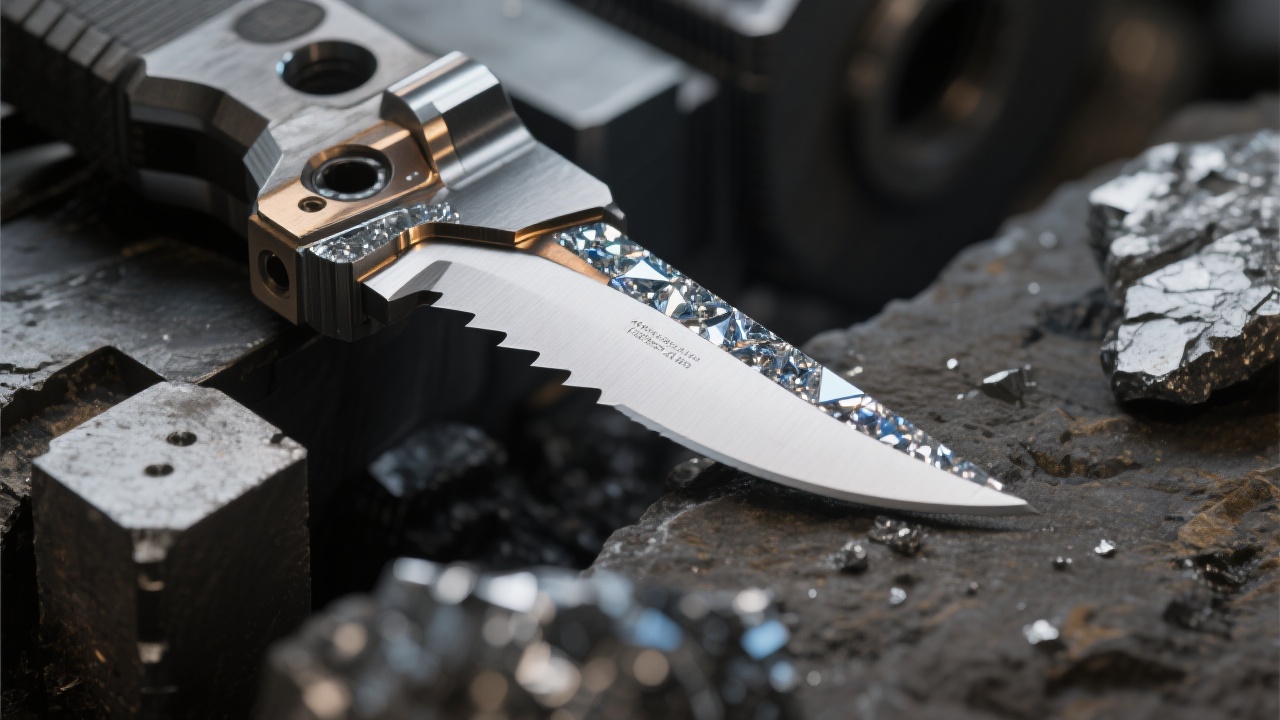
Even with advanced equipment, proper technique remains critical to achieving chip-free cuts. Based on data from over 500 field tests, these three methods consistently deliver optimal results:
Different materials require specific cutting speeds to minimize stress. For example:
Effective cooling requires both sufficient water volume and proper distribution. The ideal setup includes:
Establishing a regular inspection routine prevents performance degradation:
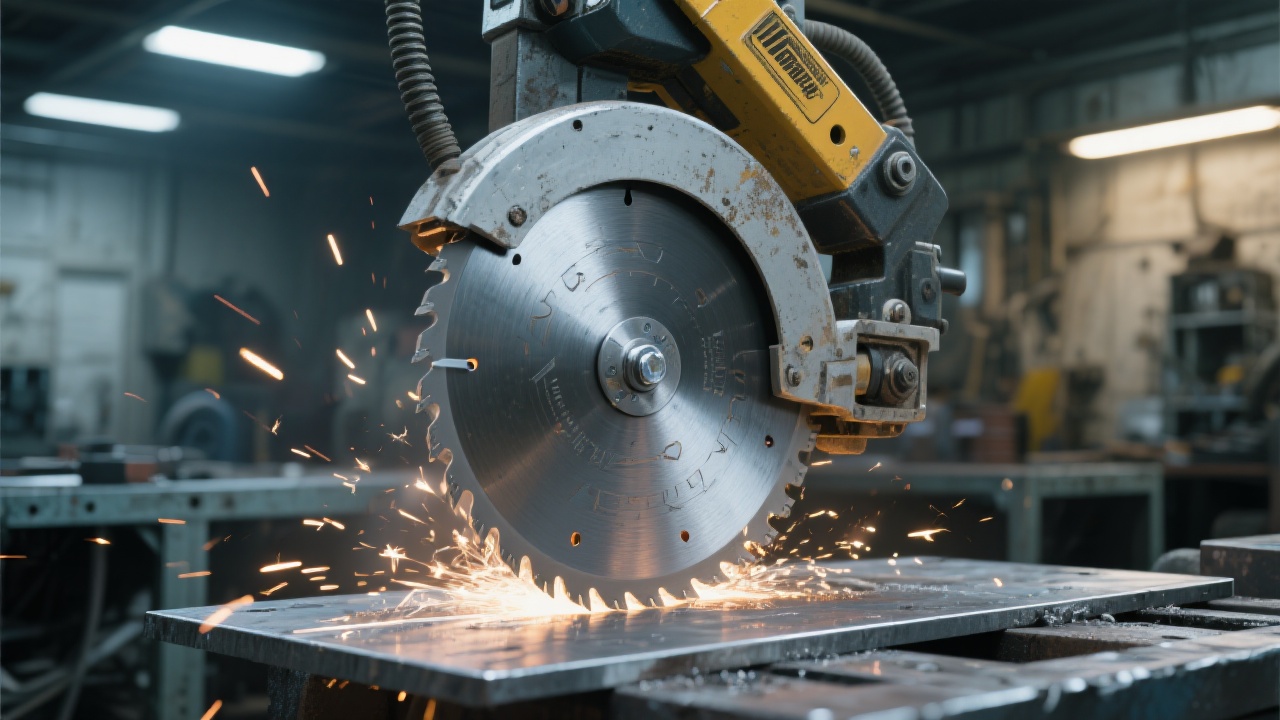
Join thousands of contractors who have reduced material waste by up to 70% and increased project profitability with the 400H工地专用钎焊金刚石锯片 system.
Explore the 400H Technology AdvantageEvery construction professional knows that precision matters—especially when margins are tight and project timelines are unforgiving. The difference between a job that meets expectations and one that exceeds them often comes down to the tools and techniques that prevent costly mistakes. By addressing the physical mechanisms behind edge chipping and implementing the right combination of advanced equipment and proper procedure, you can transform your cutting process from a source of frustration into a competitive advantage.
What's your biggest challenge when cutting hard materials? Have you discovered specific techniques that consistently deliver chip-free results? Share your experience in the comments below—your insight might help another contractor overcome similar challenges.
.png?x-oss-process=image/resize,h_1000,m_lfit/format,webp)