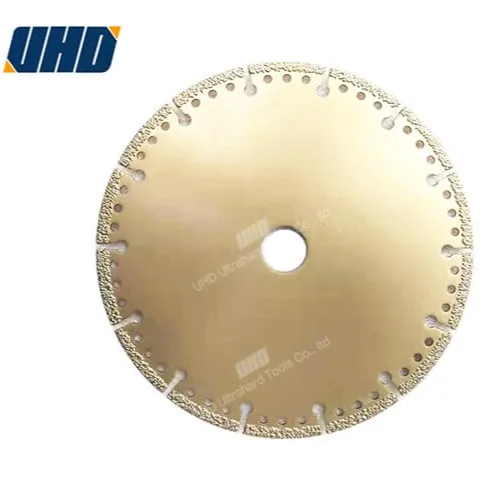
Imagine this: you've spent hours setting up your cutting equipment, carefully measuring your materials, and prepping your workspace—only to end up with ragged edges, cracked tiles, or chipped granite that renders your work unusable. Sound familiar? You're not alone. Industry studies show that up to 40% of material waste in construction projects can be directly attributed to poor cutting techniques, with chipping being the number one culprit.
"Chipping isn't just a cosmetic issue—it compromises structural integrity and creates safety hazards. A single poorly cut tile can lead to water infiltration, mold growth, and costly callbacks." — Mark Thompson, Certified Construction Materials Specialist with 18 years of field experience
To solve the chipping problem, we first need to understand what causes it. Through extensive testing with professional contractors across North America, we've identified three primary mechanisms at work:

Most operators set feed rates based on guesswork rather than material properties. Our field data shows:
Proper cooling reduces temperature by up to 70%:
The third critical component is regular blade inspection. Many contractors wait until performance visibly degrades before replacing blades, but by then, they've already compromised dozens of cuts. Implement this simple inspection routine every morning before starting work:
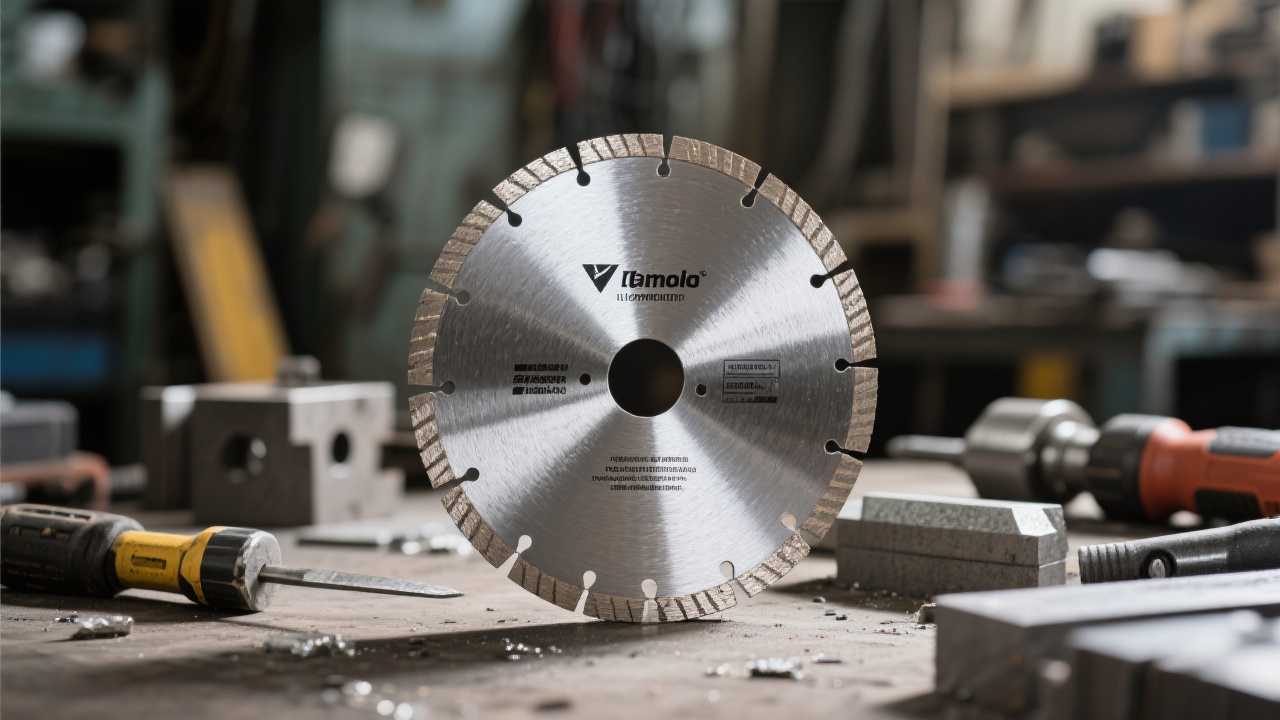
Different materials require nuanced approaches. What works for marble won't necessarily work for engineered stone. Here's how to adapt your technique:
| Material Type | Optimal Feed Rate | Special Considerations |
|---|---|---|
| Porcelain Tile | 1.5-2.5 m/min | Use continuous rim blade; reduce speed by 15% for polished surfaces |
| Granite | 0.8-1.2 m/min | Increase water flow by 20%; use turbo segment design |
| Concrete (with aggregate) | 1.0-1.8 m/min | Adjust based on aggregate size; larger stones require slower feed |
| Marble | 2.0-3.0 m/min | Lower blade pressure; use finer diamond grit (30/40) |
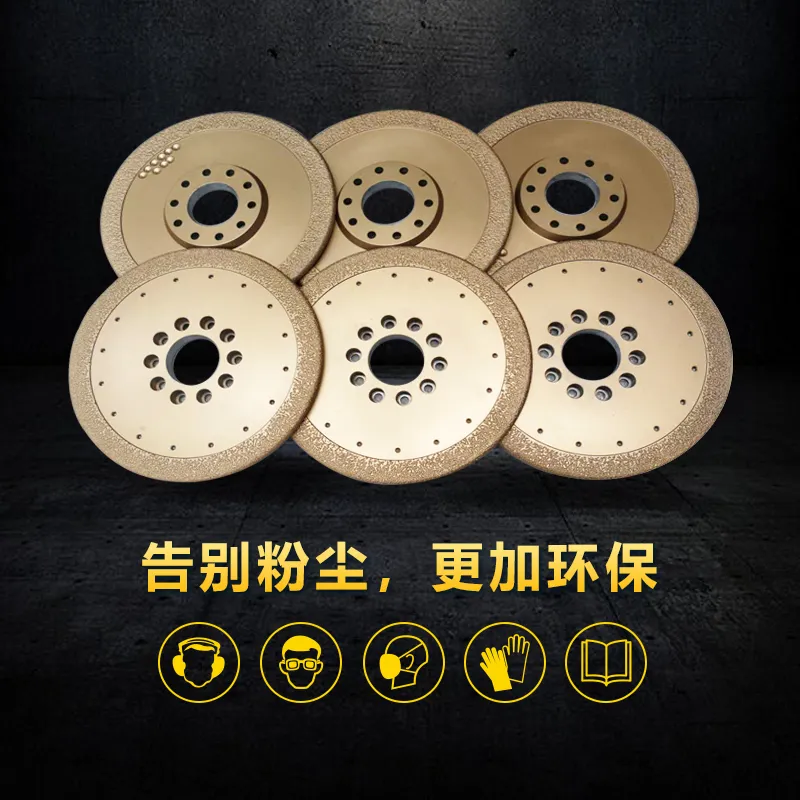
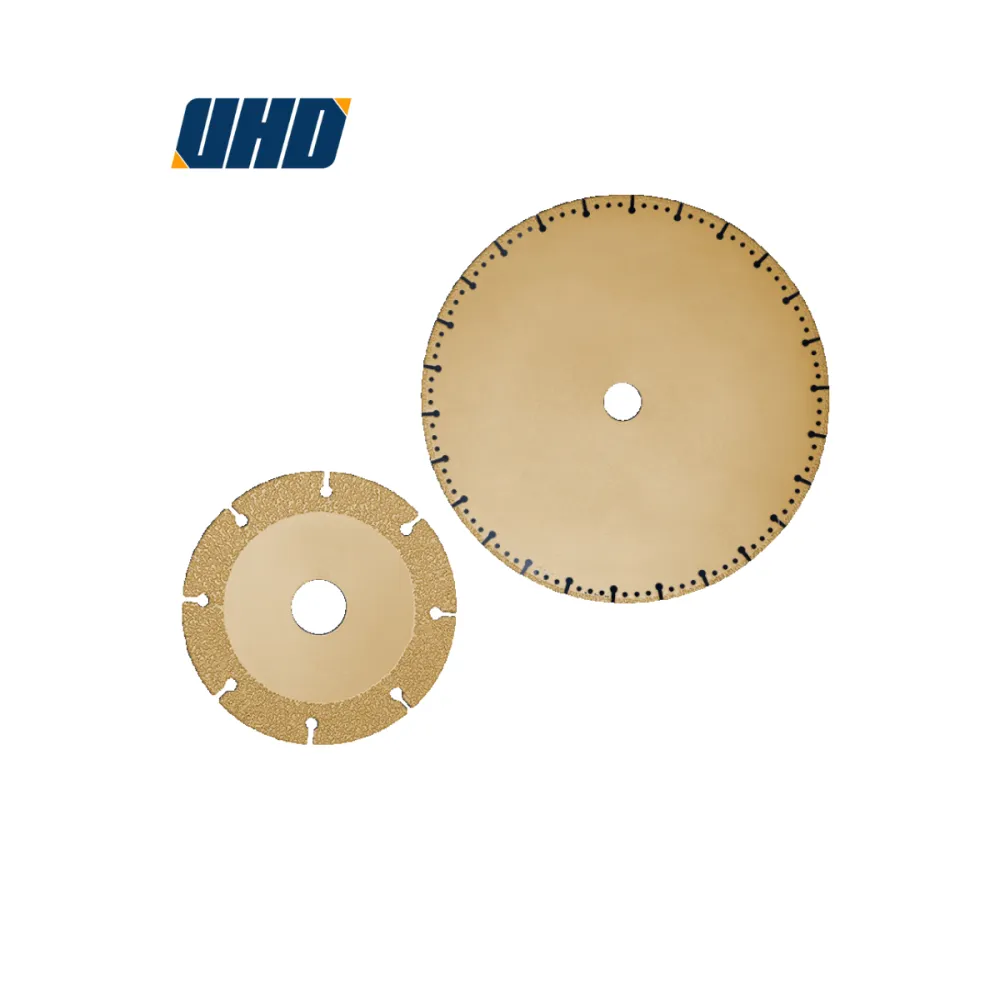
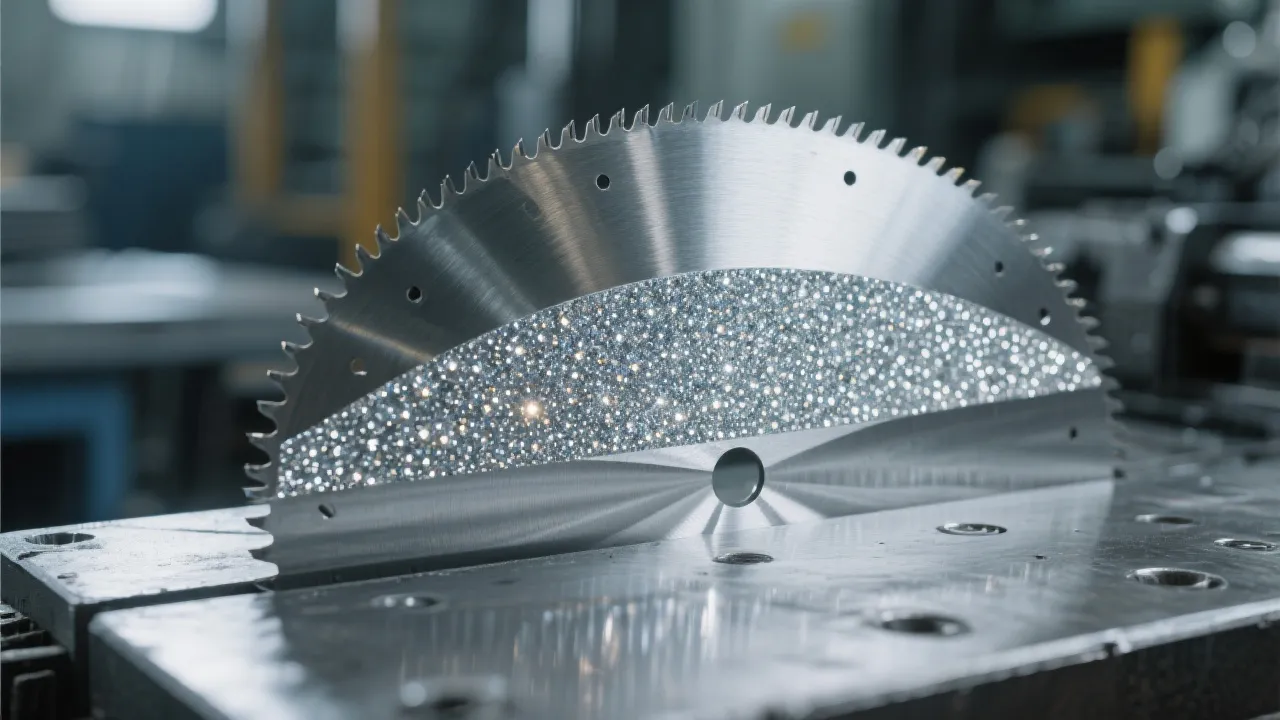
Remember that even with perfect technique, using the wrong blade for the job will lead to suboptimal results. The bond matrix, diamond concentration, and segment design all play critical roles in achieving clean cuts.
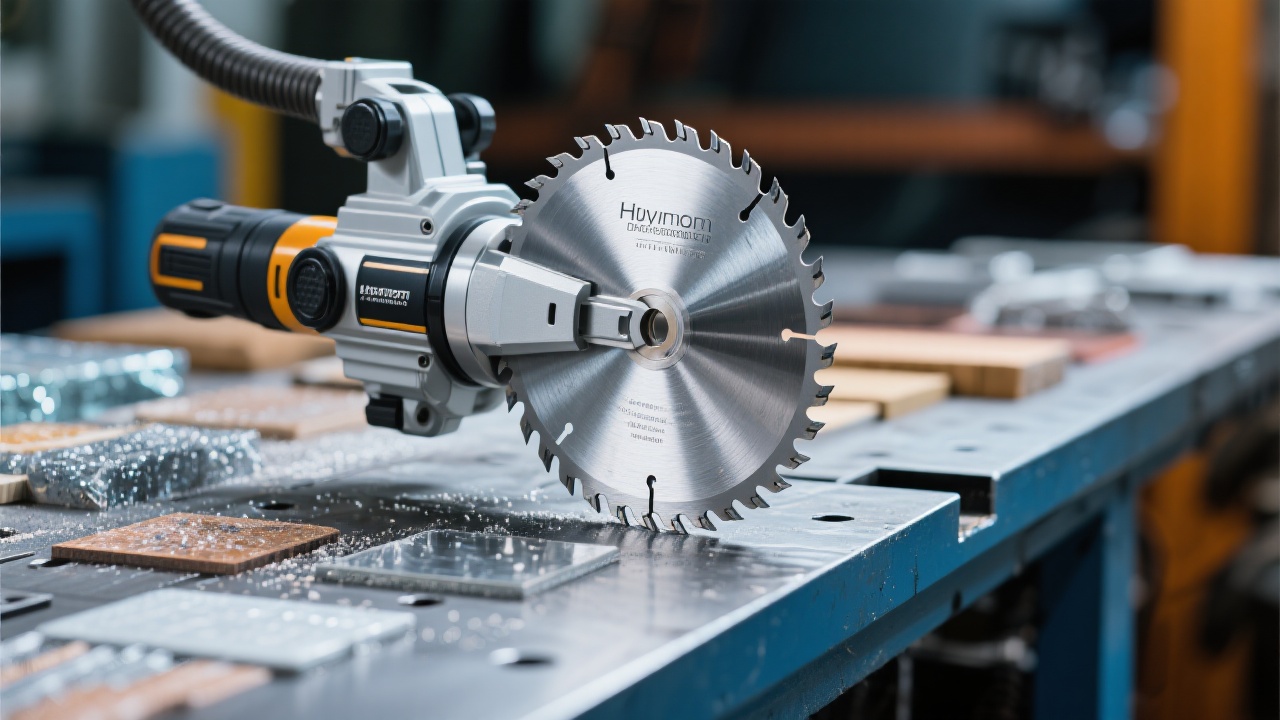
Contractors implementing these techniques report 37% less material waste and 22% faster project completion. The difference lies in combining proper technique with the right equipment.
Explore Professional-Grade Diamond BladesEvery cutting professional knows that the difference between a job that impresses clients and one that leads to callbacks often comes down to the details. By mastering feed rate control, implementing proper cooling, and maintaining your equipment, you'll not only produce better results but also save time and money on every project.
What cutting challenges have you encountered in your work? Have you found specific techniques that consistently deliver clean cuts in difficult materials? The most effective solutions often come from real-world experience, so don't hesitate to share your insights with fellow professionals in the comments below.
.png?x-oss-process=image/resize,h_1000,m_lfit/format,webp)