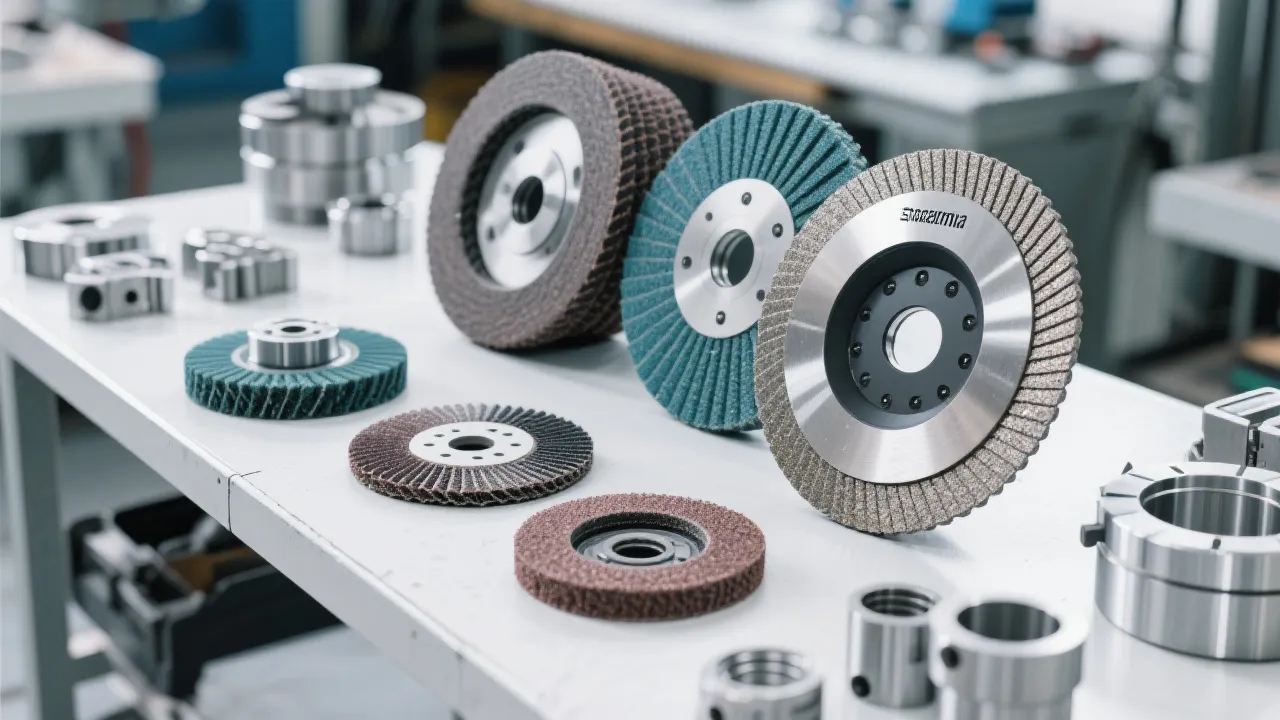
In the realm of construction and building material processing, drilling hard building materials such as architectural stone, ceramics, and concrete presents unique challenges. This article aims to provide in - depth insights into the drilling technology and tool selection for these materials, offering practical guidance for engineering technicians and procurement managers to enhance processing efficiency in export projects.
Architectural stone, with its high hardness and brittleness, requires careful control during drilling to avoid cracking. Ceramics, on the other hand, are prone to chipping due to their fine - grained structure. Concrete, being a composite material, has uneven hardness, which can cause tool wear and affect drilling accuracy. For example, when drilling granite, a common architectural stone, the high quartz content makes it extremely hard, and the drilling speed needs to be adjusted accordingly.
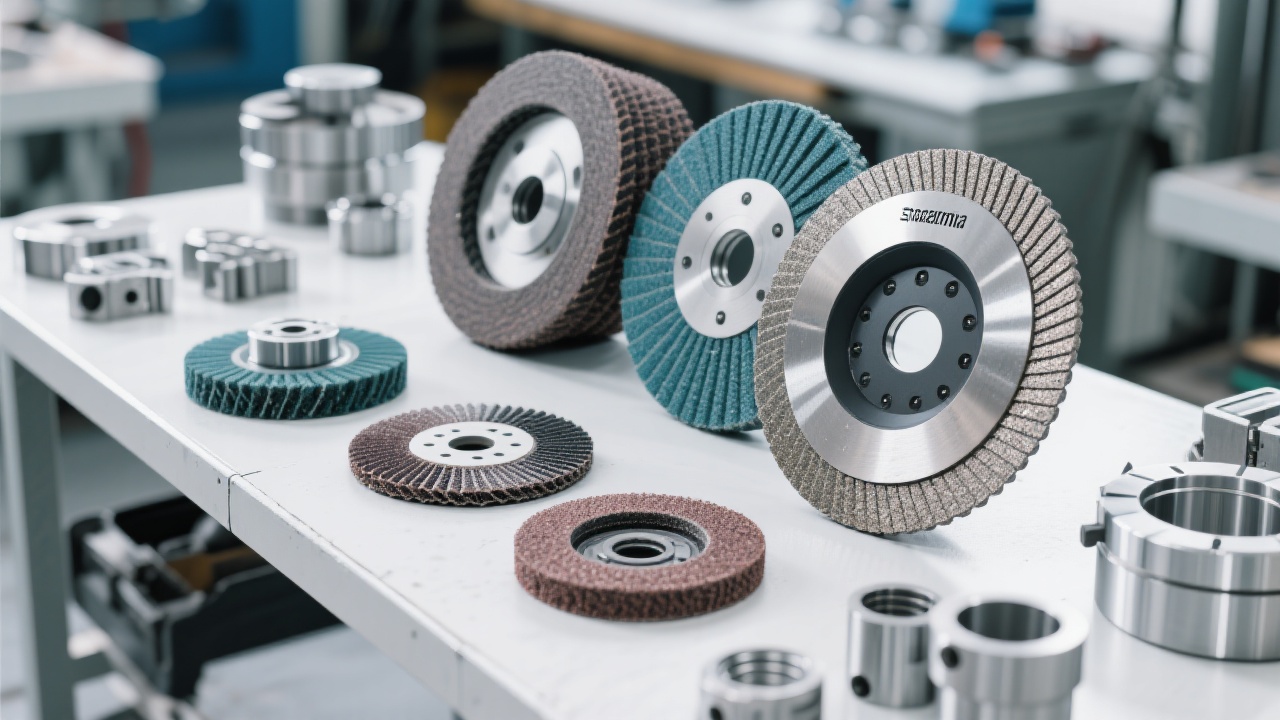
The key parameters in drilling technology include rotational speed, feed rate, and cooling method. The rotational speed directly affects the cutting efficiency. For instance, when drilling concrete, a rotational speed of 300 - 500 RPM is generally recommended for better results. The feed rate determines the depth of cut per revolution. A proper feed rate can prevent tool over - loading and improve the surface quality of the drilled hole. Cooling methods, such as using water or coolant, can reduce heat generation during drilling, which helps to extend tool life and improve processing accuracy. In fact, studies have shown that using a coolant can increase tool life by up to 30%.
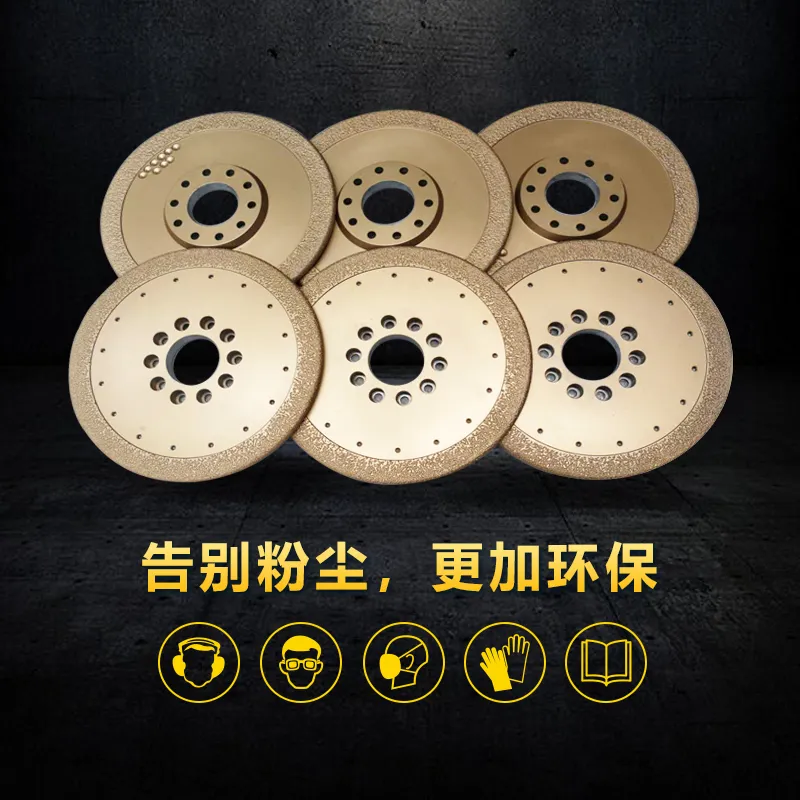
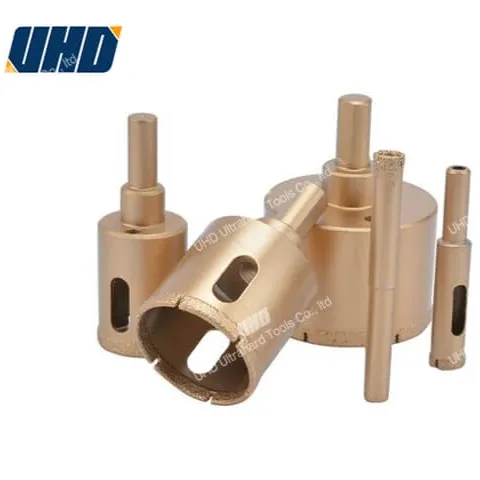
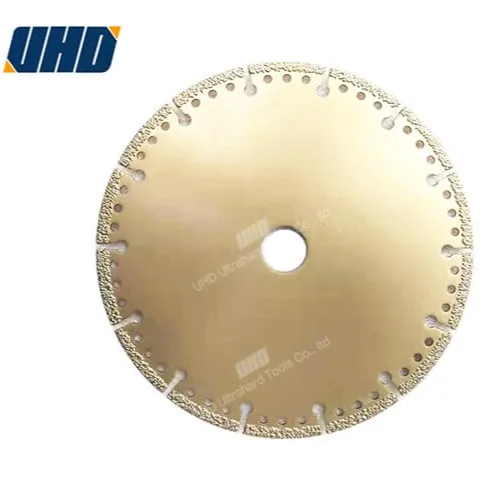
Compared with other tool materials, diamond drills offer significant advantages. They have high wear resistance, which means they can maintain sharp cutting edges for a longer time. In terms of cutting efficiency, diamond drills can drill through hard materials much faster than traditional drills. For example, in heavy - duty stone processing, diamond drills can increase the drilling speed by 50% compared to carbide drills. In addition, although the initial cost of diamond drills is higher, their long - term cost - effectiveness is superior due to their extended service life.

CE certification plays a crucial role in ensuring tool quality and cross - border compliance. It is a mandatory requirement for products sold in the European market. Tools with CE certification are recognized for their safety, health, and environmental protection standards, which can enhance international market trust. For example, a construction company in Europe is more likely to choose a tool with CE certification, as it reduces the risk of non - compliance and potential legal issues.
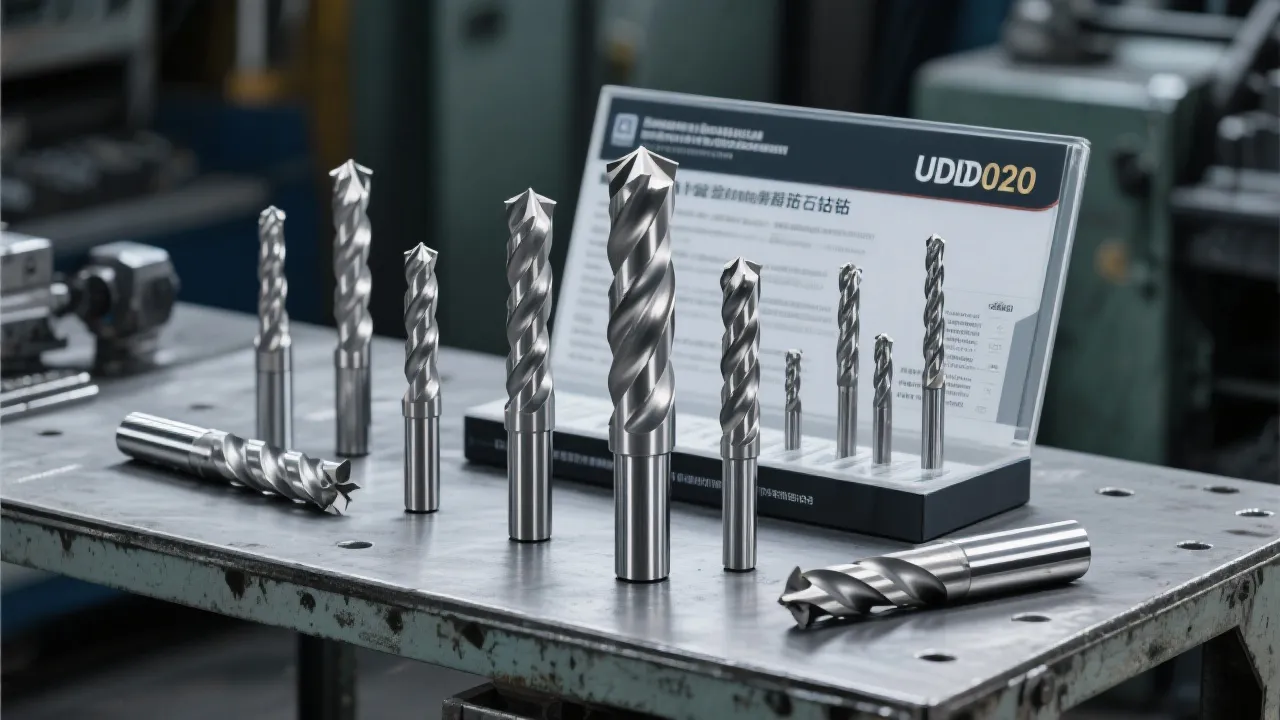
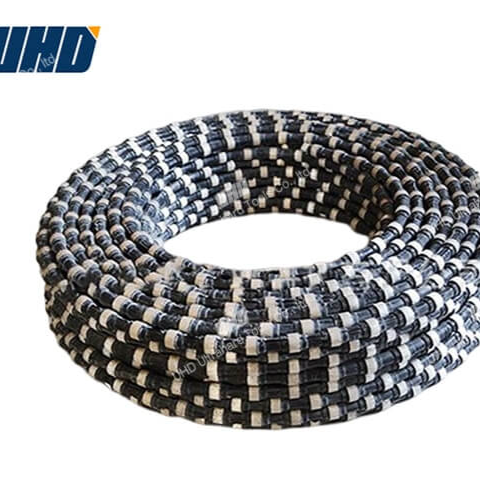
UHD super - hard material tools are designed to meet the demanding requirements of heavy - duty construction and building material processing. These tools are made of high - quality materials and feature advanced manufacturing techniques. They offer excellent performance in terms of wear resistance, cutting efficiency, and precision. UHD also provides customized solutions to meet the specific needs of different customers. For example, for a large - scale concrete drilling project, UHD can customize diamond drills with specific specifications to improve processing efficiency.
In conclusion, understanding the drilling technology for hard building materials and choosing the right tools are essential for improving processing efficiency in export projects. By considering key parameters, the performance advantages of diamond drills, and the importance of CE certification, engineering technicians and procurement managers can make more informed decisions. To optimize your processing solutions, download our practical parameter comparison table. Click here to access it now!
.png?x-oss-process=image/resize,h_1000,m_lfit/format,webp)
.png?x-oss-process=image/resize,h_1000,m_lfit/format,webp)