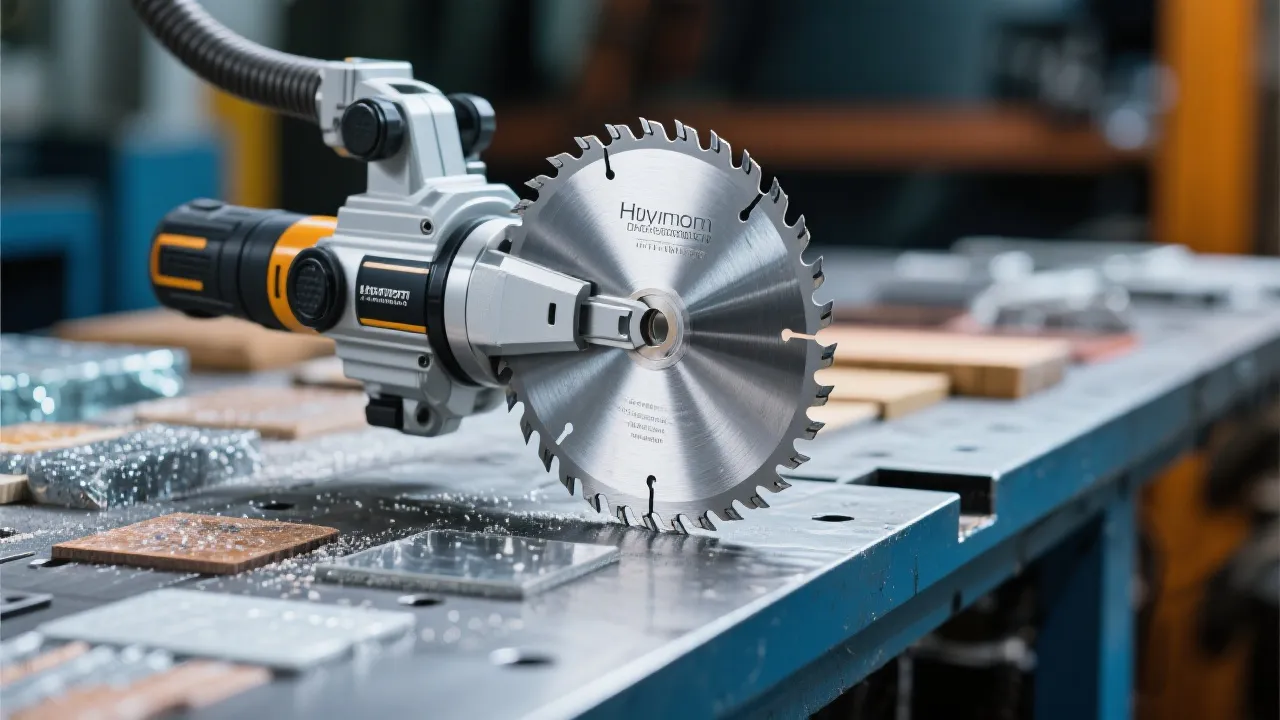
Cutting gray cast iron and other complex materials such as stainless steel and marble presents unique challenges in the manufacturing process. This article delves into the solutions to these challenges, with a focus on the advantages of brazed diamond saws and how to optimize cutting parameters for efficient and precise cutting.
Different complex materials have distinct physical properties that significantly affect the choice of cutting tools. For example, gray cast iron is relatively brittle and has a high carbon content, which requires a saw blade with high wear - resistance and sharpness. Stainless steel, on the other hand, is tough and has a tendency to work - harden, demanding a saw blade that can withstand high - pressure cutting without losing its cutting edge. Marble is a soft but porous material, and the saw blade needs to be designed to prevent clogging.
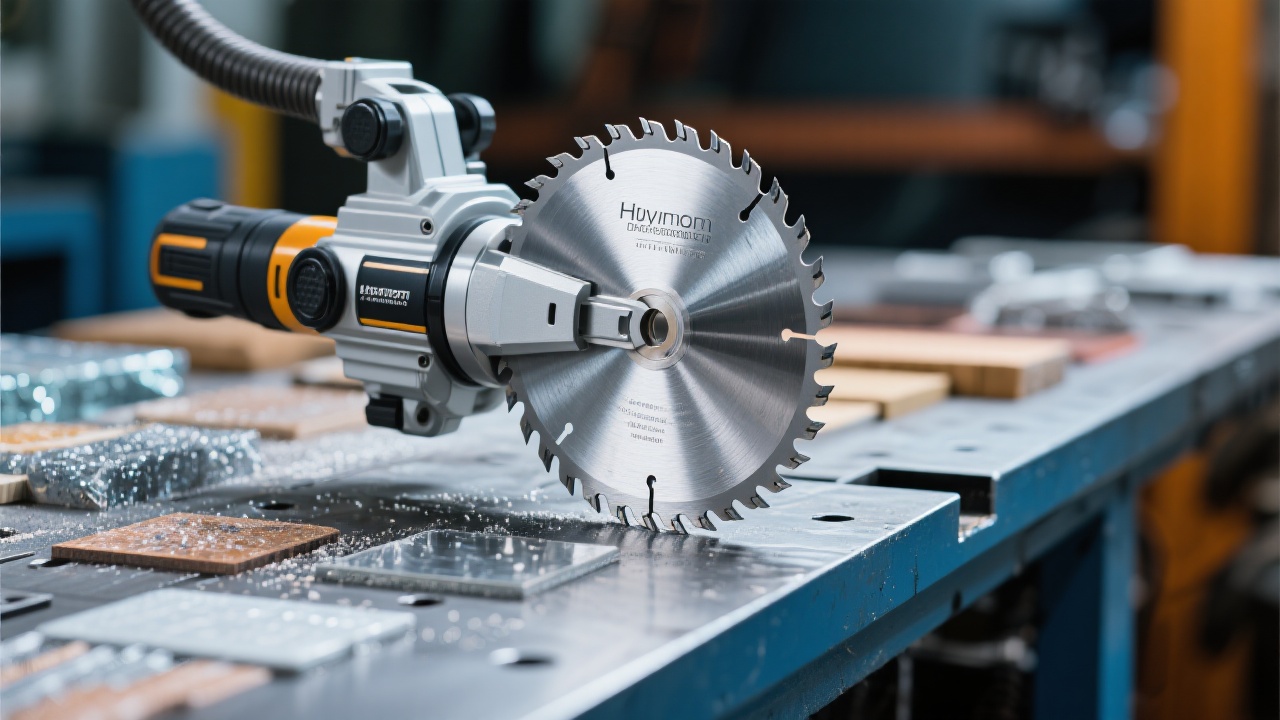
Brazed diamond saws offer several advantages in cutting complex materials. Their unique material composition and structural design ensure high - precision cutting. The diamond particles are firmly bonded to the saw blade matrix through the brazing process, providing excellent wear - resistance and cutting performance. Compared to traditional saw blades, brazed diamond saws can cut more materials in a shorter time, which improves overall production efficiency.
Cutting speed, depth of cut, and cooling method are key parameters that affect the cutting quality and the lifespan of the saw blade. A higher cutting speed can increase the cutting efficiency, but it may also cause the saw blade to overheat and wear out quickly. For example, when cutting gray cast iron, a cutting speed of 30 - 50 m/min is generally recommended. The depth of cut should be carefully controlled. If the depth is too large, it will put excessive pressure on the saw blade, reducing its lifespan. A suitable depth of cut for gray cast iron is usually between 2 - 5 mm.
Cooling is also crucial. Using a proper cooling method can reduce the temperature of the saw blade, prevent the diamond particles from falling off, and improve the cutting quality. Water - based coolants are commonly used, which can effectively dissipate heat and flush away the chips.
Let's look at a real - world case. A manufacturing company was struggling with low - efficiency cutting of gray cast iron parts. By switching to brazed diamond saws and optimizing the cutting parameters, they increased their cutting efficiency by 30% and reduced the saw blade replacement frequency by 40%. This not only improved the production efficiency but also significantly reduced the operating costs.
Based on user feedback and practical experience, proper maintenance and care of the saw blade are essential for its long - term performance. Regularly cleaning the saw blade, checking for any damage, and storing it in a dry and clean environment can extend its lifespan. For example, after each use, the saw blade should be cleaned with a soft brush and a mild detergent to remove any chips and debris.
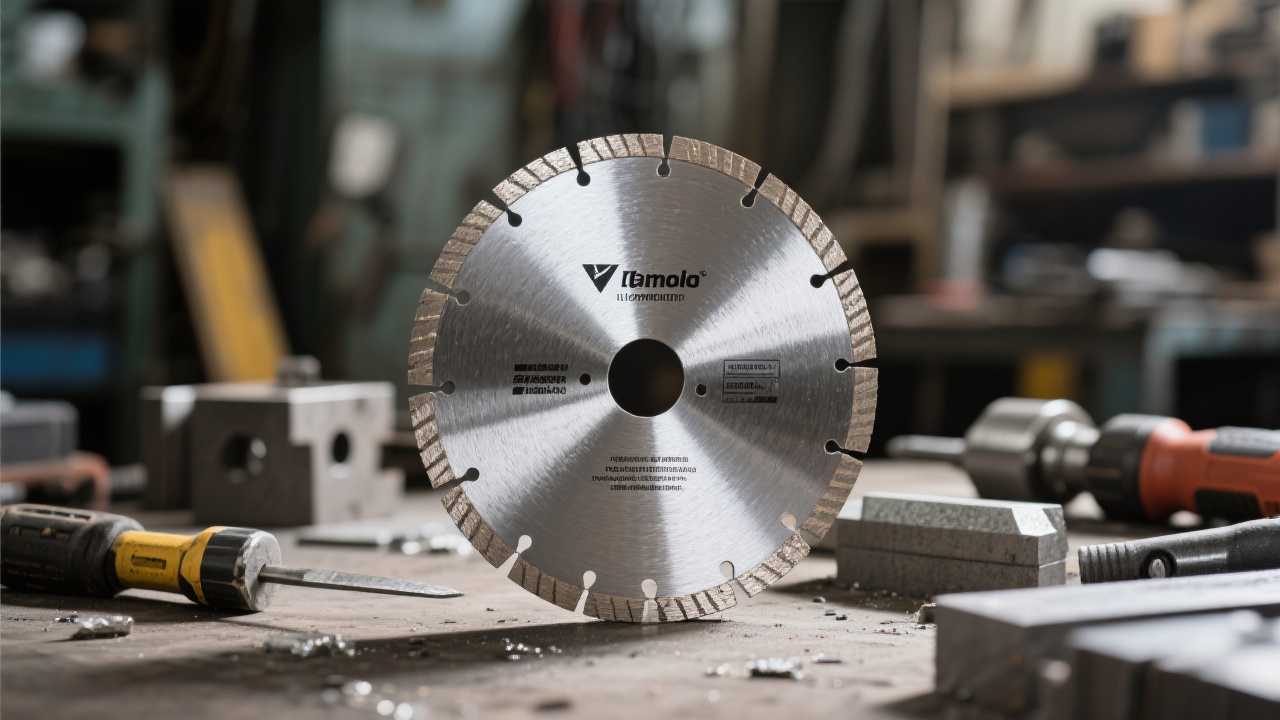
In conclusion, by understanding the physical properties of different materials, choosing the right brazed diamond saws, and optimizing the cutting parameters, manufacturers can achieve efficient and precise cutting of complex materials. If you are interested in learning more about the advantages of UHD Superhard Materials Tools Co., Ltd.'s 400mm brazed diamond saws and wish to make a purchase, click here for more information.
.png?x-oss-process=image/resize,h_1000,m_lfit/format,webp)




.png?x-oss-process=image/resize,h_1000,m_lfit/format,webp)