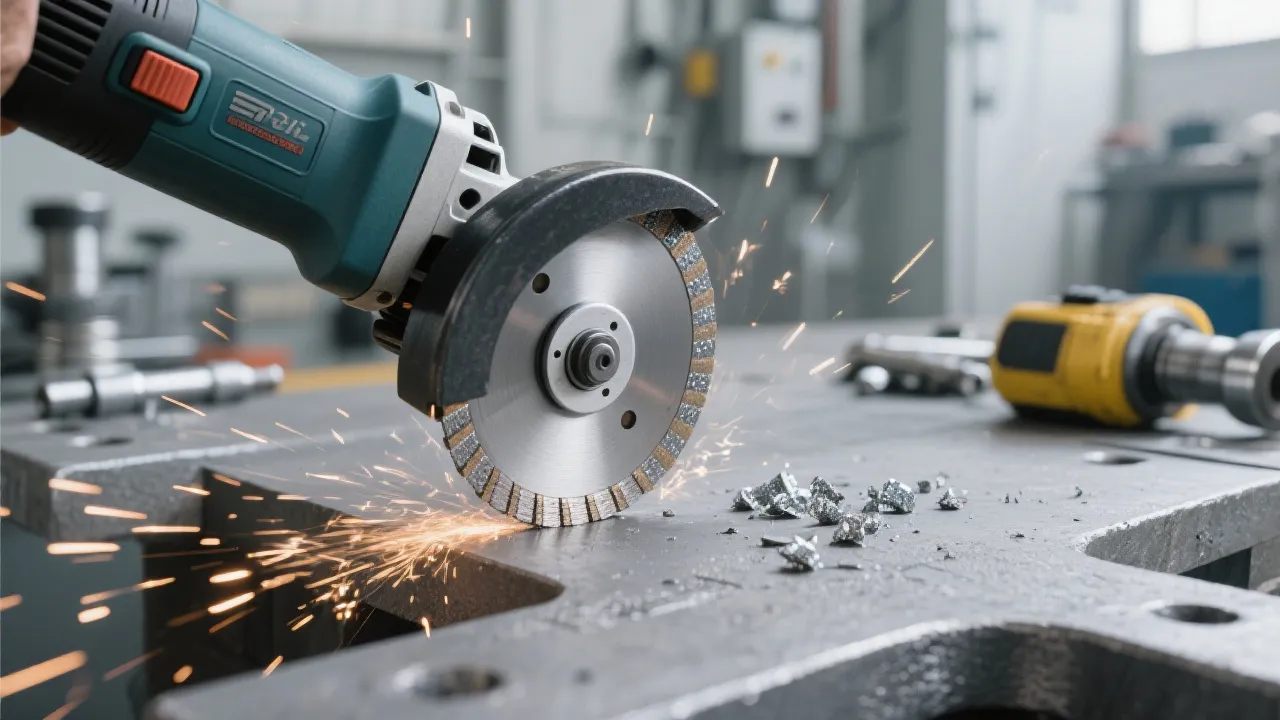
In the demanding world of stone and concrete cutting, blade performance isn’t just about sharpness—it’s about precision, consistency, and longevity. According to industry data from Construction Equipment Magazine (2023), up to 40% of downtime in heavy construction projects is caused by premature blade failure or improper handling—not equipment breakdowns. That’s where a standardized Operating Procedure (SOP) becomes your competitive edge.
Choosing a diamond blade isn’t one-size-fits-all. For granite (Mohs hardness ~6–7), use a medium-grit segment (30–45 mesh) with a semi-soft bond to balance wear resistance and self-sharpening. For reinforced concrete (hardness ~5), opt for a coarse grit (20–30 mesh) with a harder bond to prevent excessive wear during high-load cuts.
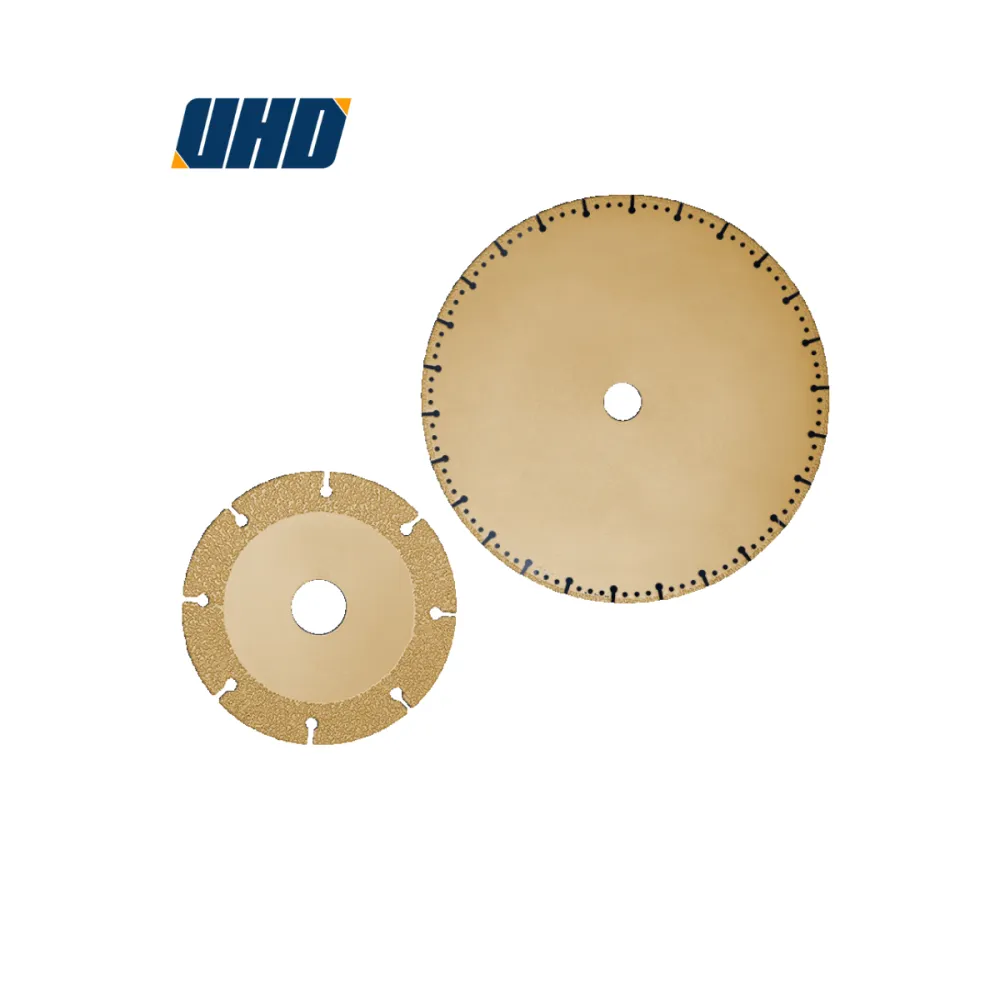
A real-world example from a UAE-based infrastructure project shows that switching from generic blades to UHD-branded custom-cut blades reduced blade replacement frequency by 35% over six months—saving $12,000+ in material costs alone.
Overheating is the silent killer of cutting tools. Water cooling remains the gold standard—maintaining temperatures below 60°C extends blade life by up to 50%. Use flow rates of at least 1.5 liters per minute for handheld saws and 3–5 L/min for stationary units.
Too fast? You risk chipping. Too slow? Inefficiency. The sweet spot for most applications: 1,800–2,400 RPM depending on blade diameter and material hardness. Always follow manufacturer guidelines—but test under actual job conditions first.
Implement a simple but effective maintenance checklist:
| Blade Wear Stage | Visual Indicator | Action Required |
|---|---|---|
| Stage 1 – Normal Wear | Even erosion, no visible cracks | Continue use; monitor monthly |
| Stage 2 – Accelerated Wear | Uneven wear, minor heat marks | Adjust cooling or speed; schedule check |
| Stage 3 – Critical Failure Risk | Cracks, segment loss, overheating | STOP USE IMMEDIATELY |
Here are three top causes of early blade failure—and how to fix them:
Pro Tip: Keep a logbook for each blade—track usage time, materials cut, and any anomalies. This data helps predict lifespan and optimize inventory planning.


.png?x-oss-process=image/resize,h_1000,m_lfit/format,webp)