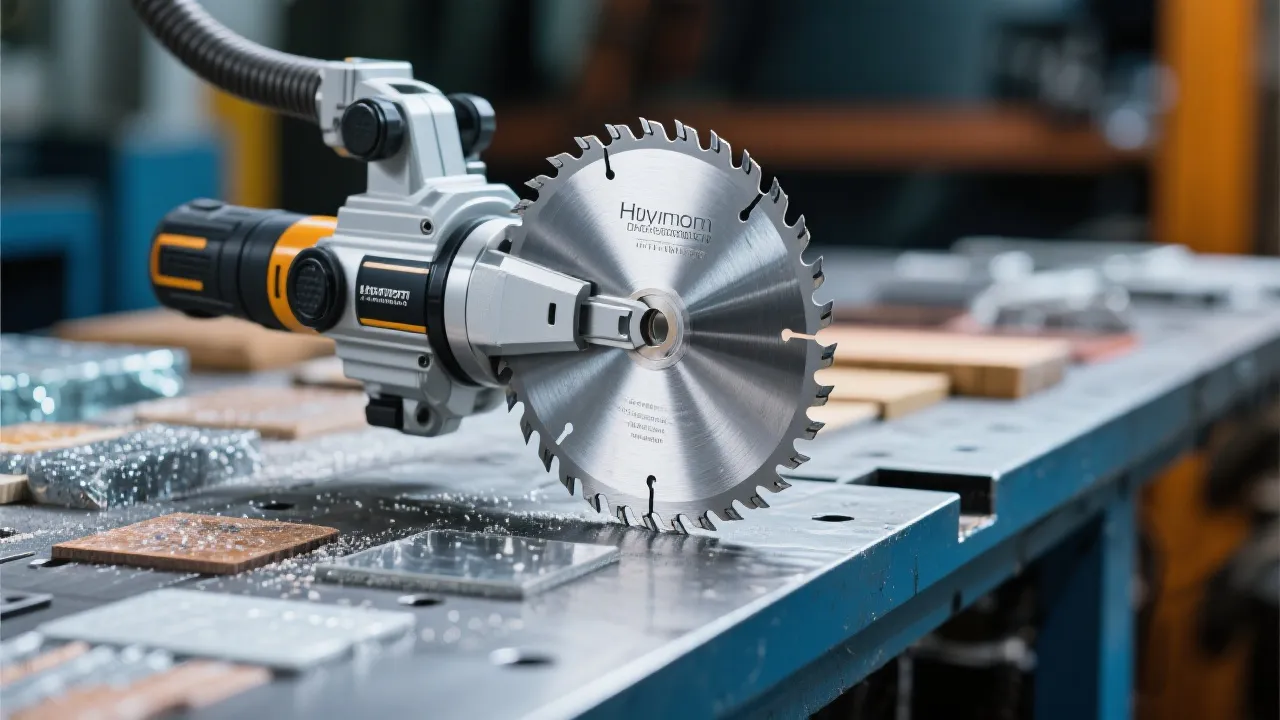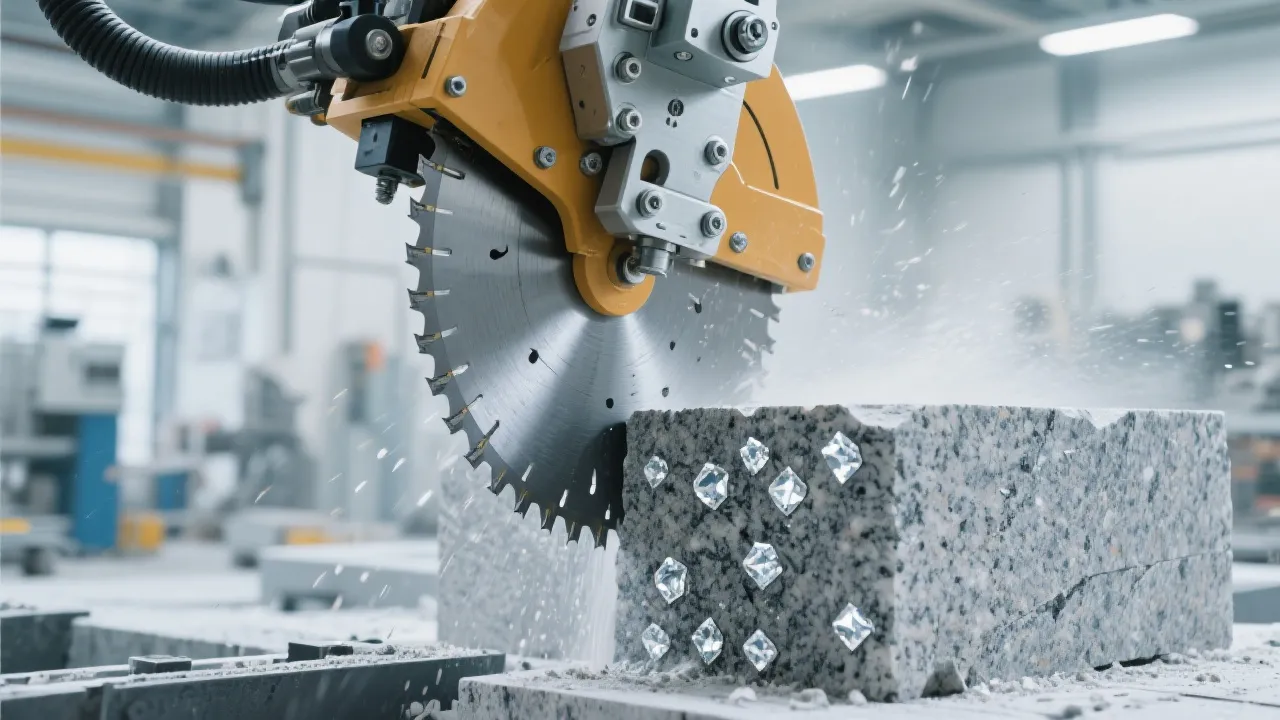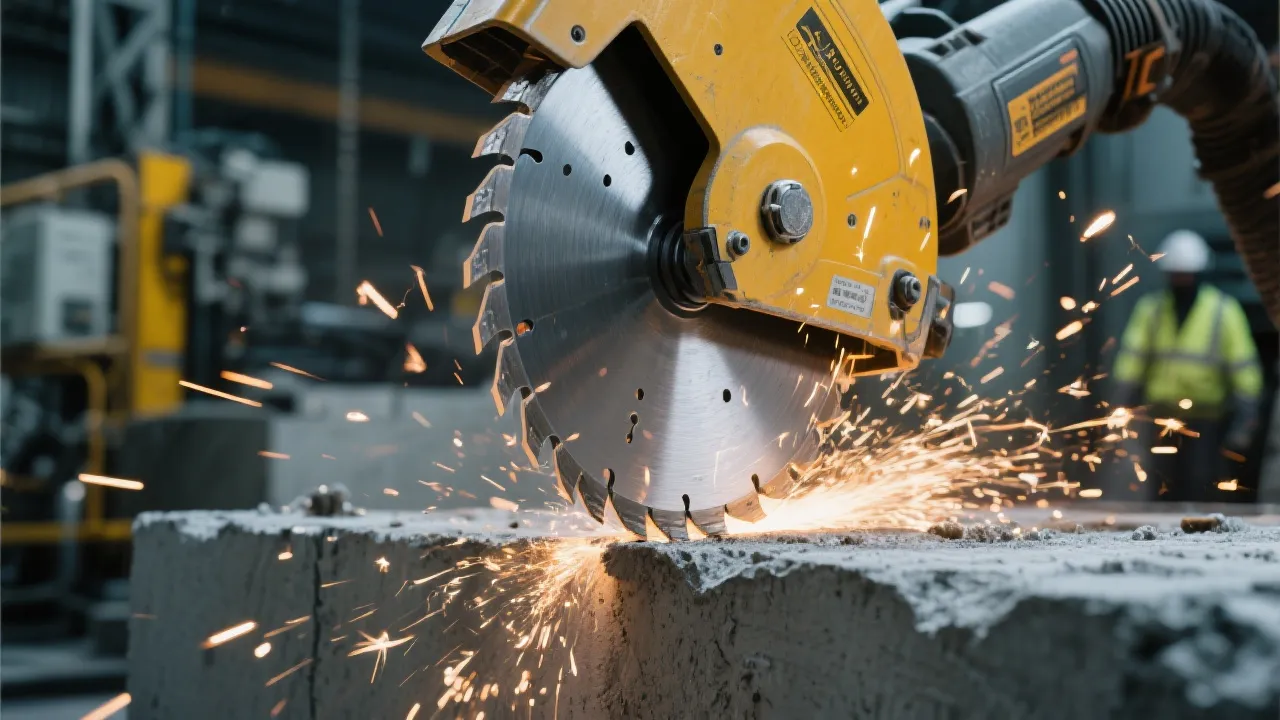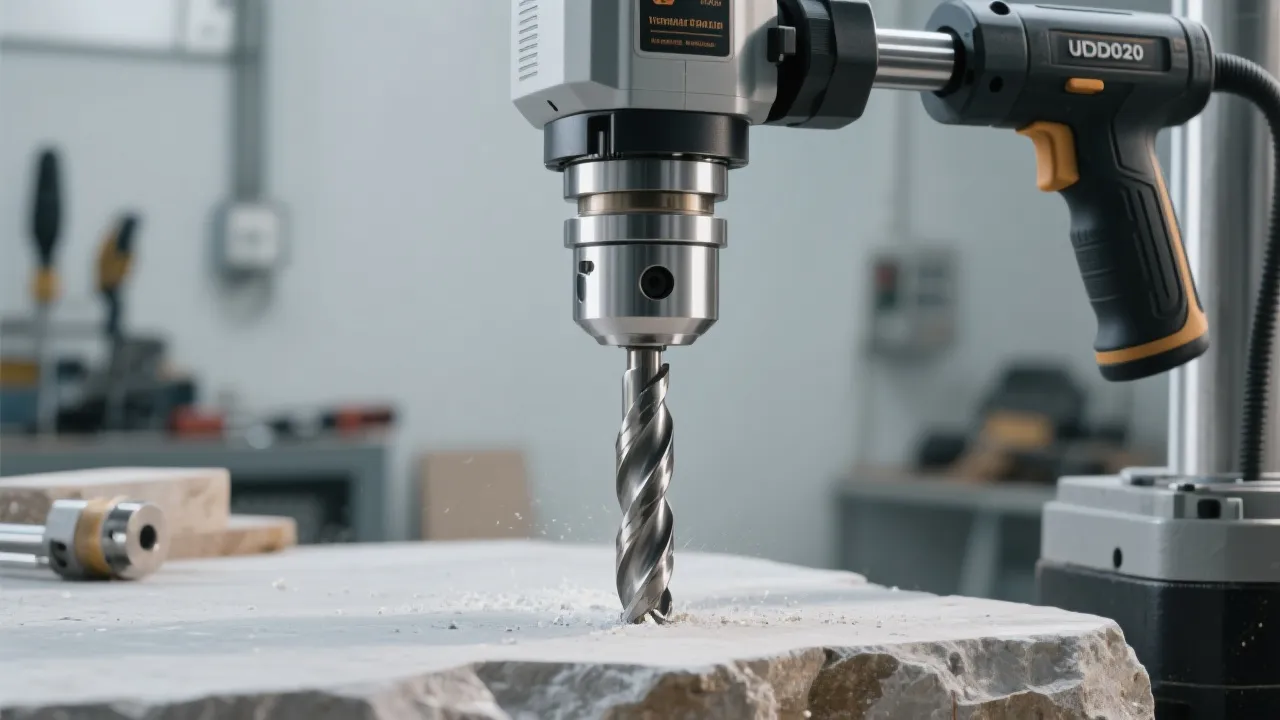
In the industrial application of diamond cutting tools, challenges such as short service life and rapid wear are critical issues. UHD, a leading brand in this field, is committed to solving these problems through continuous technological innovation.
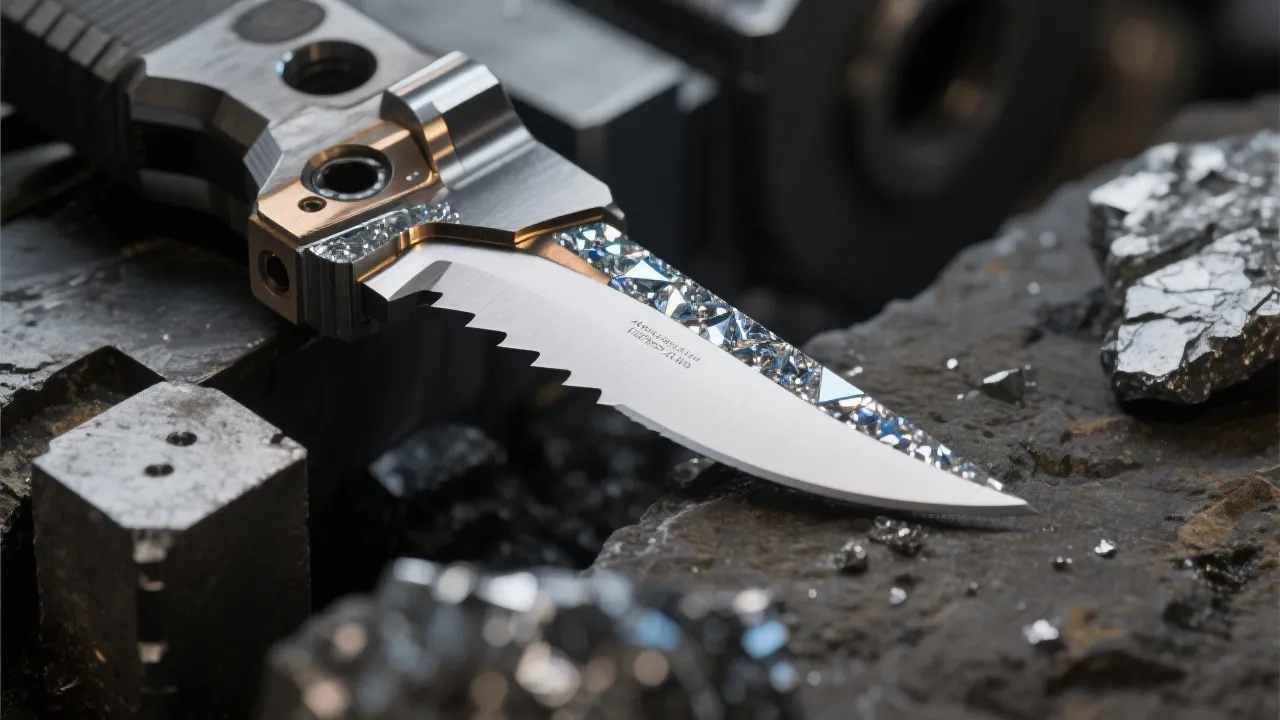
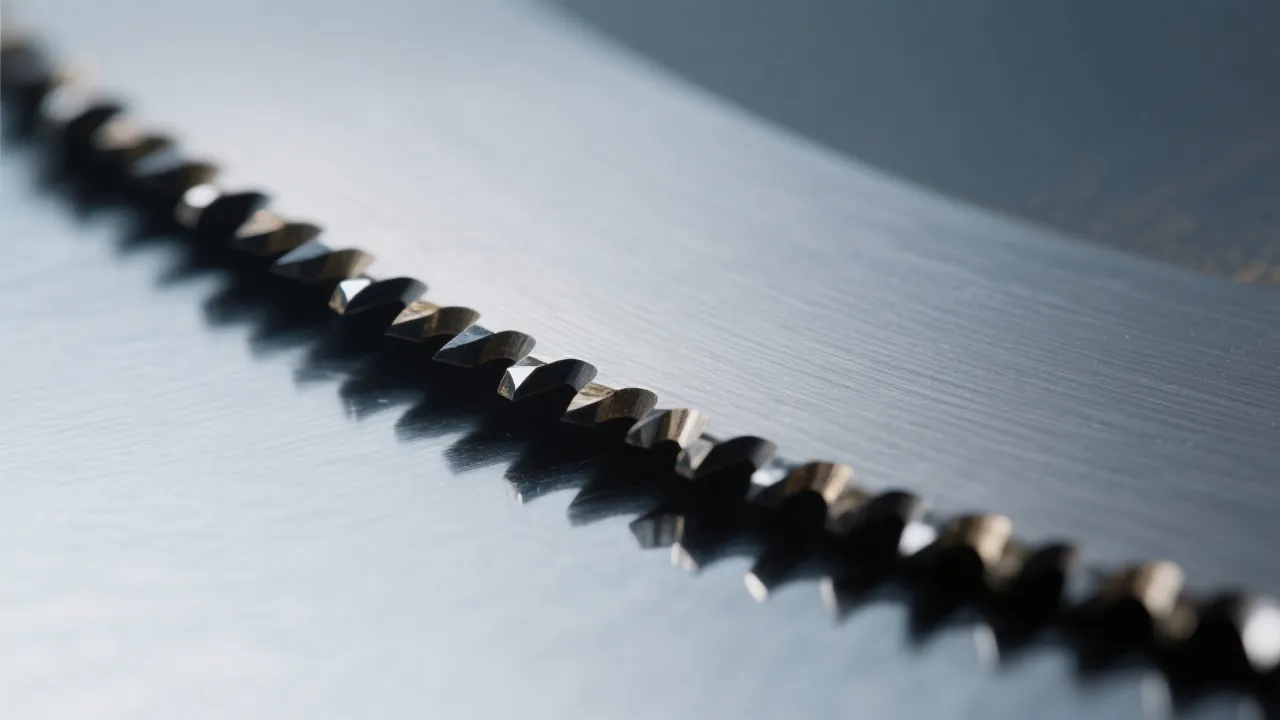
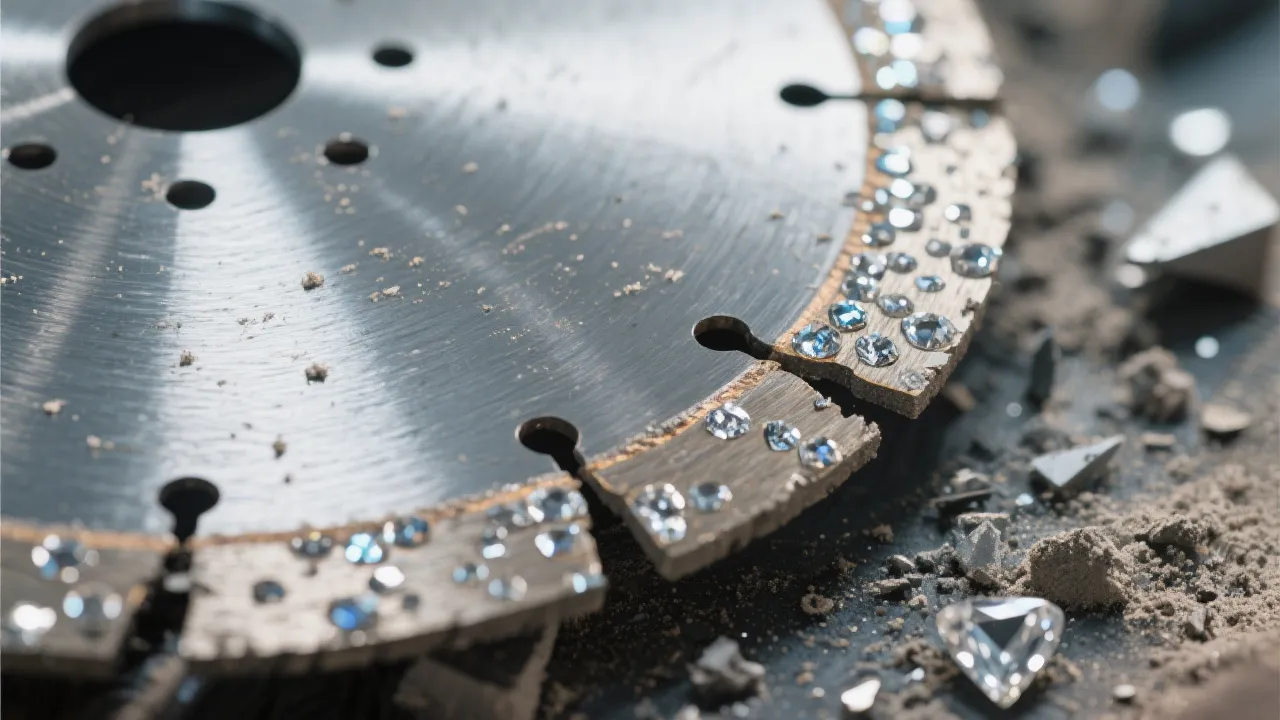
The orientation arrangement of high - purity diamond grains significantly contributes to the wear resistance of cutting tools. A study by a well - known research institution shows that when diamond grains are properly oriented, the wear rate can be reduced by up to 30%. The microscopic structure of diamond grains directly affects the macroscopic performance of the cutting tool. For example, a more ordered grain structure can improve the overall hardness and toughness of the tool, making it more resistant to abrasion during cutting operations.
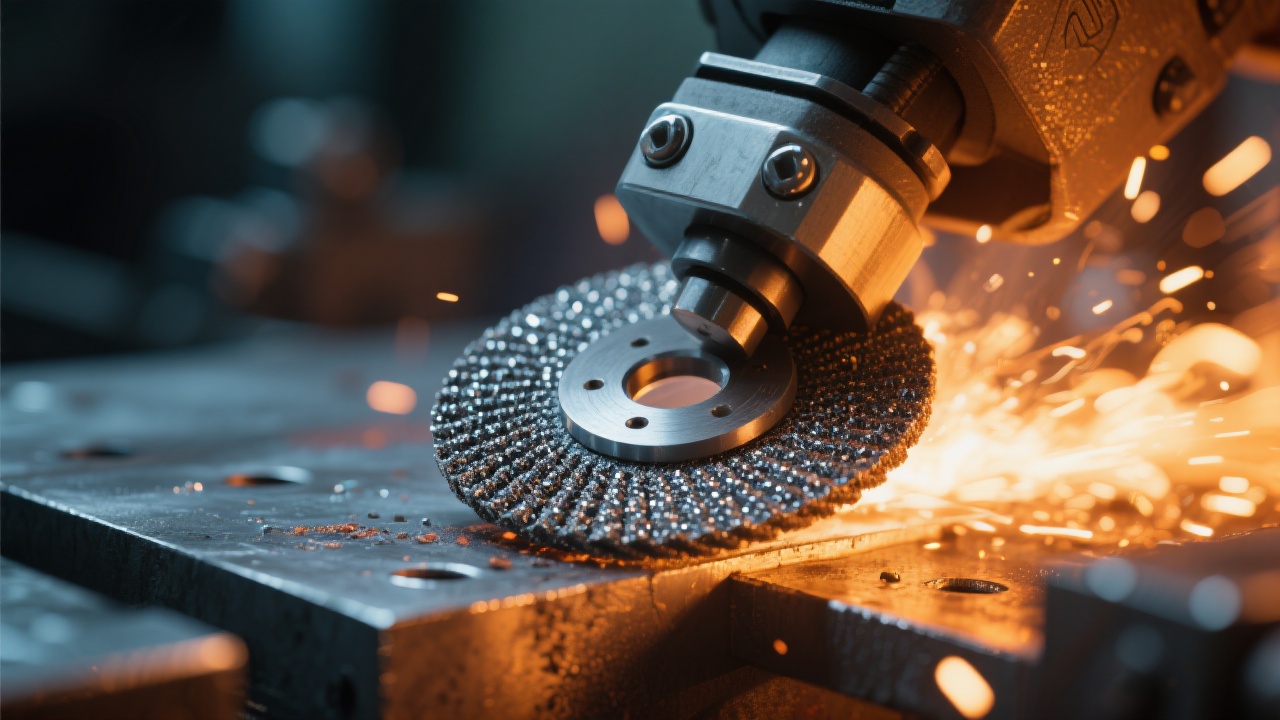
Metal - based and ceramic - based bonding agents have made breakthroughs in high - temperature stability and particle bonding strength. Metal - based bonding agents can provide excellent bonding force at high temperatures, while ceramic - based bonding agents offer better chemical stability. Some advanced bonding agent formulations can increase the bonding strength between diamond particles and the matrix by 25%, ensuring that the diamond particles are firmly held in place during cutting, thus improving the durability of the tool.
The control of sintering temperature and pressure parameters has a significant impact on the densification and interface bonding quality of diamond cutting tools. By precisely controlling these parameters, the density of the tool can be increased by about 15%, and the interface bonding strength can be enhanced. For instance, a proper sintering temperature can promote the diffusion and combination of different components, resulting in a more compact and stable structure.
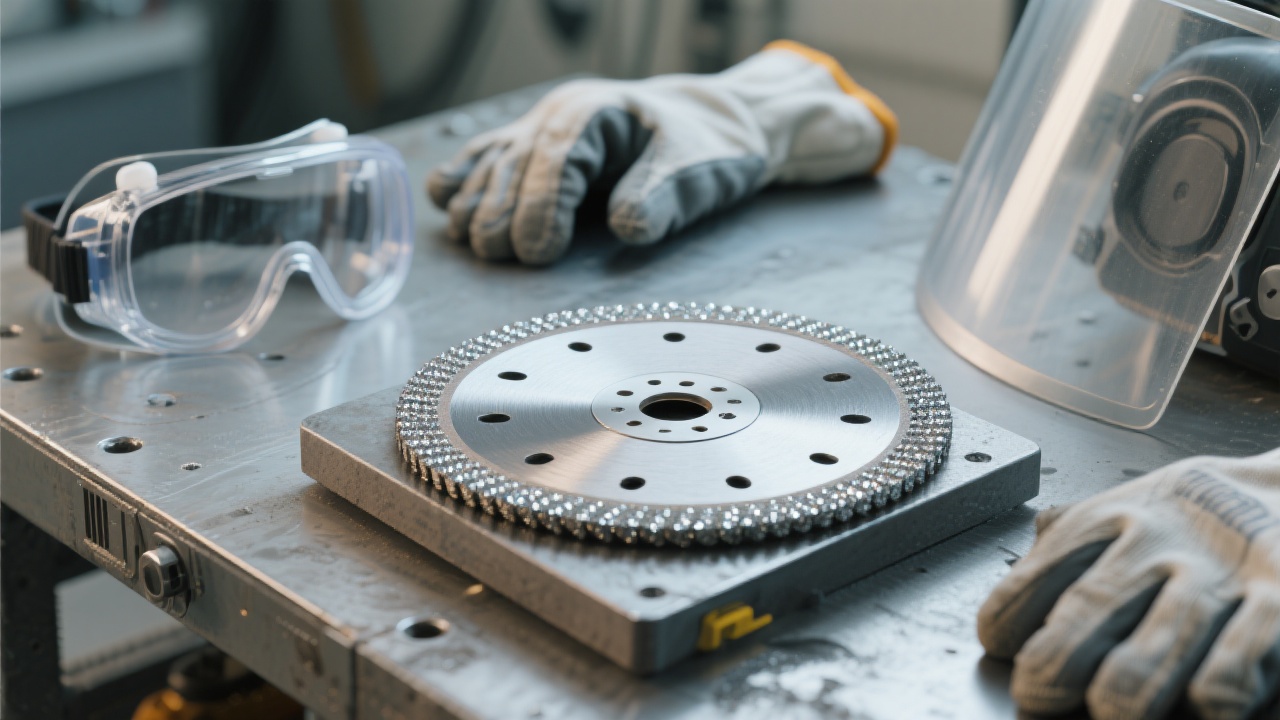
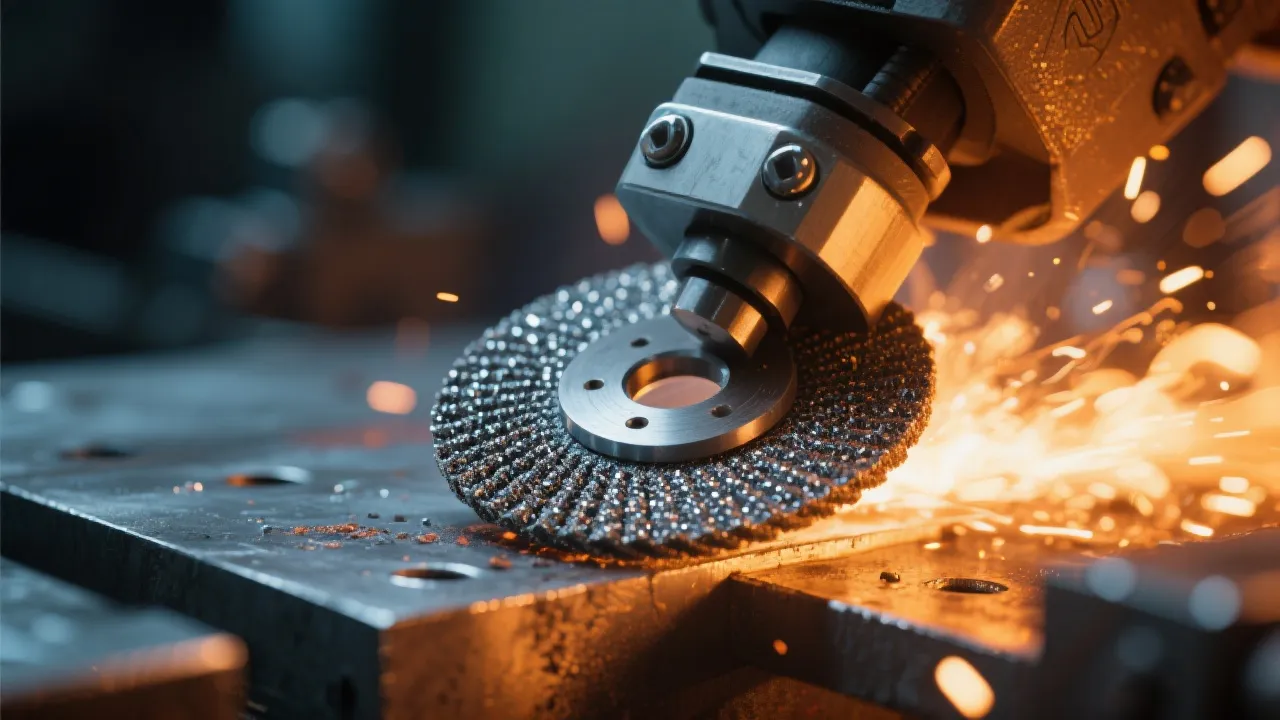
Surface treatment technologies such as diamond - like carbon (DLC) coatings and laser modification play an important role in reducing cutting heat damage and mechanical fatigue. DLC coatings can reduce the friction coefficient of the tool surface by up to 40%, effectively reducing the heat generated during cutting. Laser modification can improve the surface hardness and wear resistance of the tool. These technologies can significantly extend the service life of the cutting tool.
Combining experimental data and industry research cases, different process combinations show different performance results. For example, a combination of advanced bonding agent formulation and surface treatment technology can increase the tool's service life by up to 50%. By analyzing these data, engineers and technical decision - makers can find the best optimization path for their specific applications.
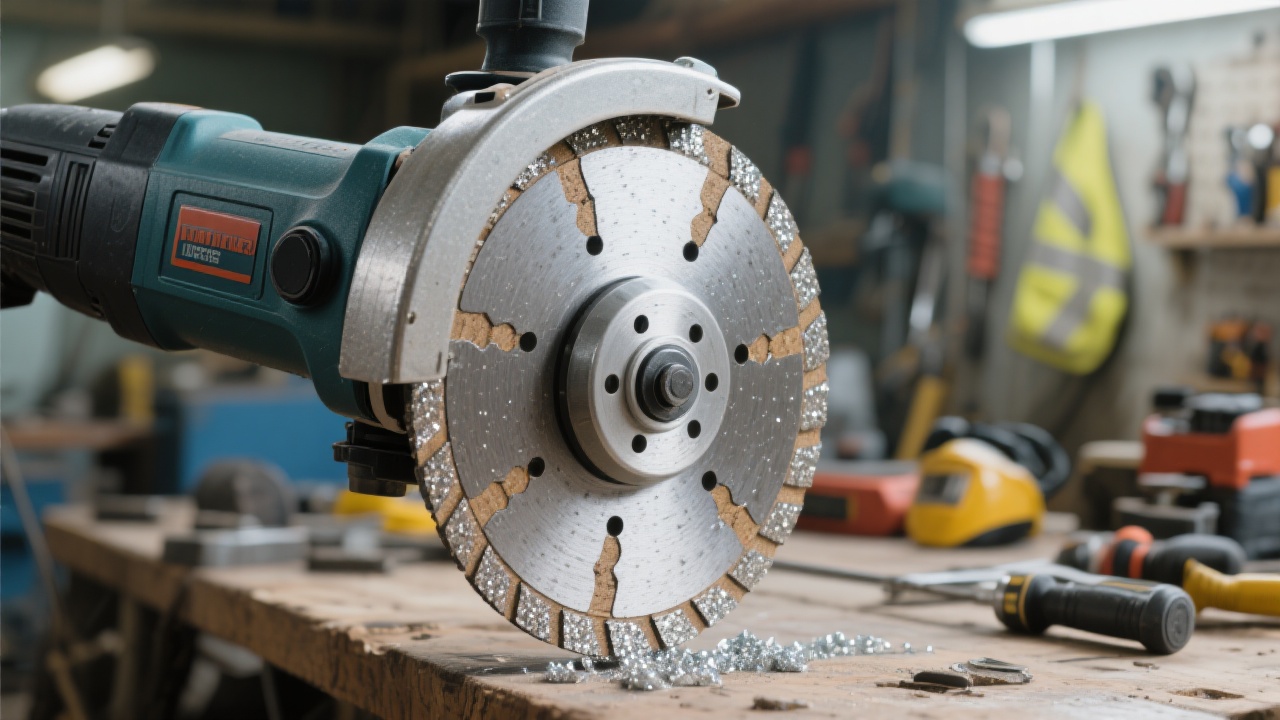
Interested in learning more about diamond tool life improvement solutions? Click here to access our technical whitepaper.

.png?x-oss-process=image/resize,h_1000,m_lfit/format,webp)