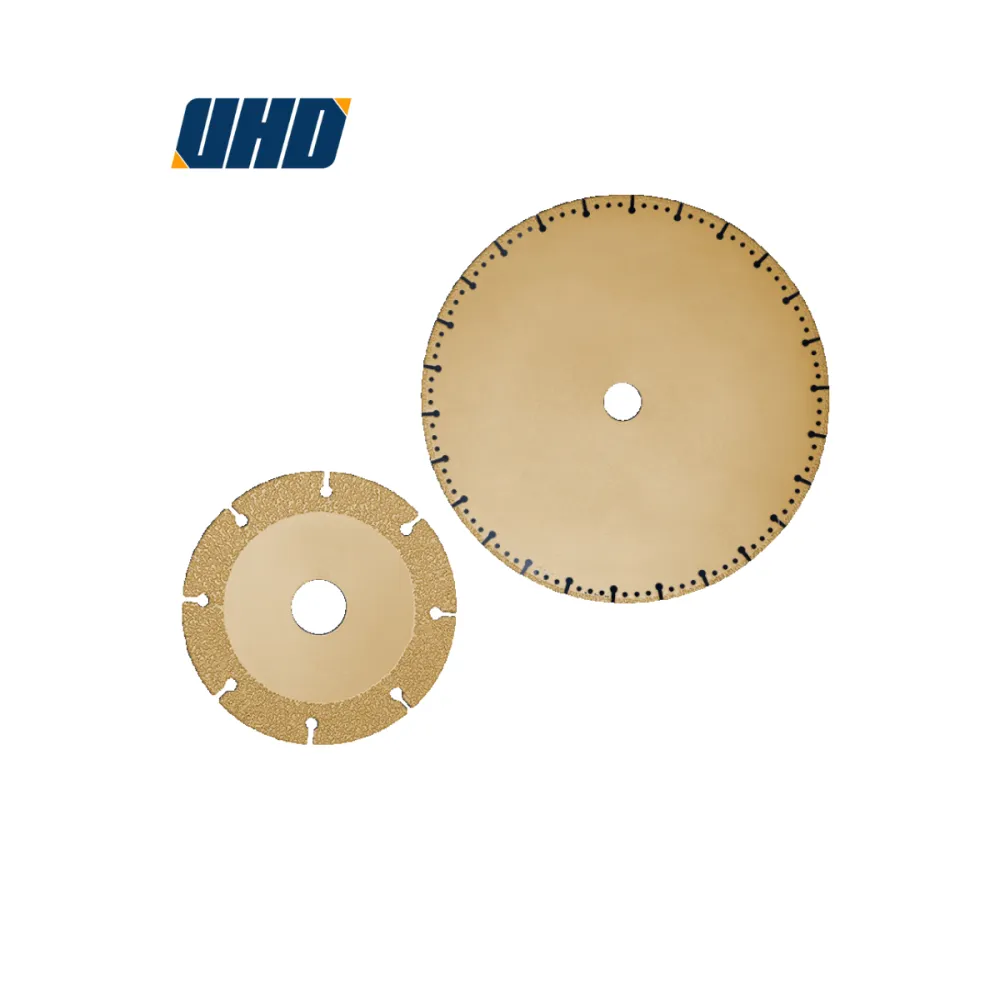
The advancement of diamond blade manufacturing through vacuum brazing technology marks a significant leap in industrial cutting tool performance. Vacuum brazing ensures a robust bond between diamond abrasives and the metallic matrix, directly enhancing wear resistance, blade longevity, and cutting efficiency. This article delves into the core principles of vacuum brazing, illustrates how optimizing critical parameters outperforms traditional brazing methods, and presents practical insights valuable for manufacturing engineers, procurement specialists, and professionals in stone, ceramic, and concrete processing sectors.
Vacuum brazing employs a high-vacuum environment—typically below 10-3 Pa—to eliminate atmospheric contaminants and oxidation during the joining of diamond particles to the blade substrate. This controlled atmosphere prevents defects like porosity and carbide formation that weaken joint integrity.
The typical brazing cycle involves precise control of temperature, pressure, and braze alloy composition to ensure diamond embedment occurs with minimal thermal damage. Key base metals include copper and nickel alloys due to their high thermal conductivity and compatibility with diamond grit.
Optimizing vacuum brazing parameters can significantly improve blade performance metrics:
Fine-tuning these parameters produces a diamond-metal interface exhibiting 30-40% greater shear strength and up to 25% longer blade life under heavy-duty cutting.
| Performance Metric | Traditional Brazing | Vacuum Brazing |
|---|---|---|
| Bond Strength (MPa) | 25-30 | 35-42 |
| Blade Life (cycles) | ~1000 | ~1250-1400 |
| Thermal Stability (°C) | 850-900 | 1000-1050 |
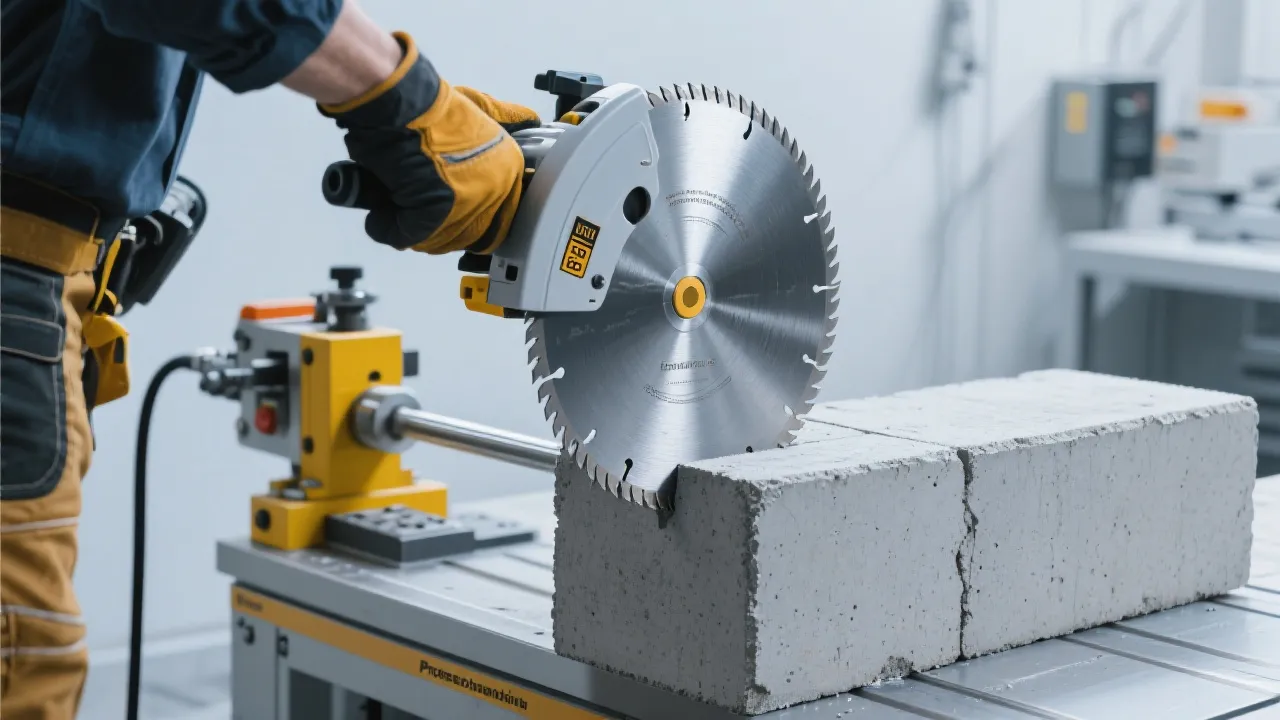
In real-world heavy-load cutting environments such as stone fabrication and precast concrete plants, vacuum brazed diamond blades reduce downtime due to less frequent blade replacements and offer improved cutting precision. For example, a leading stone manufacturer reported a 20% throughput increase and 18% decrease in operational costs after transitioning to vacuum brazed blades embedded with UHD (Ultra Hard Diamond) segments.
Furthermore, vacuum brazing enhances tool stability in harsh cutting conditions, leading to consistent quality and reduced scrap rates — key factors in maintaining competitive manufacturing efficiency.
"Adopting vacuum brazing technology aligns with CE certification standards and benefits from collaborative R&D with top-tier industrial research institutes, affirming its reliability and innovation." — Industrial Tooling Standards Authority
To leverage the full potential of vacuum brazing, manufacturers should consider:
Following these guidelines can help reduce the sliding resistance and compressive damage often seen in conventional brazed blades, translating into higher production stability and cost savings.

.png?x-oss-process=image/resize,h_1000,m_lfit/format,webp)