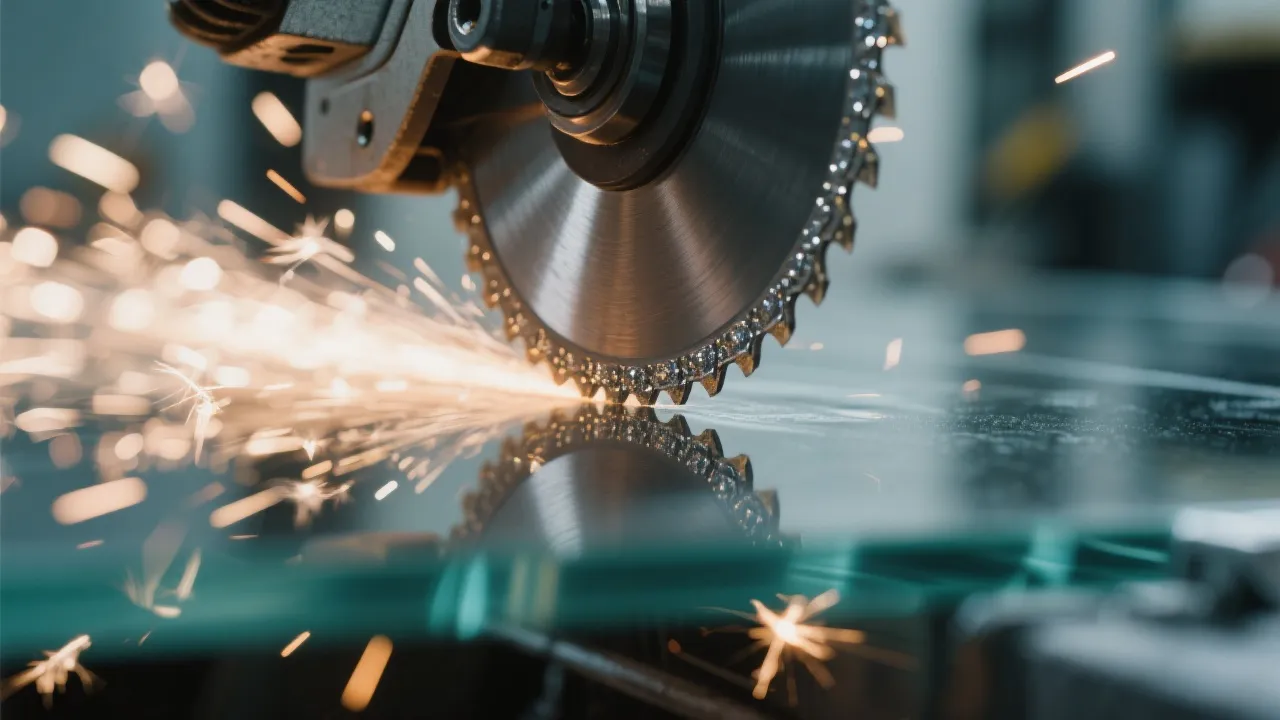
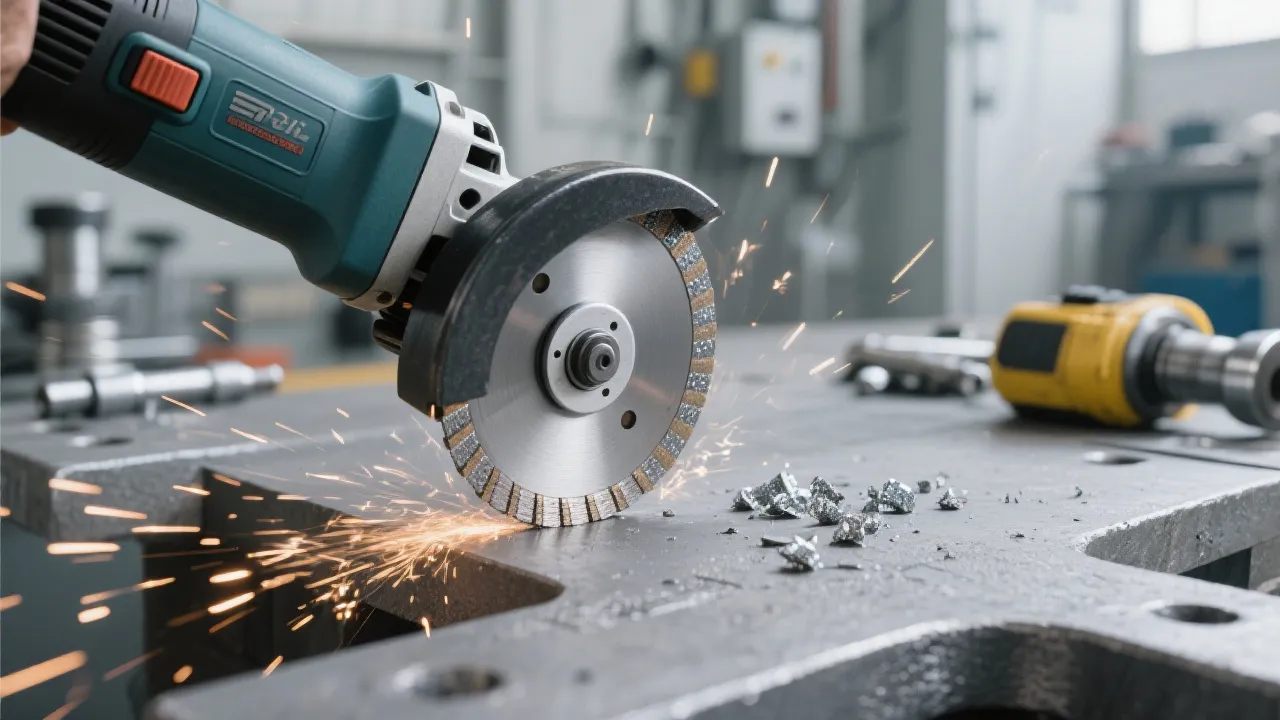
You’re not alone if your cutting operations are plagued by frequent downtime or inconsistent results—especially when working with hard materials like granite mixed with concrete. The right diamond blade isn’t just a tool—it’s a precision-engineered solution tailored to your material, equipment, and process.
According to field data from over 50 industrial sites, selecting the correct blade geometry and grit size can reduce unexpected stops by up to 40%. Here's how:
These combinations aren’t arbitrary—they’re based on real-world performance metrics collected across North America, Europe, and the Middle East. UHD Custom Solutions ensures every blade is matched to your exact application, so you don’t waste time guessing what works.
In a controlled test involving 12 different blade types, water-cooled systems reduced blade temperature by an average of 22°C compared to air cooling at the same RPM. That means less thermal stress and longer life—even under continuous operation.
For diameters above 400mm, always stick to water cooling. For smaller blades (<300mm), air cooling may suffice—but only if you maintain consistent airflow and avoid overheating during prolonged cuts.
Set a rule: inspect blade condition every 50 operating hours. Look for signs like uneven wear, chipping, or excessive vibration. If you notice any, it’s likely due to improper setup—not poor quality.
Use a soft-bristle brush or compressed air to clear built-up debris from the segment gaps. Accumulated dust causes friction, increases heat, and accelerates wear. A simple cleaning routine can extend blade life by up to 25%.
Broken edges? Likely caused by incorrect RPM settings—especially when using a circular saw on thick slabs. Check manufacturer specs: most blades require 1,500–3,000 RPM depending on diameter.
Uneven wear? Could mean misalignment between the blade and guide rail—or inconsistent feed rate. Train operators to maintain steady pressure throughout each cut.
Overheating? Often results from insufficient coolant flow or too aggressive cutting speed. Slow down slightly and ensure proper lubrication—your machine will thank you.
We’ve compiled user-reported issues into our monthly “Ask the Expert” column—because solving one problem helps many others in your industry.
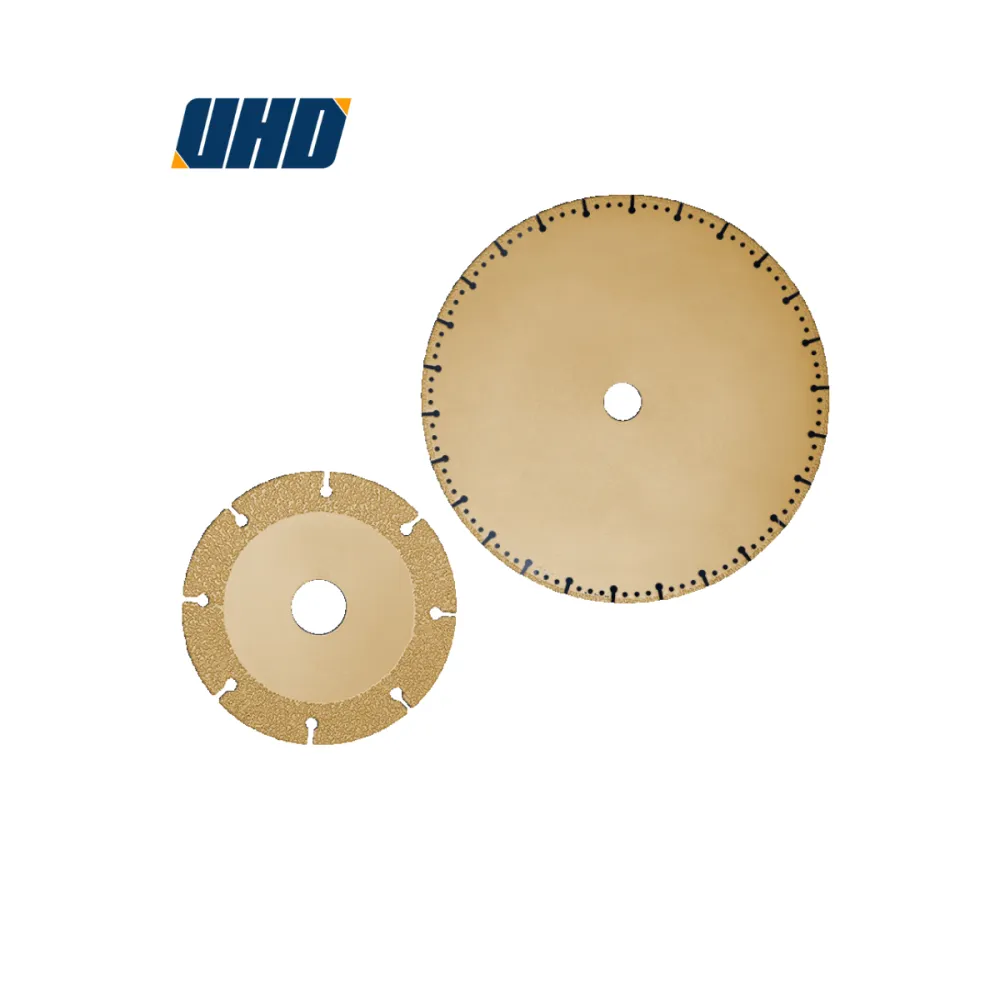
Need a custom blade recommendation? Whether you're cutting marble, basalt, or reinforced concrete, we’ll help match the right diamond blade to your specific job—no guesswork involved.
Get Your Free Blade Selection Guide


.png?x-oss-process=image/resize,h_1000,m_lfit/format,webp)