If your diamond blades are chipping, overheating, or wearing unevenly during stone or concrete cutting, you’re not alone. In fact, over 60% of industrial blade failures stem from preventable issues like improper selection, poor cooling, or incorrect operating parameters — not just wear and tear.
Start by listening closely. A sudden increase in noise — especially a high-pitched whine or grinding sound — often means your blade is misaligned or experiencing premature wear. Similarly, if cutting speed drops by more than 20%, it’s time to investigate. Don’t wait for total failure — early detection saves money and keeps production flowing.
Expert Tip: Always check the blade's heat signature with an infrared thermometer after each shift — it’s faster than waiting for visible damage.
Don’t rely only on feel — use clear indicators:
| Blade Condition | What It Means | Recommended Action |
|---|---|---|
| Chipped edges | Wrong grade or excessive pressure | Reduce feed rate + switch to harder grade |
| One-side wear | Poor alignment or no coolant | Clean gullets + realign blade + boost water flow |
| Darkened or glazed segments | Overheating or clogged gullets | Stop immediately, inspect, and adjust RPM |
A UHD customer in Saudi Arabia reduced unplanned downtime by 40% within three months simply by implementing our diagnostic checklist — including daily temperature checks and weekly blade inspections. They now know exactly when to replace a blade before it fails mid-cut.
We’re committed to helping you solve real problems — not just sell products. Every month, we feature reader-submitted questions in our “Ask the Expert” series. Share your challenge and get personalized advice from our technical team.
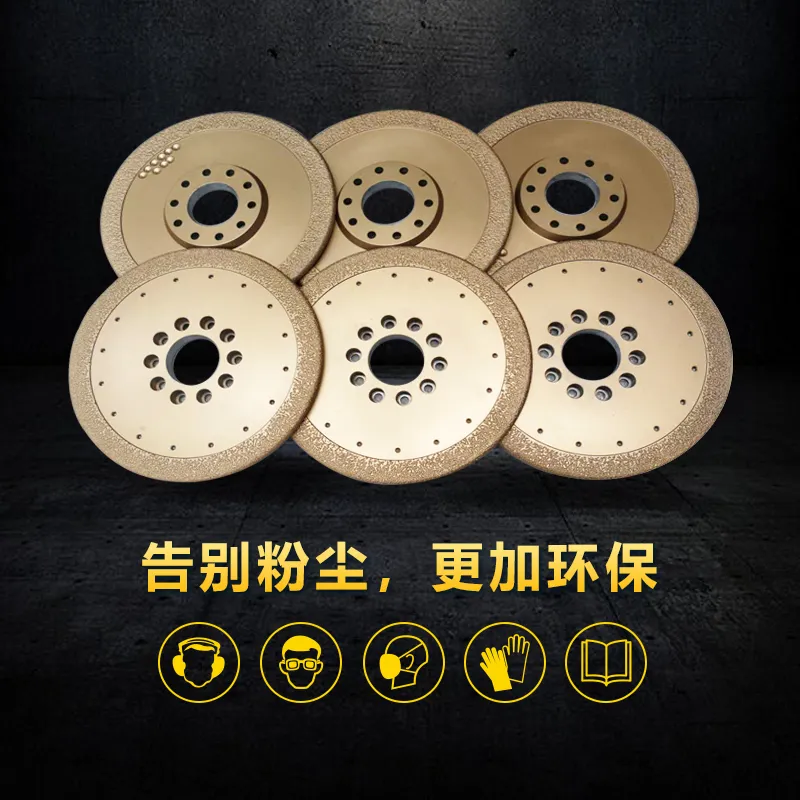
UHD’s custom-engineered diamond blades are designed for consistent performance across diverse materials — from marble to reinforced concrete.
Get Your Free Blade Health Check Today


.png?x-oss-process=image/resize,h_1000,m_lfit/format,webp)