
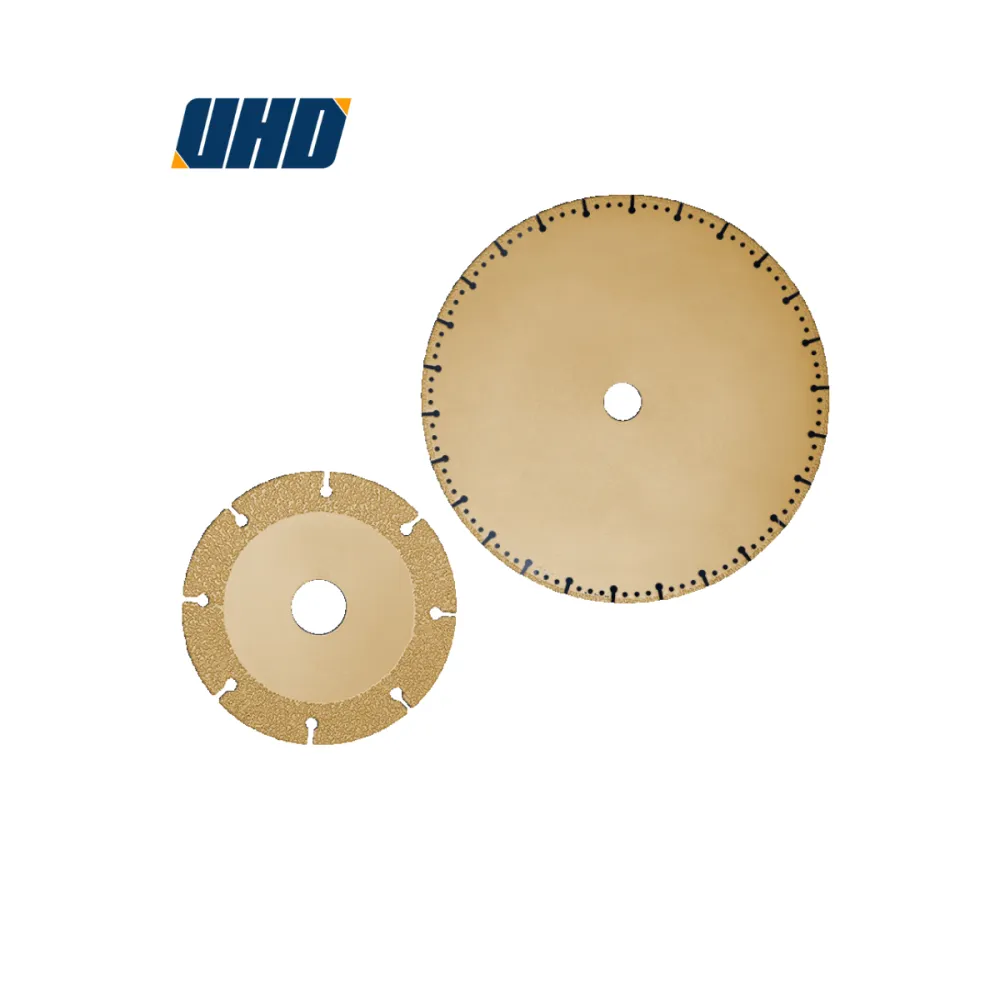
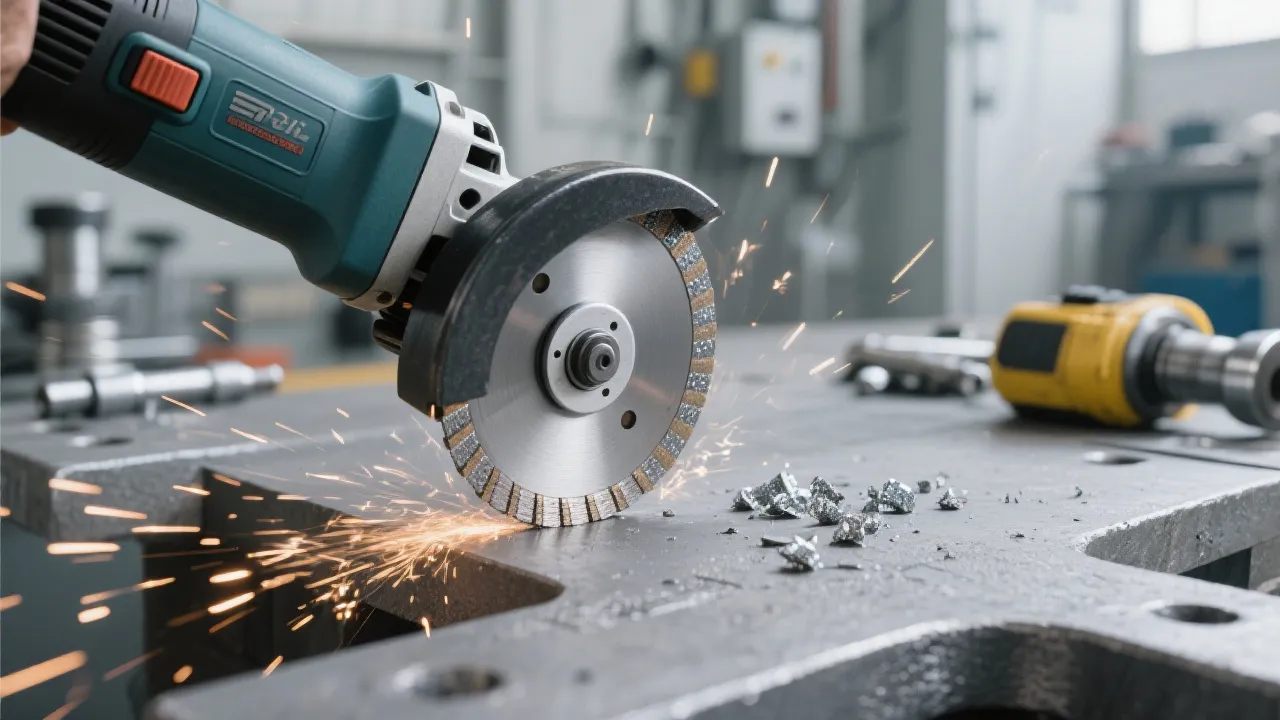
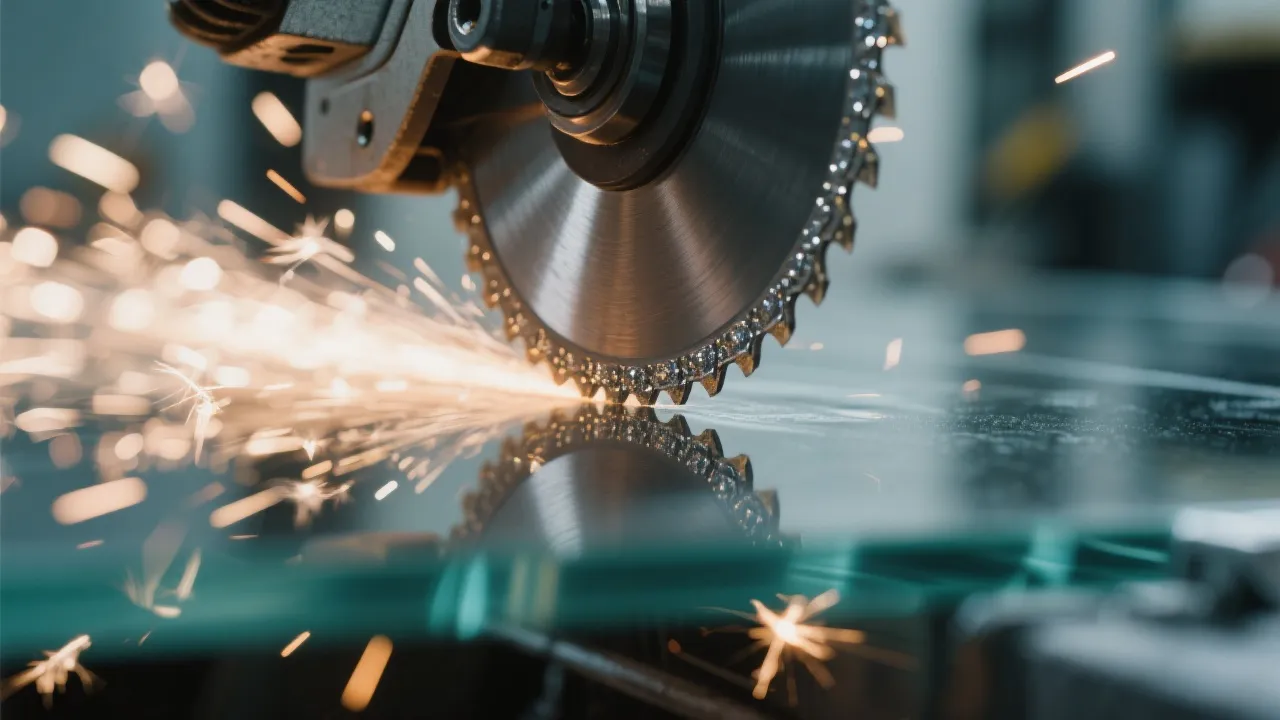
In the field of construction engineering, excessive vibration of saw blades not only affects cutting efficiency but also poses a significant threat to construction safety. This article focuses on the design optimization of 400mm brazed diamond saw blades, delving into how the arrangement of segments, the choice of matrix materials, and the brazing process work together to reduce noise and vibration.
The arrangement of segments on a saw blade plays a crucial role in its performance. A well - designed segment arrangement can evenly distribute the cutting force, thereby reducing vibration and noise. For example, in a real - world stone processing project, a saw blade with a staggered segment arrangement reduced vibration by approximately 30% compared to a saw blade with a regular arrangement. According to experienced front - line construction workers, this type of arrangement allows for a more continuous and stable cutting process, minimizing the impact on the saw blade and the workpiece.
The choice of matrix material is another key factor. Different matrix materials have different mechanical properties, such as hardness and toughness. A matrix material that matches well with the segments can effectively absorb and disperse the cutting force. In a building construction site, a saw blade with a high - strength alloy matrix showed a 25% reduction in noise levels during cutting. This is because the alloy matrix can better withstand the stress generated during cutting, preventing excessive vibration and noise.
The brazing process is also vital for reducing vibration and noise. A high - quality brazing process ensures a strong bond between the segments and the matrix, preventing segment detachment and uneven cutting. In a comparison test between two saw blades, one with a traditional brazing process and the other with an advanced vacuum brazing process, the latter showed a 40% improvement in vibration control. The advanced brazing process provides a more uniform and reliable connection, which is essential for stable cutting.
Cutting efficiency is closely related to operational comfort. When a saw blade vibrates excessively, it not only slows down the cutting speed but also makes the operation more difficult and tiring for the workers. In a survey of front - line construction workers, 80% reported that a saw blade with low vibration and noise made their work more comfortable and efficient. By optimizing the saw blade design, we can achieve a win - win situation where both cutting efficiency and operational comfort are improved.
Adjusting parameters such as rotational speed and feed rate can have a significant impact on the saw blade's performance. In a stone cutting factory, by reducing the rotational speed by 15% and adjusting the feed rate, the vibration of the saw blade was reduced by 20%, and the cutting quality was also improved. These parameter adjustments can help the saw blade operate in a more stable state, reducing the risk of abnormal vibration.
On construction sites, it is common to encounter abnormal vibration of saw blades. Front - line construction workers have developed some practical techniques to identify these abnormal signals. For example, if the saw blade makes a loud and irregular noise during cutting, or if the operator feels an obvious jolt, it may indicate abnormal vibration. In such cases, adjusting the clamp can often solve the problem. By tightening or loosening the clamp appropriately, the saw blade can be centered and balanced, reducing vibration.
For more in - depth technical knowledge about brazed diamond saw blades, please visit our technical column.

.png?x-oss-process=image/resize,h_1000,m_lfit/format,webp)


 <#else>


