Excessive Concrete Saw Blade Vibration on Site: Causes and 3 Proven Ways to Reduce Chatter
14 02,2026
Application Tips
Excessive saw blade vibration during concrete cutting can quickly lead to rough kerfs, slower progress, higher noise, and increased safety risks. This practical guide breaks down the three most common root causes behind high-frequency blade chatter on job sites—insufficient core rigidity, uneven diamond distribution, and incorrect feed parameters—and turns them into actionable fixes you can apply immediately. You’ll learn three proven vibration-reduction techniques: switch to a 400H brazed diamond blade with a heat-dissipation fin design to improve stability, fine-tune feed rate and cutting pressure to prevent oscillation, and routinely inspect edge wear to keep the rim cutting evenly. Supported by real-job insights and easy-to-follow checklists/visual comparisons, the article helps you reduce vibration at the source and improve cutting stability, efficiency, and on-site safety.
Blade Vibration on the Jobsite? Fix It Before It Costs You Time, Accuracy, and Safety
If your concrete saw blade starts chattering—that high-frequency shake you can feel in the handles—your cut line wanders, your edge chips, and your operator fatigue skyrockets. Worse, vibration can accelerate bearing wear and raise the risk of kickback events. The good news: you don’t need guesswork. In most jobsite scenarios, blade vibration comes from a small set of root causes, and you can reduce it fast with the right blade structure, the right feed settings, and simple wear checks.
What “Too Much Vibration” Looks Like (and Why It Matters)
Vibration isn’t just “annoying.” It’s a performance signal. On concrete and reinforced concrete, excessive vibration typically shows up as:
Cut quality drops
Wavy kerf, edge spalling, micro-chips on stone/concrete corners, more rework.
Tool wear rises
Faster flange wear, higher bearing load, increased chance of segment damage.
Productivity suffers
More pauses, slower feed, more blade changes, and inconsistent cycle time.
In field observations across mid-size construction crews, reducing vibration can realistically improve effective cutting pace by 10–20% because operators stop “babying” the saw and spend less time correcting the line or dressing the blade.
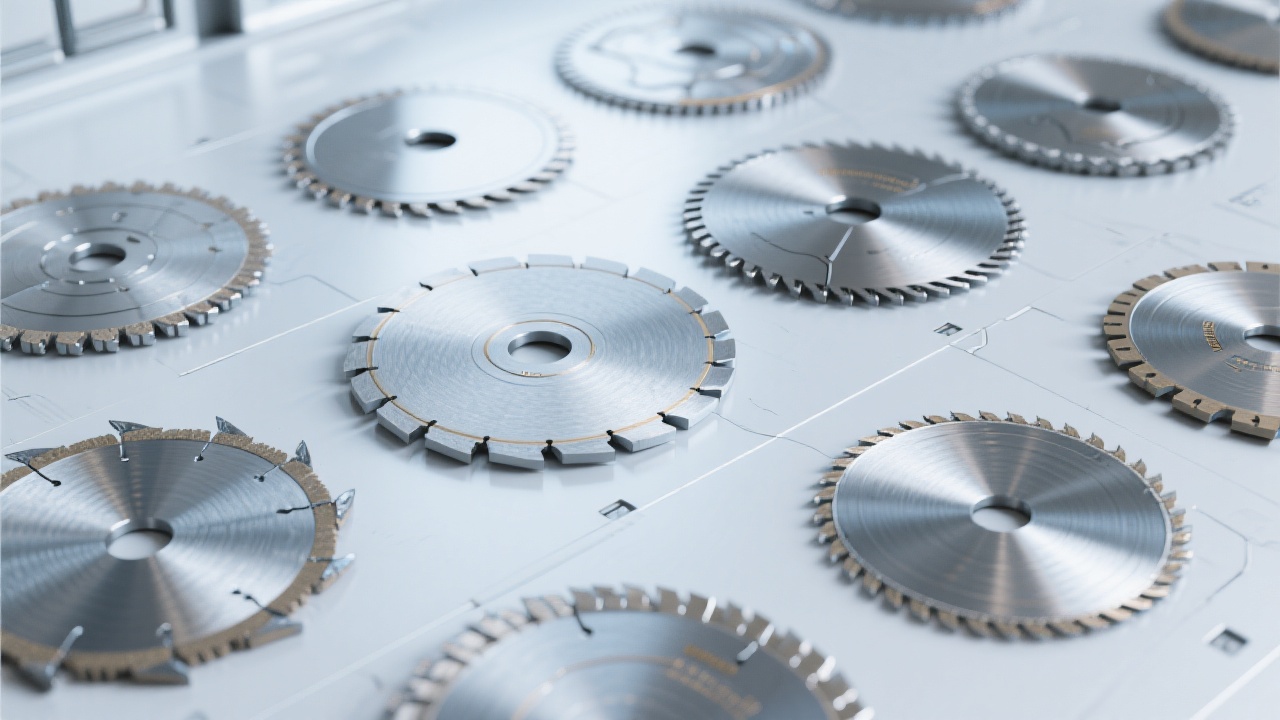
The 3 Most Common Causes of High-Frequency Blade Vibration
When a blade “sings” or bounces in concrete, the source is usually mechanical stiffness, cutting balance, or an aggressive feed setup. Here’s how to diagnose it quickly—without turning the jobsite into a lab.
1) Insufficient core stiffness (the blade body flexes)
If the blade body is too thin for the saw power, cutting depth, or material hardness, it can flex under load. That flex becomes oscillation, and oscillation becomes vibration. This is especially noticeable when you start a cut at the edge, change direction slightly, or hit dense aggregate pockets.
Field clue: vibration increases with depth, and the blade tends to “wander” even when your guide is stable.
2) Uneven diamond distribution (cutting points bite inconsistently)
If diamond exposure and distribution are inconsistent, the blade alternates between grabbing and skating. That irregular “bite” creates micro-impacts at the segment edge—felt as a fast, harsh vibration. On reinforced concrete, this effect intensifies when you intermittently contact rebar.
Field clue: vibration feels like a rapid chatter, and the sound changes as the blade rotates (as if one section cuts harder than the rest).
3) Incorrect feed parameters (too fast, too much pressure, wrong rhythm)
Even a good blade will vibrate if you force it. Excessive feed speed or push pressure can overload the cutting edge, causing segment bounce and glazing. With handheld saws, the most common trigger is “leaning in” to gain speed—right when the blade needs stable, consistent engagement.
Field clue: vibration spikes at the start of the cut or when you try to speed up; backing off immediately calms it down.
3 Practical Vibration-Reduction Techniques You Can Apply Today
Below are three methods that work in real crews because they’re repeatable and don’t depend on perfect conditions. Use them in order: start with the blade structure, then dial in feed, then maintain the edge.
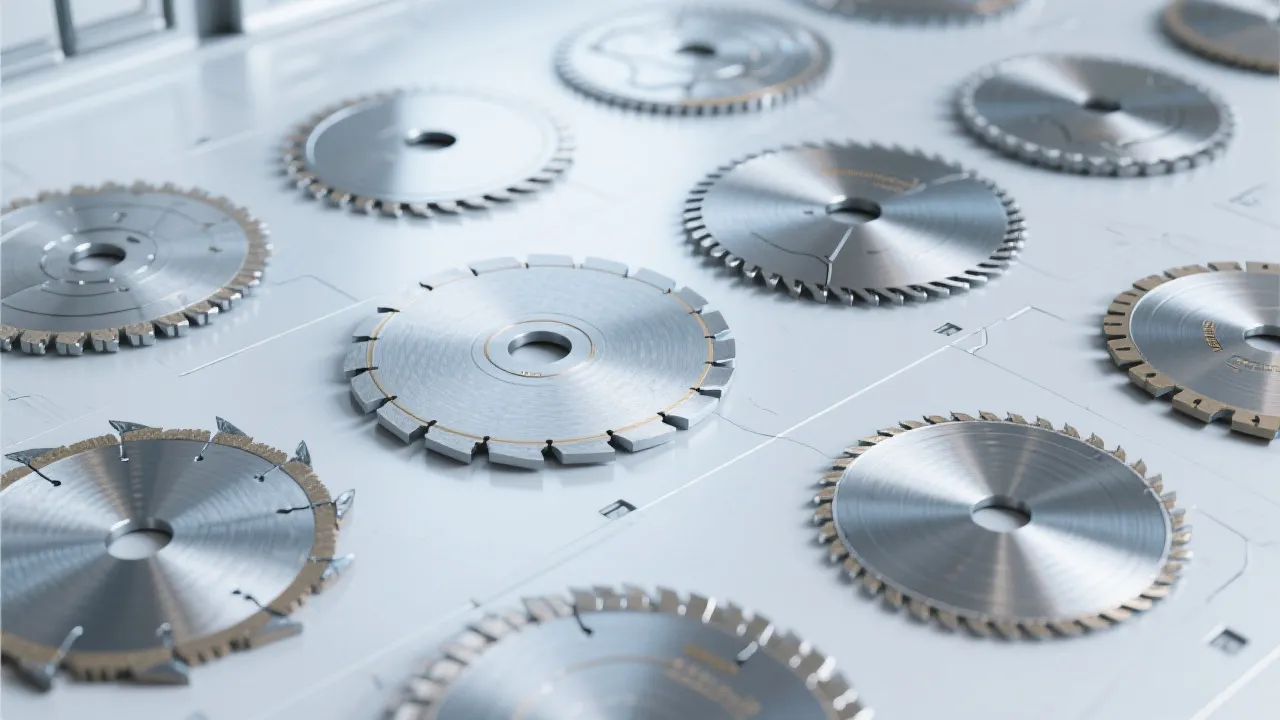
Tip #1: Use a blade designed to stay stable under heat and load (400H brazed diamond blade with heat-dissipating fins)
Heat is a hidden vibration amplifier. As temperature climbs, the blade core can expand unevenly, and cutting becomes less balanced. Choosing a blade with a structure that manages heat and stabilizes the body often produces the fastest improvement.
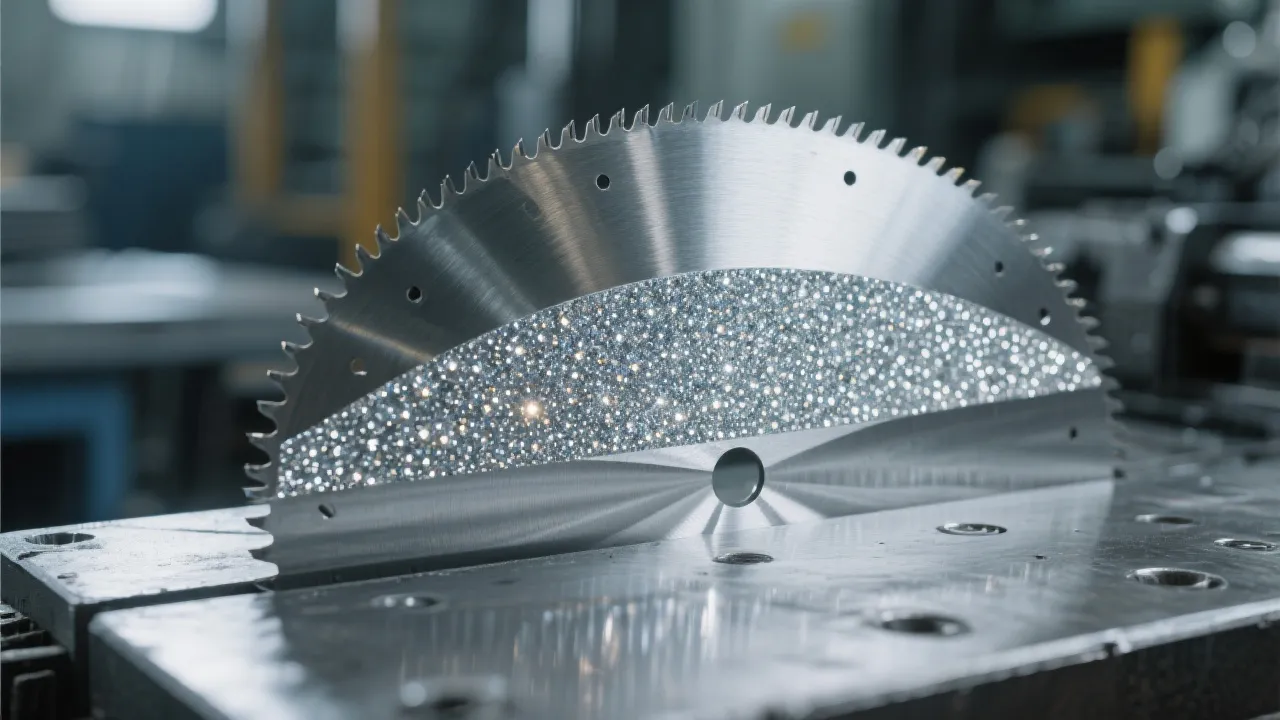
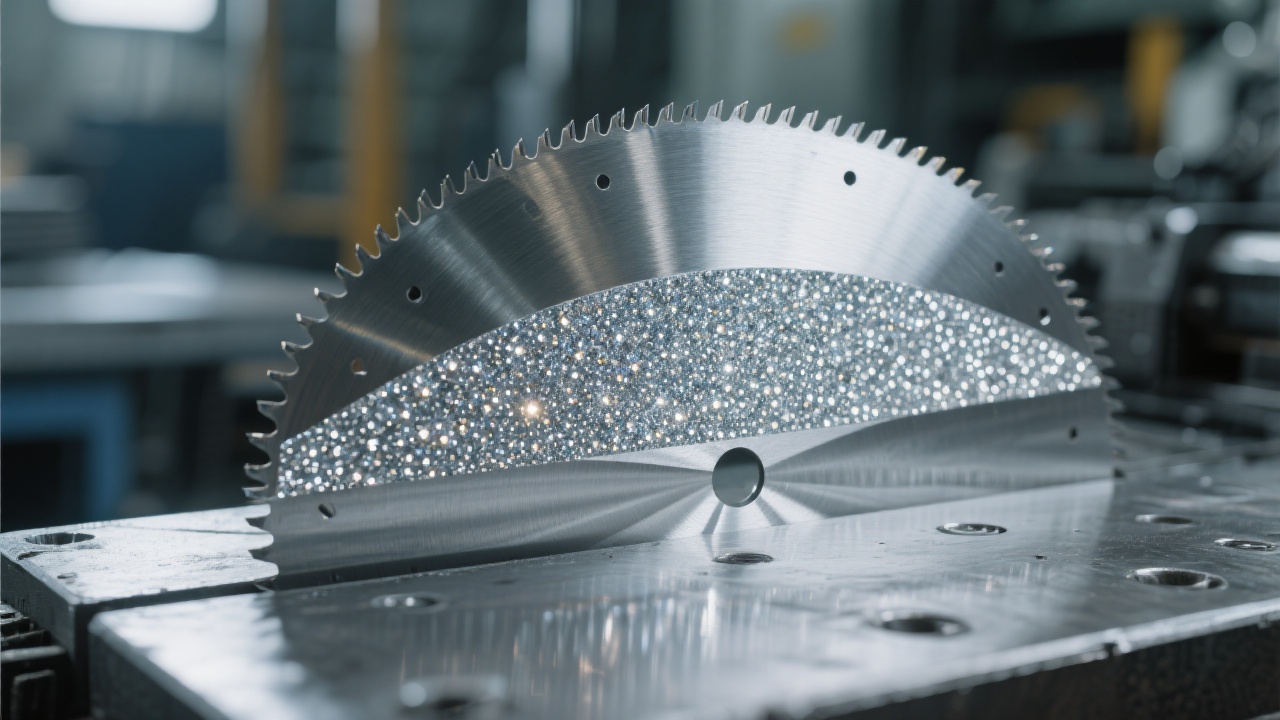
A 400H brazed diamond saw blade with a distinct heat-dissipating fin design helps reduce vibration by improving heat release and maintaining more consistent cutting stability—especially in continuous cutting where the core temperature rises quickly.
Quick selection checklist (jobsite-friendly)
- Match blade diameter and arbor to your saw (avoid adapter wobble whenever possible).
- Prefer a stiffer core for deeper cuts and higher-power saws.
- For long runs, prioritize heat management features (fins/slots designed for cooling and stability).
- Check flange condition and cleanliness; debris can create runout that feels like blade vibration.
Tip #2: Control feed speed and pressure (steady engagement beats brute force)
If you want a calmer blade, your goal is consistent chip formation. That means a stable feed rate and moderate pressure—enough to keep cutting points engaged, not so much that the segment bounces. When you overload, the blade can glaze, then suddenly re-bite, creating chatter.
Field baseline parameters (reference ranges)
| Scenario |
Recommended approach |
What to avoid |
| Starting the cut (edge entry) |
Light pressure for 2–3 seconds, then ramp up smoothly |
Hard push at entry (most common chatter trigger) |
| Dry cutting (general concrete) |
Short cutting intervals (20–40 seconds) + brief air-cool pauses |
Continuous forcing until the core overheats |
| Rebar contact (intermittent) |
Maintain steady feed; let diamonds work through metal transitions |
Speed surges when sparks appear (causes bounce) |
| Deeper cuts (near max depth) |
Reduce feed slightly; keep the saw aligned and supported |
Twisting to “correct the line” mid-cut |
These ranges are practical references for many jobsite saw setups; always adjust based on machine power, blade diameter, and material density.
One reliable rule: if the vibration increases when you push harder, your fastest path to higher productivity is usually to back off slightly and regain stable cutting—your net cut speed often improves because you stop fighting the blade.
Tip #3: Inspect edge wear and correct it early (a worn rim often vibrates first)
Vibration can be a wear symptom, not just a technique problem. As the cutting edge dulls or glazes, it stops “biting” cleanly and starts bouncing. A quick inspection routine keeps you from burning time on a blade that’s asking for attention.
2-minute jobsite inspection checklist
- Look at the cutting edge: shiny/glassy appearance can indicate glazing (higher chatter risk).
- Check for uneven wear: one side more worn can cause imbalance and vibration.
- Confirm mounting: flange faces clean, blade seated flat, correct tightening torque.
- Spin test (power off): feel for wobble/runout; if noticeable, inspect arbor/flange.
- Edge refresh if needed: if safe and approved on site, briefly dress on an appropriate abrasive material to restore bite.
In many crews, adding this simple check before long cuts reduces vibration-related interruptions and “mystery wobble” complaints by roughly 15–25% over a month, mainly by catching mounting issues and glazing early.
Real-World Result: One Change That Cut Vibration Issues by 30%
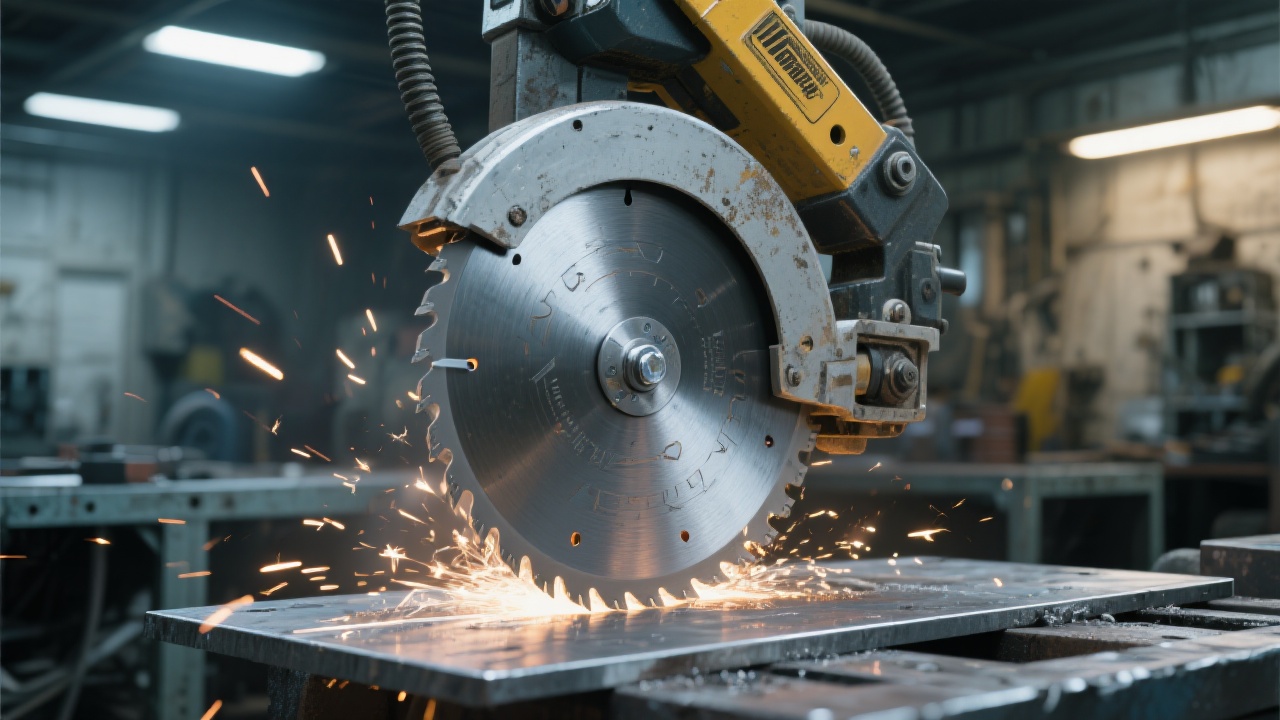
In a commercial slab-cutting project (mixed aggregate concrete, frequent long straight runs), the crew reported repeated vibration bursts—especially after the first few meters—leading to slowdowns and more blade swaps. They made three changes: switched to a more stable blade structure with better heat management (including 400H fin-style cooling design), standardized feed ramp-up at entry, and added a quick edge inspection before each long cut.
Over the following work cycle, the team recorded a ~30% reduction in vibration-related stoppages (restarts, re-cuts, and “let it cool” delays). The biggest improvement came from stabilizing the blade under heat, then keeping feed pressure consistent.
A simple workflow you can follow on your next cut
Step 1: Confirm blade seating + flange cleanliness (prevents runout vibration).
Step 2: Start light, ramp pressure smoothly for stable entry.
Step 3: Maintain steady feed; if chatter rises, reduce pressure before reducing RPM.
Step 4: Pause for air-cooling in dry cuts; don’t force through overheating.
Step 5: Inspect edge wear; correct glazing early to keep the blade “biting.”
Want a More Stable Cut Line? Start with a Blade Built to Reduce Vibration
If you’re dealing with recurring chatter in concrete cutting, the fastest upgrade is often the blade itself—especially a design that manages heat and maintains stiffness under continuous load. If you want, you can share your material type (concrete strength, aggregate, rebar frequency), saw model, and blade diameter, and match a setup that cuts smoother with less vibration.
CTA: Get the 400H Brazed Diamond Blade Vibration-Reduction Setup
See how the 400H brazed diamond saw blade with a heat-dissipating fin structure can help stabilize cutting, reduce chatter, and improve jobsite efficiency.
Explore the 400H Blade Anti-Vibration Solution
Tip: For faster matching, include your cutting method (dry/wet), typical depth, and whether you’re hitting rebar.
Quick Question (Reply in the Comments)
When your blade vibrates, what’s the most common situation on your site: starting the cut, deep cutting, or rebar contact? And are you cutting mostly dry or wet today?


.png?x-oss-process=image/resize,h_1000,m_lfit/format,webp)