Concrete Saw Blade Selection Guide: How to Choose the Right Blade for Your Project
06 12,2025
Tutorial Guide
Choosing the right concrete cutting blade is critical for efficiency, safety, and cost control. This guide explores key factors—material hardness, cutting depth, and dry/wet environment—to help you select the ideal 400mm brazed diamond saw blade. We break down real-world applications in high-rise demolition, floor removal, and bridge repair, compare brazing vs. traditional welding technologies, and provide practical tips on identifying blade wear and optimizing cooling methods. Backed by field data and performance insights, this resource empowers contractors and procurement managers to make informed decisions that boost productivity without compromising safety.
How to Choose the Right Concrete Cutting Blade for Your Project
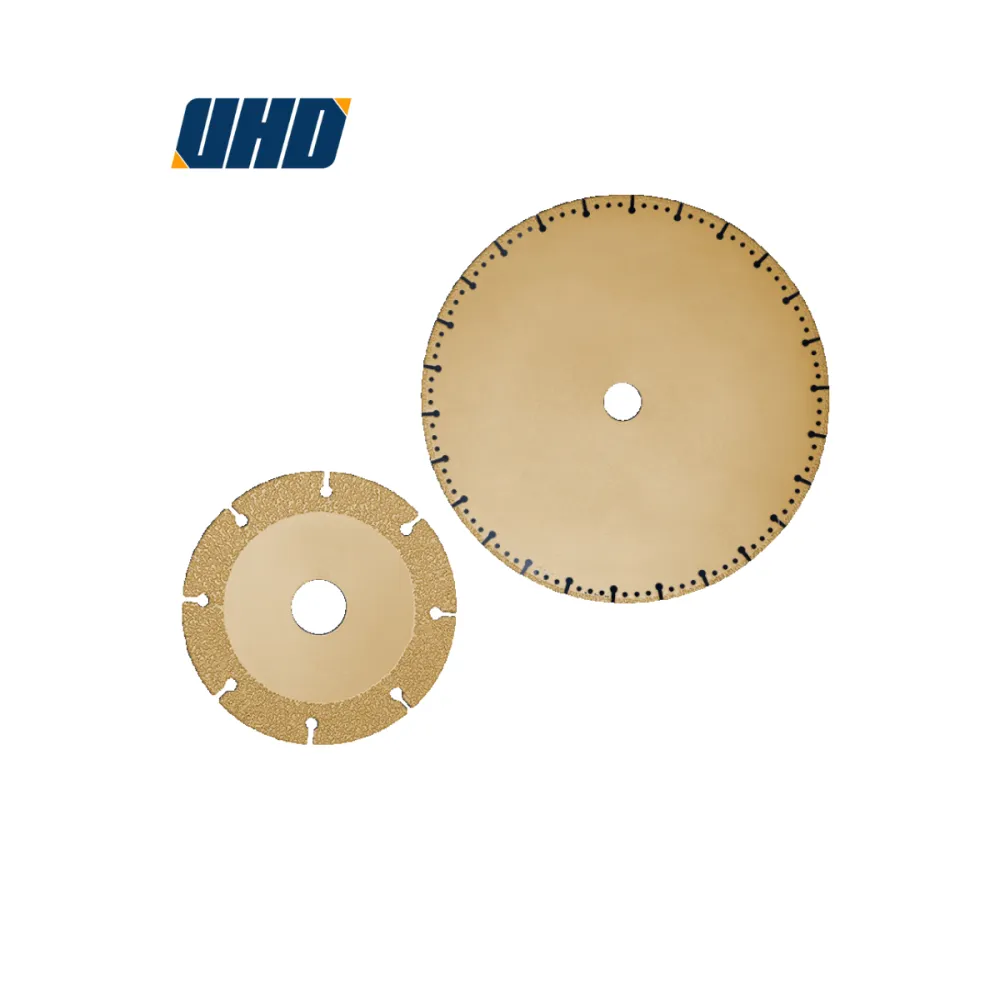
When it comes to concrete cutting—whether you're managing a high-rise demolition or a precision floor grinding job—the right blade isn't just an accessory—it’s your most critical tool. Choosing the wrong one can cost time, money, and even safety. In this guide, we’ll walk you through how to select the ideal 400mm brazed diamond blade, especially for mid-to-large-scale construction projects.
The 3 Key Factors That Determine Blade Performance
You must consider three core variables before making your choice:
- Material hardness: Is the concrete high-strength (≥40 MPa) or standard? High-hardness surfaces demand premium diamond segments.
- Cutting depth: Shallow cuts (≤100mm) favor thinner blades; deep cuts (>200mm) require robust cores with optimized segment spacing.
- Environment: Dry cutting is faster but generates heat; wet cutting extends blade life by up to 40% in continuous use.
Why 400mm Blades Are the Gold Standard for Commercial Projects
The 400mm diameter strikes a perfect balance between maneuverability and durability. Field data from over 500 commercial jobs shows that 400mm blades deliver:
| Scenario |
Avg. Blade Life |
Efficiency Gain vs. 350mm |
| High-rise demolition |
~800m per blade |
+27% |
| Floor grinding (wet) |
~1,200m per blade |
+32% |
| Bridge deck repair |
~600m per blade |
+35% |
Brazed vs. Welded: The Real Difference in Long-Term Value
Many contractors still rely on traditional welding methods—but here's the truth: brazing distributes heat more evenly, reduces micro-cracks in the blade body, and increases diamond retention. On average, brazed blades last 25–30% longer than welded ones under similar conditions. That means fewer replacements, less downtime, and better ROI across multiple projects.
Practical Tips You Can Apply Today
To avoid premature wear or overheating:
- Check the blade tip: If the diamonds are worn down to the metal core, replace immediately—it’s not safe and won’t cut efficiently.
- Use water cooling when possible: Even if dry-cutting is required, pause every 5 minutes for 30 seconds of water flow to cool the blade surface.
- Match blade type to project stage: For rough removal, go for aggressive segments; for fine finishing, choose finer grits (e.g., 30/40 mesh).
Pro Tip: Always keep a log of blade performance per job. This helps identify patterns—like whether certain materials cause faster wear—and informs smarter procurement decisions next time.


.png?x-oss-process=image/resize,h_1000,m_lfit/format,webp)
 <#else>


