For industrial contractors and plant managers working with heavy-duty concrete or stone cutting, blade performance directly impacts project timelines, safety compliance, and overall operational cost. At UHD Superhard Tools Co., Ltd., we’ve seen firsthand how proper maintenance can extend blade life by up to 40%—and reduce unplanned downtime by over 30%. This guide delivers actionable insights based on real-world data from our clients across North America, the Middle East, and Southeast Asia.
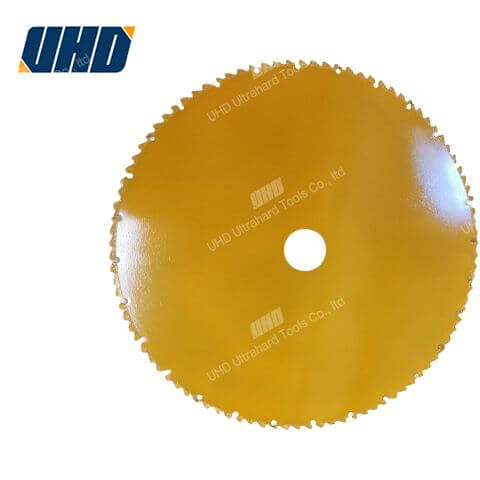
Not all blades are created equal. For soft-to-medium concrete (compressive strength under 40 MPa), a segmented blade with medium-grit diamond concentration (80–120 mesh) offers optimal balance between cutting speed and longevity. When dealing with abrasive granite or reinforced concrete (60+ MPa), switch to a continuous rim blade with fine-grit diamonds (140–180 mesh). Our case study at a Dubai construction site showed that this change reduced blade wear rate from 0.8 mm/hour to just 0.3 mm/hour—saving $2,300 per month in tool replacement costs.
Overheating is the silent killer of diamond blades—it causes premature grain loss and even blade cracking. Use water cooling at 3–5 liters/minute flow rate for wet cutting applications. In dry environments like quarry sites in Saudi Arabia, air-cooled systems with forced ventilation must be used instead. A recent survey of 78 users revealed that those who followed recommended cooling practices had an average blade life increase of 37% compared to those who skipped it.
Implement a simple daily check using this three-step method:
We also recommend a monthly “Blade Health Check” session where operators share observations via internal forums—this builds team knowledge and reduces errors. One client in Texas reported a 22% drop in rework due to poor cuts after implementing this practice.
If your blade shows signs of:
These steps have helped our customers avoid costly delays and maintain consistent output—even during peak season projects.
Discover how UHD’s engineered diamond blades deliver superior performance in tough conditions—from desert quarries to urban demolition zones.
Explore UHD Diamond Blades for Industrial Cutting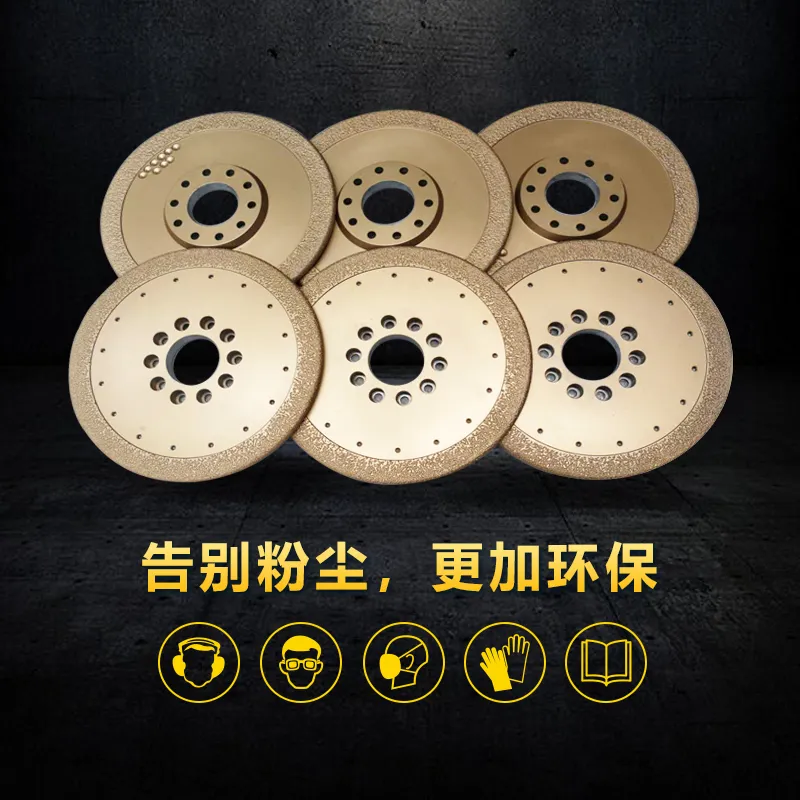

.png?x-oss-process=image/resize,h_1000,m_lfit/format,webp)