
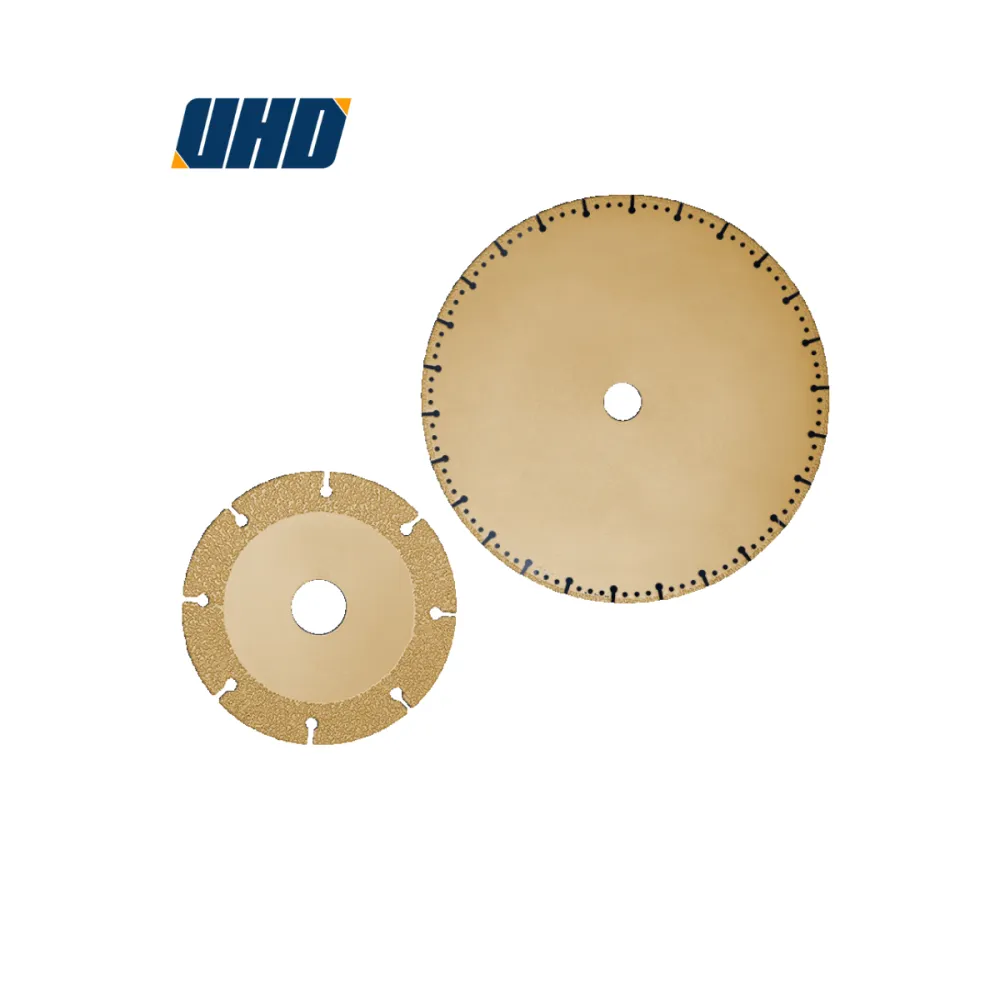
Selecting the right concrete cutting blade is critical for achieving efficiency and durability in demanding construction projects. The 400mm hard-alloy brazed diamond blade has gained popularity due to its balance of size versatility and robust performance. This article explores how material hardness and cutting depth influence the performance of this blade size, alongside the effects of dry versus wet cutting environments — essential knowledge for project managers and equipment procurement specialists aiming to optimize operational outcomes.
Material hardness directly dictates the required blade composition. For high-hardness substrates such as granite and reinforced concrete (Mohs hardness rating approx. 6+), the cutting edge must feature ultra-durable diamond segments with advanced brazing techniques that enhance impact resistance and wear longevity.
Meanwhile, the cutting depth influences the blade’s structural design, affecting factors like core thickness, segment height, and heat dissipation capacity. For example, cutting depths exceeding 100 mm require blades engineered with reinforced cores and optimized venting to prevent thermal damage and maintain stability under load.
Field testing and industrial reports have shown that using a 400mm 400H hard-alloy brazed diamond blade can increase cutting efficiency by up to 25% compared to conventional electroplated or sintered blades when applied to granite and reinforced concrete. Additionally, blade lifespan in heavy-duty applications has demonstrated improvements up to 40% due to the superior bonding strength of the brazed diamond segment.
| Material | Cutting Efficiency Increase | Blade Lifespan Extension |
|---|---|---|
| Granite | 25% | 40% |
| Reinforced Concrete | 22% | 35% |
The operational environment — whether dry or wet cutting — significantly influences blade wear, noise, and vibration:
| Parameter | Dry Cutting | Wet Cutting |
|---|---|---|
| Blade Life Expectancy | Baseline | +30% to +50% |
| Noise Level | Higher (80-90 dB) | Lower (65-75 dB) |
| Vibration | More Pronounced | Reduced |
Wet cutting is generally recommended for prolonged projects where blade longevity and operator comfort are priorities, due to superior cooling and dust suppression capabilities. Conversely, dry cutting's portability advantage suits on-site operations with limited water access, but demands careful monitoring of blade temperature and wear.
The 400H hard-alloy brazed diamond blade's combination of strength and adaptability makes it ideal for:
Brazing technology fuses diamond segments and blade cores with superior metallurgical bonding, resulting in:
Optimizing cutting parameters enhances blade life and quality:
Q1: Can the 400mm 400H brazed diamond blade be used on both dry and wet cutting?
A1: Yes, it is designed to perform effectively in both environments. Wet cutting extends blade life and lowers noise, whereas dry cutting provides greater mobility. Adjust operating speed accordingly for dry cutting to avoid overheating.
Q2: How to recognize when the blade needs replacement?
A2: When diamond segments become rounded, less sharp, or show signs of segment detachment, it’s time to replace the blade to maintain cutting quality and safety.
Q3: What safety measures should be followed during cutting?
A3: Always wear personal protective equipment (PPE), ensure that the blade is correctly mounted, avoid cutting at excessive feed rates, and confirm the structural stability of the material being cut.
.png?x-oss-process=image/resize,h_1000,m_lfit/format,webp)


 <#else>


