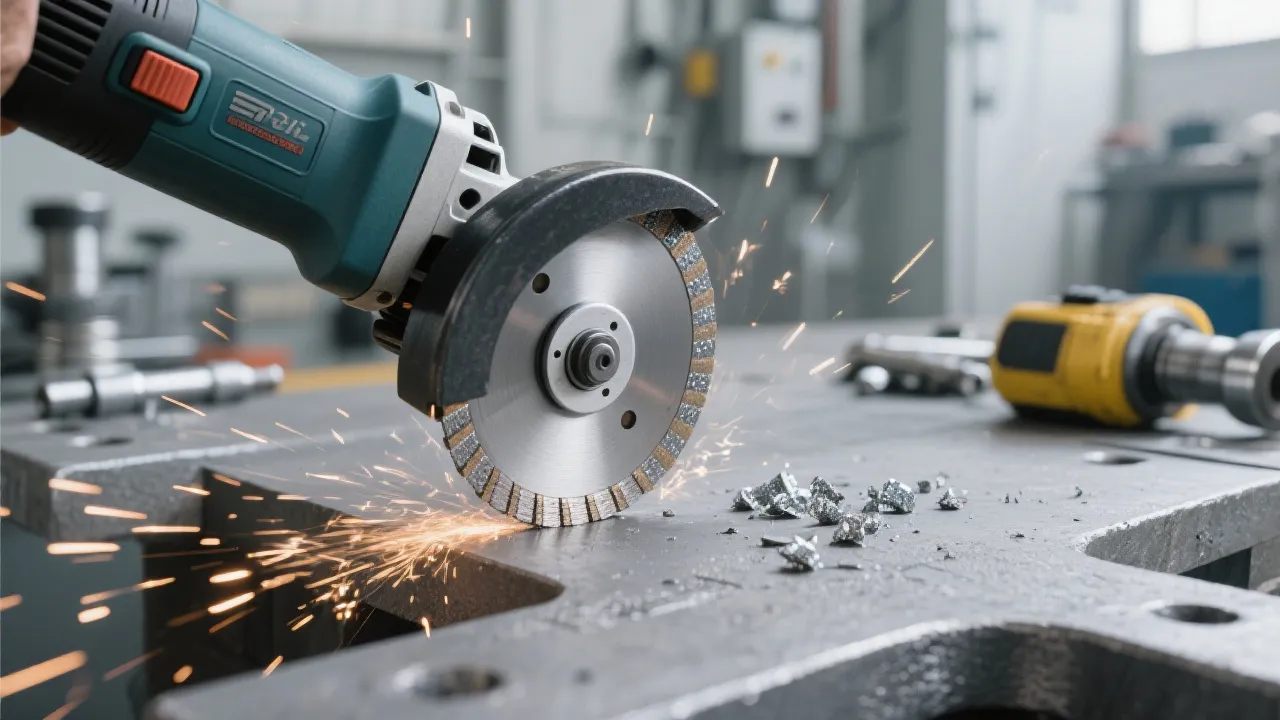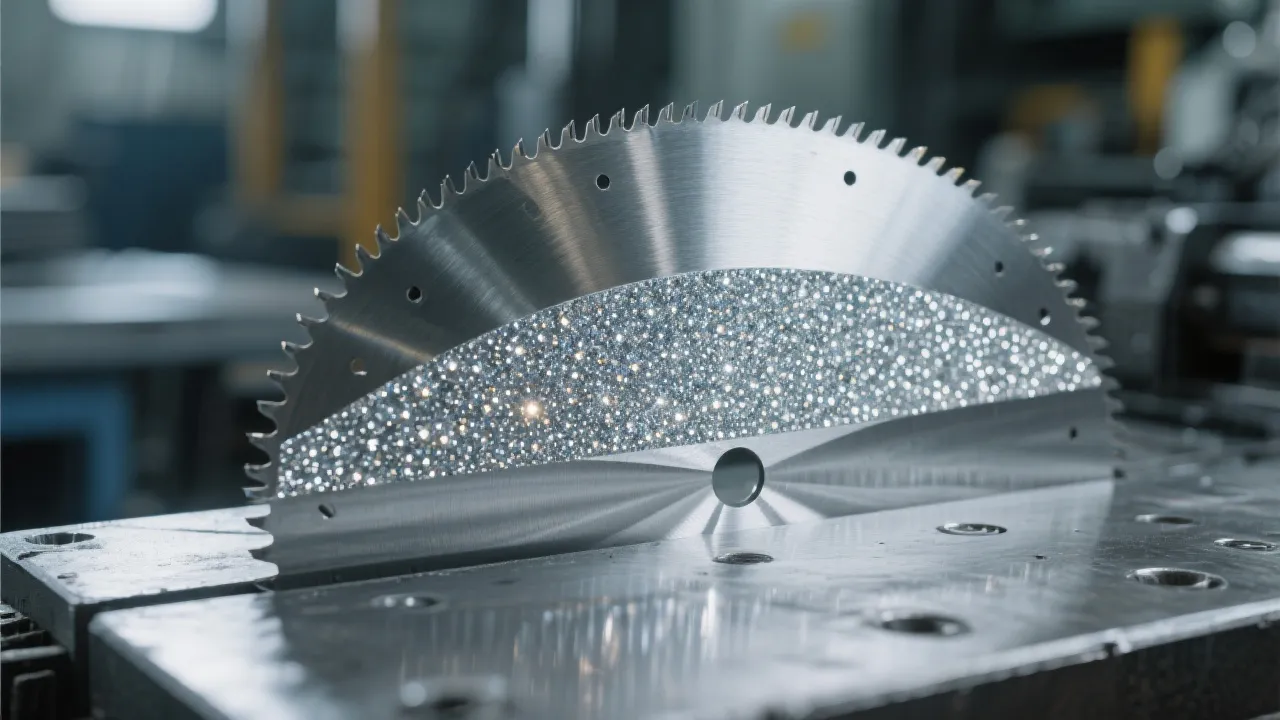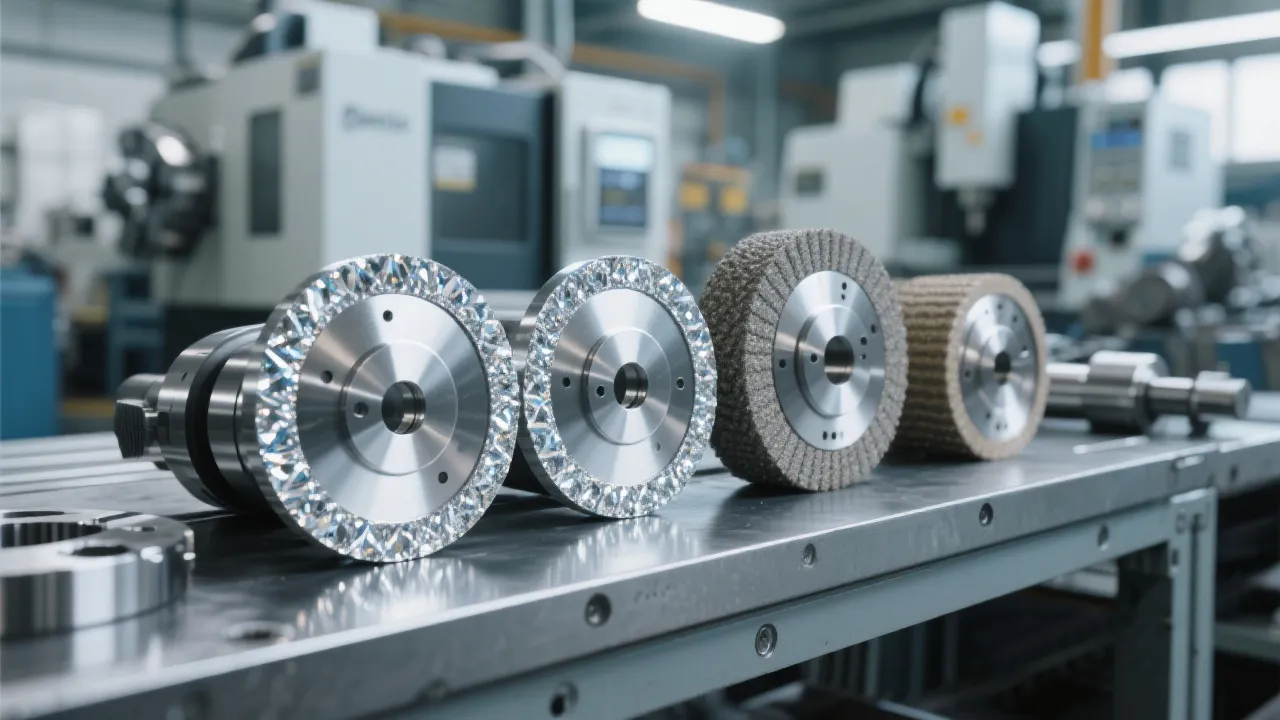
Drilling hard building materials is a complex task that requires a deep understanding of the key parameters involved. This guide will walk you through the essential aspects of the drilling process, focusing on the application advantages of diamond drill bits in the processing of stone, ceramics, and concrete. By the end of this article, you'll be equipped with the knowledge to make informed decisions about tool selection and process optimization.
When it comes to drilling hard materials such as stone, ceramics, and concrete, each material presents unique challenges. Stone, for example, is often brittle and prone to cracking, while ceramics are extremely hard and require high precision. Concrete, on the other hand, contains aggregates that can wear down drill bits quickly. To overcome these challenges, it's crucial to select the right tools and optimize the drilling process.
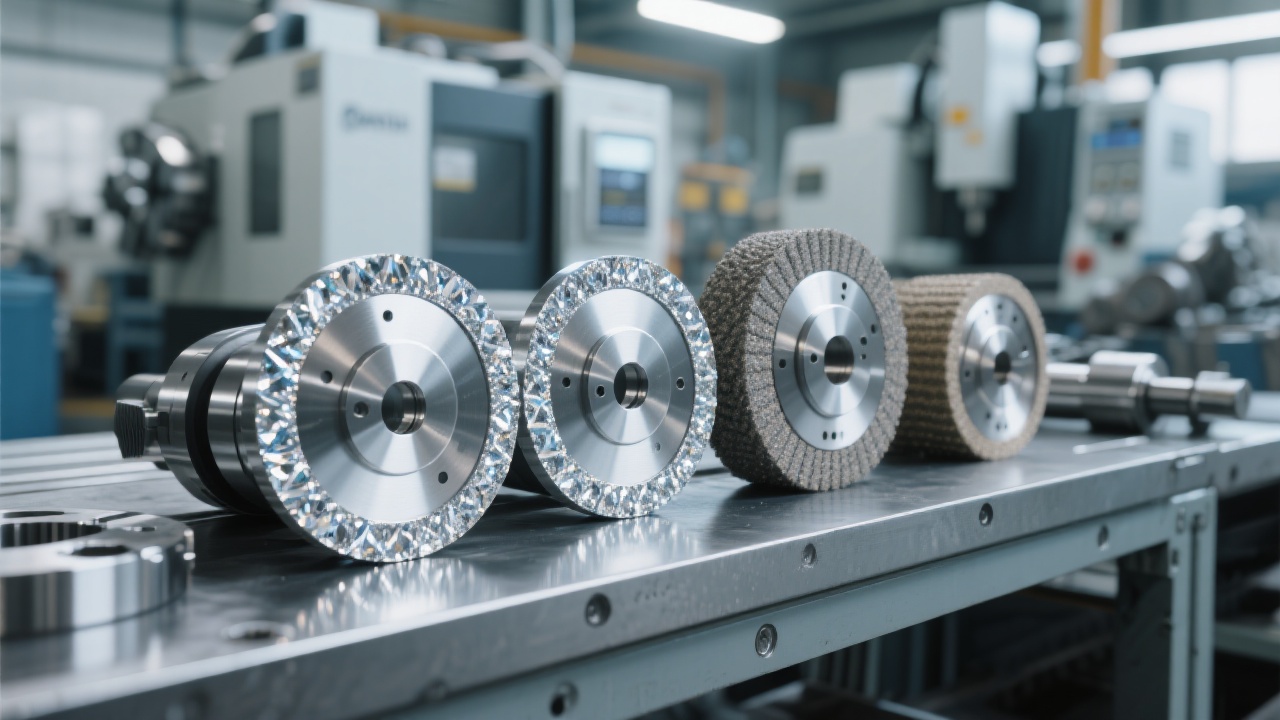
The speed, feed rate, and cooling method are three critical parameters that significantly impact the efficiency and quality of the drilling process. The speed, measured in revolutions per minute (RPM), determines how fast the drill bit rotates. A higher speed can increase the drilling efficiency, but it also generates more heat, which can damage the drill bit and the material. The feed rate, measured in millimeters per revolution (mm/rev), controls how fast the drill bit advances into the material. A proper feed rate ensures a smooth and efficient drilling process.
Cooling is also essential to prevent overheating and prolong the life of the drill bit. Water or coolant can be used to cool the drill bit and remove chips from the drilling area. Different materials may require different cooling methods, so it's important to choose the right one based on the material and the drilling conditions.

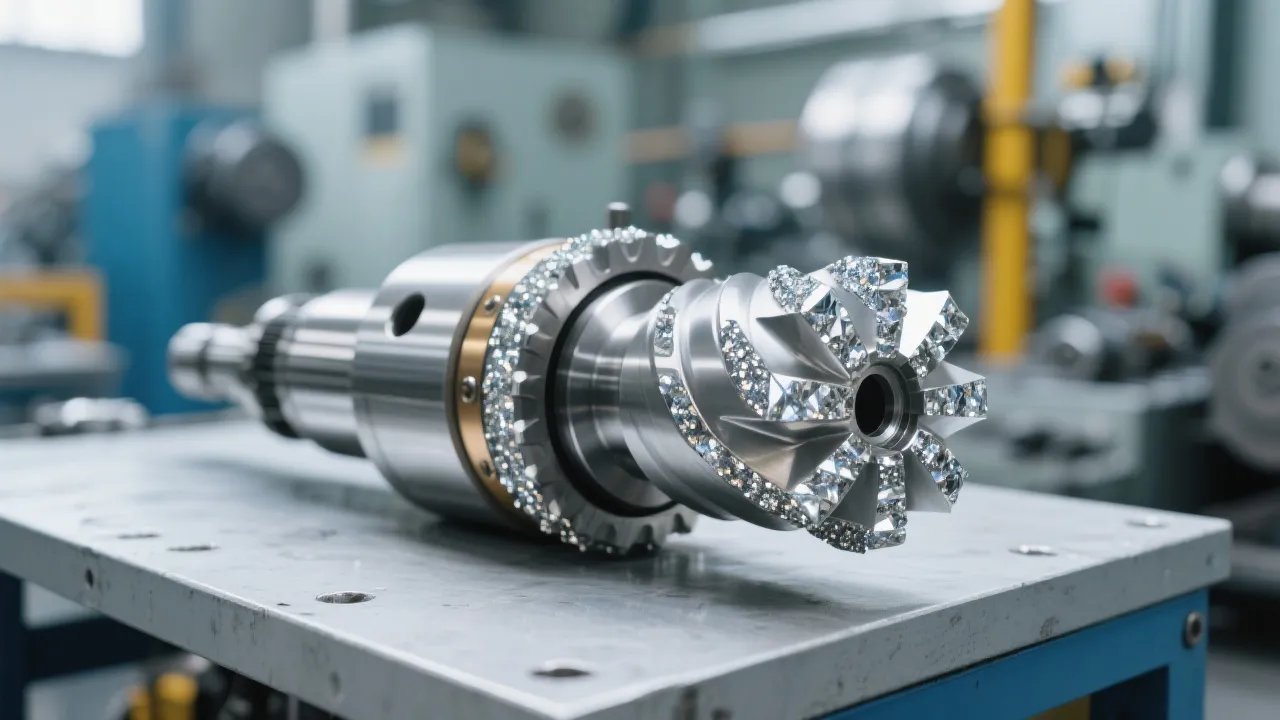
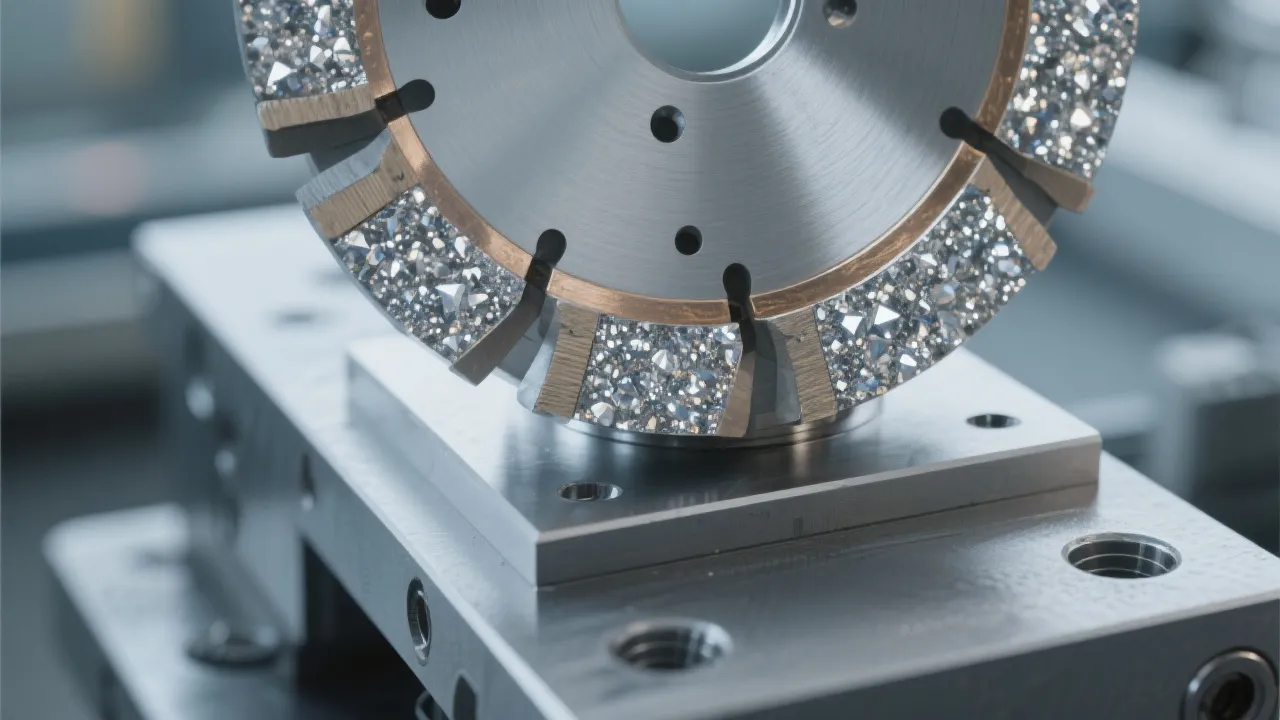
Diamond drill bits offer several advantages over traditional drill bits when it comes to drilling hard materials. They are extremely hard and wear-resistant, which means they can last longer and maintain their cutting edge even under heavy use. Diamond drill bits also provide high precision and accuracy, resulting in cleaner and more precise holes. In addition, they are cost-effective in the long run, as they require less frequent replacement.
CE certification is a crucial factor in ensuring the quality and compliance of diamond tools in the international market. It indicates that the product meets the essential health and safety requirements of the European Union. By choosing CE-certified diamond tools, you can be confident that you are using high-quality products that are safe and reliable. This not only protects your business from potential legal issues but also enhances your reputation in the global market.
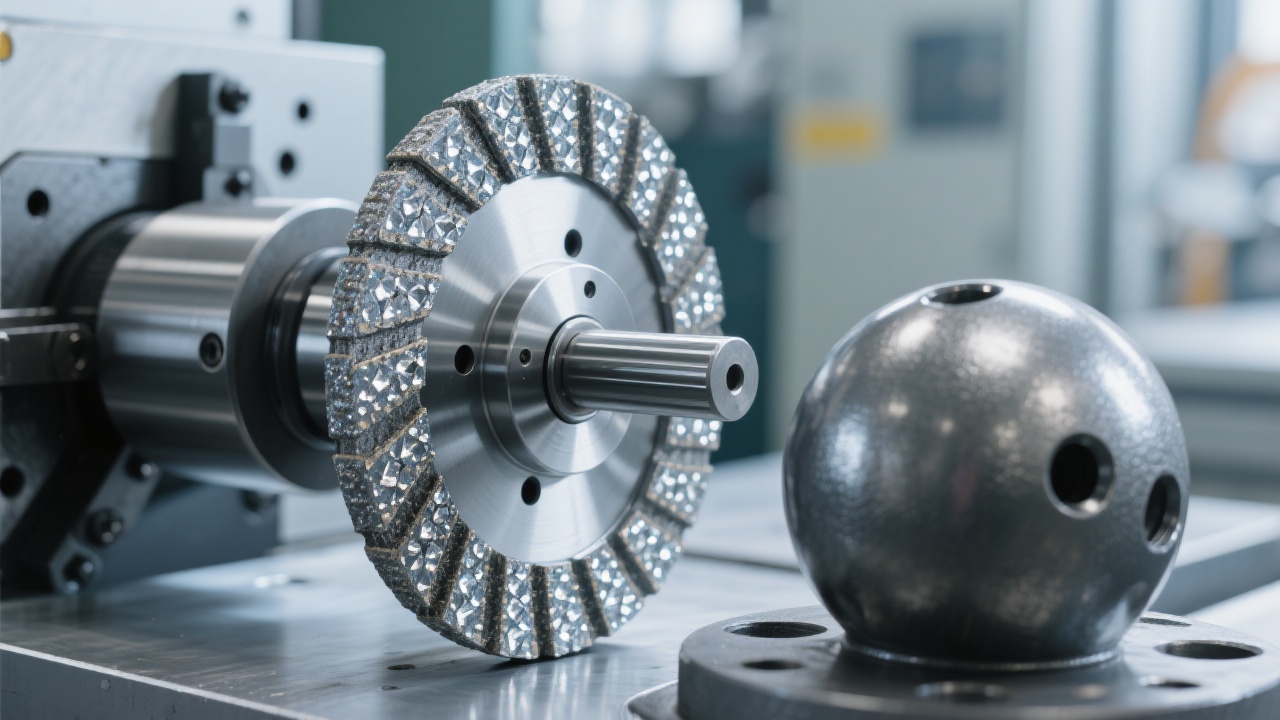
To achieve the best results in drilling hard materials, it's important to select the right tool and adjust the process according to the material and the specific requirements of the project. For example, when drilling stone, a diamond drill bit with a high diamond concentration may be more suitable, while for ceramics, a drill bit with a fine-grained diamond may provide better precision. Additionally, adjusting the speed, feed rate, and cooling method based on the material and the drilling conditions can significantly improve the efficiency and quality of the drilling process.
Here is a practical drilling parameter reference table to help you choose the appropriate speed, feed rate, and cooling method for different materials:
| Material | Speed (RPM) | Feed Rate (mm/rev) | Cooling Method |
|---|---|---|---|
| Stone | 1000 - 3000 | 0.1 - 0.3 | Water |
| Ceramics | 2000 - 4000 | 0.05 - 0.15 | Coolant |
| Concrete | 800 - 2000 | 0.2 - 0.5 | Water |
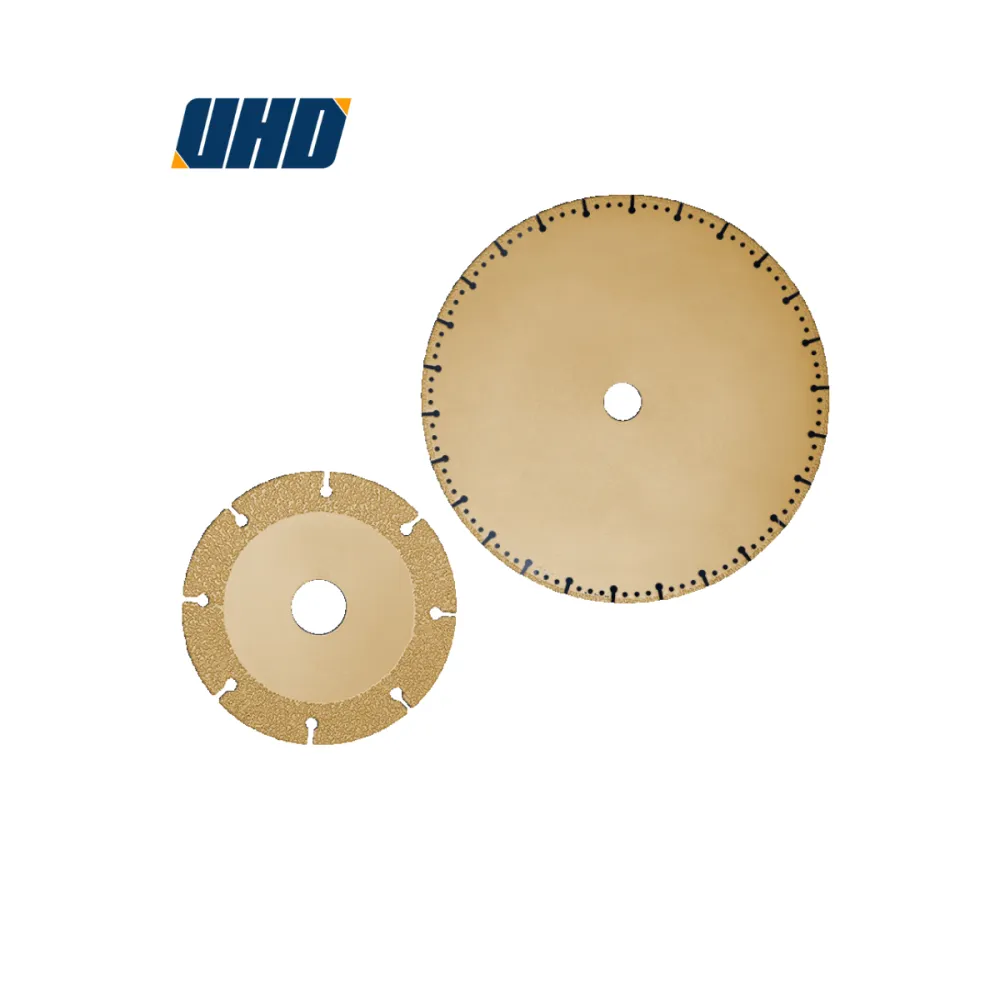
To learn more about the suitable solutions for diamond tools under heavy-duty conditions, please visit our technical center.

.png?x-oss-process=image/resize,h_1000,m_lfit/format,webp)





.png?x-oss-process=image/resize,h_1000,m_lfit/format,webp)