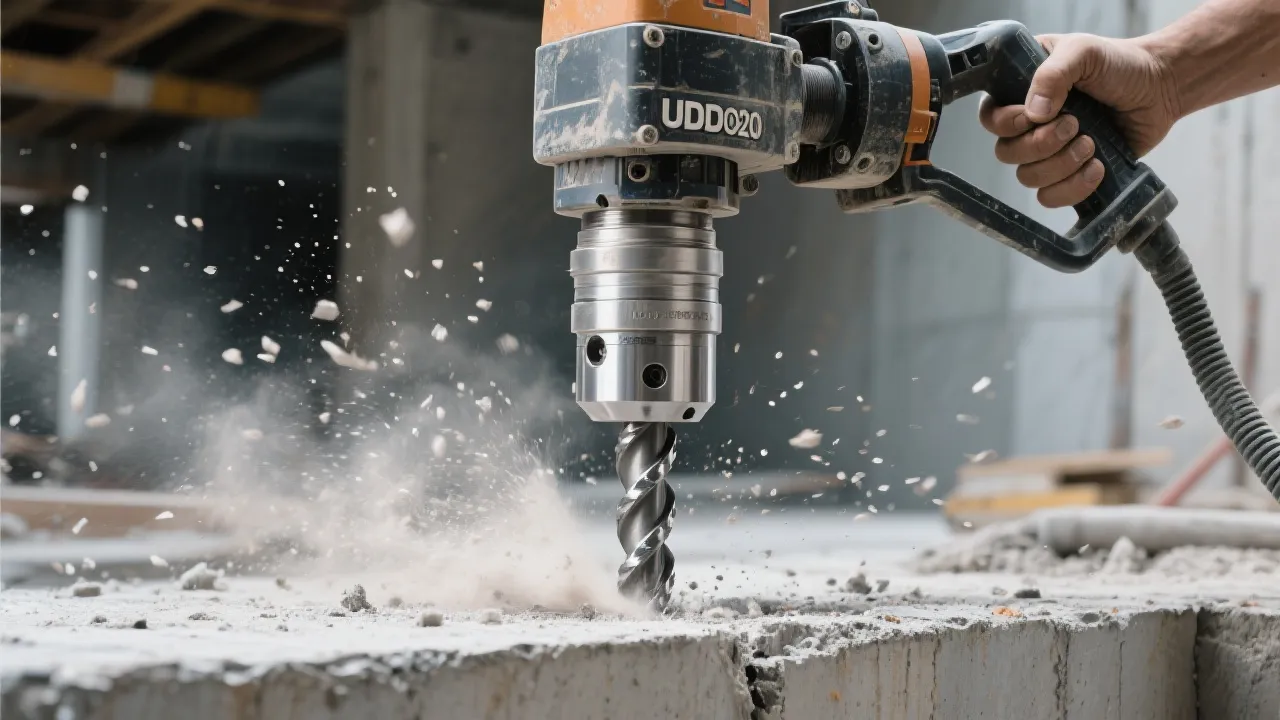
In the processing of hard materials such as construction, ceramics, and concrete, low drilling efficiency and rapid tool wear are common pain points. Let's delve into the key aspects of drilling technology for hard building materials and help you make informed choices.
You need to know that stones, ceramics, and concrete have distinct physical characteristics. Stones, for example, are often hard and brittle. Their density and hardness vary greatly depending on the type, which affects the drilling process significantly. Ceramics, on the other hand, are extremely hard and have low thermal conductivity. Concrete, a composite material, contains aggregates of different sizes, making the drilling process more complex.
These differences in physical properties directly impact the drilling process. For instance, when drilling stones, you may need a drill bit with high - hardness and sharp cutting edges. In the case of ceramics, a drill bit with good heat - dissipation properties is crucial to prevent cracking due to heat accumulation. And for concrete, a drill bit with strong impact resistance is required to break through the aggregates.
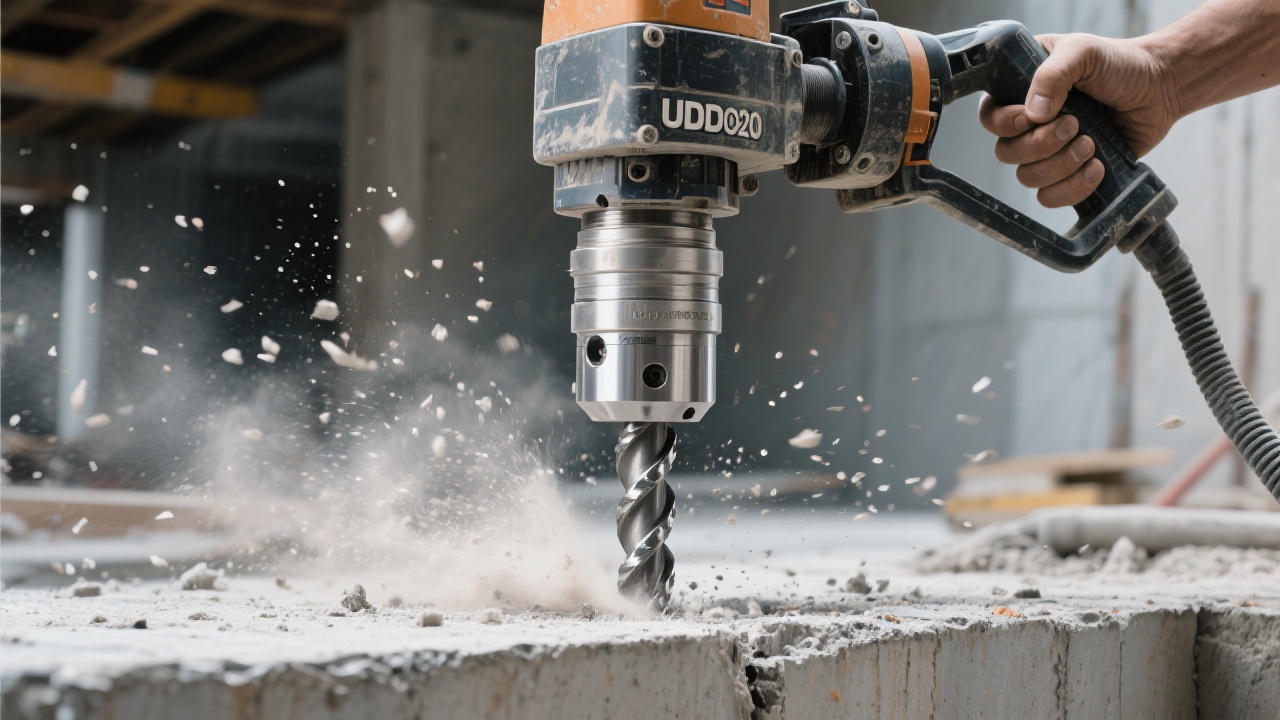
Three key process parameters - rotational speed, feed rate, and cooling method - play a vital role in the drilling process. Rotational speed affects the cutting efficiency and the quality of the drilled hole. A too - high rotational speed may cause excessive heat generation and tool wear, while a too - low speed may lead to inefficient drilling.
The feed rate determines the depth of cut per revolution. A proper feed rate can ensure smooth drilling and prevent the drill bit from getting stuck. As for the cooling method, it helps to reduce heat, extend the tool life, and improve the surface quality of the drilled hole. For example, using coolant can reduce the temperature of the drill bit by up to 30%, which significantly extends its service life.
Here is a comparison chart of the feed rate ranges for different materials:
| Material | Feed Rate Range (mm/rev) |
|---|---|
| Stone | 0.1 - 0.3 |
| Ceramics | 0.05 - 0.15 |
| Concrete | 0.2 - 0.4 |
Compared with traditional drill bits, diamond drill bits have significant advantages. In terms of service life, diamond drill bits can last up to 50% longer than ordinary drill bits. They also offer higher precision, which is crucial for applications where accurate hole - making is required. Moreover, in terms of comprehensive cost, although the initial investment in diamond drill bits may be higher, their long - term cost - effectiveness is much better due to their extended service life and high efficiency.
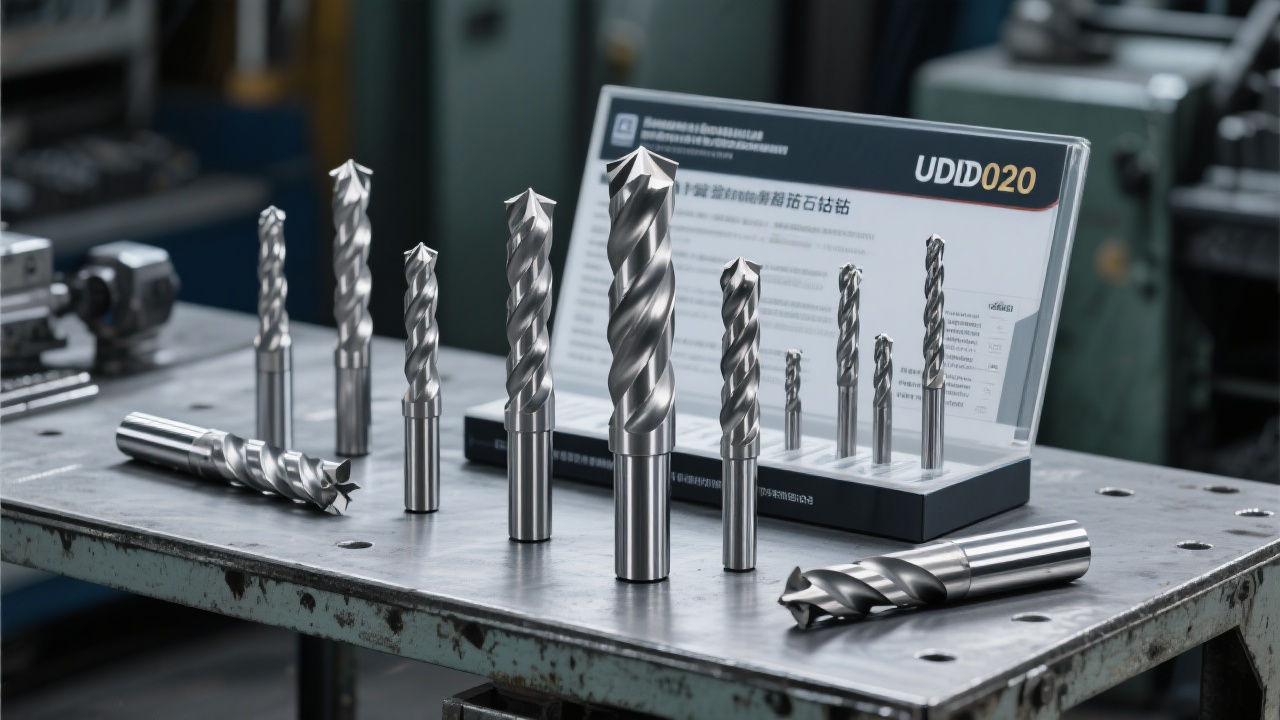
CE certification is an important quality endorsement. It ensures that the drill bits meet the relevant European safety, health, and environmental protection standards. When you choose drill bits with CE certification, you can have more confidence in their quality and compliance, especially in the international market. This certification not only guarantees the product quality but also helps you avoid potential legal risks in cross - border trade.
UHD offers UHD customization service, which can adapt to your specific equipment and working conditions. Whether you are dealing with a unique project or have special requirements for the drill bit, UHD can provide you with a tailored solution. This means you can achieve a truly efficient match between the drill bit and your needs, which ultimately leads to cost reduction and efficiency improvement.
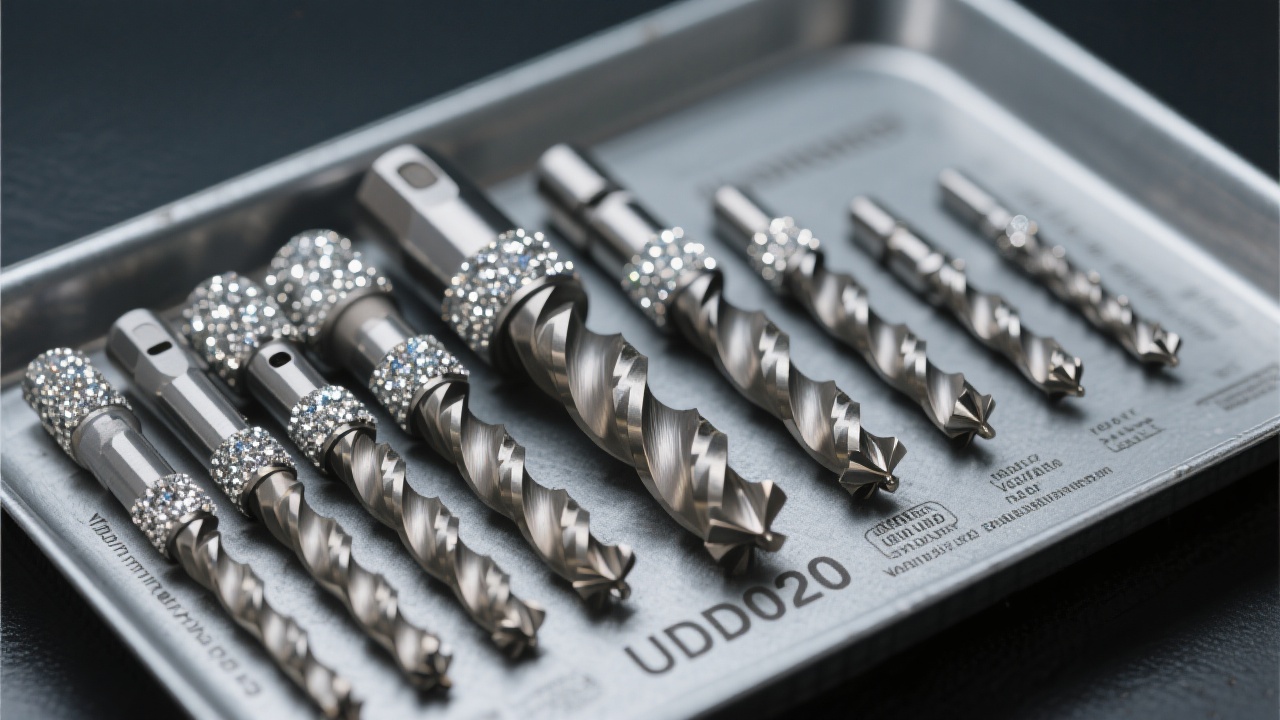
In conclusion, choosing the right drill bit is crucial for improving drilling efficiency and reducing costs. By understanding the characteristics of different materials, mastering key process parameters, and taking advantage of high - performance drill bits like diamond drill bits, you can achieve better results in your hard building material drilling projects. Don't miss out on the opportunity to enhance your operations. Click here to visit our technical center and download the parameter table.


.png?x-oss-process=image/resize,h_1000,m_lfit/format,webp)