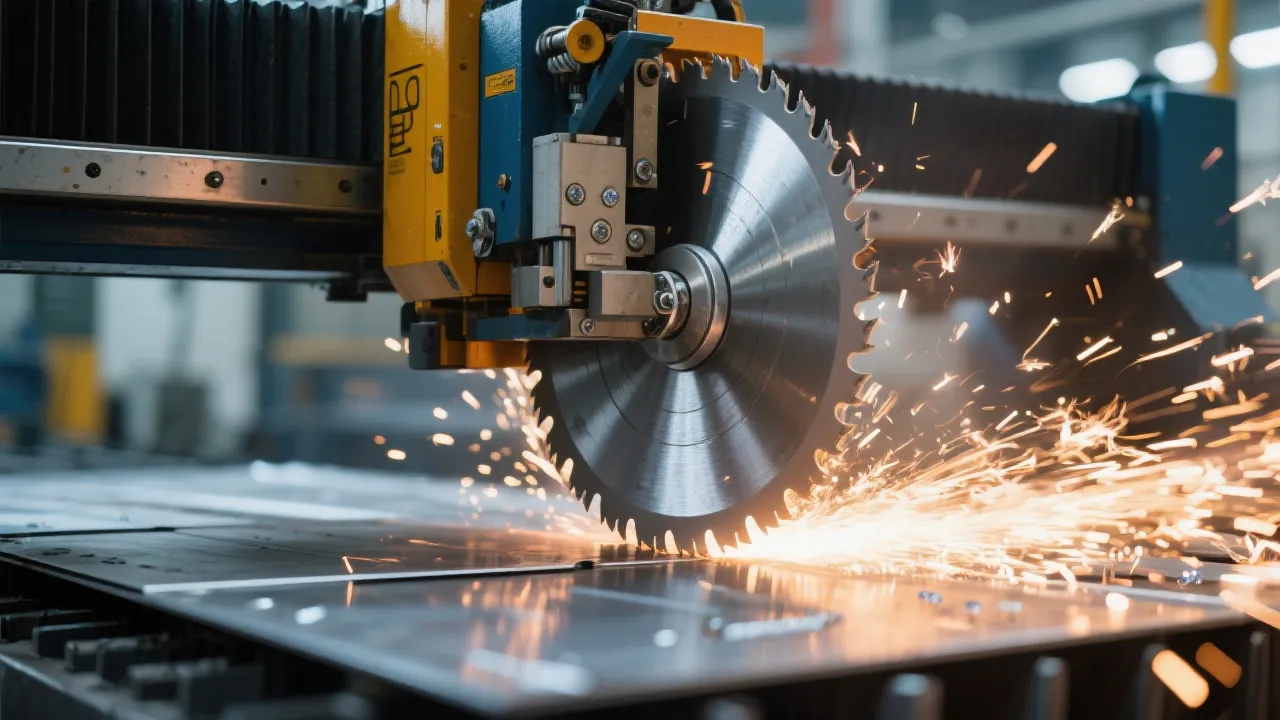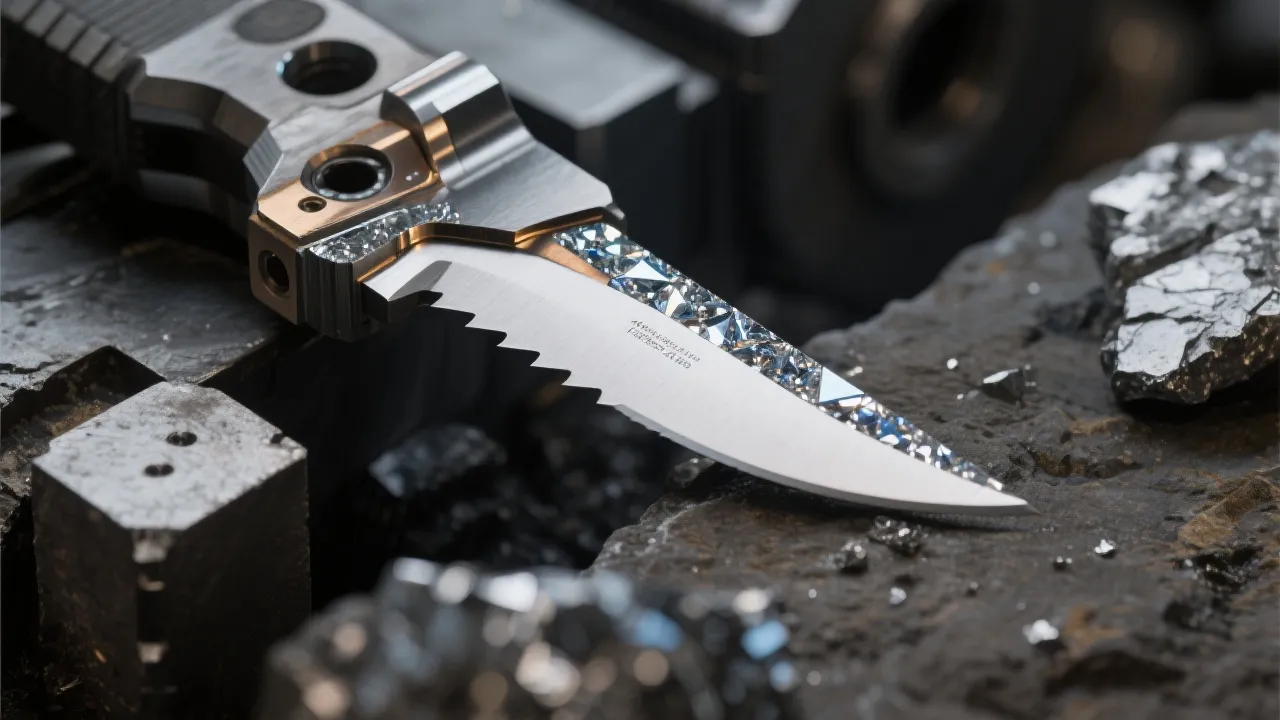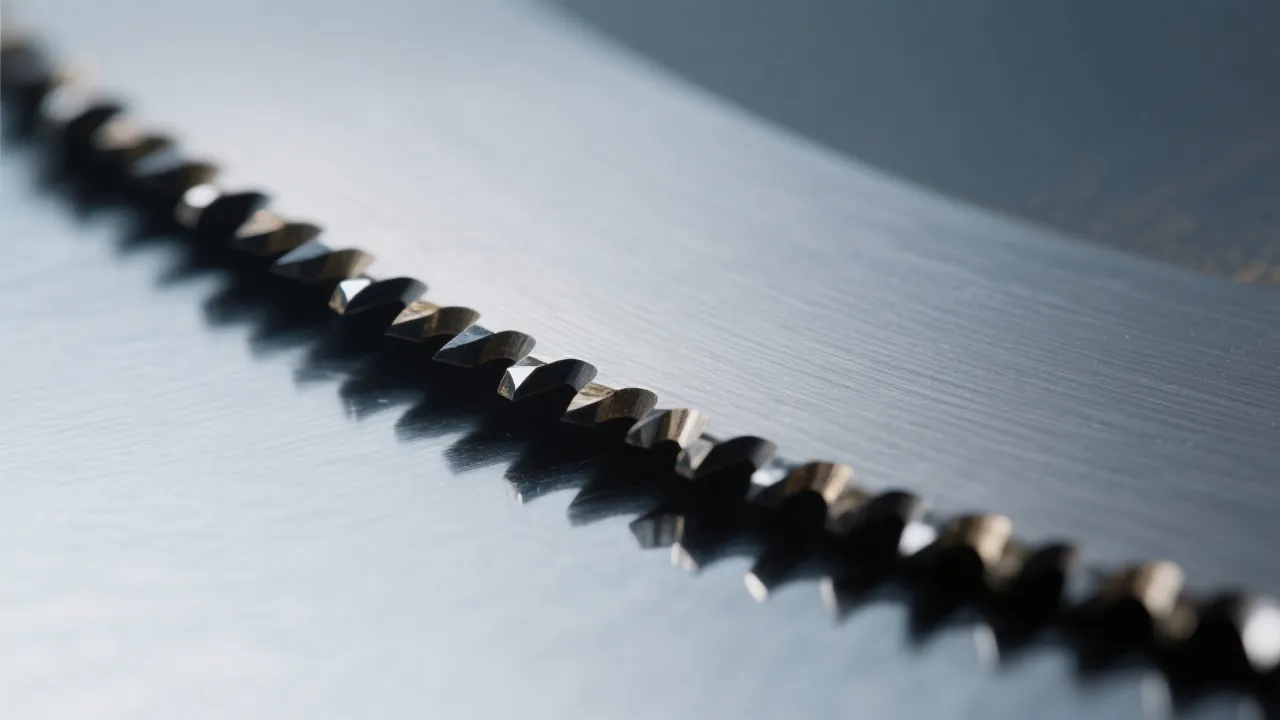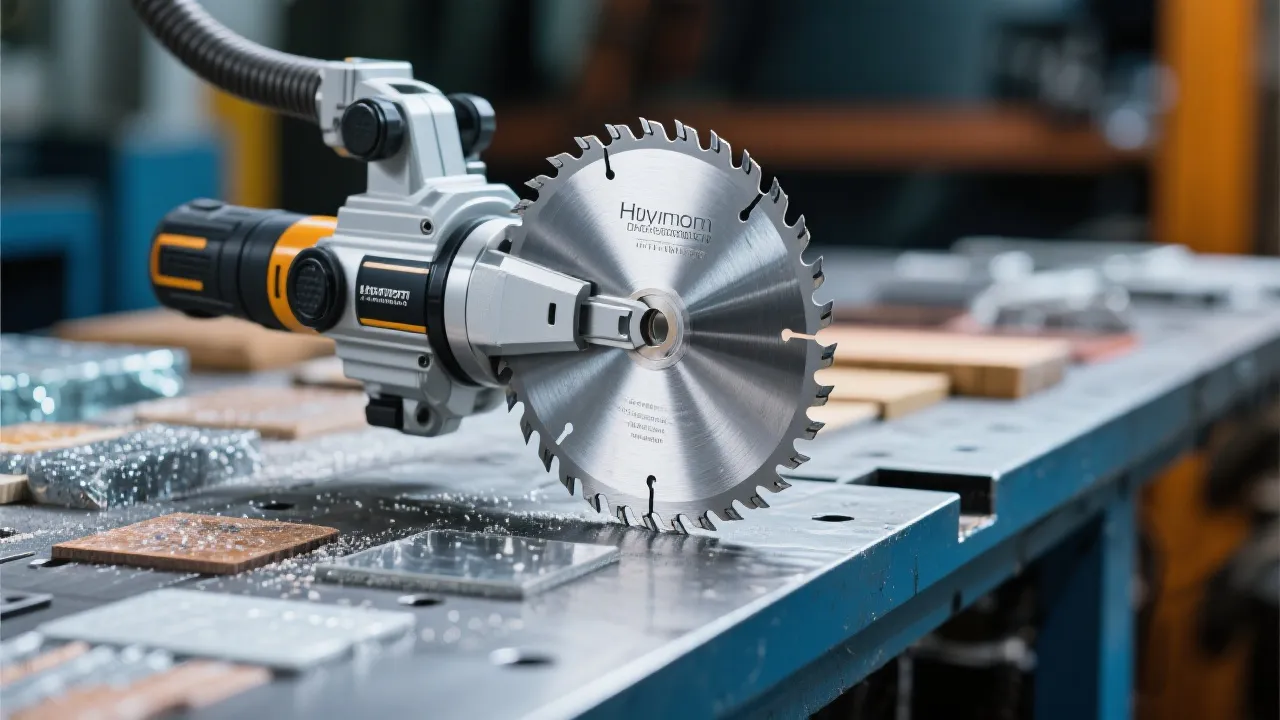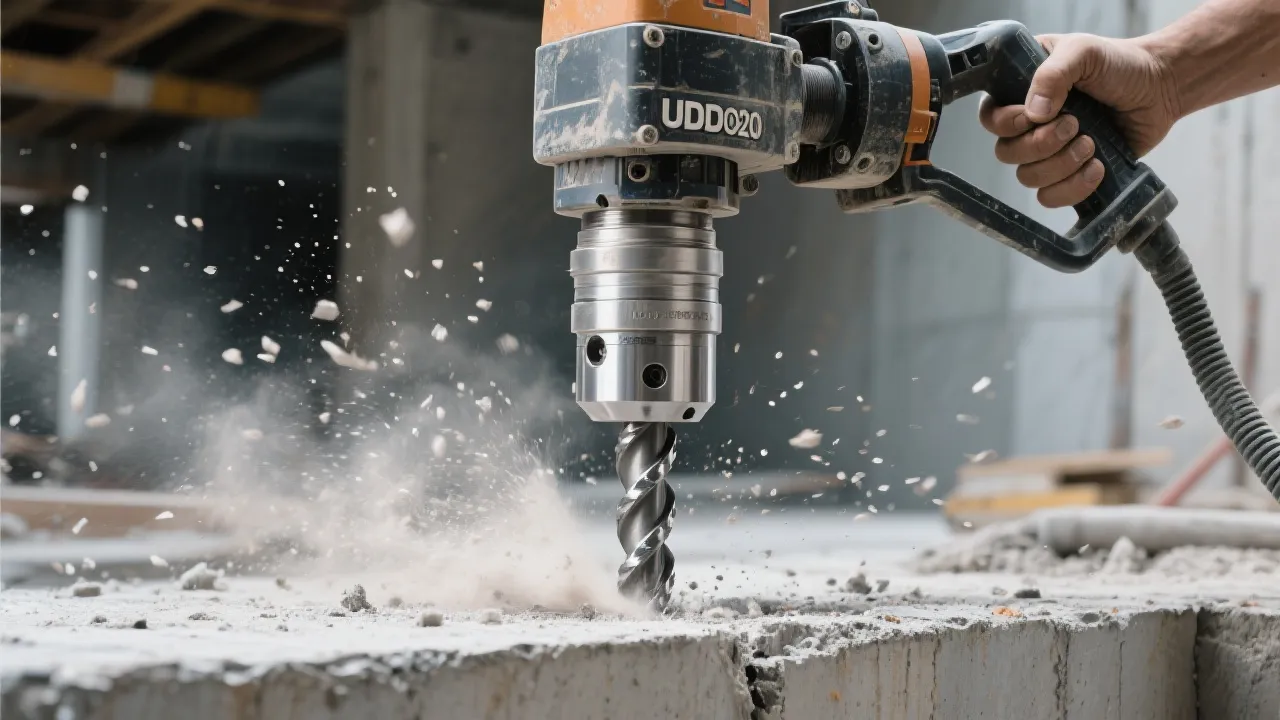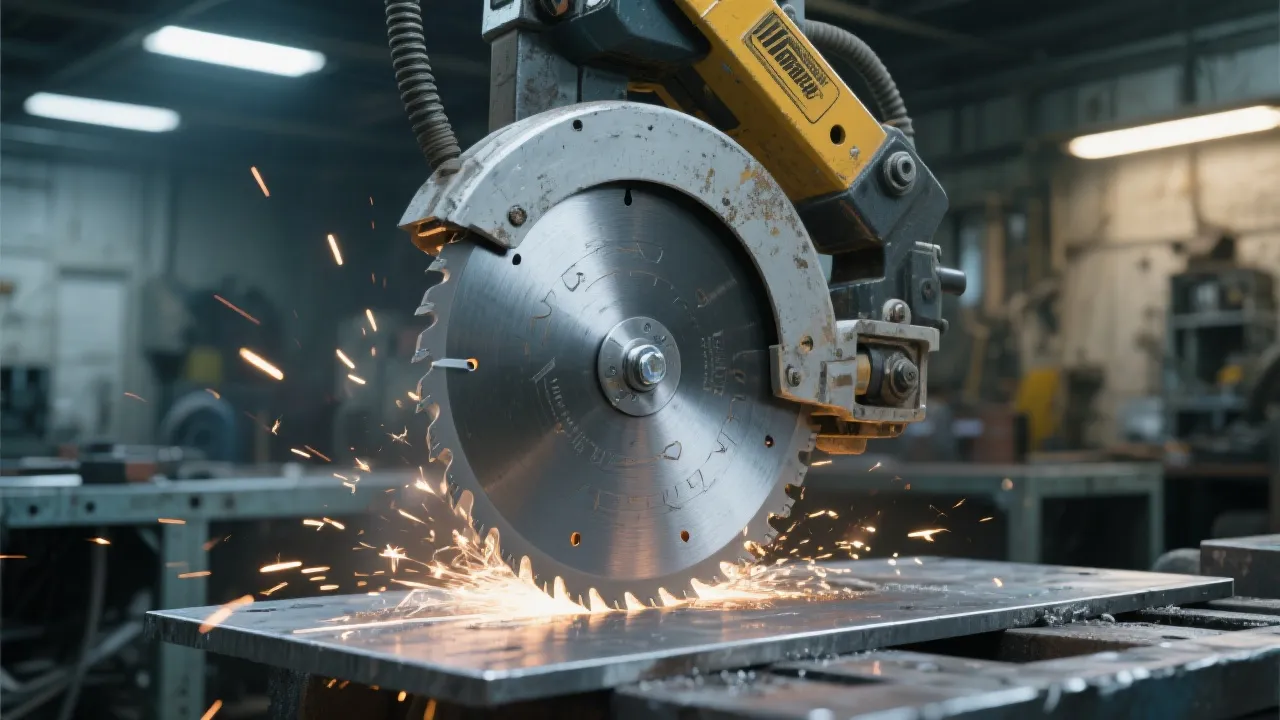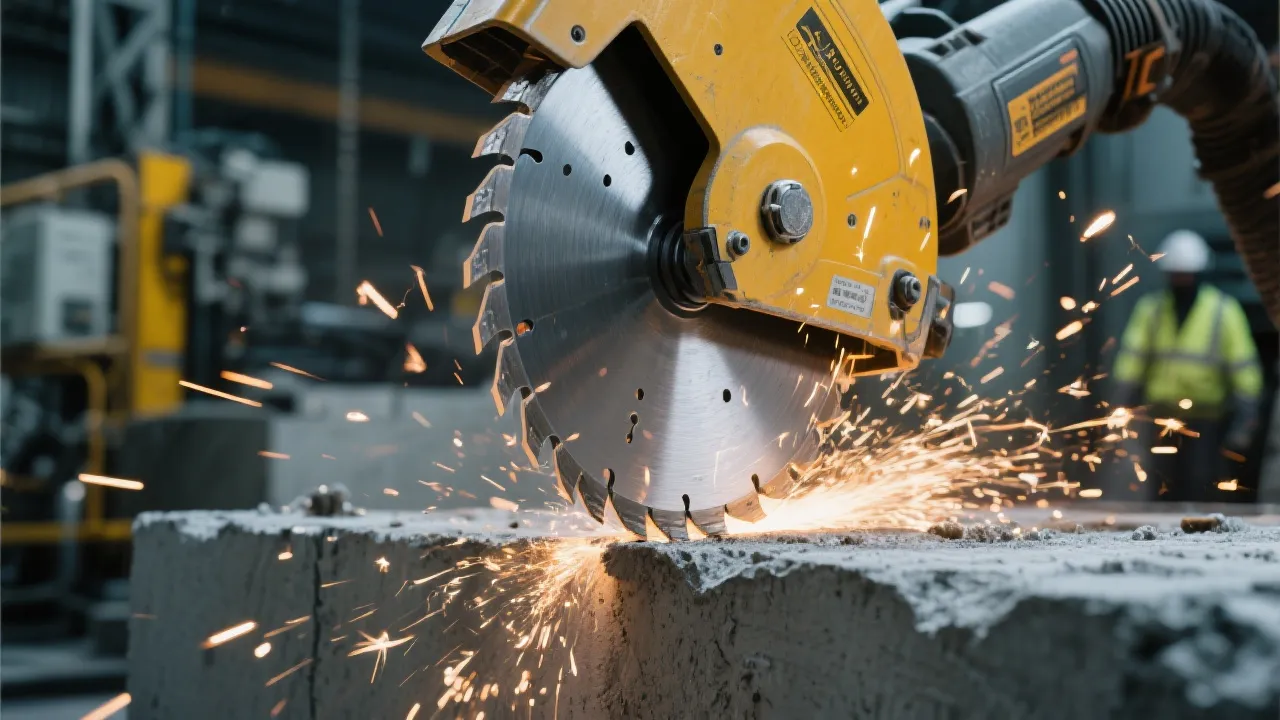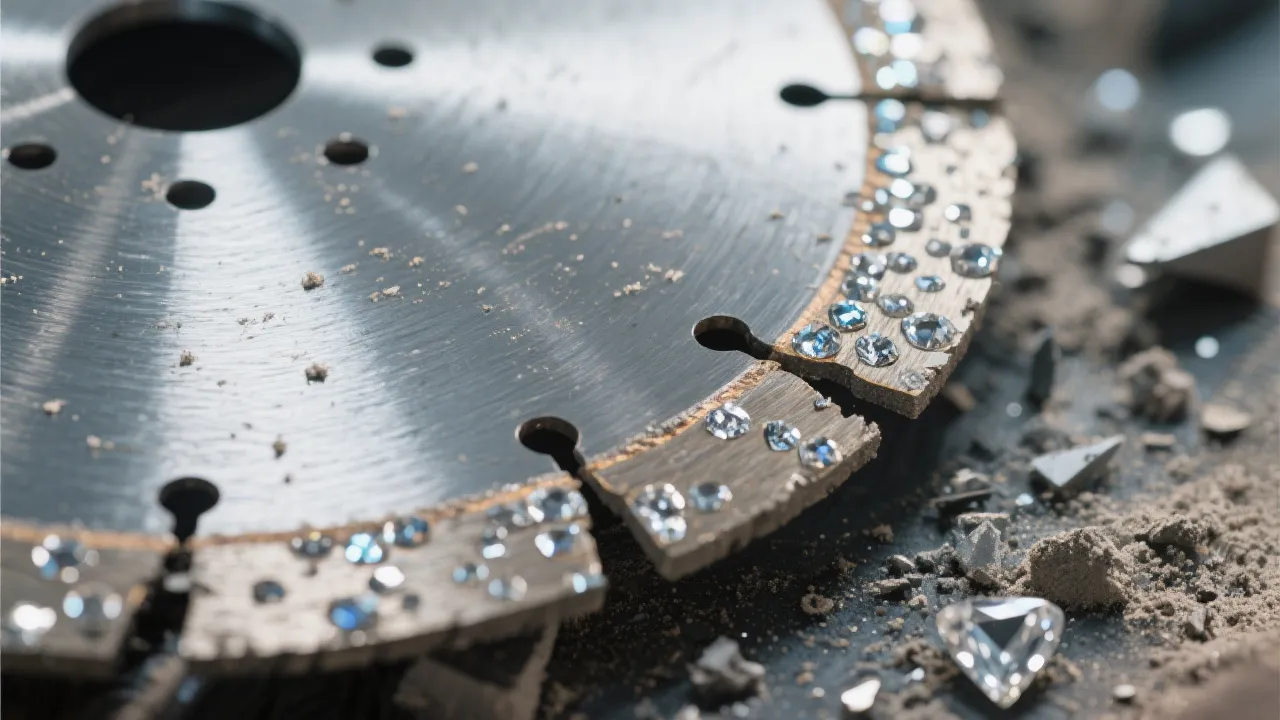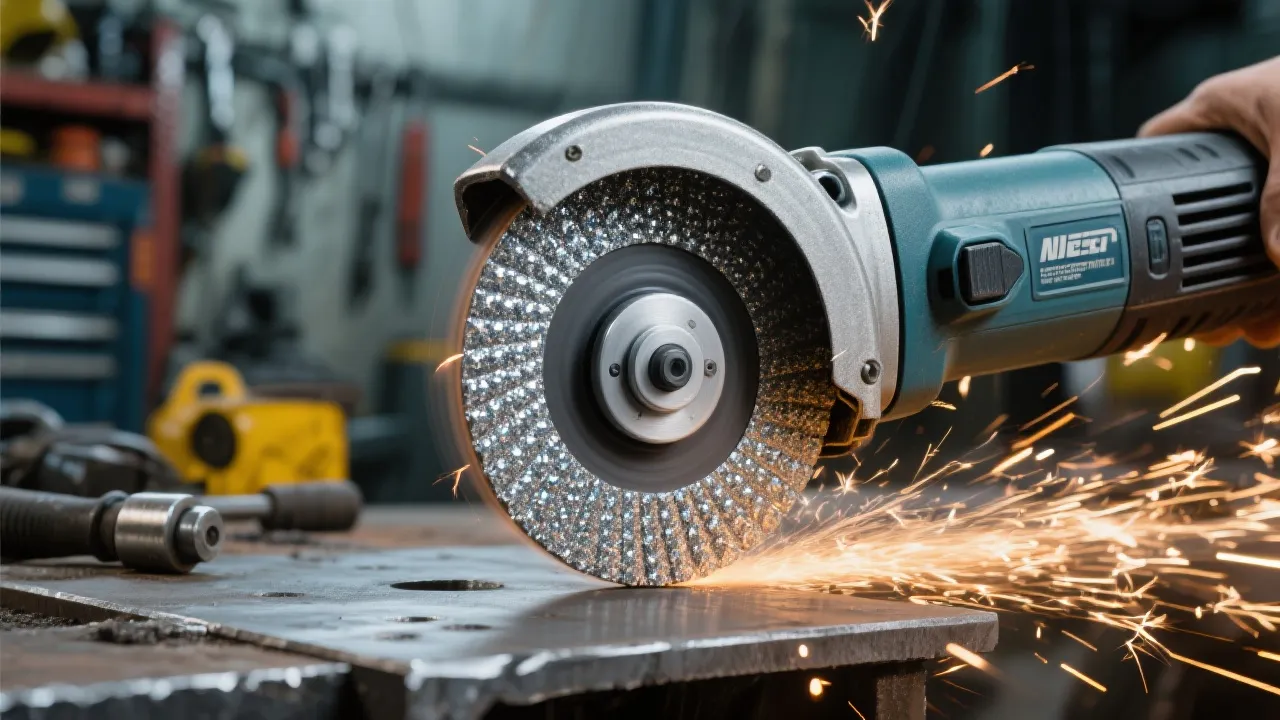
Ceramic materials, known for their high hardness and brittleness, place extremely high demands on diamond saws and cutting parameters during the cutting process. This article systematically analyzes the application techniques of 400 - millimeter - class diamond saws in the processing of typical ceramics such as alumina and silicon nitride.
Ceramic materials have unique physical properties. Their high hardness makes them difficult to cut, and their brittleness means they are prone to cracking during the cutting process. These properties pose significant challenges to cutting tools. For example, the high hardness requires a cutting tool with sufficient wear - resistance, and the brittleness requires precise control of cutting parameters to avoid damage.
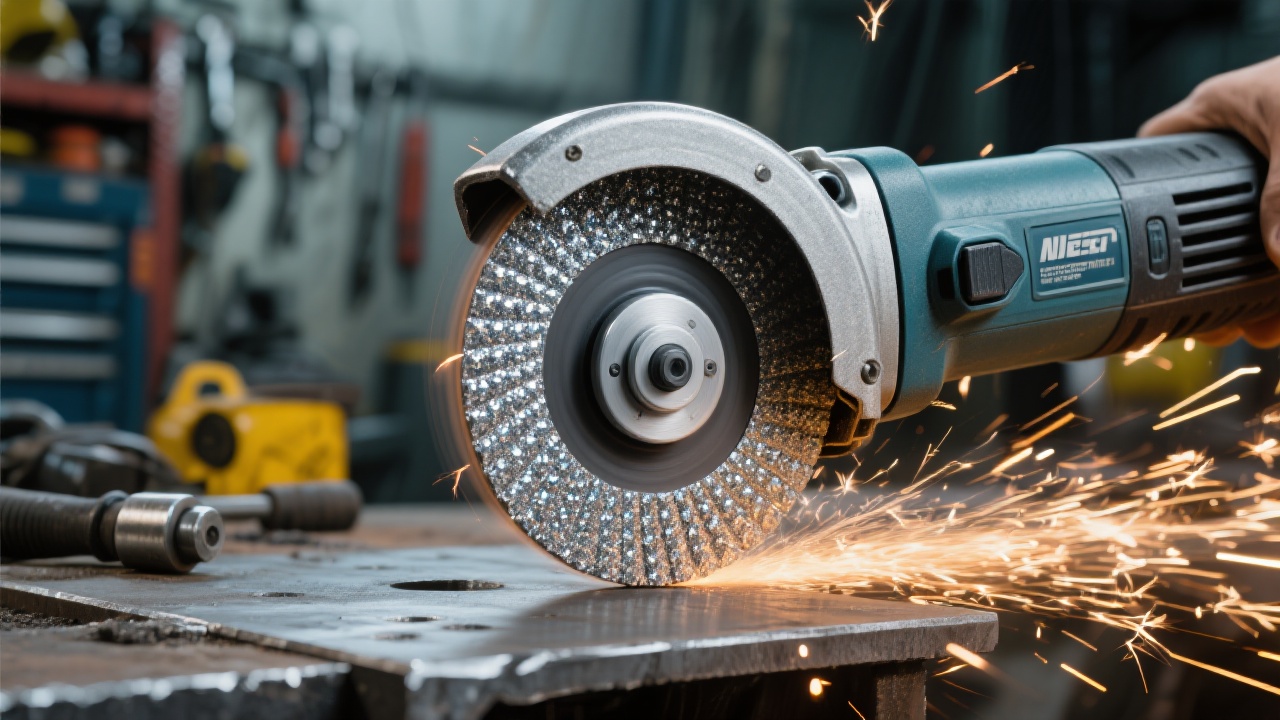
Different ceramic types, such as alumina and silicon nitride, require different saw configurations and cutting parameters. For alumina, a saw with a higher grit density may be more suitable, while for silicon nitride, a saw with better heat - resistance may be needed. The following table shows the recommended cutting parameters for different ceramic types:
| Ceramic Type | Saw Configuration | Rotational Speed (RPM) | Feed Rate (mm/min) |
|---|---|---|---|
| Alumina | High - grit density saw | 3000 - 4000 | 50 - 100 |
| Silicon Nitride | Heat - resistant saw | 2500 - 3500 | 40 - 80 |
The installation angle of the saw and the design of the clamping structure have a significant impact on the stability and accuracy of the cutting process. A proper installation angle can ensure smooth cutting and reduce the risk of vibration. The clamping structure should be designed to provide sufficient support and prevent the saw from shifting during cutting.
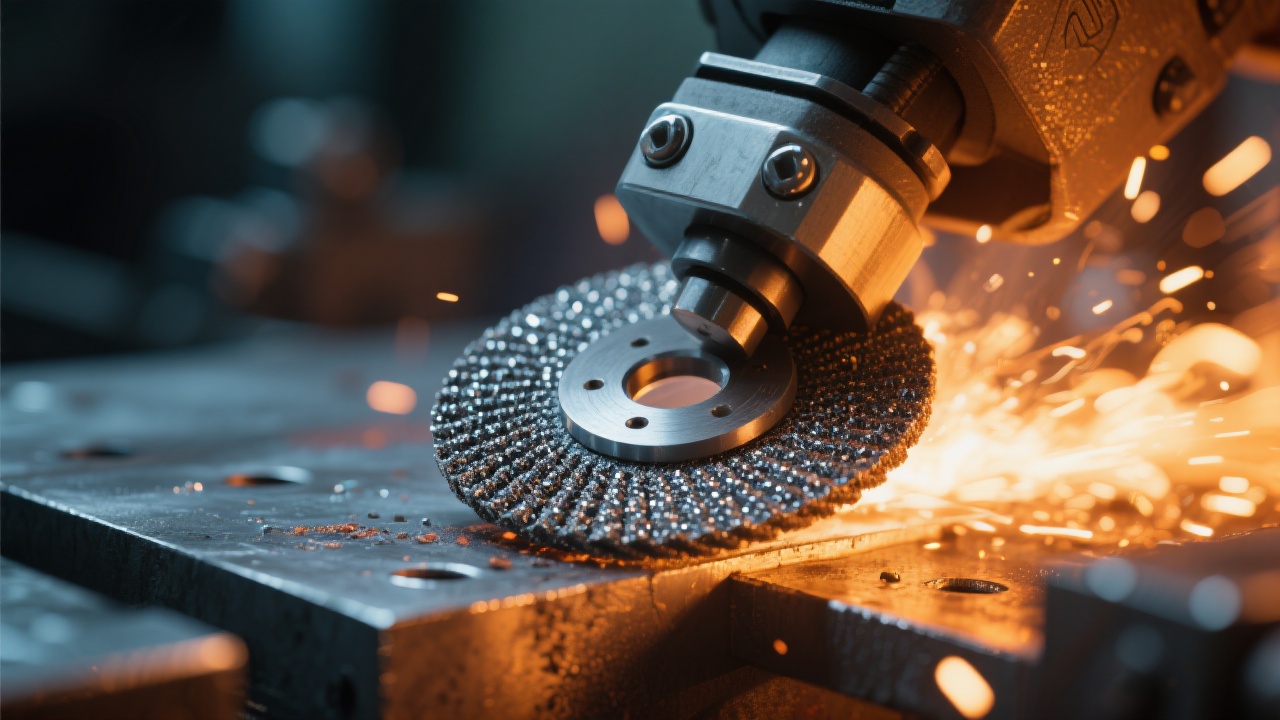
During the ceramic cutting process, common problems include crack generation and tooth breakage. Cracks are usually caused by excessive cutting force, improper cutting parameters, or thermal stress. Tooth breakage may be due to poor saw quality, improper installation, or excessive wear. To prevent these problems, it is necessary to select the right saw, optimize cutting parameters, and control the cooling system.
Key Conclusion: Controlling cutting parameters and cooling system is crucial for preventing common problems in ceramic cutting.
The cooling system plays a vital role in ceramic cutting. It can reduce thermal stress, prevent saw overheating, and extend the saw's service life. By optimizing the coolant flow rate, the heat generated during cutting can be effectively dissipated. For example, a coolant flow rate of 10 - 15 liters per minute is recommended for most ceramic cutting operations.
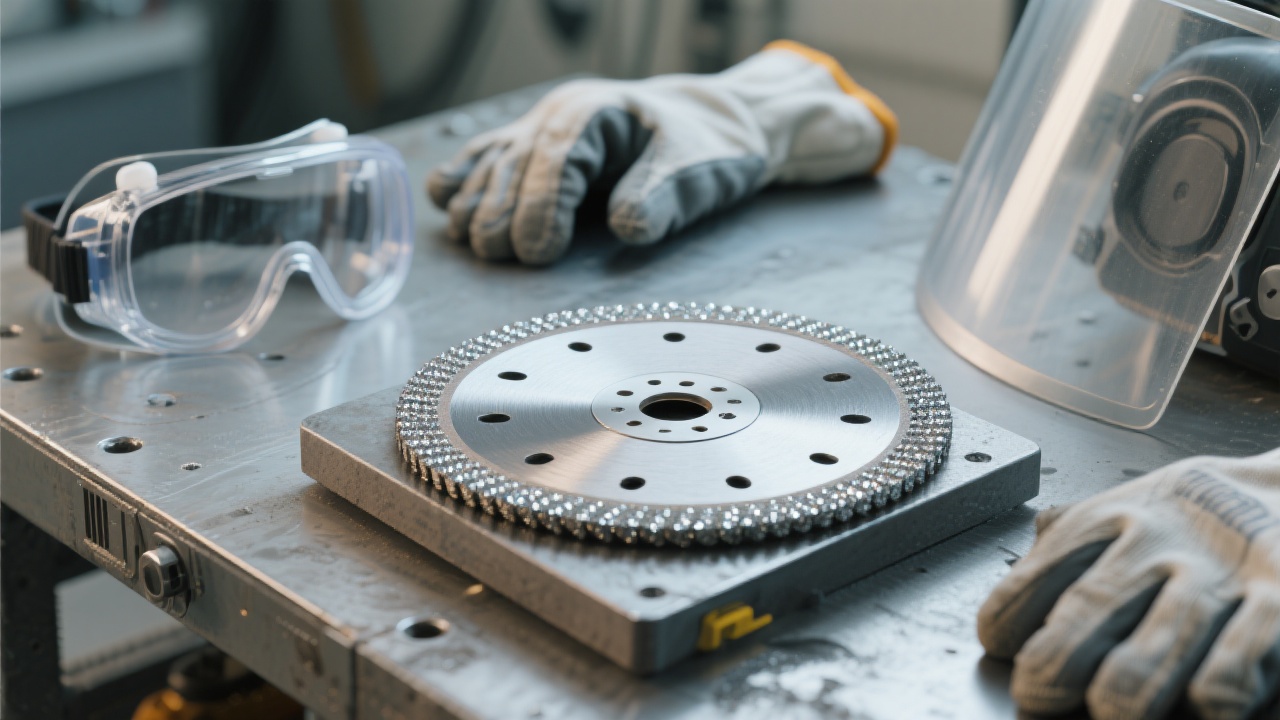
Have you ever encountered similar crack problems in ceramic cutting? Share your experiences in the comments below. More technical details can be found in our tool manual.


.png?x-oss-process=image/resize,h_1000,m_lfit/format,webp)