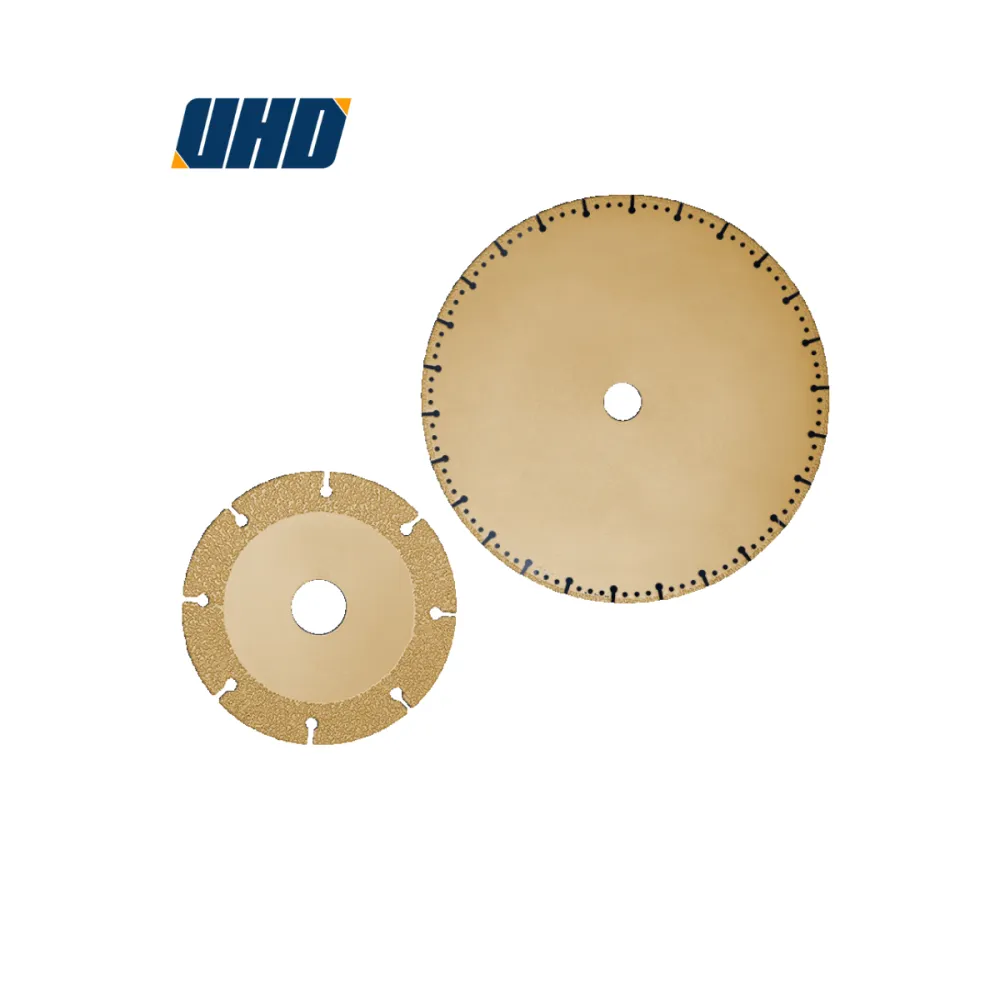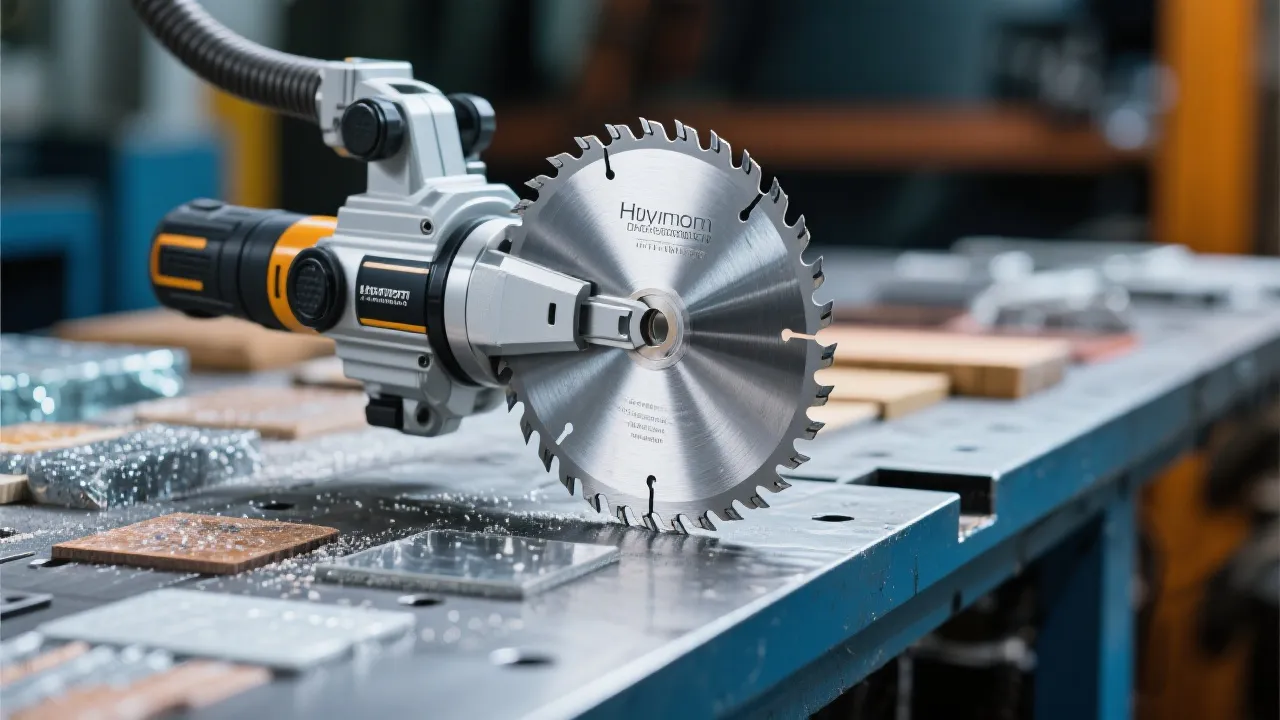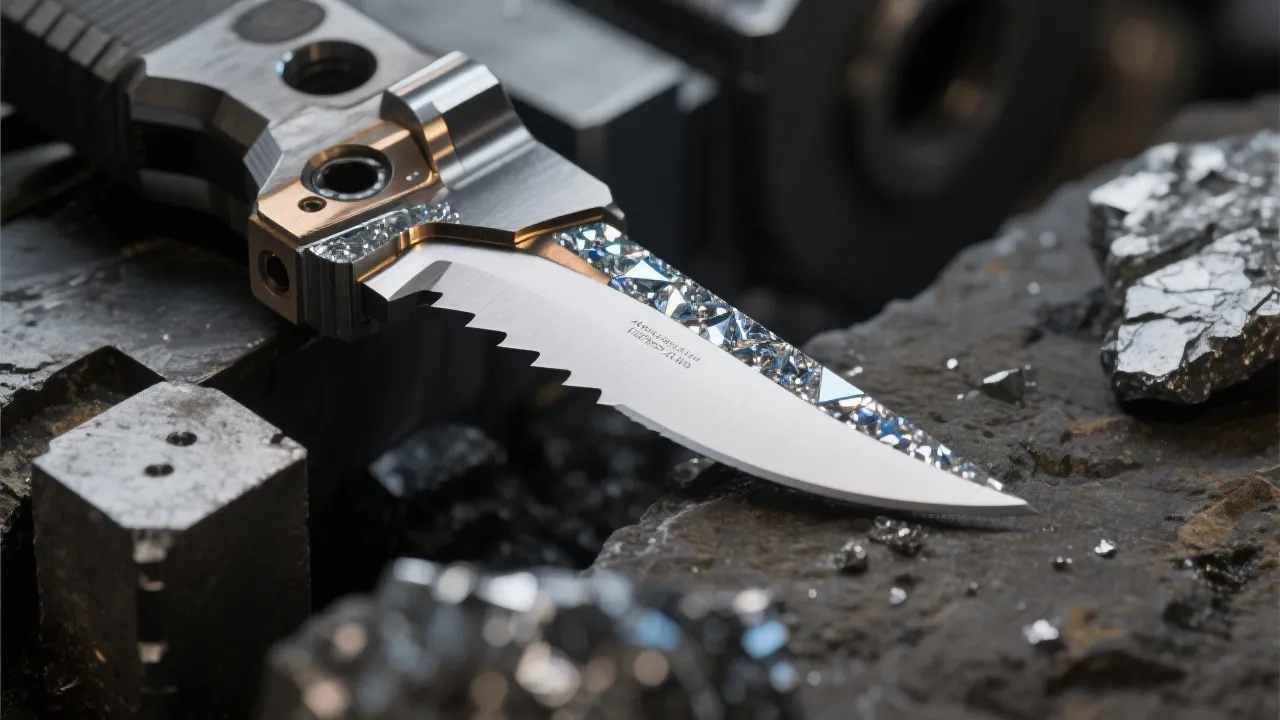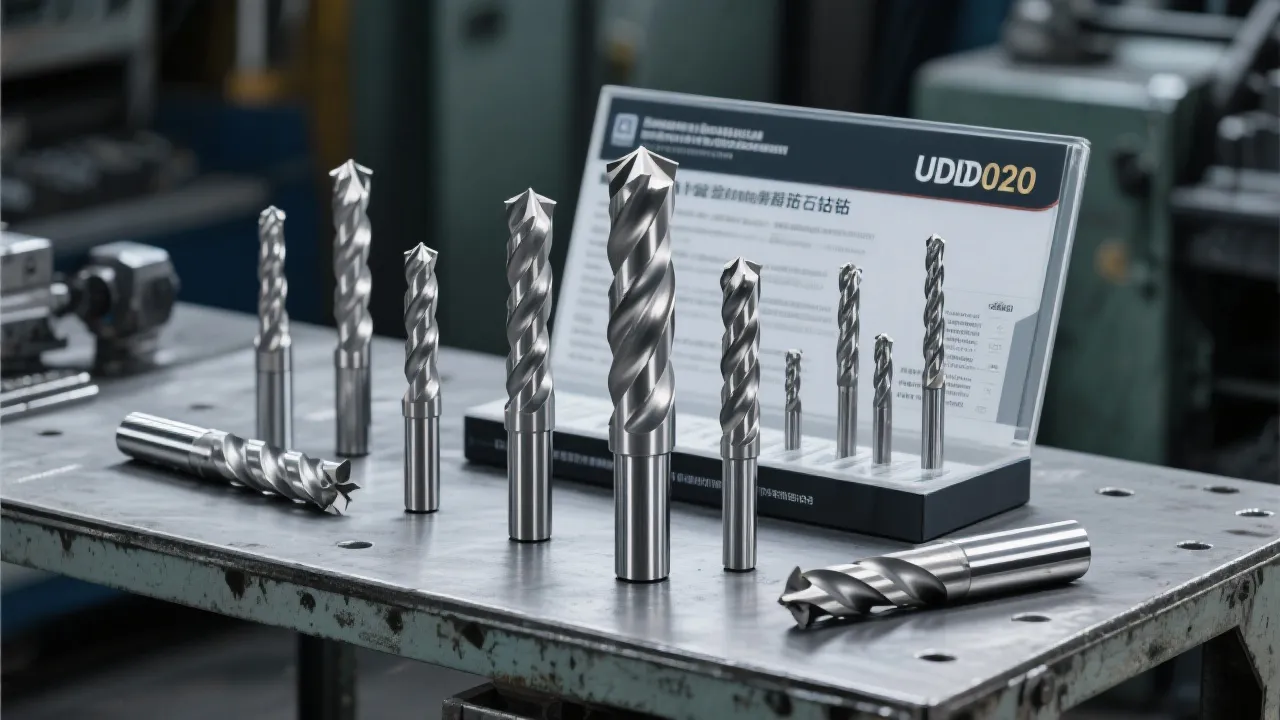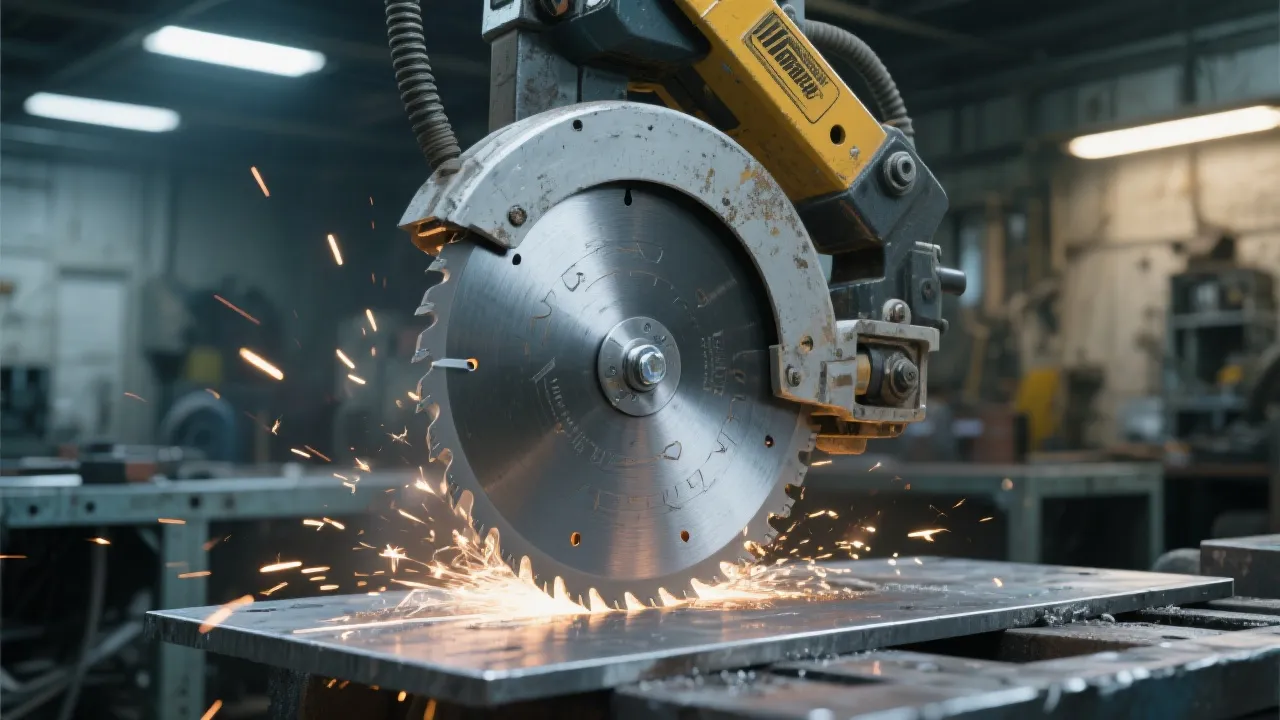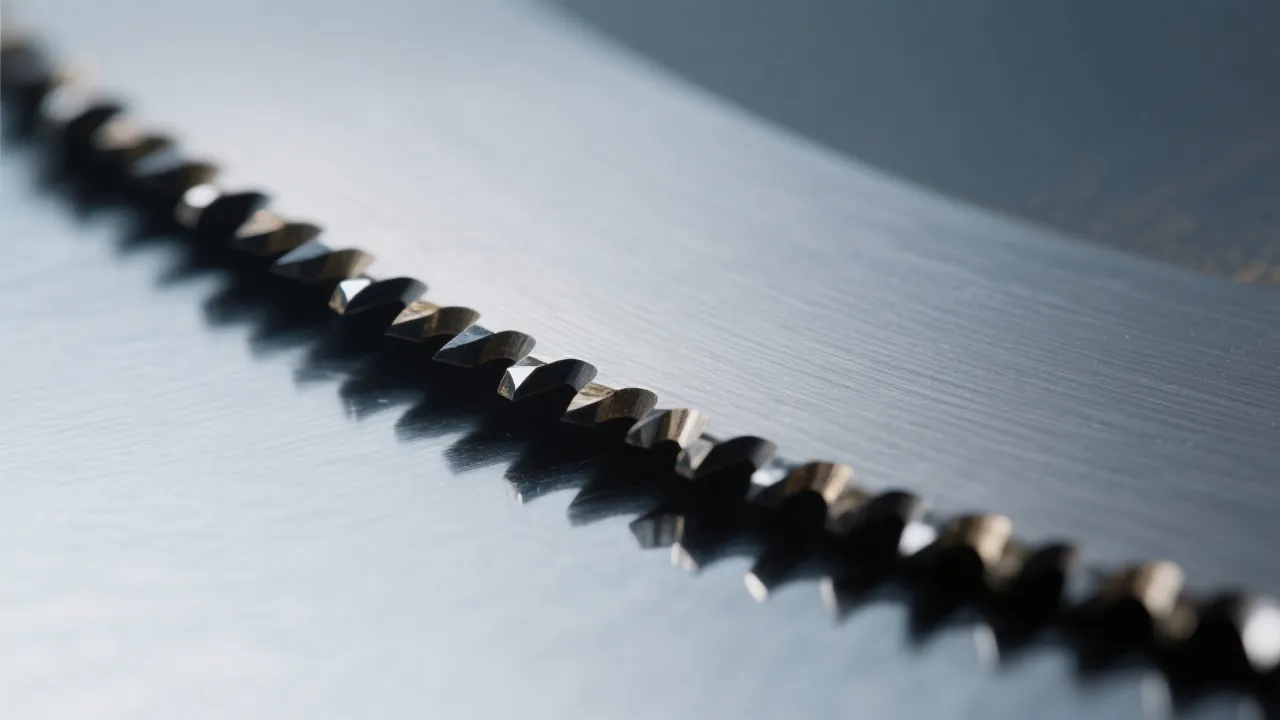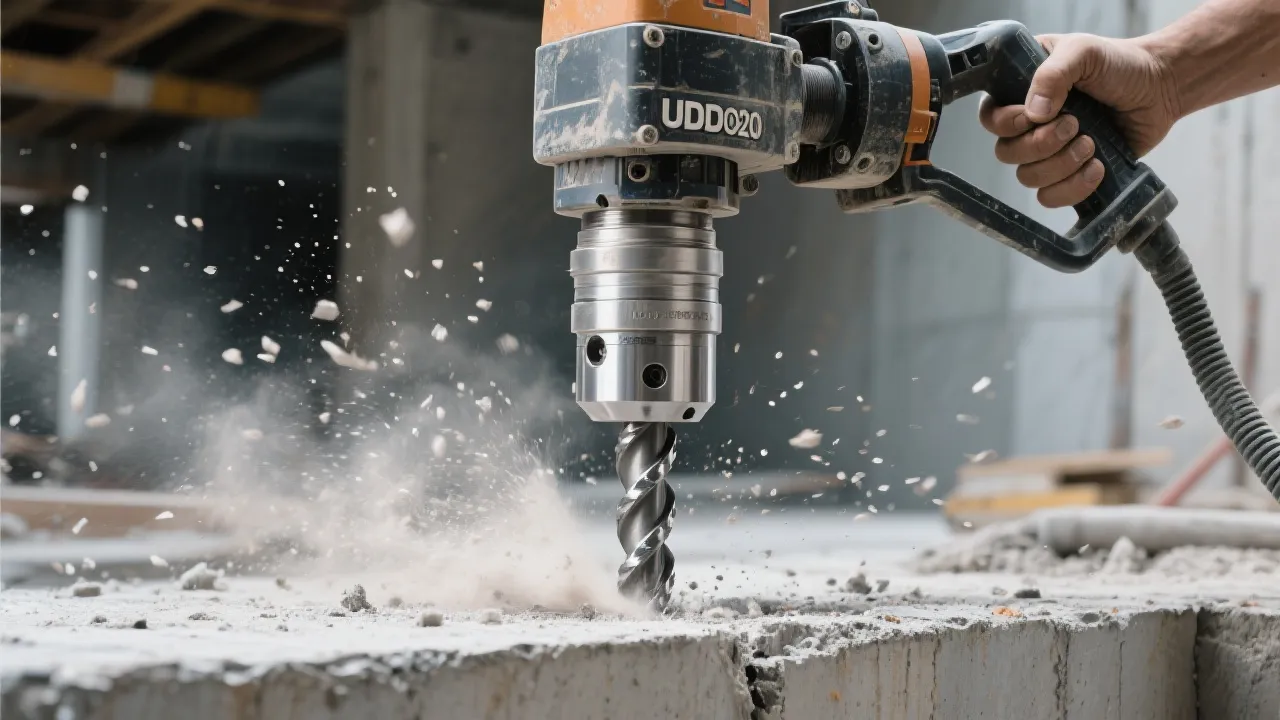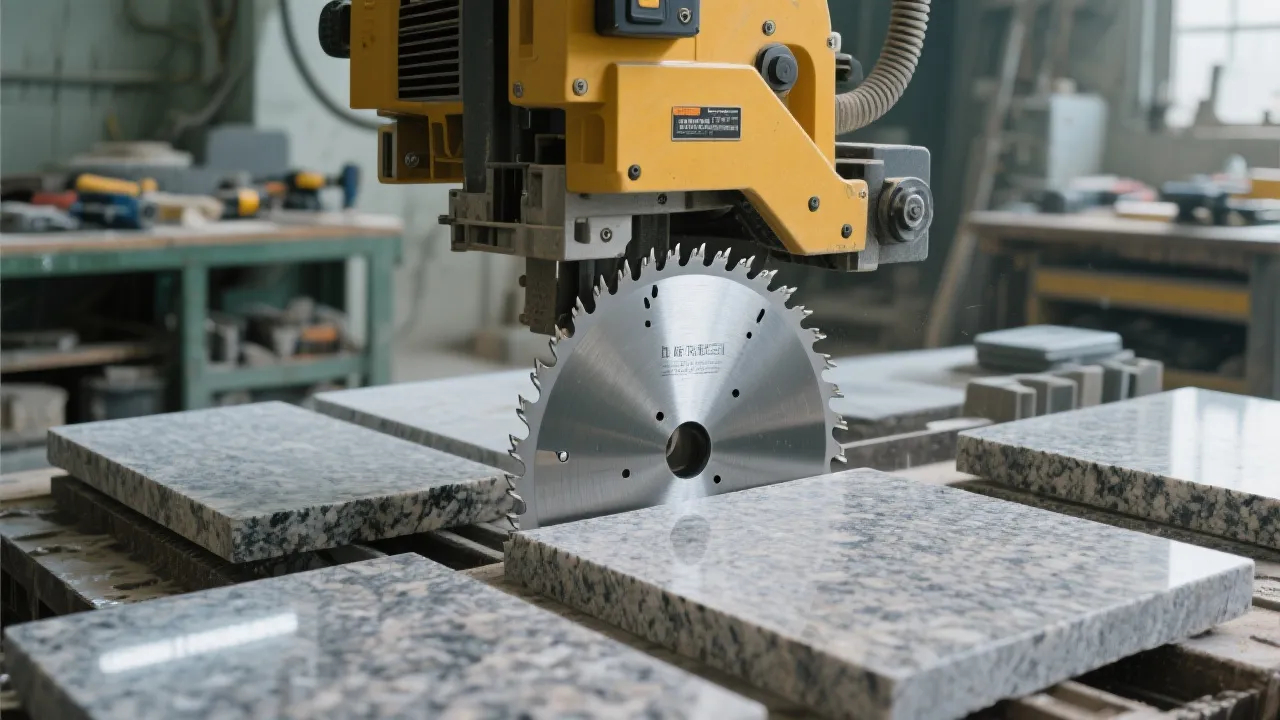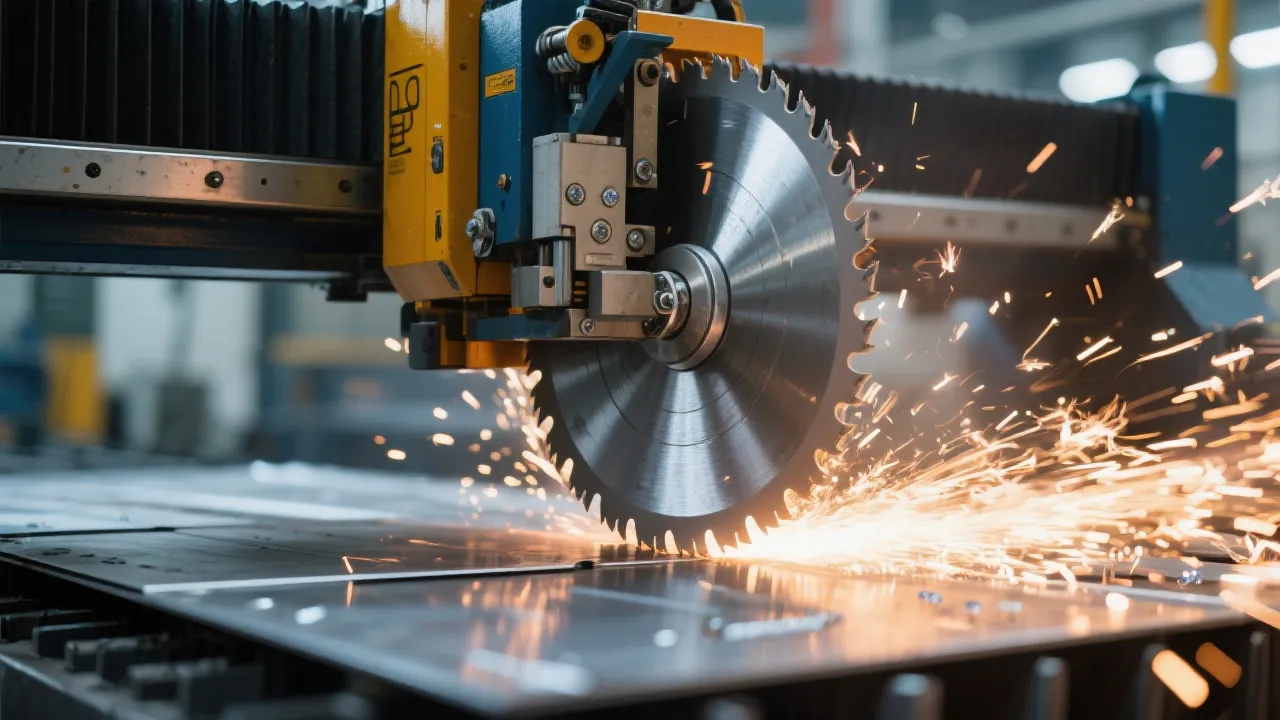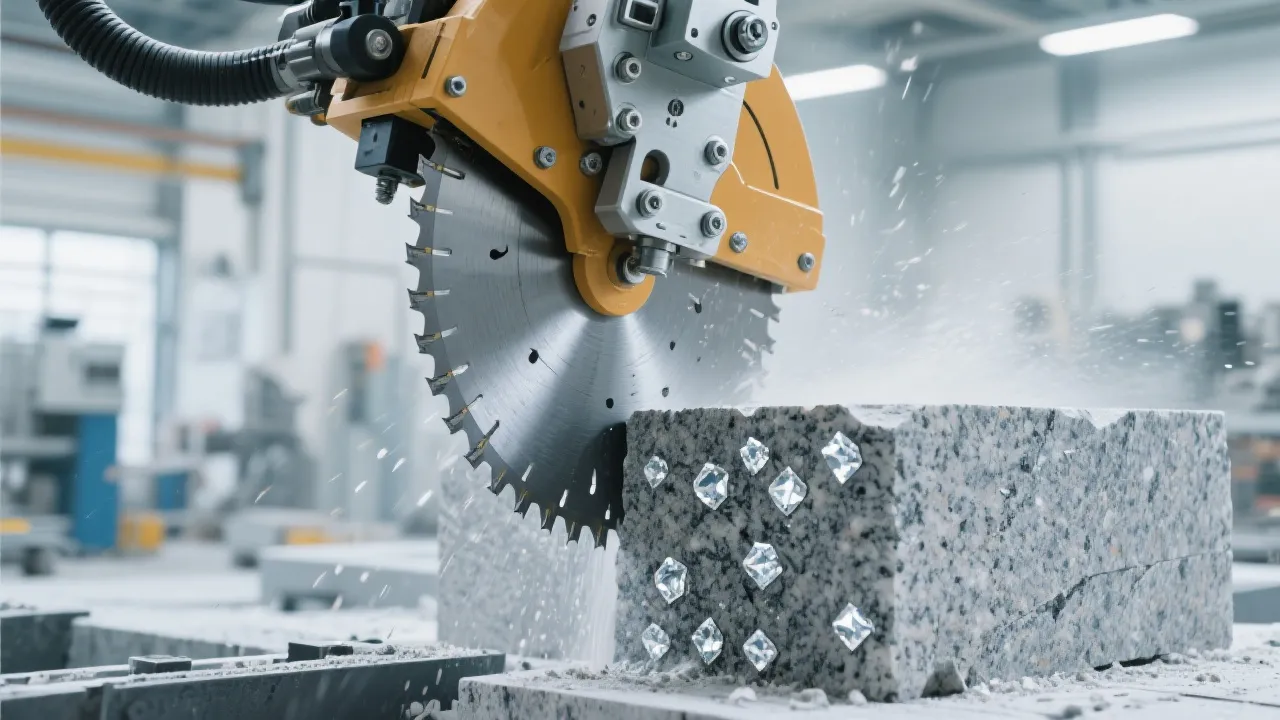
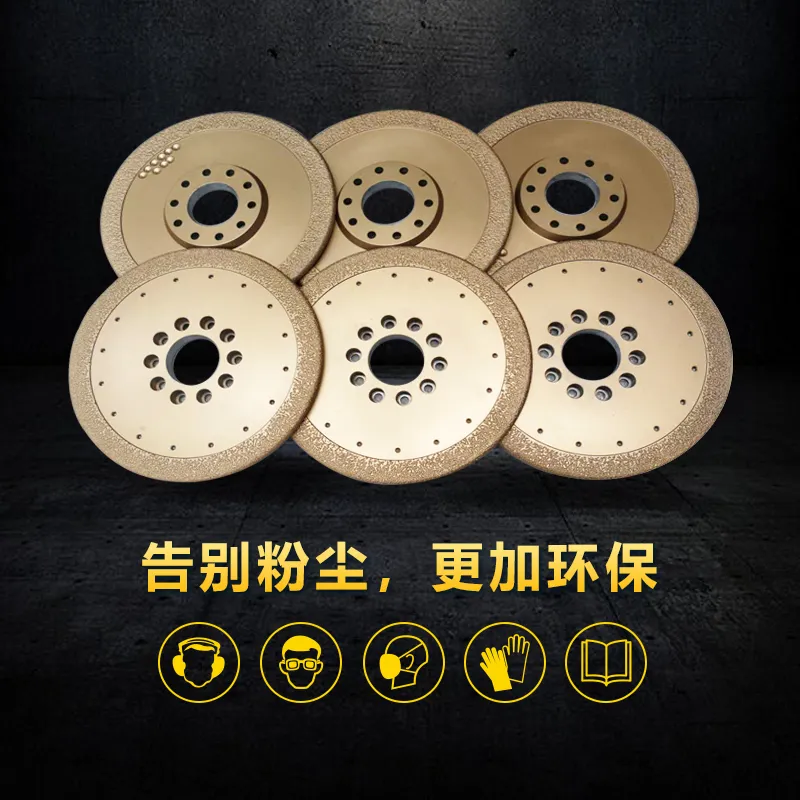
Ceramic materials, with their high hardness and brittleness, present unique challenges in the cutting process. This article delves into the technical difficulties of efficient ceramic cutting, focusing on tool selection and optimization of cutting parameters for high-hardness brittle ceramics such as alumina and silicon nitride, especially the application of 400mm diamond saw blades.
The high hardness and brittleness of ceramic materials make them prone to cracking and chipping during cutting. When choosing cutting tools, factors such as the material's hardness, toughness, and the required cutting precision need to be considered. For example, for alumina ceramics with high hardness, diamond saw blades are often the preferred choice due to their excellent wear resistance and cutting performance.
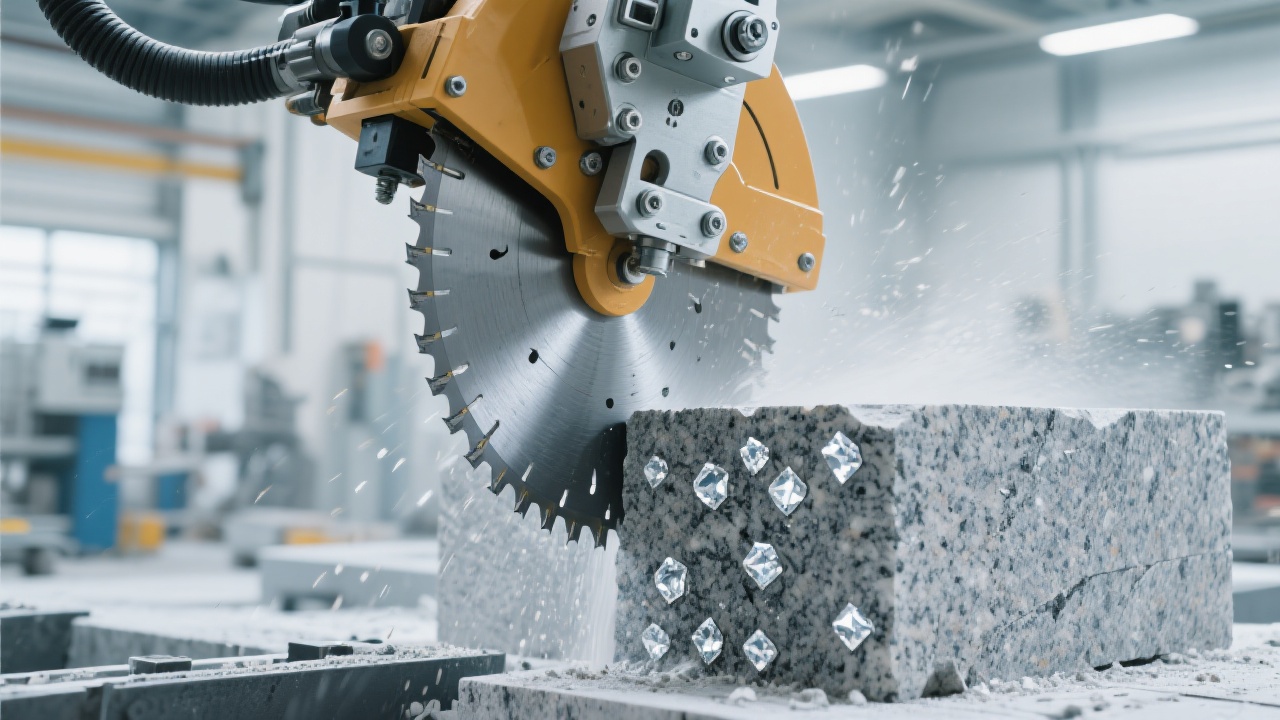
The 400mm diamond saw blade has different applications in alumina and silicon nitride ceramics. For alumina ceramics, a relatively high cutting speed and feed rate can be used, while for silicon nitride ceramics, due to its higher hardness and brittleness, a lower cutting speed and feed rate are required to reduce the risk of cracking. The following table shows the recommended cutting parameters for different ceramics:
| Ceramic Type | Cutting Speed (m/min) | Feed Rate (mm/min) |
|---|---|---|
| Alumina | 100 - 150 | 50 - 100 |
| Silicon Nitride | 50 - 100 | 20 - 50 |
The installation angle and clamping structure of the saw blade have a significant impact on cutting stability and precision. A proper installation angle can ensure that the saw blade cuts the ceramic material evenly, reducing the risk of cracking and chipping. The clamping structure should be designed to provide sufficient support and stability to the saw blade, preventing it from vibrating during cutting. For example, a well-designed clamping structure can reduce the vibration amplitude of the saw blade by up to 30%, improving the cutting quality.
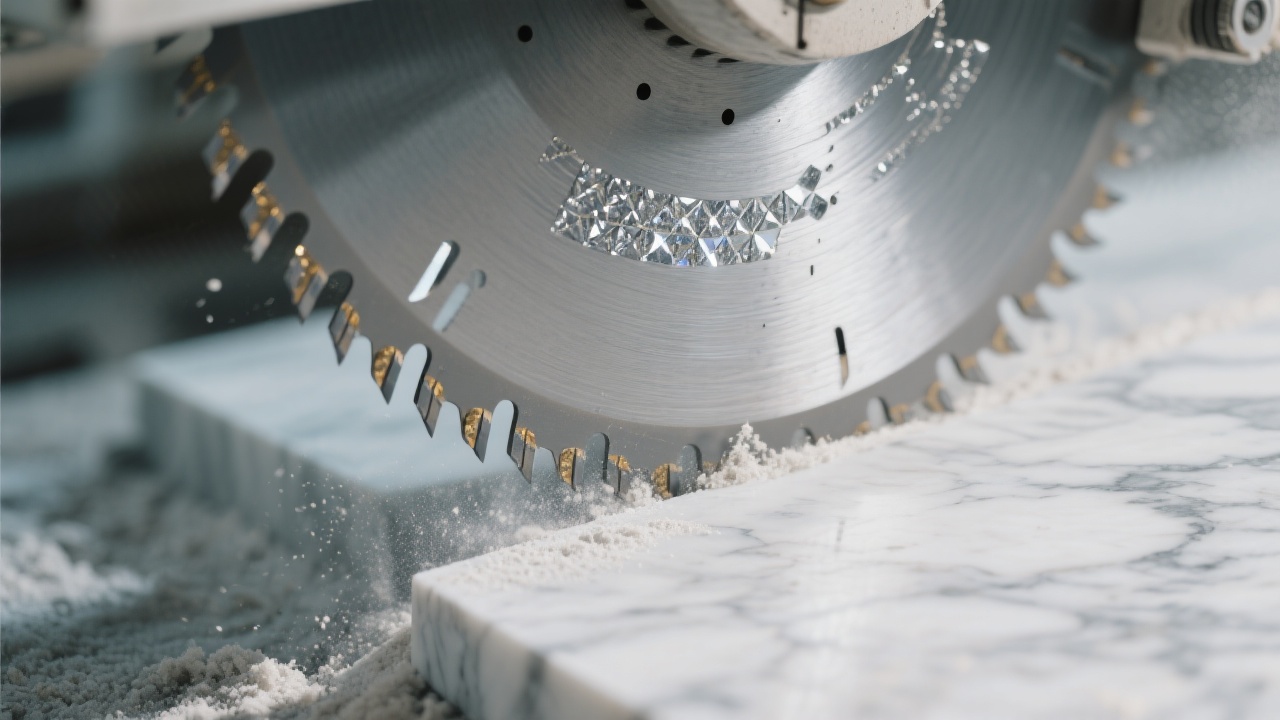
During the cutting process, a large amount of heat is generated, which can cause thermal stress and microcracks in the ceramic material. A proper cooling system can effectively reduce the temperature, slow down the thermal stress, and avoid the generation of microcracks. For example, using a water-based coolant can reduce the cutting temperature by 50 - 80°C, significantly improving the tool life.
Common faults in ceramic cutting include crack generation and tooth breakage. The causes of these faults can be analyzed from aspects such as cutting parameters, tool selection, and cooling system configuration. For example, if the cutting speed is too high, it may cause excessive heat and cracking. To prevent these faults, appropriate cutting parameters should be selected, and the cooling system should be properly configured. The following table shows the common faults, causes, and prevention measures:
| Fault | Cause | Prevention Measure |
|---|---|---|
| Crack Generation | High cutting speed, improper tool selection, insufficient cooling | Reduce cutting speed, select appropriate tool, improve cooling system |
| Tooth Breakage | Excessive cutting force, poor tool quality | Reduce cutting force, select high-quality tool |
In conclusion, by understanding the challenges of ceramic cutting, selecting appropriate tools and cutting parameters, and configuring a proper cooling system, the cutting quality and tool life can be significantly improved. For more technical details, you can refer to our tool manual. If you want to learn more about UHD's advanced ceramic cutting solutions, click here.
.png?x-oss-process=image/resize,h_1000,m_lfit/format,webp)
.png?x-oss-process=image/resize,h_1000,m_lfit/format,webp)