Ceramic materials, known for their high hardness and brittleness, present significant challenges in the machining process. This article aims to provide a comprehensive guide for engineers and process technicians to master the core skills of efficient and stable ceramic cutting.
Alumina and silicon nitride are two common ceramic materials, each with unique physical properties that affect tool wear and cutting stability. Alumina has high hardness and wear resistance, but it is also more brittle. Silicon nitride, on the other hand, has better toughness and thermal shock resistance.
The differences in these properties mean that different cutting parameters are required for each material. For example, when cutting alumina, a higher cutting speed may lead to more severe tool wear and potential cracking of the ceramic. In contrast, silicon nitride can tolerate relatively higher cutting speeds.
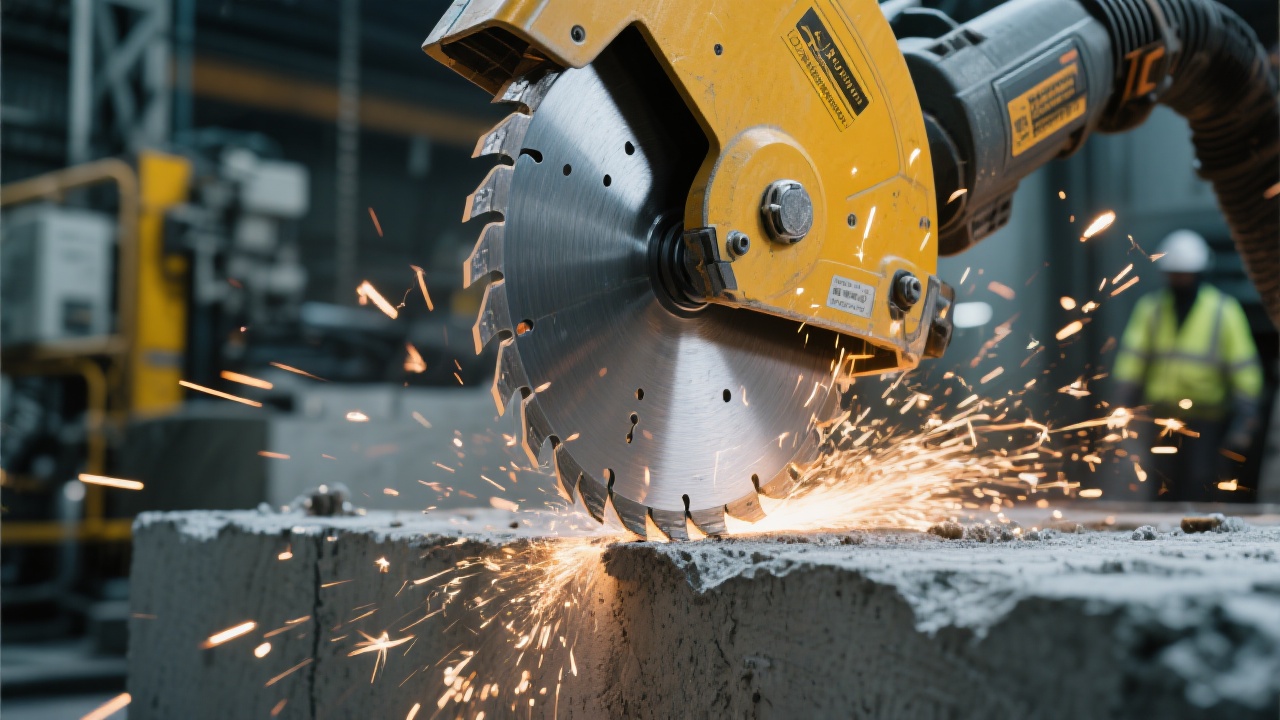
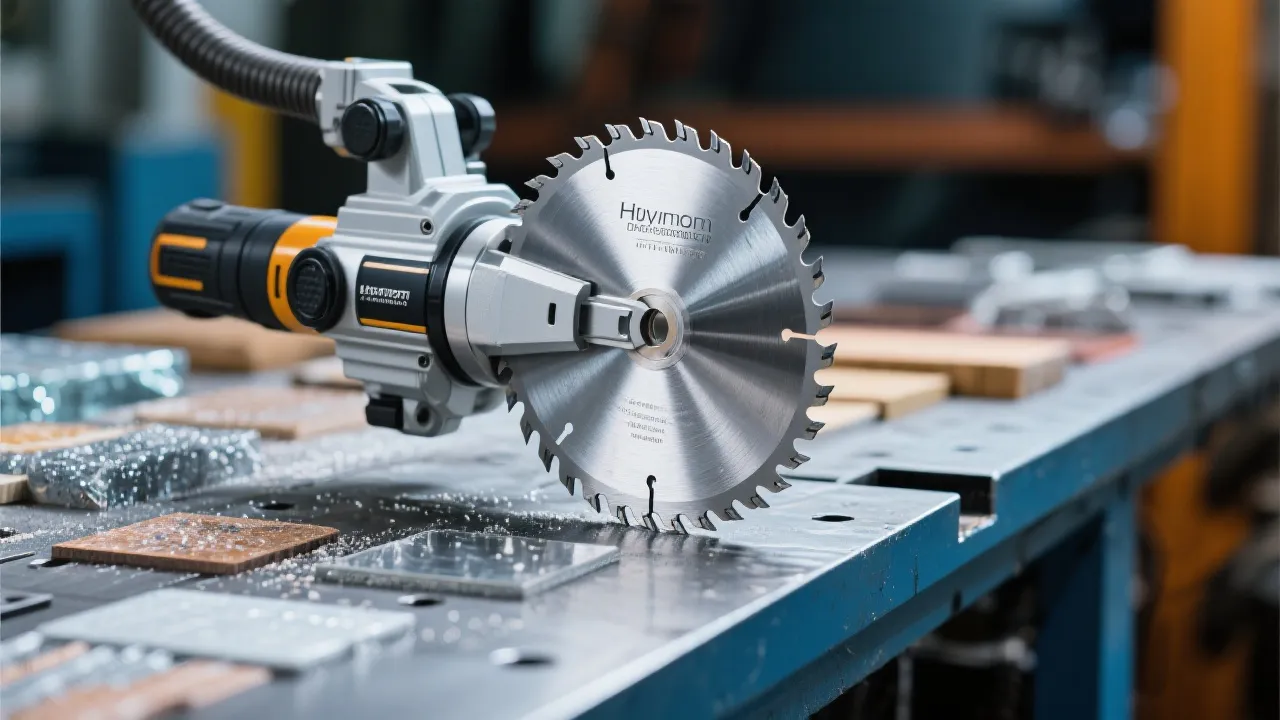
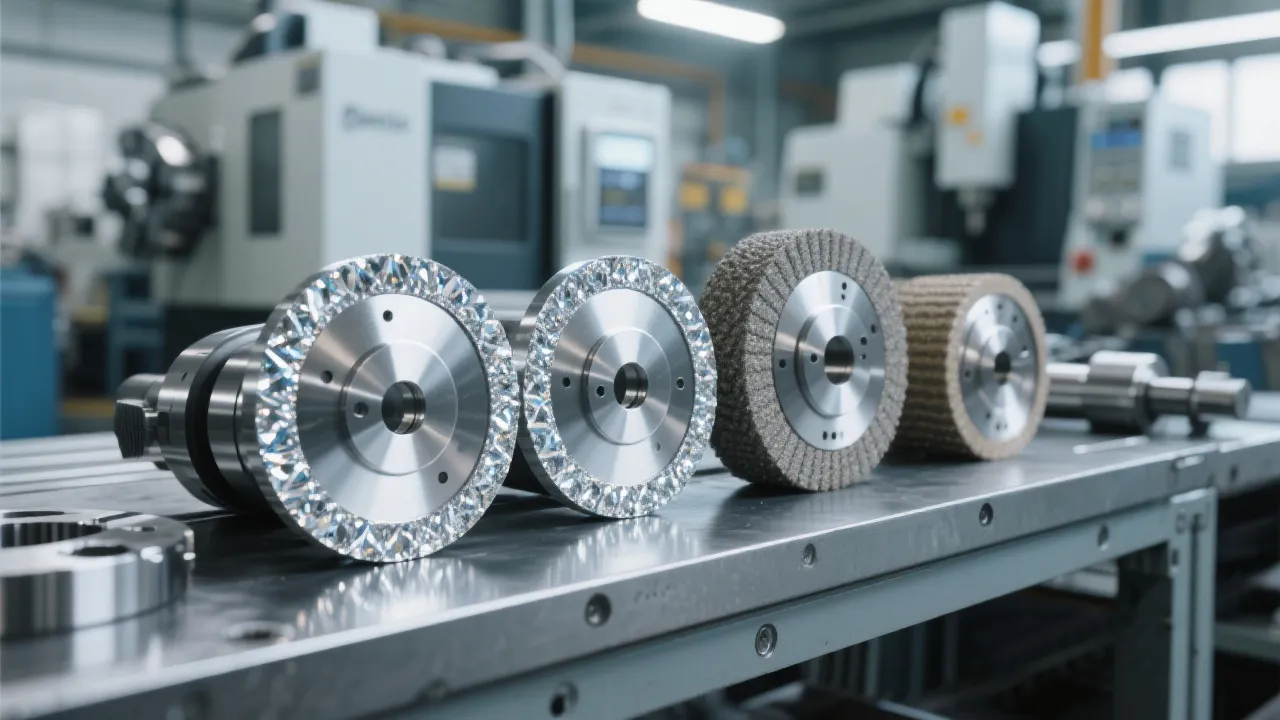
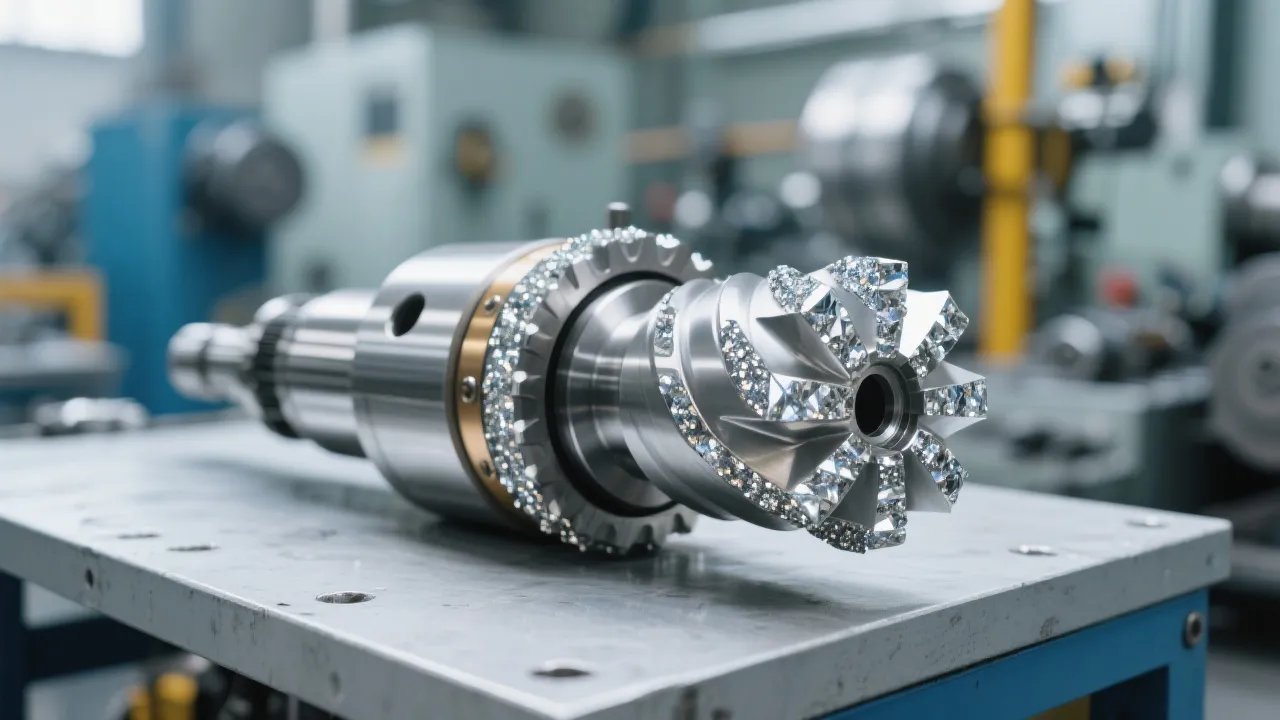
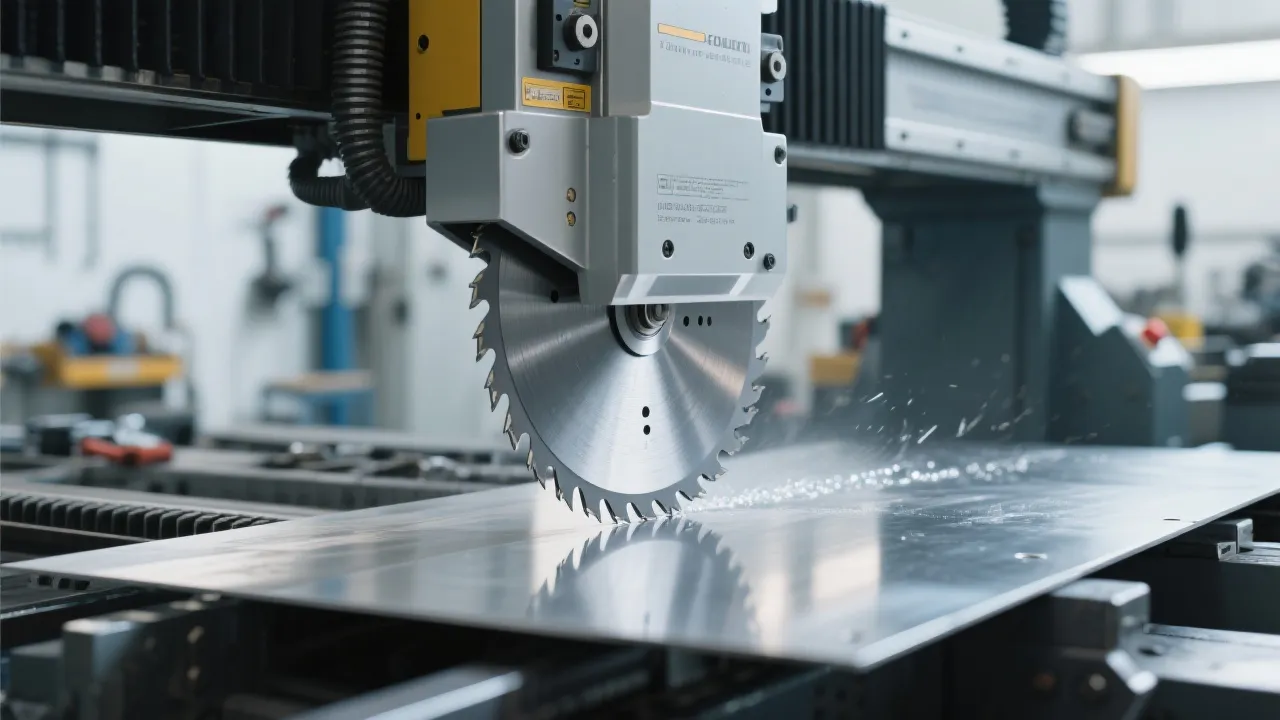
For 400mm diamond saw blades, when cutting alumina, a recommended rotational speed is around 3000 - 3500 RPM. This speed helps to balance the cutting efficiency and tool life. When cutting silicon nitride, a slightly higher speed of 3500 - 4000 RPM can be used due to its better toughness.
The feed rate is also crucial. For alumina, a feed rate of 5 - 8 mm/min is advisable to avoid excessive stress on the ceramic and the saw blade. For silicon nitride, a feed rate of 8 - 12 mm/min can be used to improve cutting efficiency.
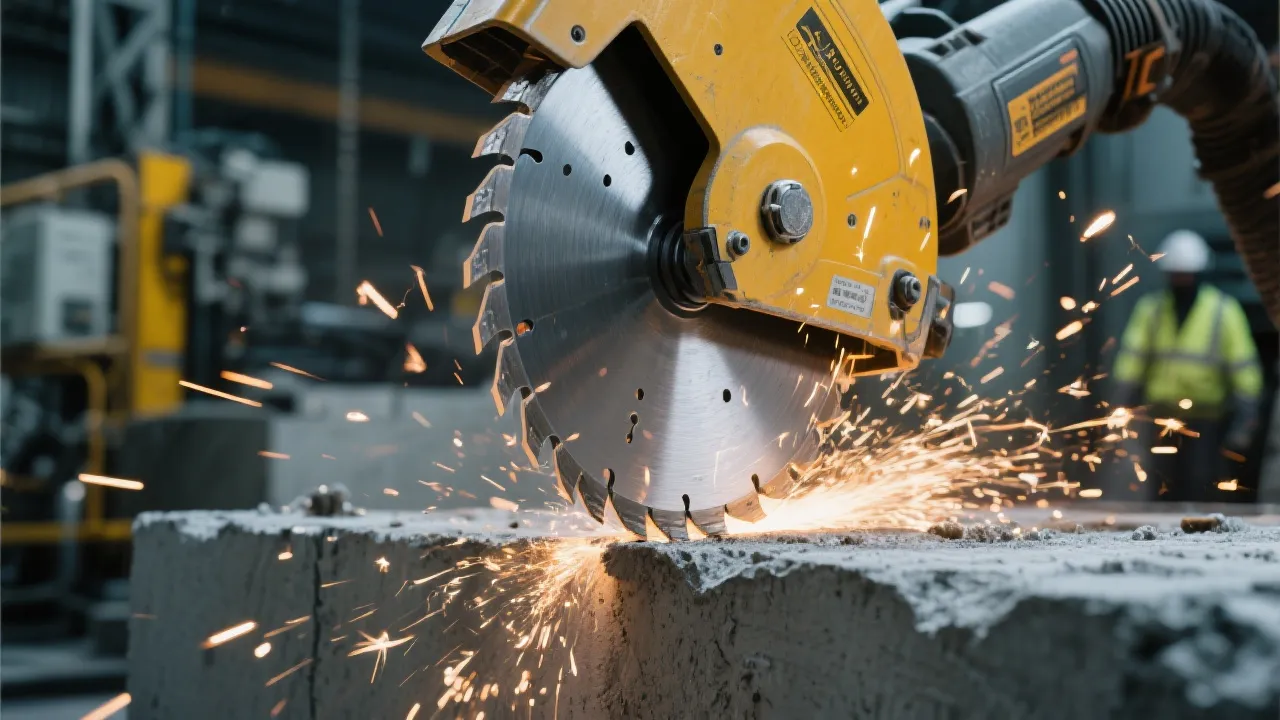
Proper cooling is essential to prevent overheating and reduce tool wear. For both alumina and silicon nitride, using a coolant with a flow rate of 10 - 15 L/min is recommended. This helps to keep the cutting area at a suitable temperature and flush away chips.
Regularly check the coolant level and quality to ensure its effectiveness. A well - maintained cooling system can significantly extend the saw blade's life.
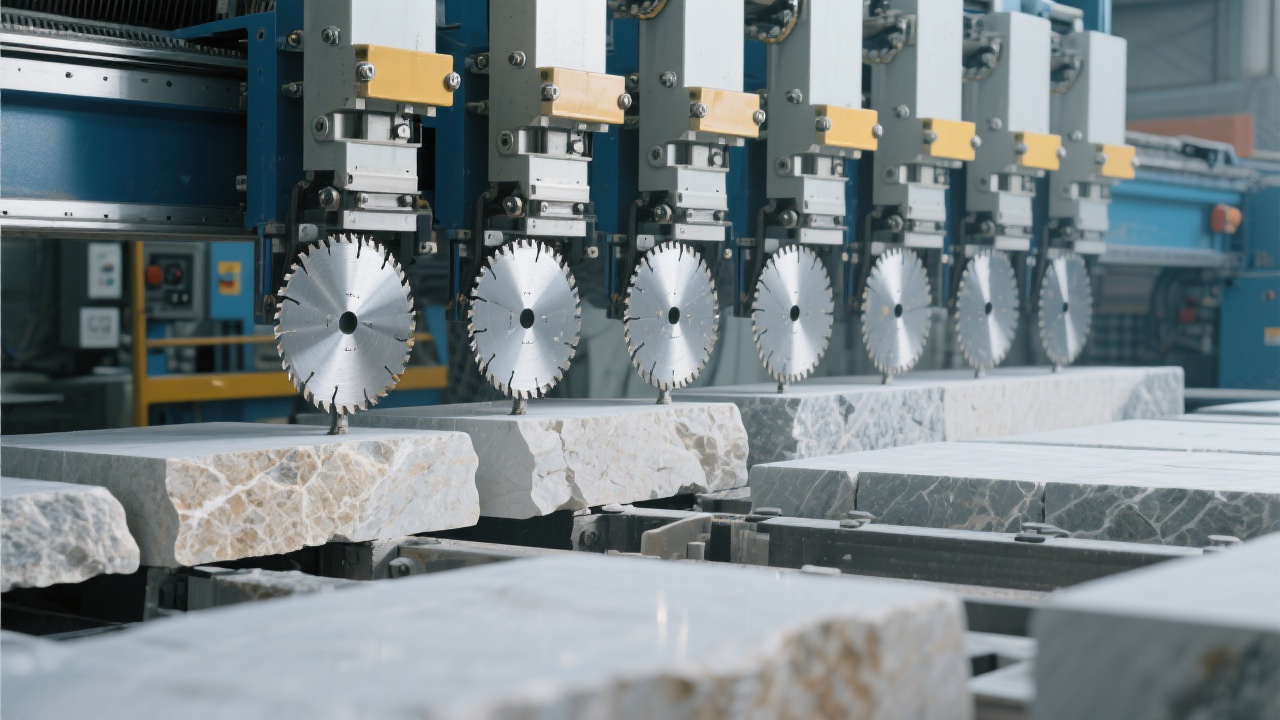
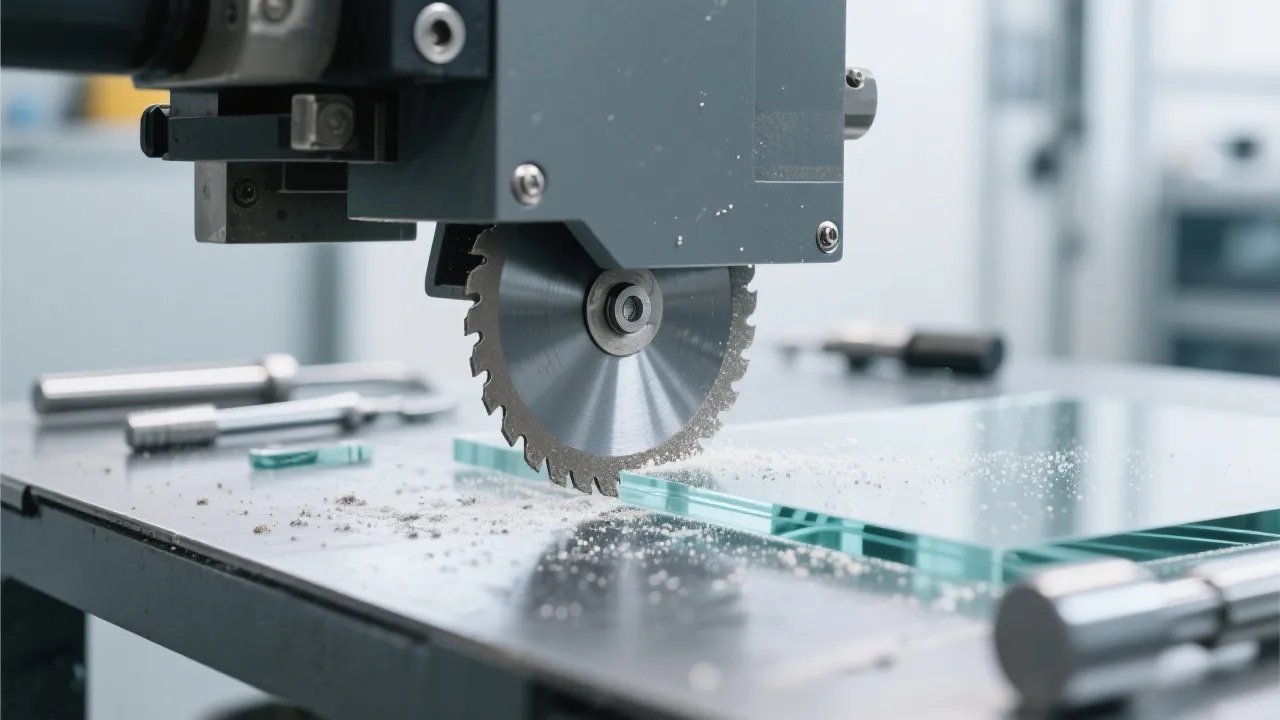
During the ceramic cutting process, several common problems may occur, such as thermal stress cracks and chipping of the saw blade. Thermal stress cracks are often caused by rapid temperature changes during cutting. To prevent this, ensure a stable coolant supply and avoid sudden changes in cutting parameters.
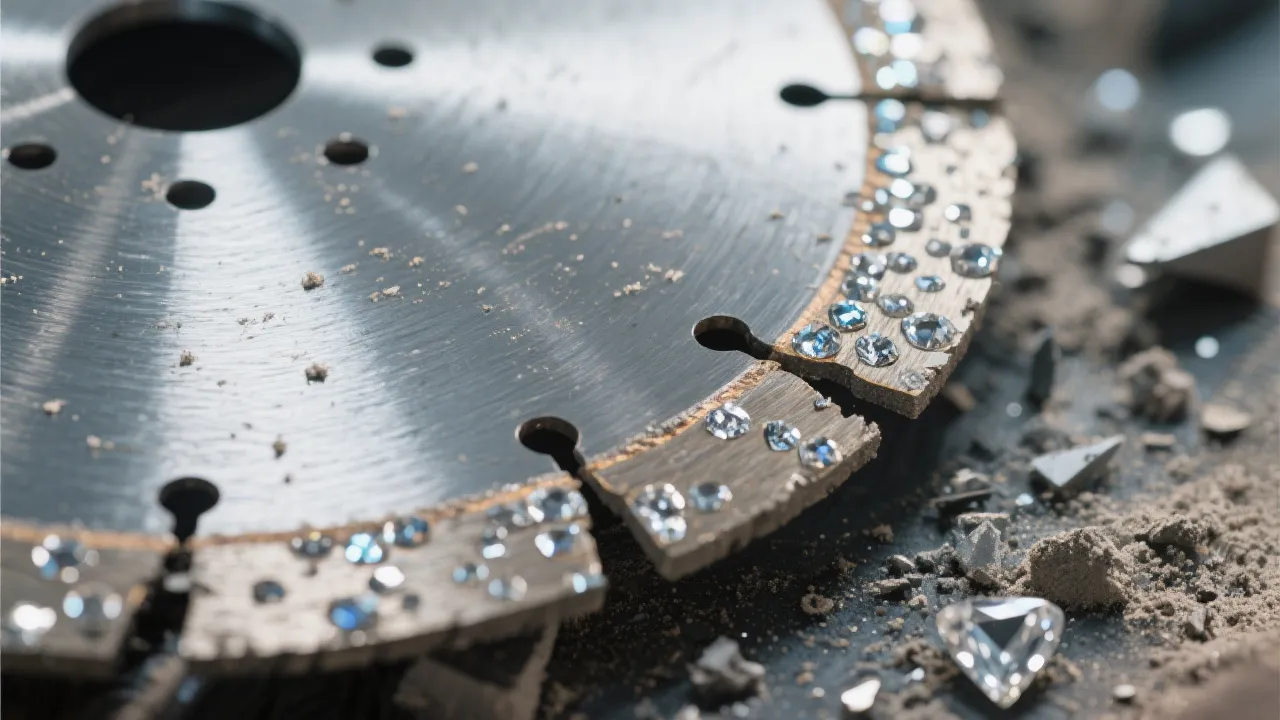
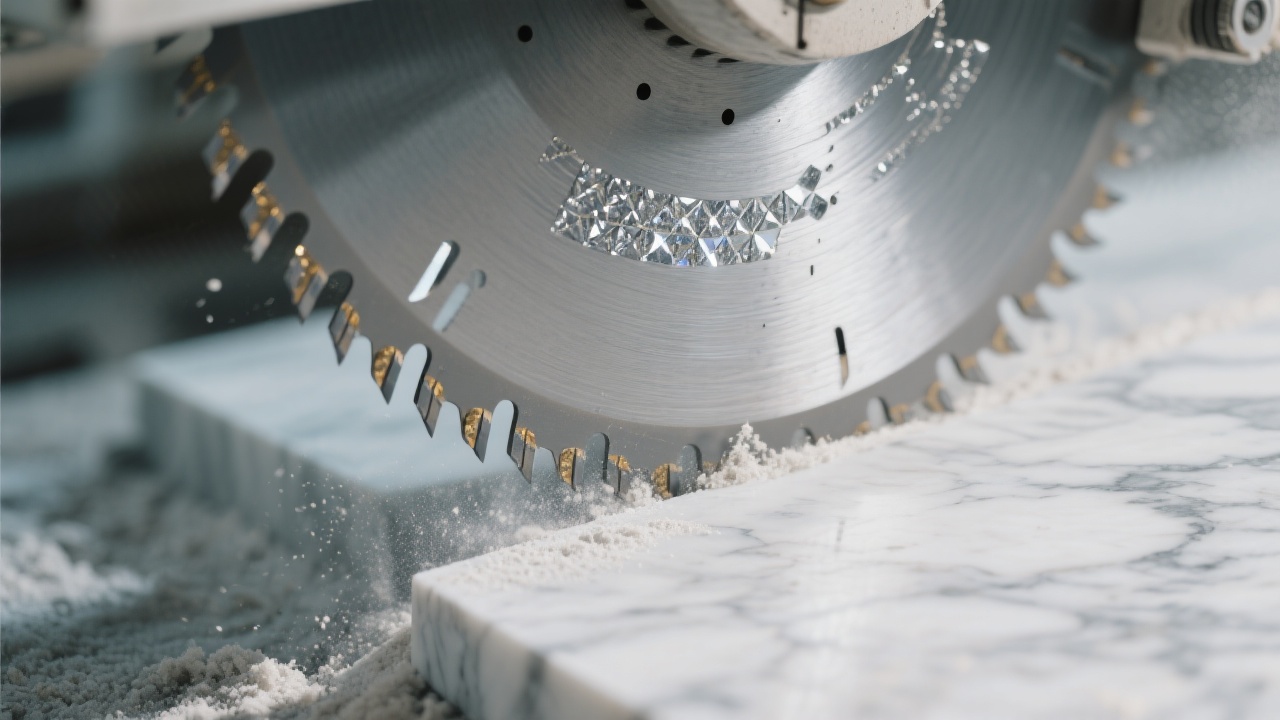
Chipping of the saw blade can be due to improper cutting parameters or low - quality saw blades. If you encounter chipping, check the cutting speed, feed rate, and the condition of the saw blade. Replace the saw blade if necessary.
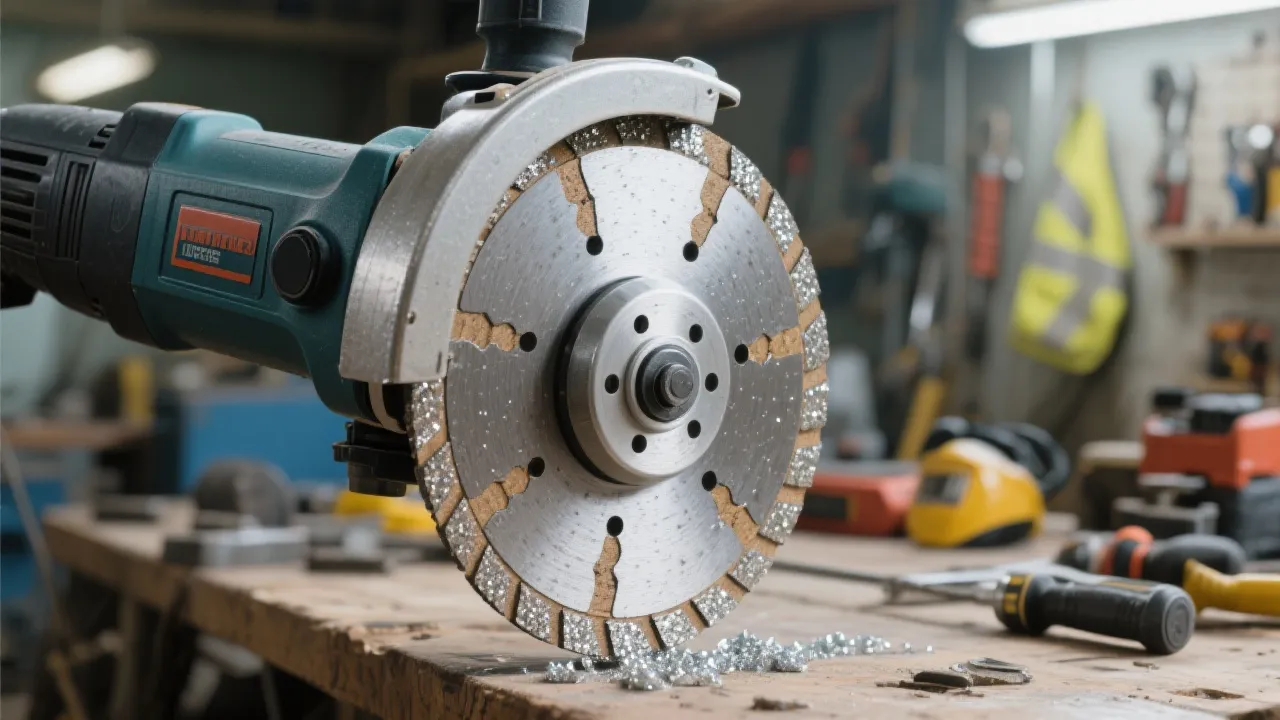
Proper installation of the diamond saw blade is crucial for stable cutting. Adjust the installation angle according to the cutting requirements. You can refer to the practical operation illustrations or short - video clips for detailed guidance.
Regular maintenance of the saw blade is also important. Keep a daily maintenance checklist, including checking the blade for damage, cleaning the cutting area, and lubricating the relevant parts. A well - maintained saw blade can ensure long - term stable cutting performance.
| Ceramic Material | Rotational Speed (RPM) | Feed Rate (mm/min) | Coolant Flow Rate (L/min) |
|---|---|---|---|
| Alumina | 3000 - 3500 | 5 - 8 | 10 - 15 |
| Silicon Nitride | 3500 - 4000 | 8 - 12 | 10 - 15 |
Have you encountered any ceramic cutting problems? Leave a message and tell us. More technical details can be found in our tool manual.


.png?x-oss-process=image/resize,h_1000,m_lfit/format,webp)
.png?x-oss-process=image/resize,h_1000,m_lfit/format,webp)
.png?x-oss-process=image/resize,h_1000,m_lfit/format,webp)