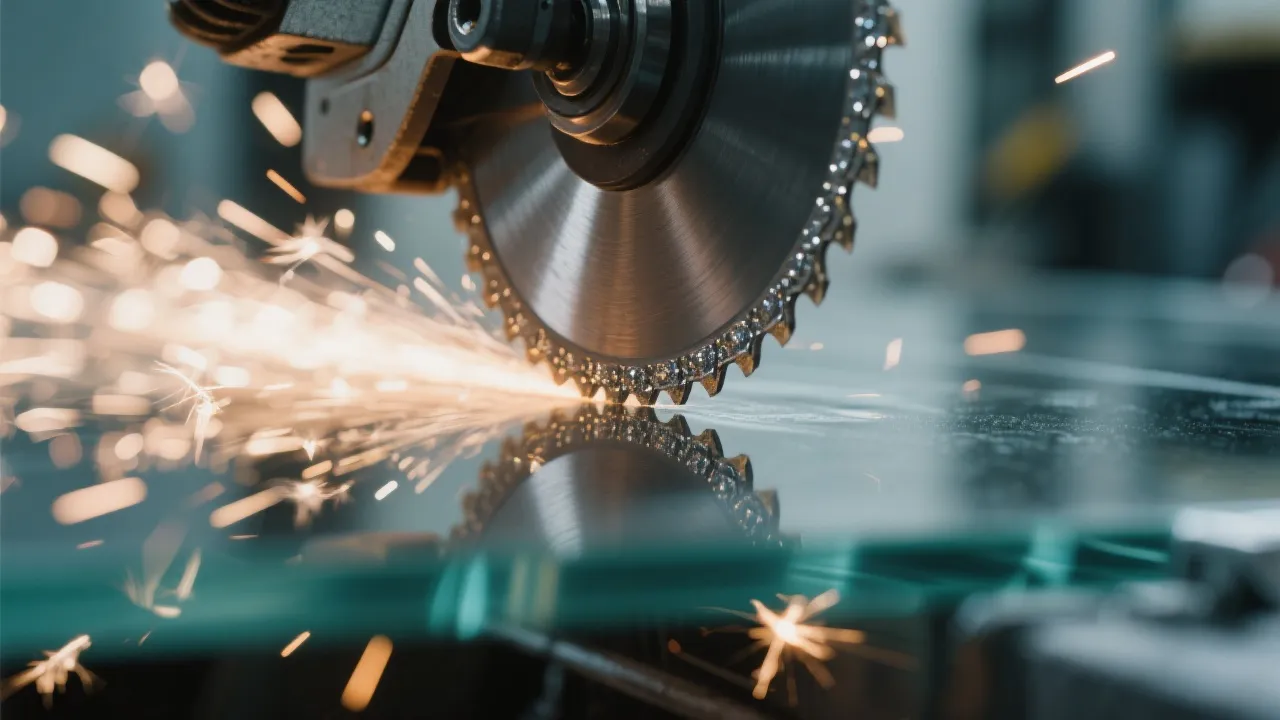
In export-oriented machining, “difficult-to-cut” materials rarely fail because of machine power alone. Most bottlenecks come from the interaction between material microstructure, heat generation, chip evacuation, and tool wear modes. When gray cast iron, stainless steel, and marble appear in the same production mix, a one-size-fits-all cutting setup turns into unstable quality, higher scrap, and unplanned downtime.
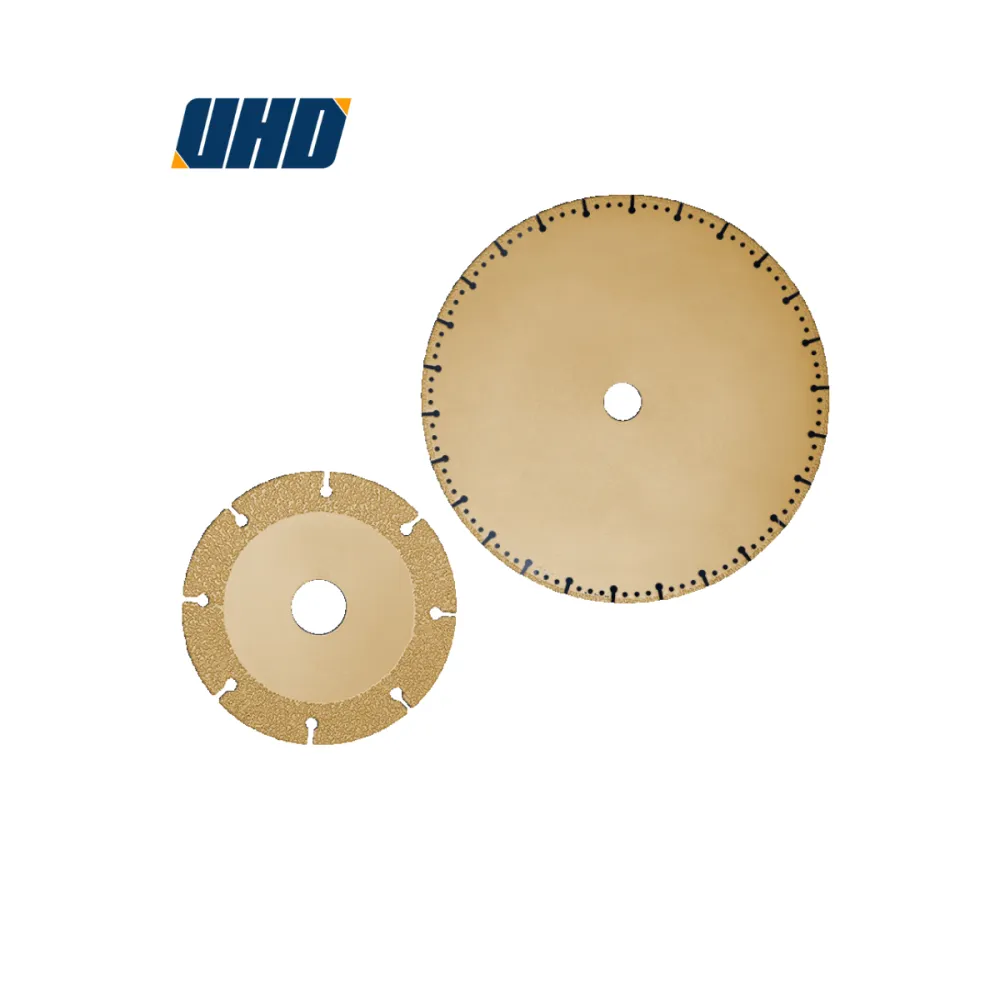
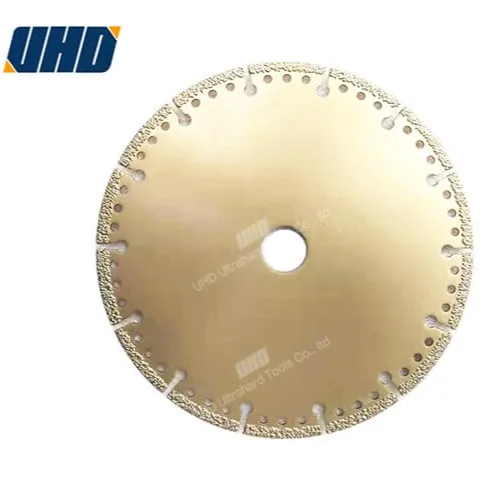
This guide breaks down the physics behind each material and translates it into actionable parameters—cutting speed, feed/penetration, cooling—and explains why brazed diamond saw blades (such as UHD’s) can be a practical solution for consistent, high-throughput cutting across mixed workloads.
Operators often describe these materials with simple labels—“brittle,” “sticky,” “hard.” The more useful approach is to identify the dominant failure mode: abrasive wear, thermal softening, edge chipping, glazing, or micro-fracture. That single diagnosis determines the best blade structure and parameter window.
The takeaway is simple: cutting “hard” isn’t the same as cutting “hot,” and cutting “brittle” isn’t the same as cutting “abrasive.” Tool choice must reflect the dominant failure mode.
For many workshops, the pain is not one single material—it’s switching jobs, switching operators, and switching “tribal knowledge.” A well-designed brazed diamond saw blade can reduce the sensitivity of the process by holding diamond particles more securely and maintaining cutting action longer before dressing or replacement.
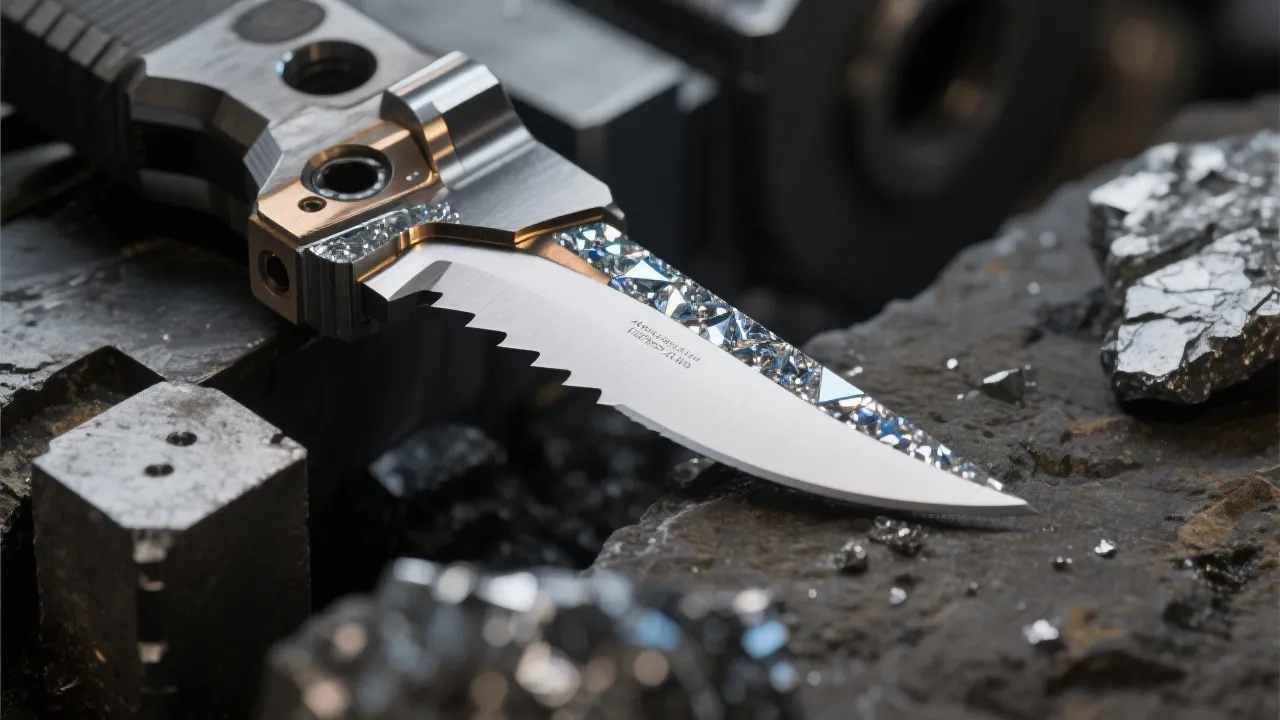
UHD’s brazed diamond saw blades are commonly specified with diamond grit brazed to an ultra-thick high-manganese steel core. In practice, that combination targets two real-world issues: (1) impact and vibration during interrupted cuts, and (2) accelerated wear when abrasive fines dominate the cutting zone.
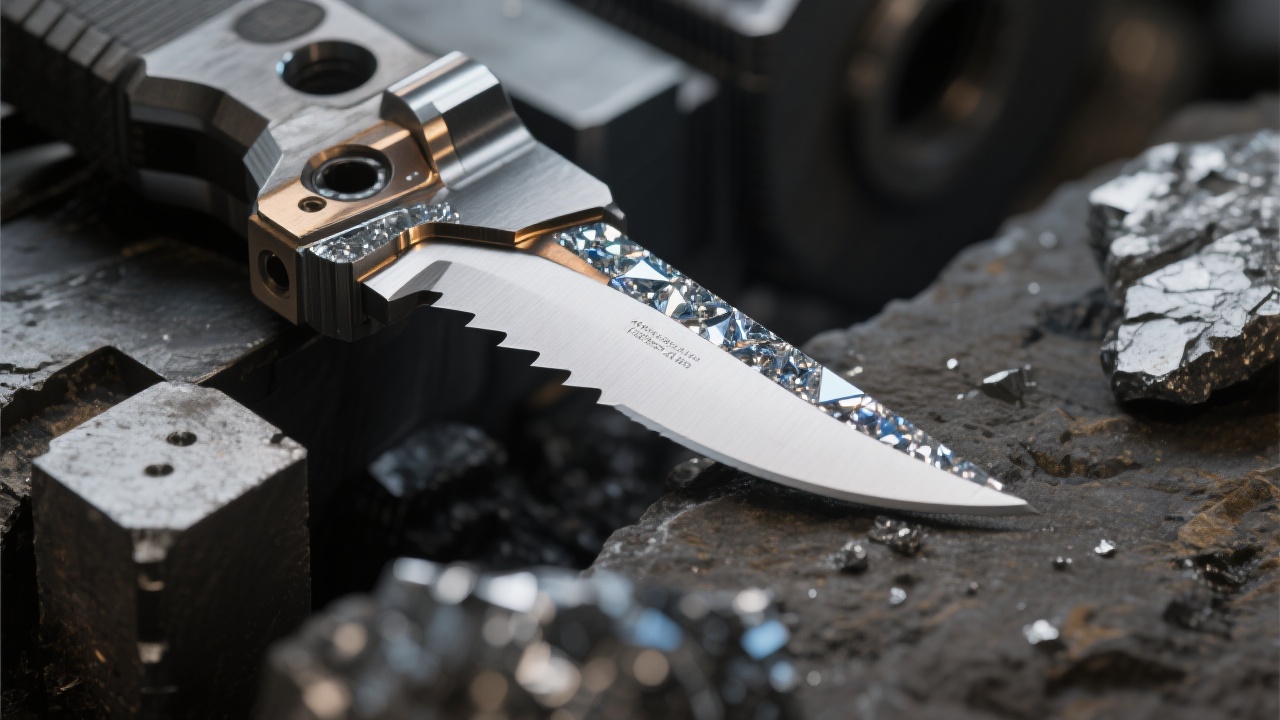
In export manufacturing, that stability matters because quality deviations tend to amplify downstream: rework, delayed inspection, delayed packing, and missed shipping windows. Tooling that stays predictable under different operators and shifting job types quietly becomes a competitive advantage.
The most profitable “optimization” is rarely chasing maximum speed—it’s preventing unstable cutting that forces operators to slow down, stop, and restart. Below are reference ranges that many shops use as safe starting points, then tune based on machine rigidity, blade diameter, and part geometry.
Reference ranges for process setup. Actual values depend on blade diameter, machine RPM limits, fixture rigidity, and required edge finish.
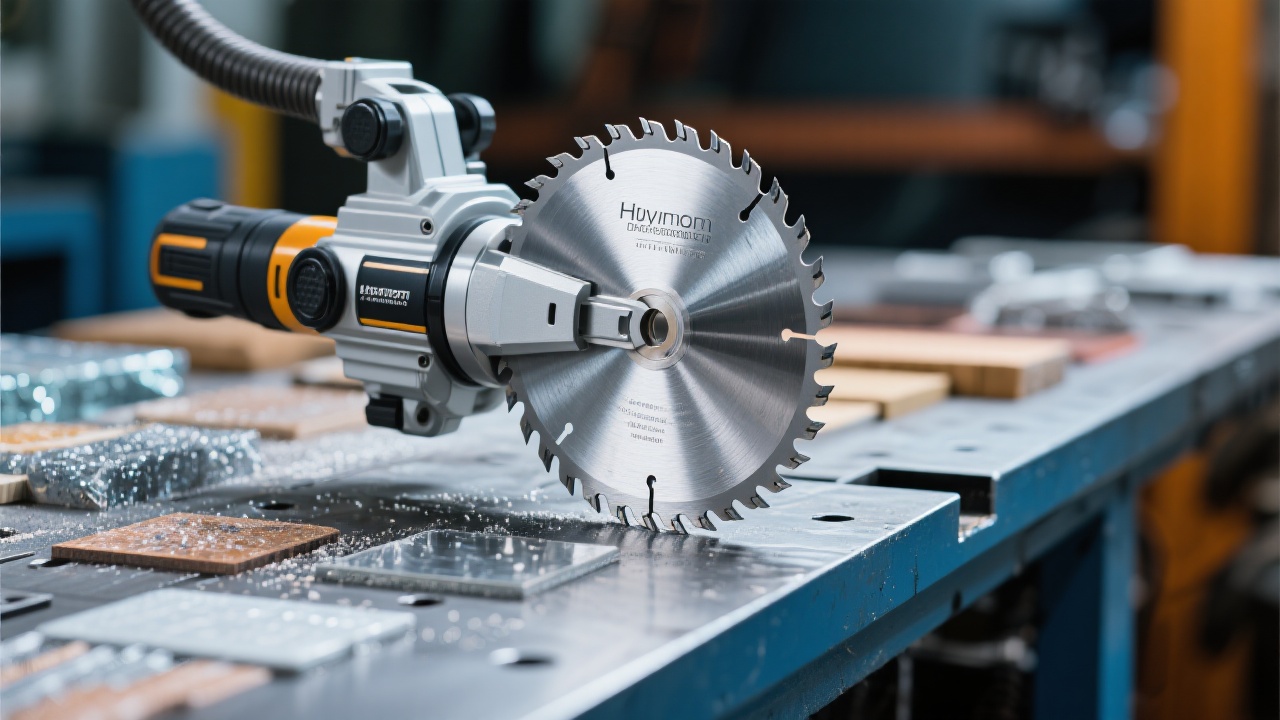
Buyers rarely pay for “tooling.” They pay for predictable lead time, stable quality, and fewer nonconformities. When shops adopt a more robust cutting setup on mixed-material lines, the metrics usually move in three places: throughput, blade life, and rework.
A fabrication shop processing 304 stainless reported that moving from inconsistent coolant delivery to a controlled flood setup (targeting 8–10 L/min at the cut) reduced visible discoloration and burr-related rework. After parameter tuning, they observed a 15–25% improvement in usable blade life on comparable batches and fewer stoppages caused by glazing.
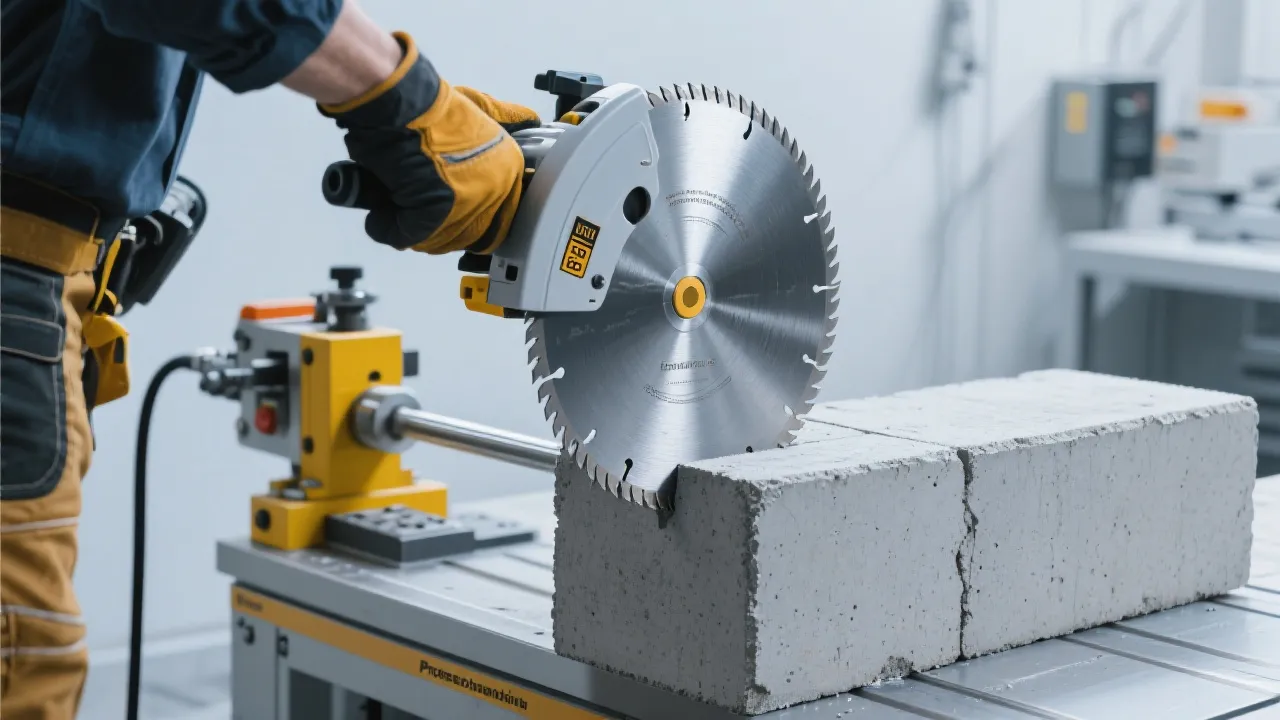
In marble cutting, operators often chase speed until edge breakout appears on vein transitions. A process change—slightly reducing entry aggressiveness and keeping clean water flow—commonly cuts chipping complaints by 20–40% (measured by rejected pieces per batch), especially on decorative panels where the edge will remain visible.
Gray cast iron often looks “easy” until dust management and micro-chipping start affecting dimensional repeatability. Shops that add consistent extraction and avoid interrupted engagement frequently report 10–20% less unplanned stoppage related to blade condition checks and corrective adjustments.
Performance varies by equipment and operator discipline. The core idea remains: repeatable process control is usually a bigger lever than raw machine power.
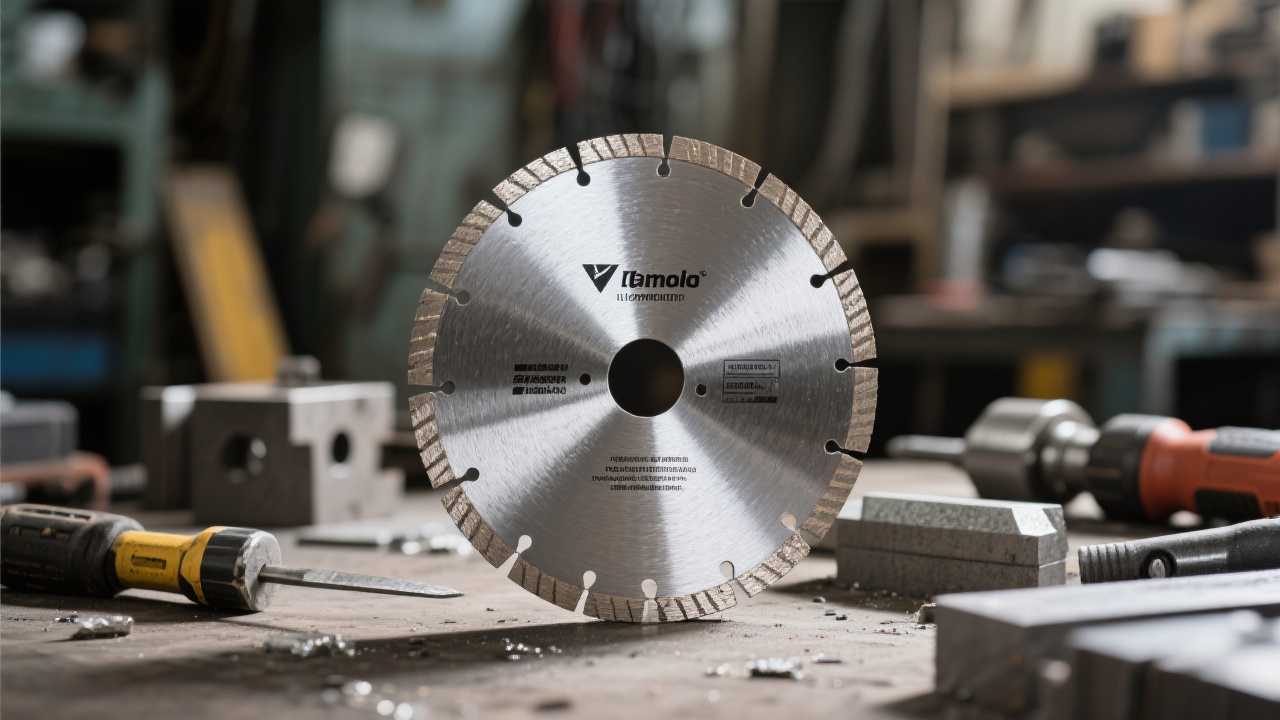
High-performance blades still fail fast when maintenance is treated as an afterthought. For export manufacturers working under customer audits and internal quality gates, maintenance should be documented, repeatable, and aligned with common safety and management frameworks such as ISO 9001 (process control and traceability) and ISO 14001 (environmental management for dust/water handling), as applicable to the facility.
“The biggest improvement wasn’t just speed—it was that the cut stayed stable across shifts. Less adjustment, less rework, and fewer ‘mystery’ quality issues right before packing.”
It depends on the blade’s diamond retention method, core stability, and the process discipline in cooling/dust control. A brazed diamond blade with a robust core can cover multiple materials when parameters are adjusted per material. Most failures come from running “one setting for all,” not from the blade concept itself.
Insufficient cooling at the actual cutting interface. Stainless retains heat, work hardens, and quickly turns minor friction into glazing and burrs. Verifying real coolant flow (not pump specification) often fixes “mystery wear.”
Focus on entry control and water quality/flow. A stable lead-in, avoiding impact at vein transitions, and maintaining clean water to prevent slurry thickening typically improves edge integrity without large speed reductions.
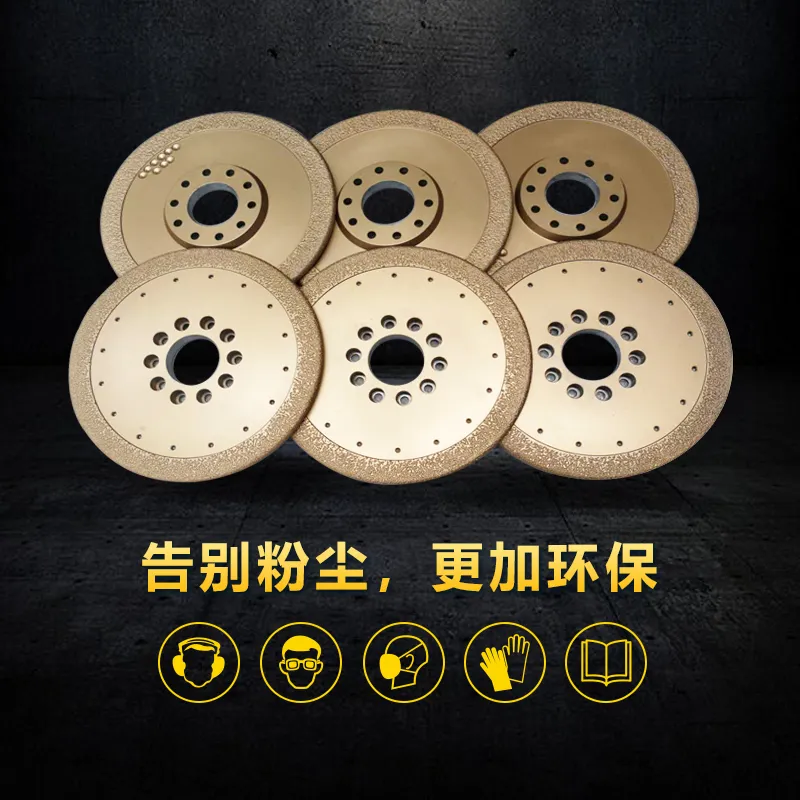
Dry cutting is common, but dust extraction becomes essential. Without extraction, fines increase friction and heat, and operators tend to “correct” with unstable feeding. In many lines, improving extraction provides a larger life gain than changing blades.
If your production schedule includes gray cast iron, stainless steel, and stone in the same month, blade stability and process repeatability become the easiest way to protect delivery dates. Get the blade specification and recommended starting parameters tailored to your material, thickness, and machine setup.
.png?x-oss-process=image/resize,h_1000,m_lfit/format,webp)