
In the construction industry, the choice between dry and wet cutting methods for 400mm brazed diamond saw blades can significantly impact project efficiency, safety, and cost. This article delves into the in - depth analysis of these two cutting modes, aiming to provide industry practitioners and project decision - makers with valuable insights.
The 400mm brazed diamond saw blade is a popular tool in construction sites. Dry cutting involves using the saw blade without the addition of water, while wet cutting uses water as a coolant and dust suppressant. Dry cutting is suitable for situations where water is scarce, or the project has a tight schedule. For example, in some remote construction sites where water supply is difficult, dry cutting can be a practical choice. On the other hand, wet cutting is ideal for cutting hard materials, as water can effectively cool the blade and reduce dust.
| Comparison Items | Dry Cutting | Wet Cutting |
|---|---|---|
| Cutting Efficiency | High in some soft materials, but may decrease with hard materials due to blade overheating | Relatively stable, especially for hard materials |
| Blade Durability | May reduce blade life due to high - temperature wear | Extends blade life as water cools the blade |
| Dust Control | Generates a large amount of dust, which requires additional dust management equipment | Significantly reduces dust, providing a healthier working environment |
| Operational Convenience | No need for water supply, easy to operate in some cases | Requires a water source and additional equipment for water supply |
In a high - rise building construction project in a city, the construction team initially used dry cutting for cutting concrete walls. However, they found that the dust generated was a serious problem, affecting the health of workers and the surrounding environment. After switching to wet cutting, the dust was effectively controlled, and the blade life was extended by about 30%. This case clearly shows the advantages of wet cutting in certain scenarios.
Dust management is crucial in both dry and wet cutting. In dry cutting, using dust collectors and ventilation systems can effectively reduce dust concentration. In wet cutting, proper water supply and drainage systems are necessary to ensure the normal operation of the cutting process. Additionally, the choice of cooling technology also affects the performance and service life of the saw blade. For example, using high - pressure water cooling can better cool the blade and improve cutting efficiency.
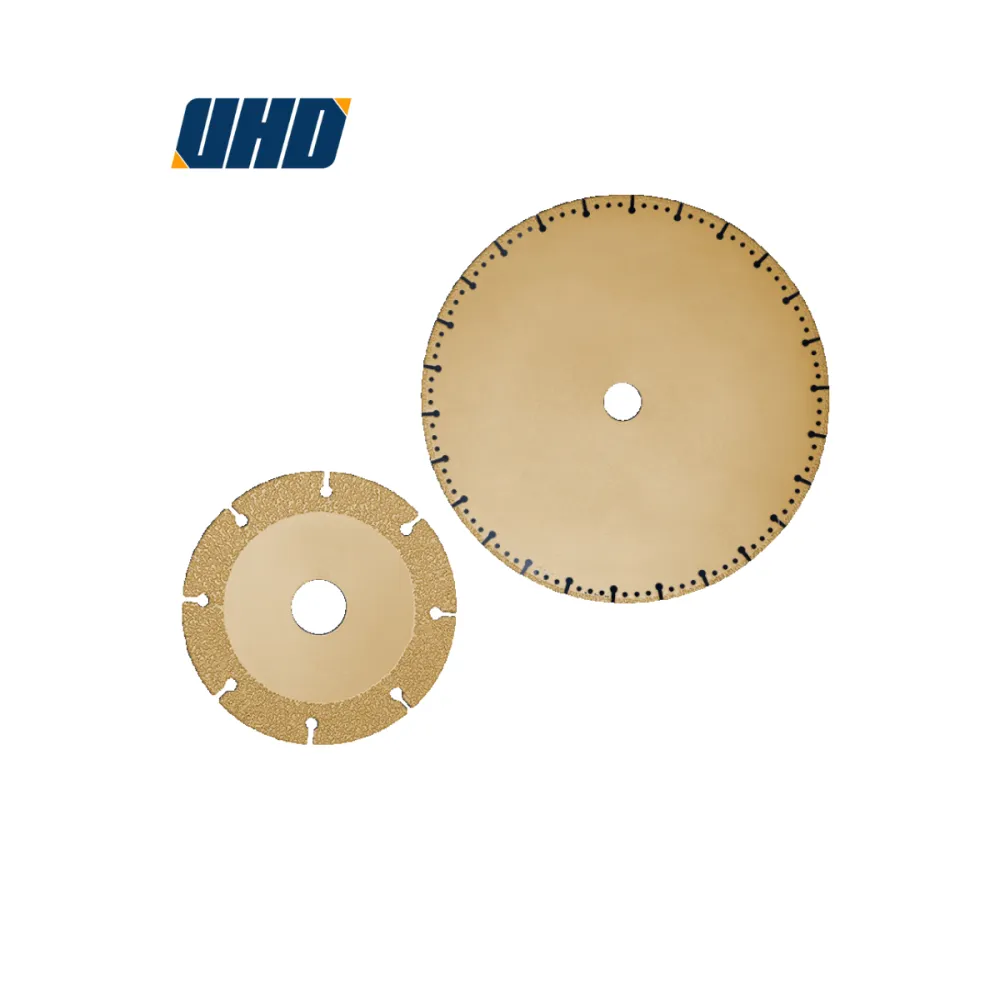
Our 400mm brazed diamond saw blades are highly wear - resistant and suitable for multiple scenarios. Whether it is dry cutting or wet cutting, our saw blades can provide excellent performance. To help you make a more informed decision, we provide a practical decision - making flowchart. Download it now and consult our professional support team for the best cutting solution!
Download Decision - Making Flowchart and Consult Now.png?x-oss-process=image/resize,h_1000,m_lfit/format,webp)

.png?x-oss-process=image/resize,h_1000,m_lfit/format,webp)



 <#else>


