
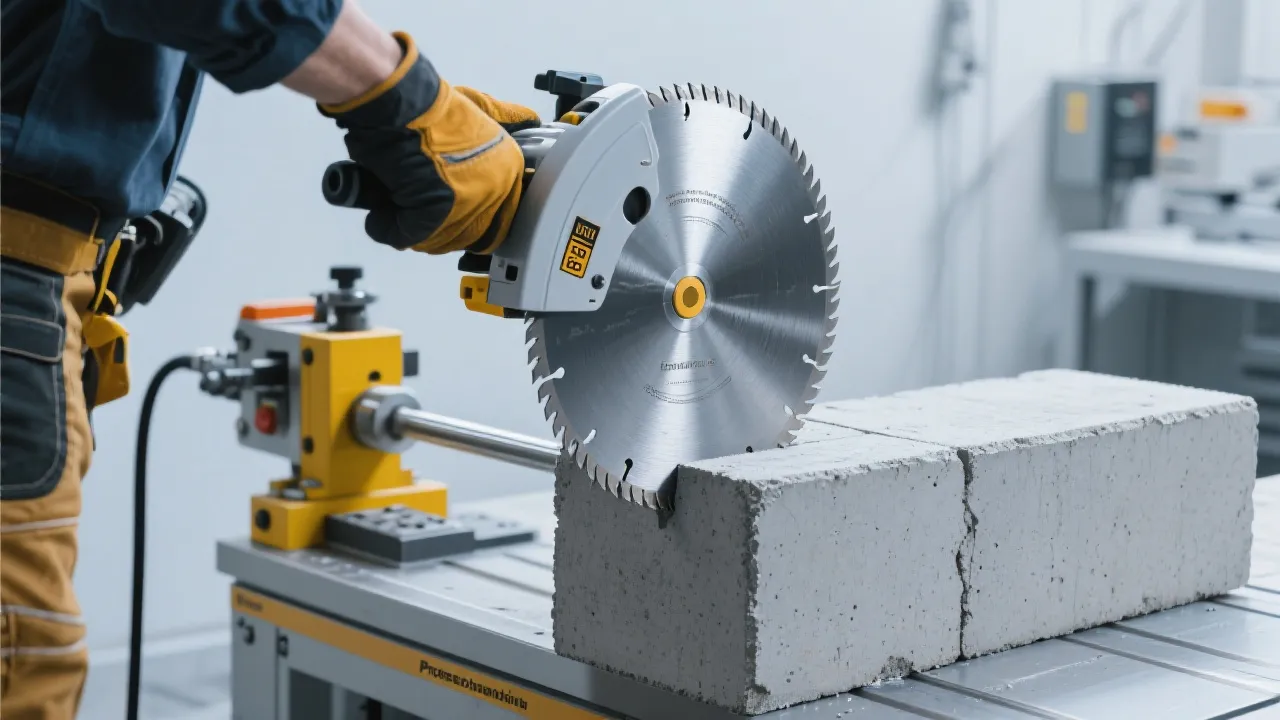
When operating a 400mm brazed diamond saw blade, deciding between dry cutting and wet cutting isn't simply a matter of preference. The choice can significantly impact cutting efficiency, blade longevity, dust emissions, and overall job site productivity. Especially for professionals exporting to diverse markets or managing complex projects, understanding the technical nuances of these two cutting modes is critical to making informed decisions suitable for different work environments.
Dry Cutting uses the blade without water or coolant. This is often desirable when water supply is limited or when working in freezing conditions where wet cutting is impractical. Conversely, wet cutting involves continuous water flow to cool the blade, reduce dust, and extend blade life. The brazing process in your 400mm diamond blades enhances bonding strength, but cooling remains vital to avoid overheating, which causes premature blade failure.
| Feature | Dry Cutting | Wet Cutting |
|---|---|---|
| Cooling Efficiency | Low – relies on air cooling, blade heats quickly | High – water cools blade and debris continuously |
| Blade Life | Shorter; overheating risks cause segment loss | Longer; reduced thermal stress improves durability |
| Dust Control | Poor; generates airborne dust requiring extraction | Excellent; water suppresses dust emissions |
| Cutting Speed | Faster short-term cuts; risk of overheating | Consistent speed; optimal for longer cuts |
| Equipment Needs | Simpler setup; no water supply needed | Requires water source or portable tanks |
The choice between dry and wet cutting must adapt to your specific worksite:
Brazed diamond blades consist of diamond segments brazed onto a steel core, creating a robust bond that tolerates high cutting forces. However, brazing also results in a thinner segment height compared to sintered blades and a different heat dissipation profile. Efficient cooling—especially through wet cutting—is crucial to prevent segment edge loss and core warping.
Expert Tip: “Even though brazed blades maintain segment integrity better than some alternatives, overheating during dry cutting can still cause microcracks, reducing blade life by up to 30%. When possible, use wet cutting with portable water supply to maximize performance.”
One anonymous stone processing facility experienced frequent blade segment drop when operators switched exclusively to dry cutting during peak summer months. The overheating caused rapid wear and forced premature blade replacement every 3 days instead of the typical 10-day cycle. Adding a simple portable water tank and adopting wet cutting protocols restored blade life and improved cut quality.
Similarly, a municipal construction crew working on pipeline trenches initially ignored dust extraction during dry cutting, resulting in shutdowns from dust regulation violations. They rectified this by integrating water-fed cutting methods and portable dust collectors.
Follow this easily downloadable decision flowchart to determine the optimal cutting mode based on operational context:
If you answered “Yes” to any, wet cutting is recommended. Otherwise, dry cutting may be acceptable for short-term or emergency use.
Download Your Free Cutting Mode Decision Flowchart ↓
To mitigate risks and boost productivity, consider these essential add-ons:
Common Pitfall: Relying on dry cutting for all conditions often results in increased wear and lower quality cuts. Always evaluate environment and equipment to optimize your cutting approach.
.png?x-oss-process=image/resize,h_1000,m_lfit/format,webp)



.png?x-oss-process=image/resize,h_1000,m_lfit/format,webp)

 <#else>


