
When working with 400mm brazed diamond blades, selecting the right cutting method can impact not only operational efficiency but also blade longevity and safety. Whether you are on a construction site, in a stone processing factory, or managing municipal projects, understanding the pros and cons of dry cutting versus wet cutting is essential for optimal results.
First, analyze your specific working environment. The decision between dry and wet cutting hinges on critical factors such as water availability on site, material hardness, dust control requirements, and project deadlines.
| Aspect | Dry Cutting | Wet Cutting |
|---|---|---|
| Blade Temperature | High, risk of overheating | Lower due to water cooling |
| Dust Generation | High, needs proper dust control | Minimal, safer environment |
| Cutting Speed | Moderate | Typically 20-30% faster |
| Blade Wear Rate | Higher, up to 50% more wear | Significantly lower |
| Water Source Requirement | Not required | Mandatory |
Your 400mm brazed diamond blade’s performance is strongly influenced by its heat dissipation capabilities. Wet cutting leverages water's cooling effect, dramatically reducing thermal stress on the blade matrix. This limits premature segment wear and prevents micro-cracks caused by rapid temperature changes. Conversely, dry cutting demands precise control over cutting speed and pressure to avoid overheating, which can degrade blade lifespan by up to 40–50% in some cases.
Moreover, the brazing process creates a strong bond between the diamond segments and the steel core. However, without adequate cooling—typically provided by wet cutting—this bond can weaken faster under intense heat, leading to segment loss. Understanding this technical relationship enables you to align your cutting method with your operational environment.
Download your free: Three-Step Dry vs Wet Cutting Decision Flowchart
In a recent municipal paving project, switching to wet cutting with a 400mm brazed diamond blade reduced blade wear by almost 50%, which translated into fewer blade replacements and less downtime. Additionally, cutting speed increased by approximately 25%, helping the team meet stringent project timelines. Despite initial concerns about water access, the site established a temporary water system that proved cost-effective over the project duration.
By contrast, a stone fabrication factory with established water systems consistently achieves cleaner cuts and better surface finish using wet cutting methods, validating the technical principles discussed here. However, for remote construction works with limited water, adopting advanced dry cutting protocols—like intermittent cutting pauses and dust extraction tools—helps mitigate temperature and dust-related challenges.
Ready to boost cutting efficiency and extend your diamond blade’s life?
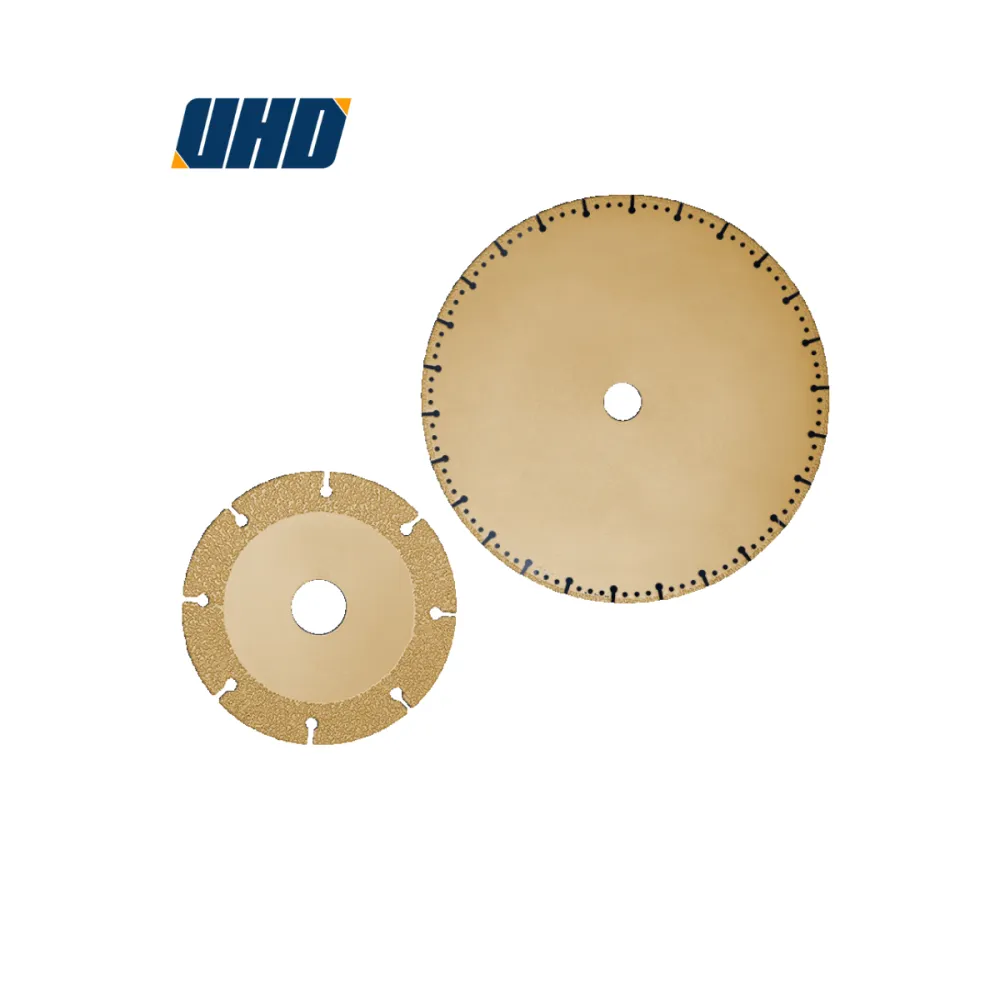
Discover Our 400mm Brazed Diamond Blades Now

.png?x-oss-process=image/resize,h_1000,m_lfit/format,webp)
.png?x-oss-process=image/resize,h_1000,m_lfit/format,webp)

 <#else>


