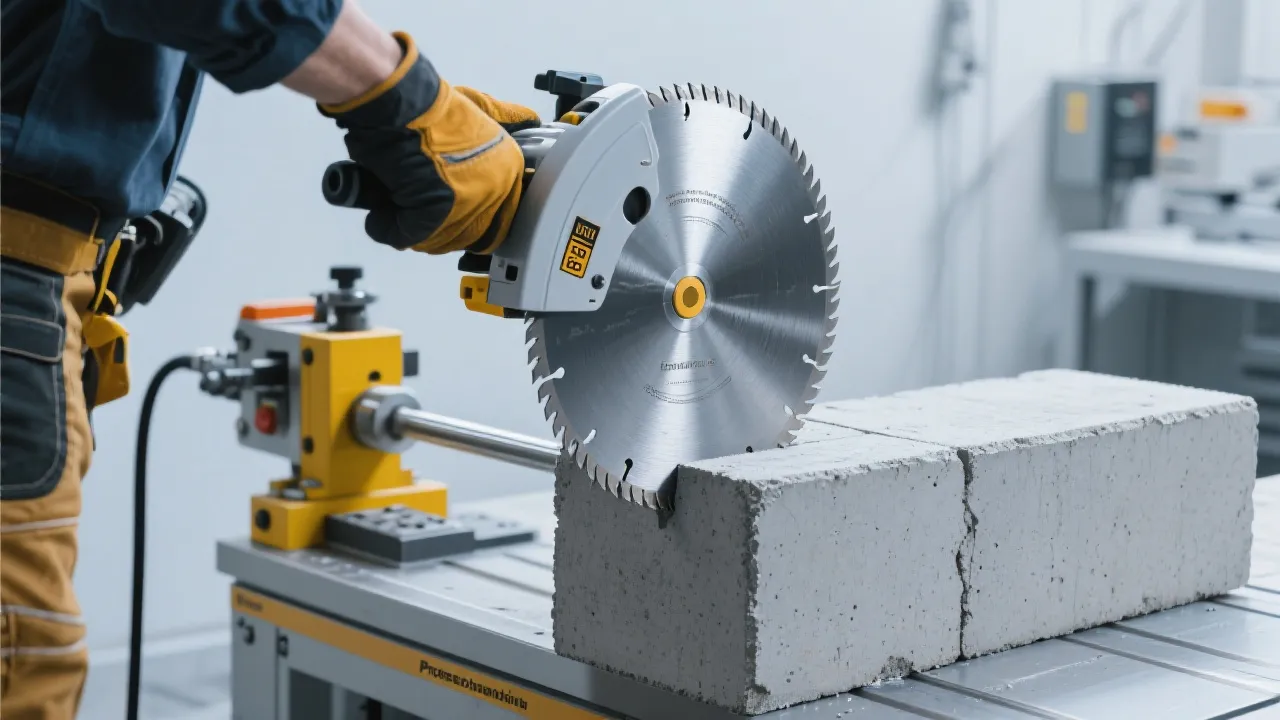
For professionals in construction, stone processing, and municipal engineering, selecting the optimal cutting method for 400mm brazed diamond blades can significantly impact efficiency, safety, and cost management. Understanding the distinctions between dry cutting and wet cutting is crucial for leveraging the advanced brazing technology that underpins these blades’ superior durability and performance.
The 400mm brazed diamond blade is designed for precise and efficient cutting of various construction materials, including concrete, granite, marble, and asphalt. Its versatility finds use on:
| Feature | Dry Cutting | Wet Cutting |
|---|---|---|
| Dust Control | High dust emission; requires effective dust extraction | Significantly reduced dust due to water suppression |
| Blade Wear Rate | Up to 15% higher wear due to heat without water cooling | Extended blade life by approx. 20% with active cooling |
| Operational Speed | Slightly faster initial cut but slower overall due to dust interference | Consistent cutting speed with reduced blade overheating |
| Equipment Complexity | Simpler setup; no water supply needed | Requires water supply and management systems |
The core advantage of brazed diamond blades lies in their seamless integration of diamond grit with a steel core via advanced high-temperature brazing. This process creates a robust bond that withstands high mechanical stress and heat. Proper cooling—primarily water in wet cutting—helps maintain blade integrity by dissipating heat immediately, preventing thermal damage and microstructural degradation.
Conversely, dry cutting relies on air cooling and intermittent cutting techniques, which increase blade wear and risk overheating if not managed carefully. Understanding these dynamics enables users to optimize blade lifespan and cutting precision.
Based on field experience, we recommend this simple decision flow to guide the selection:
Is a reliable water source available at the worksite?
Is the cutting material highly abrasive or heat-sensitive?
At a recent municipal highway resurfacing project, a contractor faced tight deadlines with no immediate water supply on-site. The solution was to employ 400mm brazed diamond blades with dry cutting techniques supported by portable dust collectors. Despite the dry environment, operators maintained blade life within expected averages (~60-70 hours usage) by implementing regulated cutting cycles.
Separately, on a stone fabrication plant specializing in granite countertops, wet cutting with 400mm blades increased throughput by 25% and reduced dust-induced respiratory complaints among workers, proving the practical benefits of the water-assisted approach.
Many users underestimate the impact of water quality on wet cutting. Impurities or hard minerals in water can accelerate wear; using filtered water or treatment solutions optimizes blade performance. For dry cutting, investing in high-efficiency portable dust collectors and scheduling frequent blade cool-down breaks prevent overheating.
Supplemental equipment such as compact water tanks or misting devices can provide flexible wetting options on sites without direct water sources, expanding the operational envelope for wet cutting methodologies.
With a clear understanding of the 400mm brazed diamond blade’s performance under different cutting regimes, professionals can confidently tailor their approach to maximize productivity, safety, and cost-efficiency. Leveraging the right cutting mode aligned with site conditions ensures optimal blade life and high-quality results.


.png?x-oss-process=image/resize,h_1000,m_lfit/format,webp)

.png?x-oss-process=image/resize,h_1000,m_lfit/format,webp)