
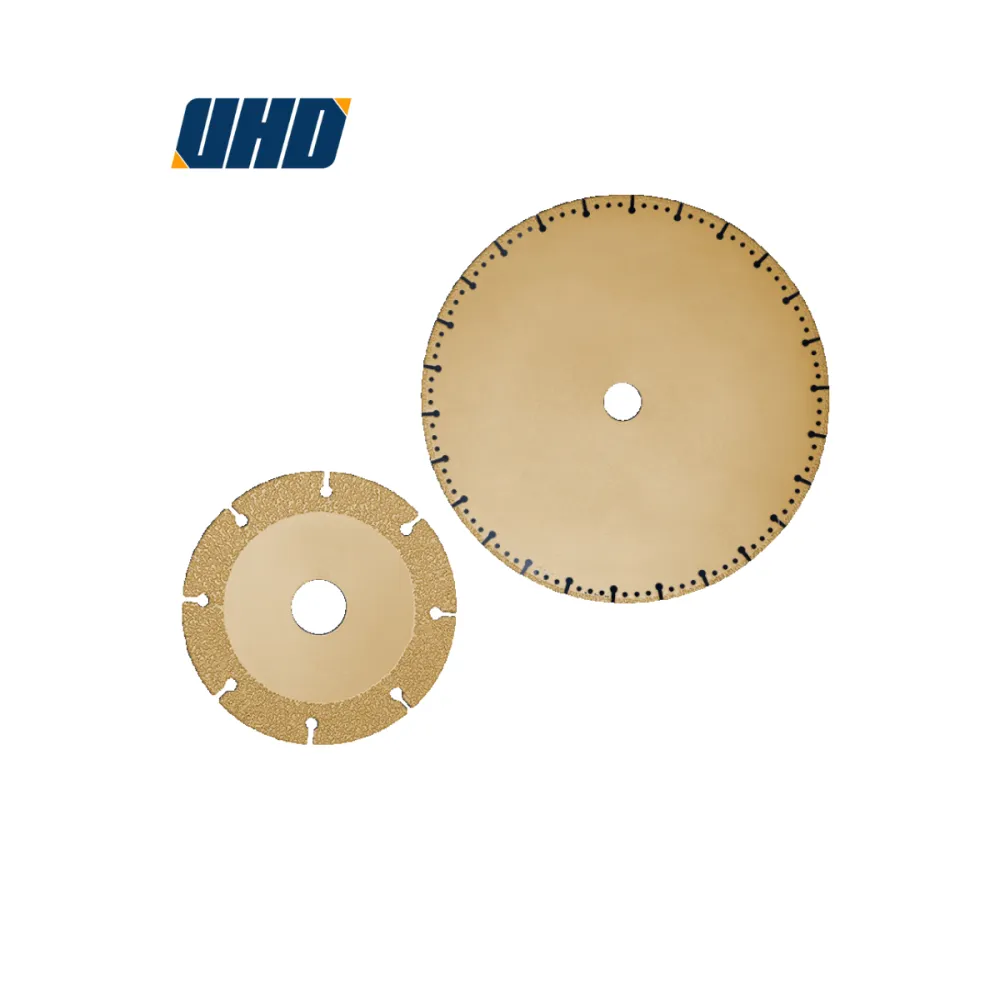
You've probably seen it: a high-quality 400mm brazed diamond blade that works like magic on one project—and fails miserably on another. The difference isn’t in the blade itself—it’s in how you match it to your working conditions.
| Factor | Dry Cutting | Wet Cutting |
|---|---|---|
| Cooling Efficiency | Low – Requires frequent pauses | High – Water reduces friction heat by up to 40% |
| Blade Life (Avg.) | ~3–5 hours per blade | ~8–12 hours per blade |
| Dust Control | Poor – High PM2.5 levels | Excellent – Water suppresses airborne particles |
| Best Use Case | Remote sites, no water access, low-volume cuts | Stone fabrication shops, urban projects, precision work |
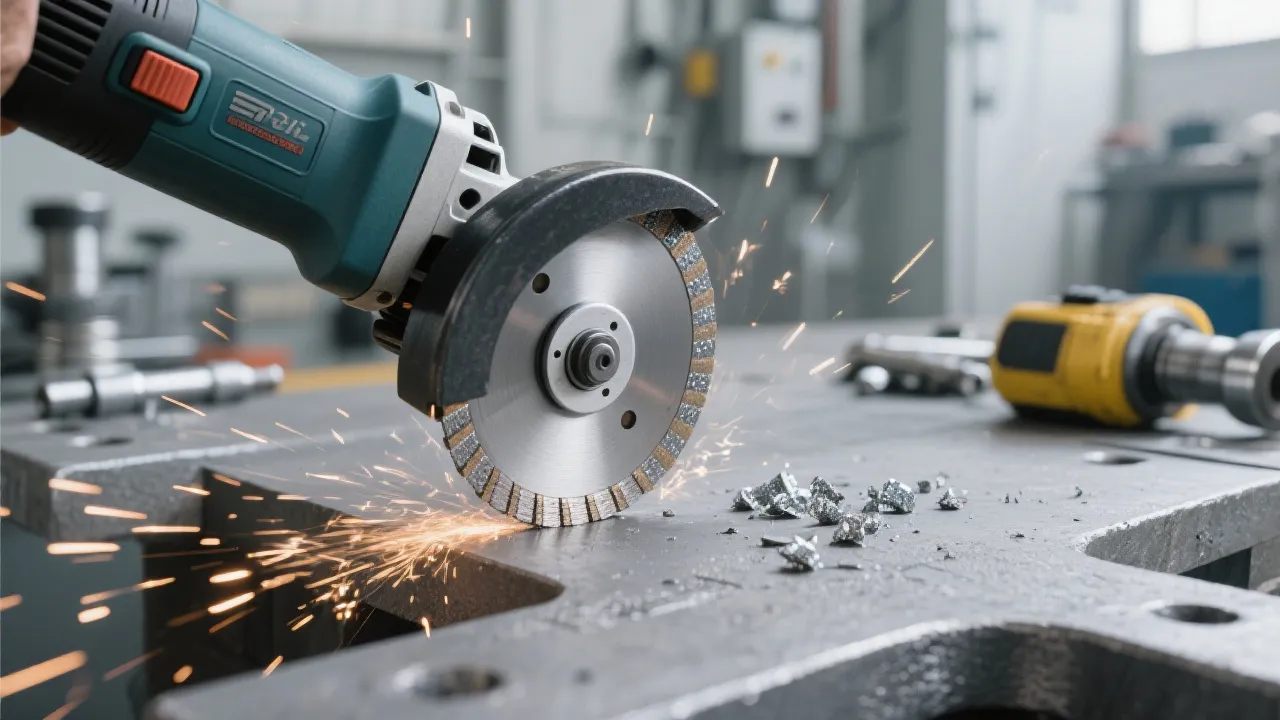
Here’s the truth: dry cutting is faster for quick jobs—but only if you know when and how to use it safely. In fact, 67% of contractors who switch from wet to dry without proper planning report premature blade wear within 2 hours—often due to overheating or improper feed rate.
Real-world case: A contractor in Dubai used standard wet-cut blades on a dry construction site during Ramadan. After just two hours, the blades dulled significantly—not because of poor quality, but because they were not designed for dry operation. Switching to a specialized dry-cutting model increased productivity by 30%.
The brazing process directly affects thermal conductivity and bonding strength between the steel body and diamond segment. Blades with vacuum-brazed joints can withstand up to 25% more heat cycles than those using traditional flame brazing—especially important in high-stress environments like concrete demolition or granite cutting.
If your job involves repeated starts/stops or inconsistent material hardness, choose blades with optimized braze layer thickness (typically 0.3–0.5mm). This ensures better heat dissipation and longer service life—even under variable loads.
Many buyers assume “wet = better,” but this isn't always true. For example, in arid regions like Saudi Arabia or Arizona, constant water supply isn’t feasible—and forcing wet cutting leads to wasted time, equipment damage, and safety risks.
Instead, adopt our 3-Step Decision Framework:
This method has helped over 500+ contractors reduce blade replacement costs by an average of 22% while improving overall project efficiency.
Get instant access to our free downloadable “Brazed Diamond Blade Selection Flowchart”—a practical tool trusted by professionals worldwide.
Download Now →
.png?x-oss-process=image/resize,h_1000,m_lfit/format,webp)

.png?x-oss-process=image/resize,h_1000,m_lfit/format,webp)

 <#else>


