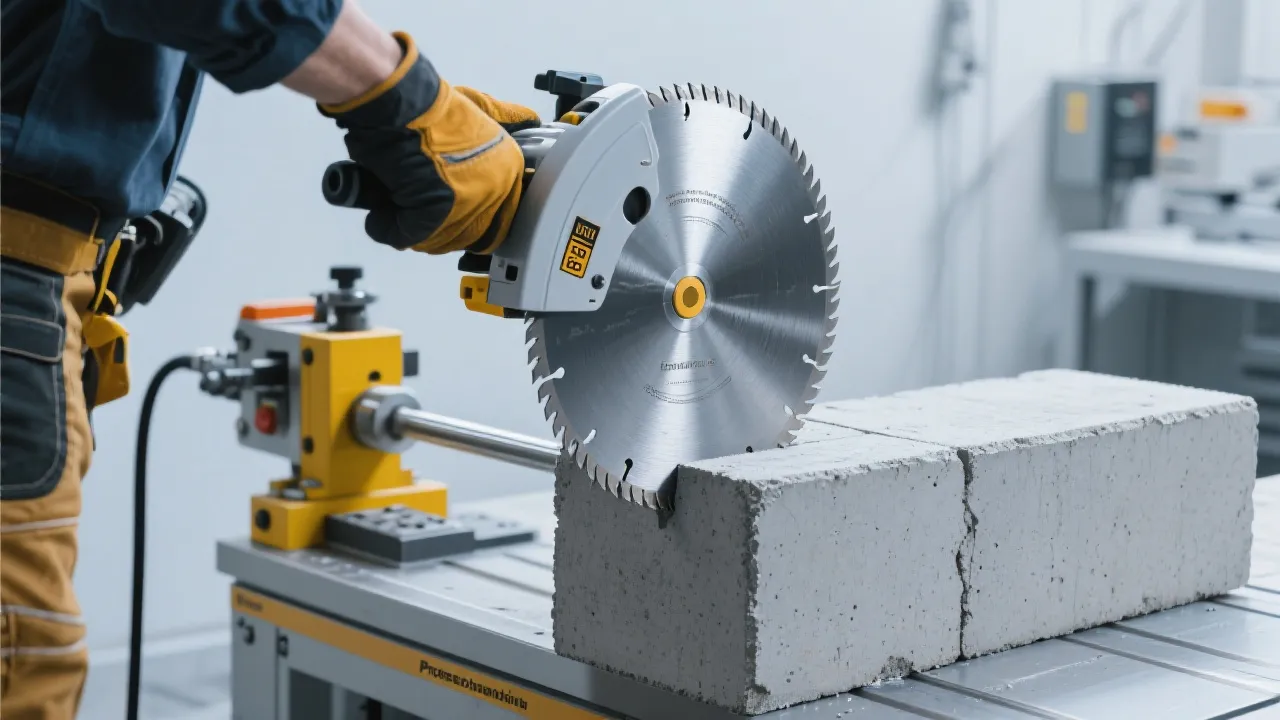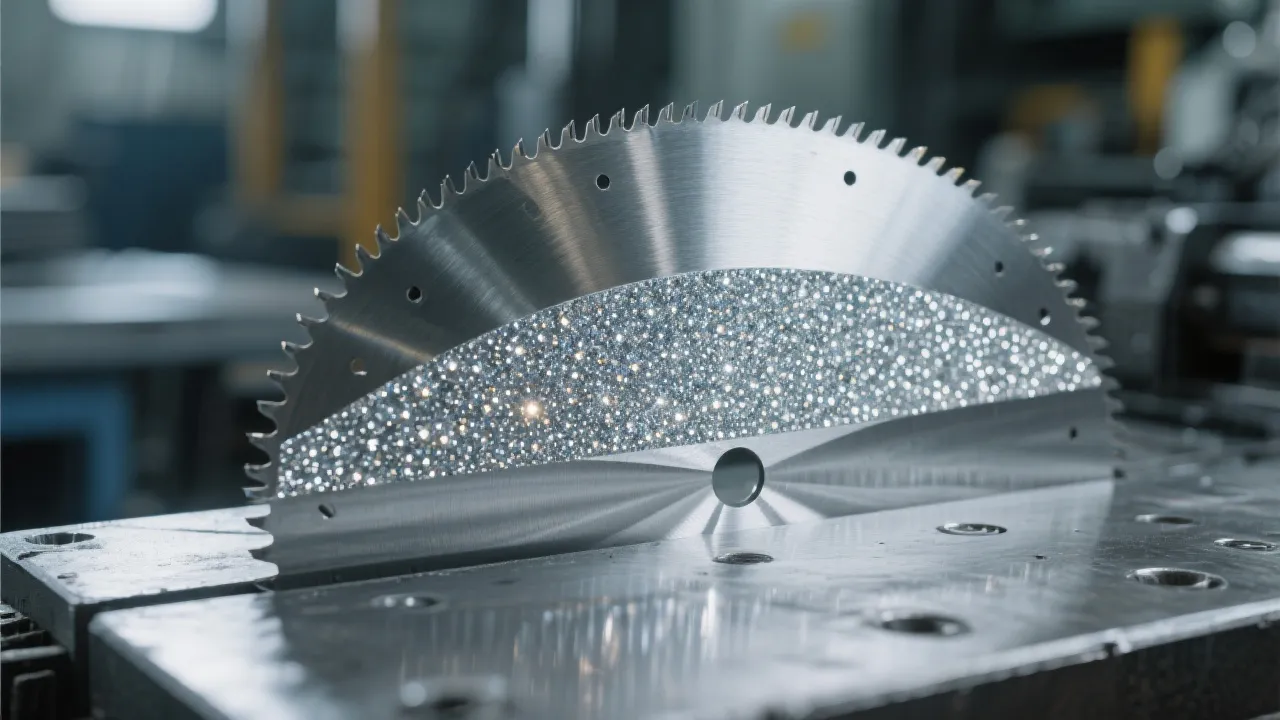
Vibration of saw blades on construction sites is a common yet critical issue. Excessive vibration not only reduces cutting efficiency but also poses potential safety hazards and accelerates equipment wear and tear. To address this problem, it's essential to understand the root causes of the vibration. From a mechanical perspective, an imbalance in the saw blade's structure is a primary factor. For example, uneven distribution of the diamond segments on the saw blade can lead to an imbalance in the centrifugal force during rotation, resulting in vibration. According to industry statistics, approximately 40% of saw blade vibration issues are caused by structural imbalances.
In terms of the cutting process, improper cutting parameters also contribute significantly to saw blade vibration. If the cutting speed is too high or the feed rate is too large, the saw blade will bear excessive force, leading to unstable cutting and increased vibration. Additionally, the quality of the cutting material can also impact the vibration of the saw blade. Hard and uneven materials can cause the saw blade to encounter varying resistances during cutting, resulting in vibration.
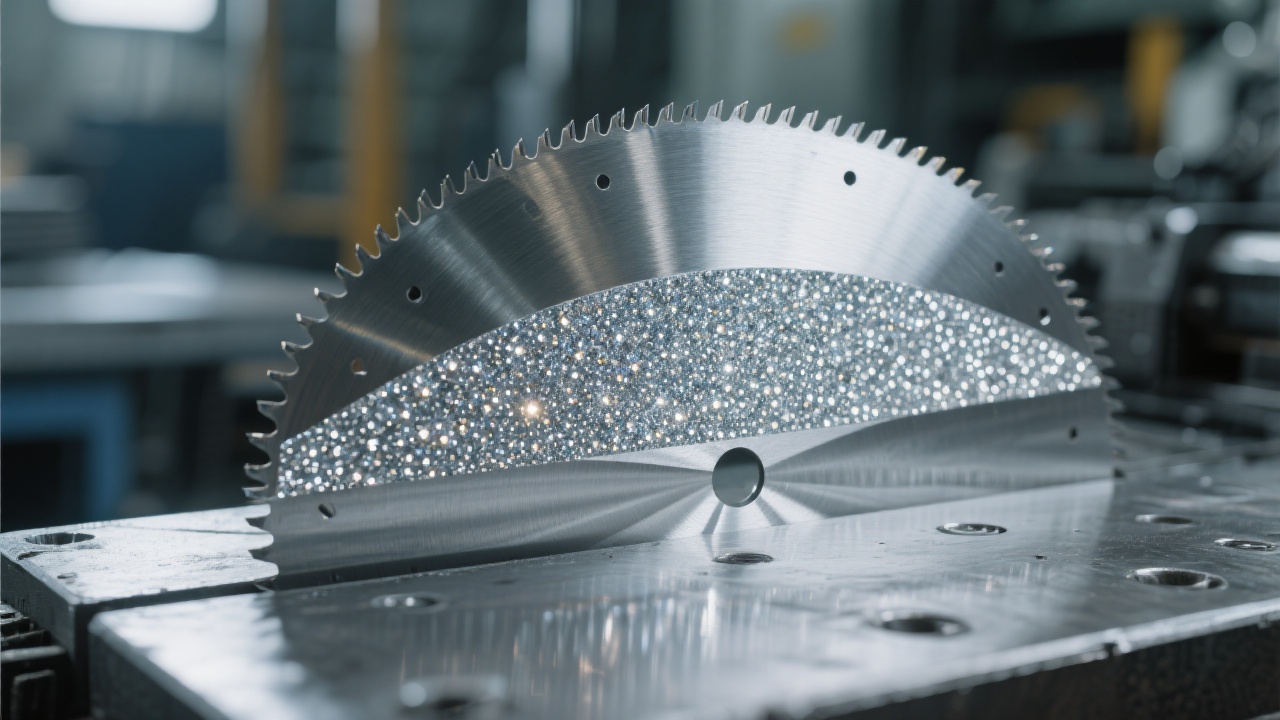
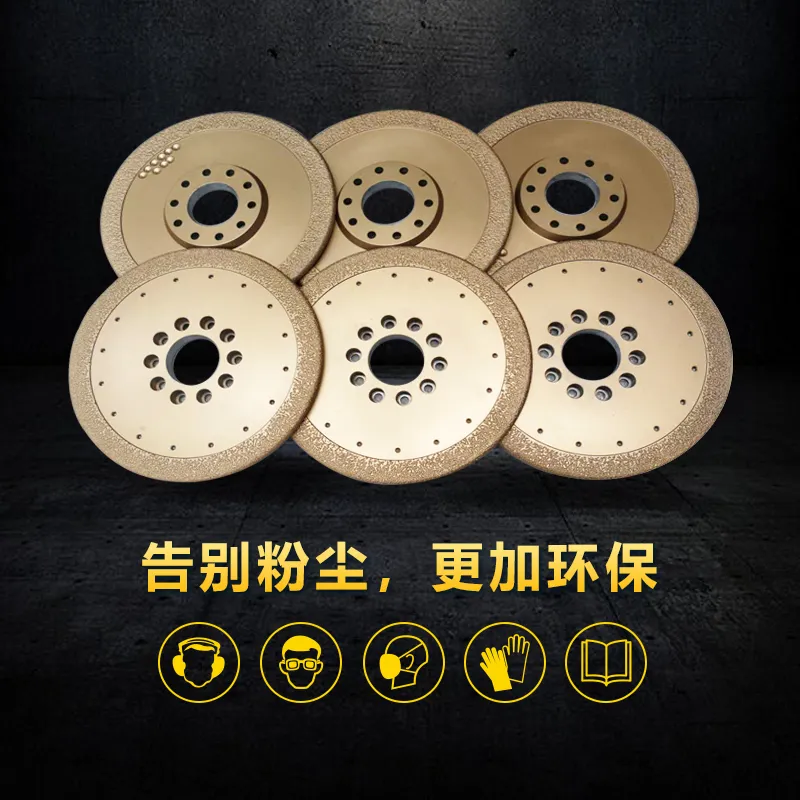
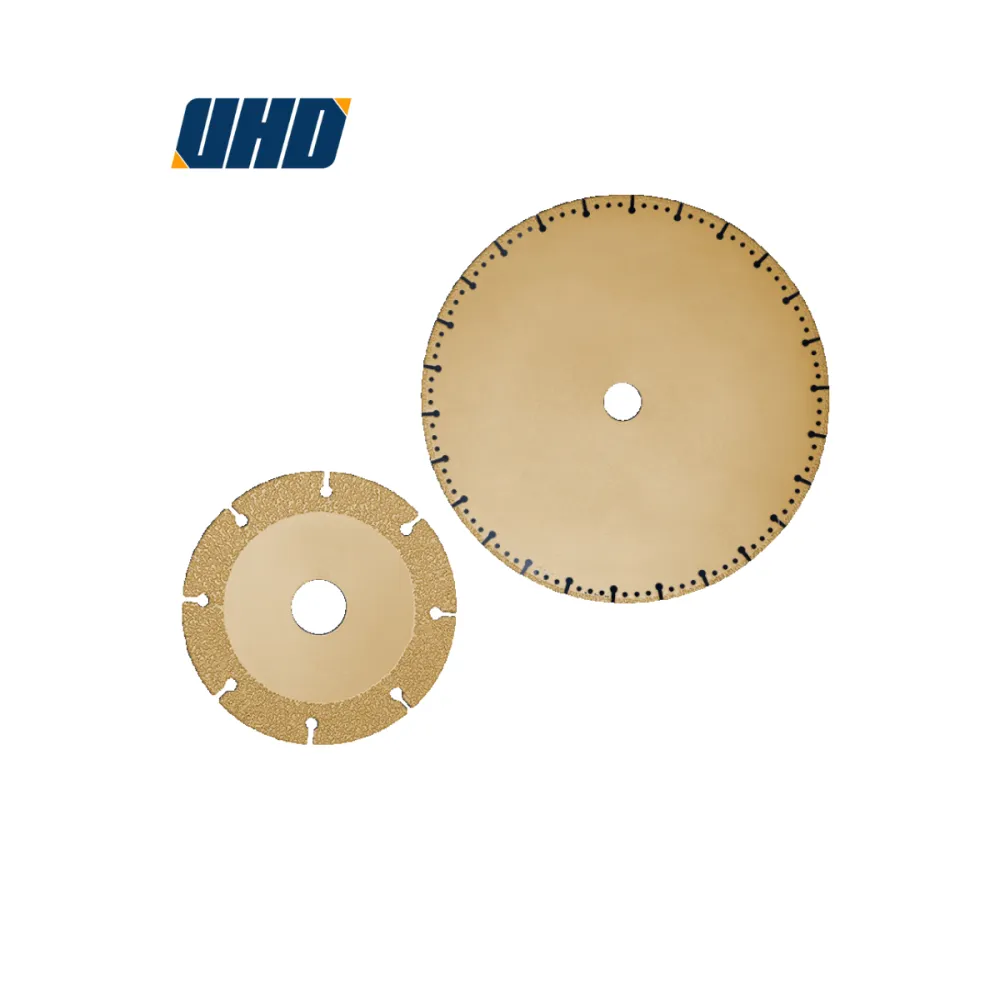
The 400H site-specific brazed diamond saw blade is designed to effectively reduce vibration and improve cutting stability. Its unique heat sink structure is one of its key features. The heat sink structure not only helps to dissipate heat generated during cutting, reducing the temperature of the saw blade and preventing blade deformation due to overheating, but also optimizes the blade's balance. By adjusting the shape and distribution of the heat sink, the centrifugal force of the saw blade during rotation can be made more uniform, thereby reducing vibration.
In addition, the diamond segments of the 400H saw blade are precisely brazed, ensuring a firm connection between the segments and the blade body. This not only improves the cutting performance of the saw blade but also enhances its stability. The high - quality diamond material used in the segments has excellent wear resistance, which can maintain a sharp cutting edge for a long time, reducing the vibration caused by dull cutting edges.
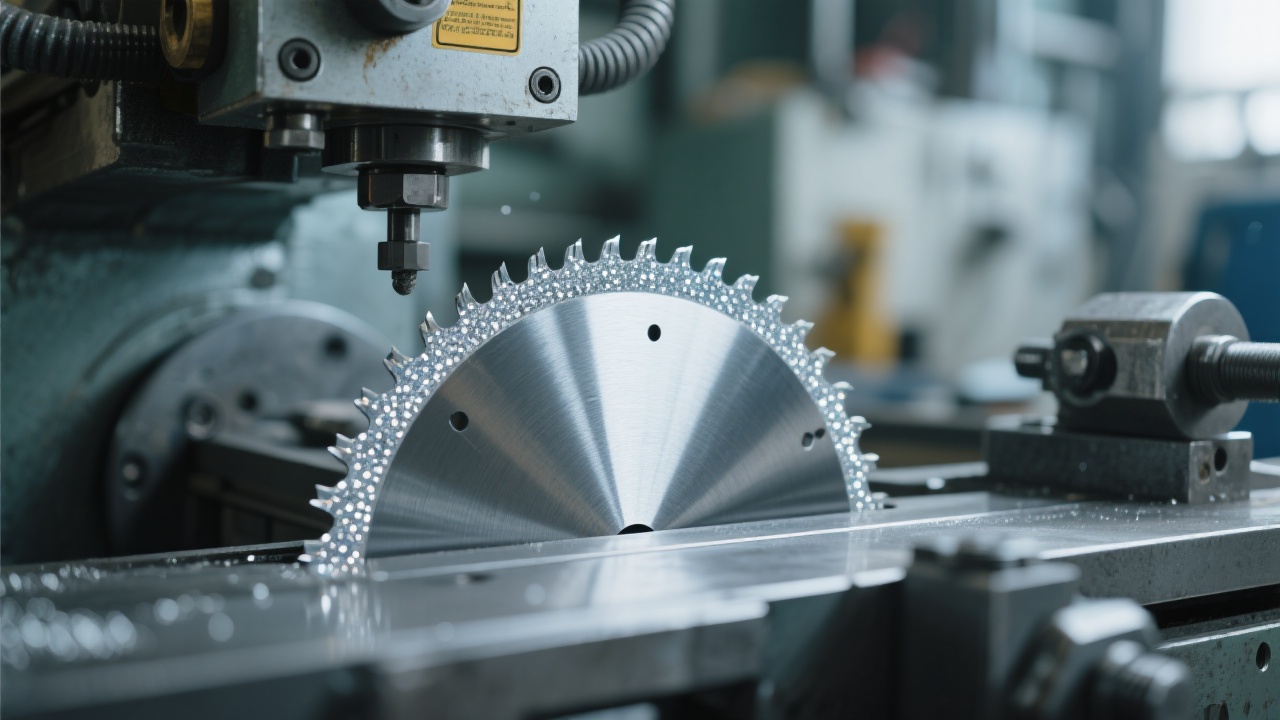
Regularly check the saw blade for damage or wear. If the diamond segments are worn unevenly or damaged, replace the saw blade in time. Additionally, you can use balancing rings or other balancing devices to further optimize the balance of the saw blade. According to practical experience, proper balancing can reduce saw blade vibration by about 30%.
Select appropriate cutting speed and feed rate based on the properties of the cutting material. For hard materials, reduce the cutting speed and feed rate to ensure stable cutting. For example, when cutting granite, the cutting speed can be controlled at about 30 - 40 m/min, and the feed rate at about 5 - 10 mm/min.
Ensure that the saw blade is correctly installed and centered. Before starting the machine, check whether the saw blade is firmly fixed to prevent vibration caused by loosening during operation. During the cutting process, maintain a stable cutting movement and avoid sudden changes in direction or force.
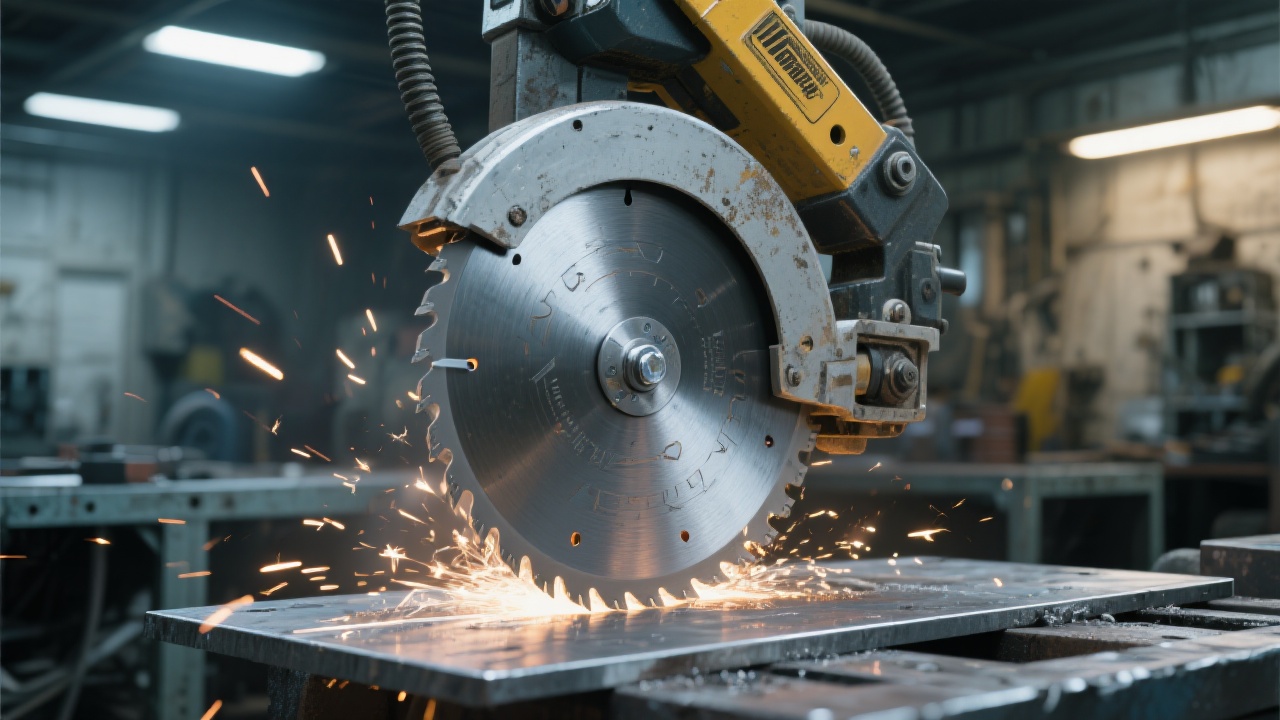
In a large - scale construction project, the construction team previously used ordinary saw blades, and the saw blade vibration problem was quite serious. The cutting efficiency was low, and the saw blades needed to be replaced frequently. After switching to the 400H site - specific brazed diamond saw blade and implementing the above three vibration - reduction techniques, the saw blade vibration was significantly reduced. The cutting efficiency increased by about 40%, and the service life of the saw blade was extended by about 50%.
Have you encountered saw blade vibration problems on construction sites? What methods have you tried to solve them? Share your experiences in the comments below!
If you want to improve the stability and efficiency of concrete cutting on your construction site and extend the service life of your tools, the 400H site - specific brazed diamond saw blade is your ideal choice. Click here to learn more about this amazing product!

.png?x-oss-process=image/resize,h_1000,m_lfit/format,webp)